
Arts & Culture
The Africa Centre’s 60th Anniversary Exhibition
John StevensonContributor
The Africa Centre’s 60th Anniversary Exhibition, held from 5 February to 21 June 2026, marked a defining moment in the institution’s six-decade history.
Curated by filmmaker and archivist Leon Robinson of Positive Steps Associates, the exhibition offered a sweeping, immersive, exploration of the African and diasporic presence in Britain, stretching from antiquity to the present day.
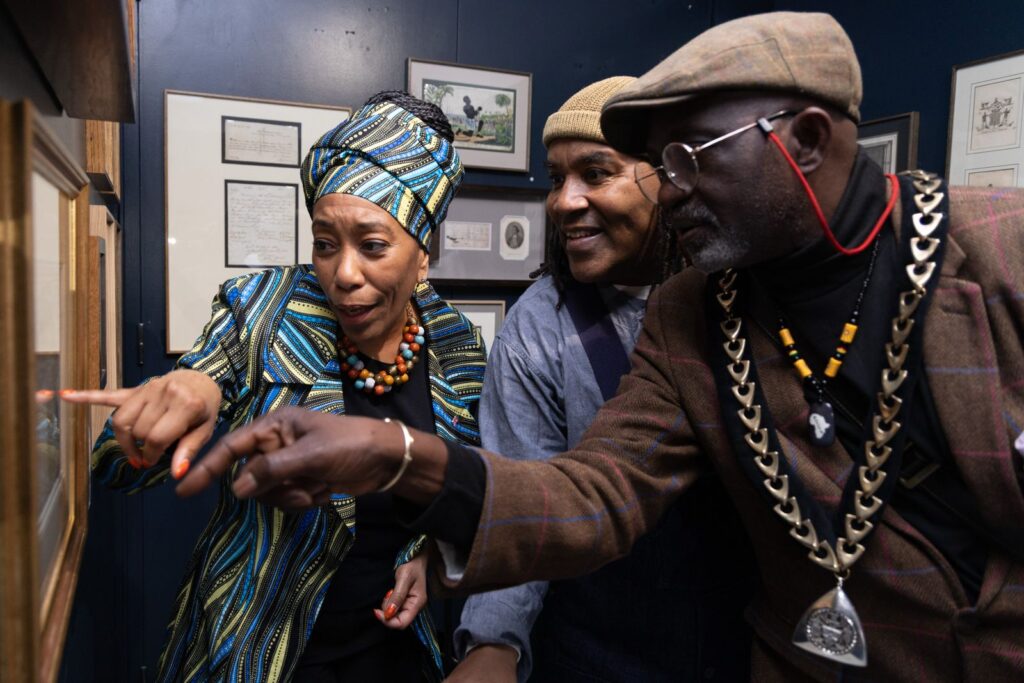
(L to R) HE Macenje Mazoka, Leon Robinson, Cllr Sunny Lambe (Photo credit Amy-Rose Edlyn)
With more than 70 rare artefacts, documents and photographs on display, the exhibition was a scholarly achievement and a cultural celebration, drawing visitors into a narrative that challenged assumptions, illuminated forgotten histories and honoured generations of African lives woven into the fabric of British society.

The Hon Hannatu Musa Musawa, Nigerian Minister of Arts and Culture (Photo credit Amy-Rose Edlyn)
The exhibition attracted a distinguished roster of attendees, including Hon Hannatu Musa Musawa, Nigeria’s Minister of Arts and Culture. Touring the exhibits, she described the exhibition as a profound act of cultural remembrance, remarking: “This is an extraordinary exhibition. This is our past, present and future. It is a treasure trove of our history.”
Her presence underscored the exhibition’s international significance and the Africa Centre’s enduring role as a bridge between the continent and its global diaspora. Also in attendance were acclaimed actor Simon Callow and cultural activist, Councillor Sunny Lambe, both long-time supporters of African arts and heritage in Britain.
A curatorial vision rooted in historical recovery
Leon Robinson’s curatorial leadership greatly shaped the exhibition’s distinctive focus. Known for his work in film, performance and archival research, Robinson approached the project with a clear mission: to illuminate the long, often overlooked history of African presence in Britain:
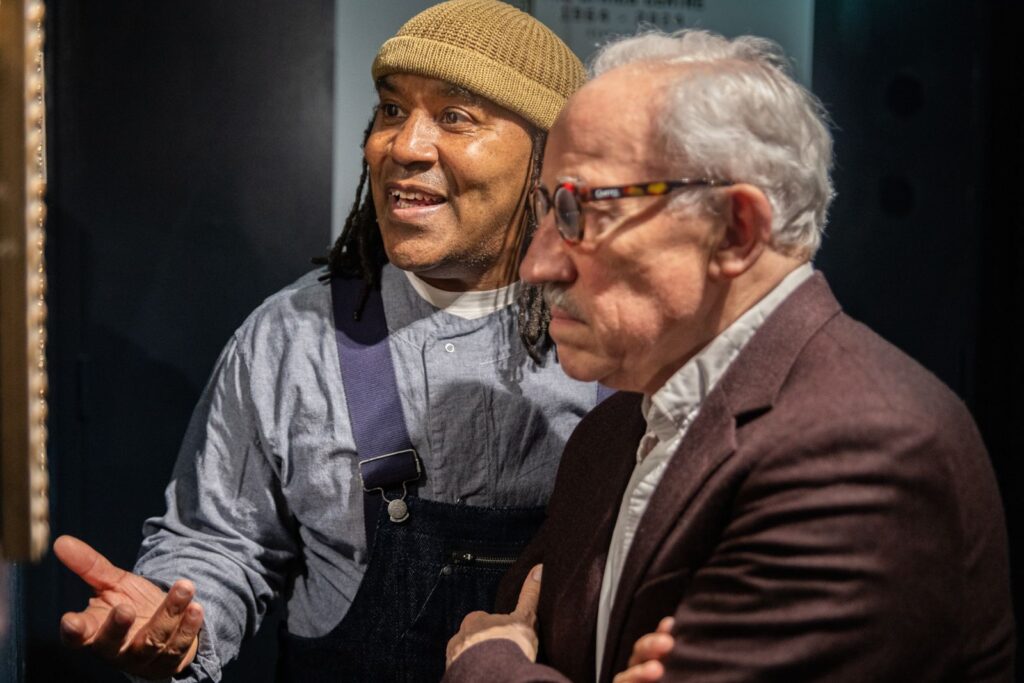
Leon Robinson (at left) with Simon Callow (Photo credit Amy-Rose Edlyn)
“Really, this exhibition has been about honouring the legacy of our ancestors who lived in this country many centuries before the Windrush generation of the 1940s. There has been a Black presence in this country since Roman times. There needs to be greater acknowledgement of this in the United Kingdom. I hope the exhibition went some distance in making that point.”
Commenting further, Robinson notes that the recent exhibition “was full of priceless unplanned moments”.
“It was as if the voices and prayers of our ancestors were being answered every day. As a great example, Richard Adeshiyan of Adeshiyan Media brought along Professor Yanick Rice Lamb, former Chair of Howard University’s Department of Media, Journalism and Film. This in turn was the catalyst for graduates from several universities, including Howard, Harvard and the University of Texas to attend the exhibition. There was also a journalist who came along from the Miami Herald newspaper, where my father worked.”
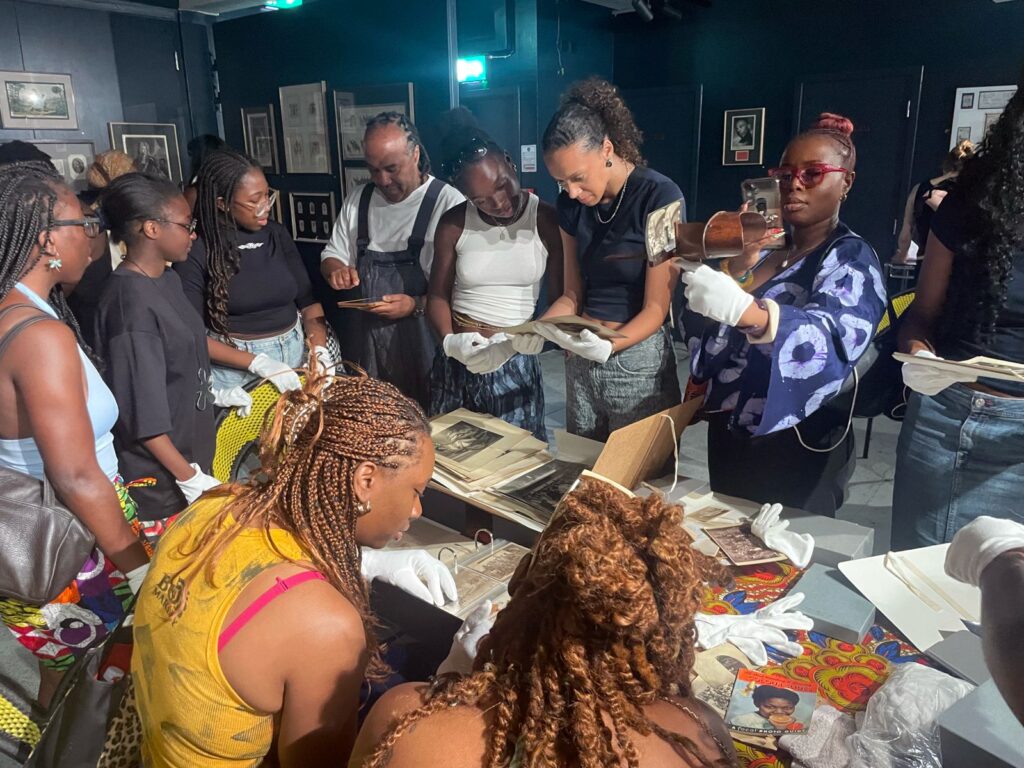
A group from Black Girls in Archives with the exhibits (Photo credit Amy-Rose Edlyn)
“This exhibition has enabled us to build bridges globally and establish relationships between organizations such as Black Girls in Art Spaces and Black Girls in Archives through Rickyah Blake who is currently a participant in the ICA’s Young Artist Programme and research fellow at Positive Steps Associates.

Paul Rhoden of Frame, Set & Match (Photo credit Amy-Rose Edlyn)
“I’d like to place on record my huge thanks to Paul Rhoden and his team at Frame Set & Match who grabbed the proverbial bull by the horns. He brought a huge degree of creativity, heart and commitment to make this exhibition the success it clearly was”.
Rare artefacts that reframe British history
The exhibition’s artefacts formed a compelling visual and historical tapestry. Among the most striking were Roman coins depicting Emperor Septimius Severus, his wife Julia Domna, and their sons Caracalla and Geta: a reminder that African leadership was an undeniable major feature of the Roman Empire, which in turn transformed Britain. Nearby, visitors encountered images of John Blanke, the Black trumpeter who served in the court of King Henry VIII, his presence documented in early 16thcentury royal pageantry.
A beautifully detailed 1747 map of Africa offered insight into early European cartography, while images of Billy Waters, the famed Black street performer of early 19thcentury London, revealed the vibrancy of African life in the city long before modern migration narratives. Barbadian coins from 1738 provided a tangible link to the Caribbean’s colonial economy (which led to the establishment of the Bank of England), and a revelatory 1889 engraving depicted sailors of African and Asian descent at a lodging house on West India Dock Road – all evidence of Britain’s multicultural maritime workforce more than a century ago.
These items collectively challenged the notion that Black British history begins with Windrush. Instead, they revealed a continuous, centuries-long presence that has shaped Britain’s cultural, economic and social development.
The Africa Centre: six decades of cultural leadership
Founded in 1964, the Africa Centre has long served as a home for African and diasporic communities in London. Originally located in Covent Garden, it became a crucible for artistic innovation, political debate and cultural exchange. In the 1980s, the Centre played a pivotal role in the development of Black British music, hosting legendary nights that helped launch movements such as Wicked Pulse and Soul II Soul. These events have become cultural milestones that defined the contours of Britain’s musical landscape and gave voice to a generation.
Today, located in Southwark, the Africa Centre continues to evolve. Its programming spans visual arts, performance, education, digital innovation and community engagement. The 60th Anniversary Exhibition served both as a tribute to its past but also as a declaration of its future ambitions: to remain a vital, dynamic space for African creativity and thought.
Positive Steps Associates: preserving hidden histories
Positive Steps Associates, founded by Leon Robinson, has emerged as a key institution in the preservation of Black British heritage. Its work spans archival research, film production, historical interpretation and cultural programming. By uncovering early African and diasporic narratives, Positive Steps challenges narrow understandings of British history and advocates for a more inclusive national story.
Robinson’s collection has garnered an enviable reputation over the past three decades engaging new audiences with the likes of Tate Britain, V&A, National Portrait Gallery, National Theatre, and Lloyd Webber Theatres, and being acknowledged by New York’s world-renowned Schomburg Centre.
He has also secured admirers from both British and American acting royalty. Celebrated award-winning stage actor Simon Callow CBE has been a long-time supporter, while the late James Earl Jones, Whoopi Goldberg and Debbie Allen, have acknowledged the impressive Positive Steps archival collection.
In June 2009, Leon launched the Living Archive Exhibition at the London Palladium with support from Whoopi Goldberg, Simon Callow, Baroness Lola Young, and Steve Clark of The Clark Brothers. The exhibition was aimed at increasing awareness of the rich cultural heritage of Black performance in the UK.
Whoopi Goldberg stated: “This history is one that not many people know about. The collection brings to the forefront all those performers who put their all into British entertainment. I’m very proud of it.”
In 2014, Leon partnered with the V&A, Delfont Mackintosh Theatres, and the Hackney Empire for Living Legends, which celebrated the history of the tap-dancing duo The Clark Brothers and highlighted the contributions of a host of Black Variety performers to British culture in the post-World War II period.
More recently, from 2020-2023, he delivered Forget Me Not Day, a project he created exploring the contributions Black soldiers and Black entertainers made during World War I, which included an exhibition and event programme at Tate Britain and the National Theatre. The project also featured archival workshops for primary school children and students at the Royal Central School of Speech & Drama.
Robinson started collecting from an early age and acknowledges that he is only a custodian of the work, declaring: “I am always learning new things on a daily basis and love uncovering those rich chapters that could have been lost forever. History will write itself if you allow it to.”
Notably, Robinson’s Positive Steps Archives, houses the biggest and most authoritative collection of primary source material on Black artists who have contributed to the cultural landscape of England from the 19th Century onwards.
The Africa Centre’s anniversary exhibition exemplified this mission. Through its carefully curated artefacts, images and interpretive materials, it offered audiences a rare opportunity to engage with histories that have too often been overlooked. It invited visitors to reconsider Britain’s past – and to recognise the depth and longevity of African contributions to its present.
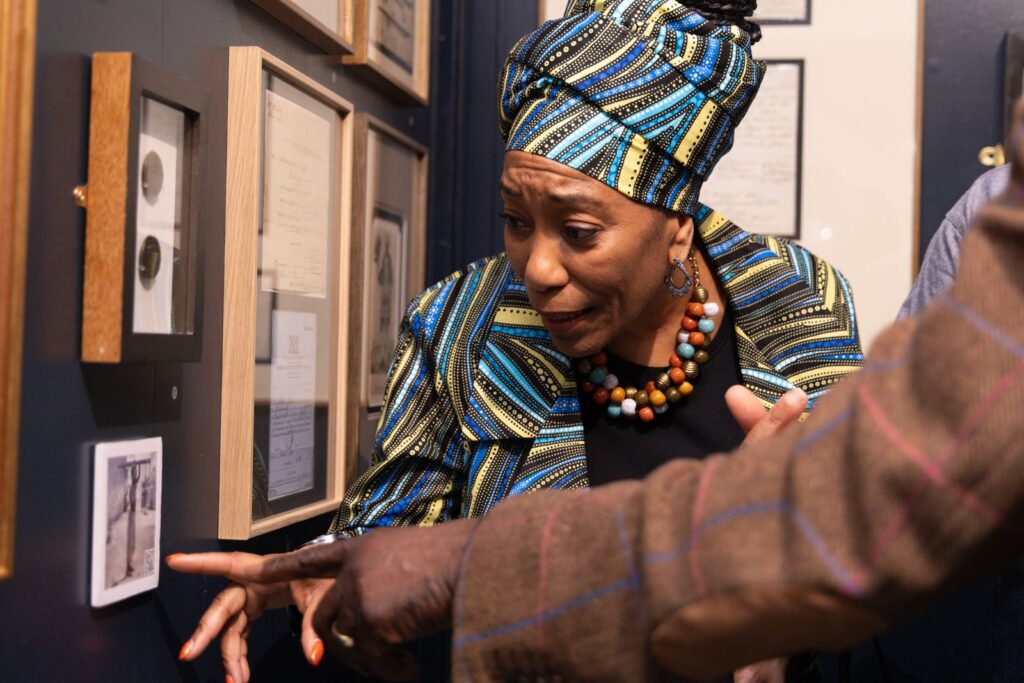
Zambian High Commissioner to the UK HE Macenje Mazoka (Photo credit Amy-Rose Edlyn)
A celebration, a revelation, a call to remember
The Africa Centre’s 60th Anniversary Exhibition was more than a commemoration. It was an invitation to see British history afresh.
Through Robinson’s curatorial vision and Positive Steps’ archival expertise, the exhibition honoured ancestors, celebrated community and challenged the nation to acknowledge a history that is richer, deeper and more interconnected than commonly told.
“This exhibition is not just a retrospective,” said Olu Alake, Chief Executive Officer of The Africa Centre. “It is a living story of African presence, creativity and influence in Britain; one that honours our past, celebrates our now, and looks boldly towards the future.”
- Alzheimer’s the Black doctor who helped decode the disease
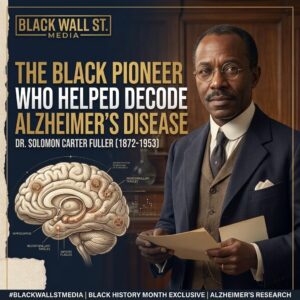 🧠✨ Celebrating an Unsung Hero! Dive into the captivating journey of Dr. Solomon Fuller, a pioneer in Alzheimer's research and a standout figure in Black history. From his roots in Liberia to groundbreaking discoveries, discover the legacy of a medical trailblazer who defied adversity. 🌟
 - The Voice of the Child, Young Person and; Service User
 Whose voices are we really hearing? And what happens when we truly listen? The 3rd DARDR/DVA & Criminal Justice Summit 2026 will bring together professionals, practitioners, community organisations, academics and people with lived experience to place children, young people and service users at the heart of the conversation. Under the theme “The Voice of the Child, Young Person & Service User,” this year’s Summit will explore domestic abuse, violence, safeguarding, exploitation, trauma and criminal justice — but most importantly, how listening can move beyond consultation and become meaningful action. 📅 Friday 27 November 2026 📍 Brent Civic Centre, Wembley 💻 Hybrid Event | CPD Accredited Read more about the Summit, the conversations it will explore and how to book your place.
 - The Crown in the Ledger: What Finding Britain’s Slave Traders Asked Us to Face
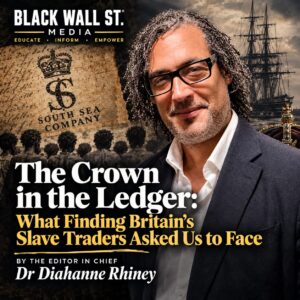 What happens when Britain’s history is no longer told through monuments, wealth and institutions, but through the ledger behind them? Finding Britain’s Slave Traders with David Olusoga brings names, companies, royal connections and fortunes into focus, forcing us to confront how deeply the transatlantic slave trade was embedded in British society. In “The Crown in the Ledger,” we explore what these records reveal about wealth, power, responsibility and the legacy that remains today. Read the full article and ask yourself: who owns what, who benefited, and what does honest accounting look like?
 - Is ‘Othello’ relevant today?
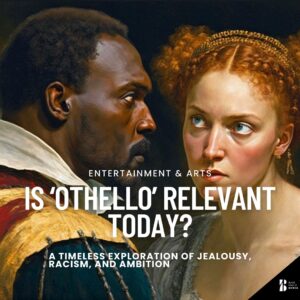 Othello: A Timeless Exploration of Jealousy, Racism, and Ambition
 - A life lived beyond the limits of representation
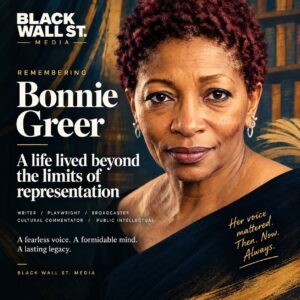 Bonnie Greer was never simply a writer, playwright or broadcaster. She was a cultural force who refused to be confined by the expectations placed on Black women in public life. From Chicago to Britain, from theatre and literature to television and institutional leadership, she built a life defined by intellect, independence and an unapologetic right to occupy space. As Britain remembers her following her death at 77, this article looks beyond the achievements and asks what her life represented: the power of cultural authority, the importance of institutional access, and the freedom to be fully human rather than simply inspirational.




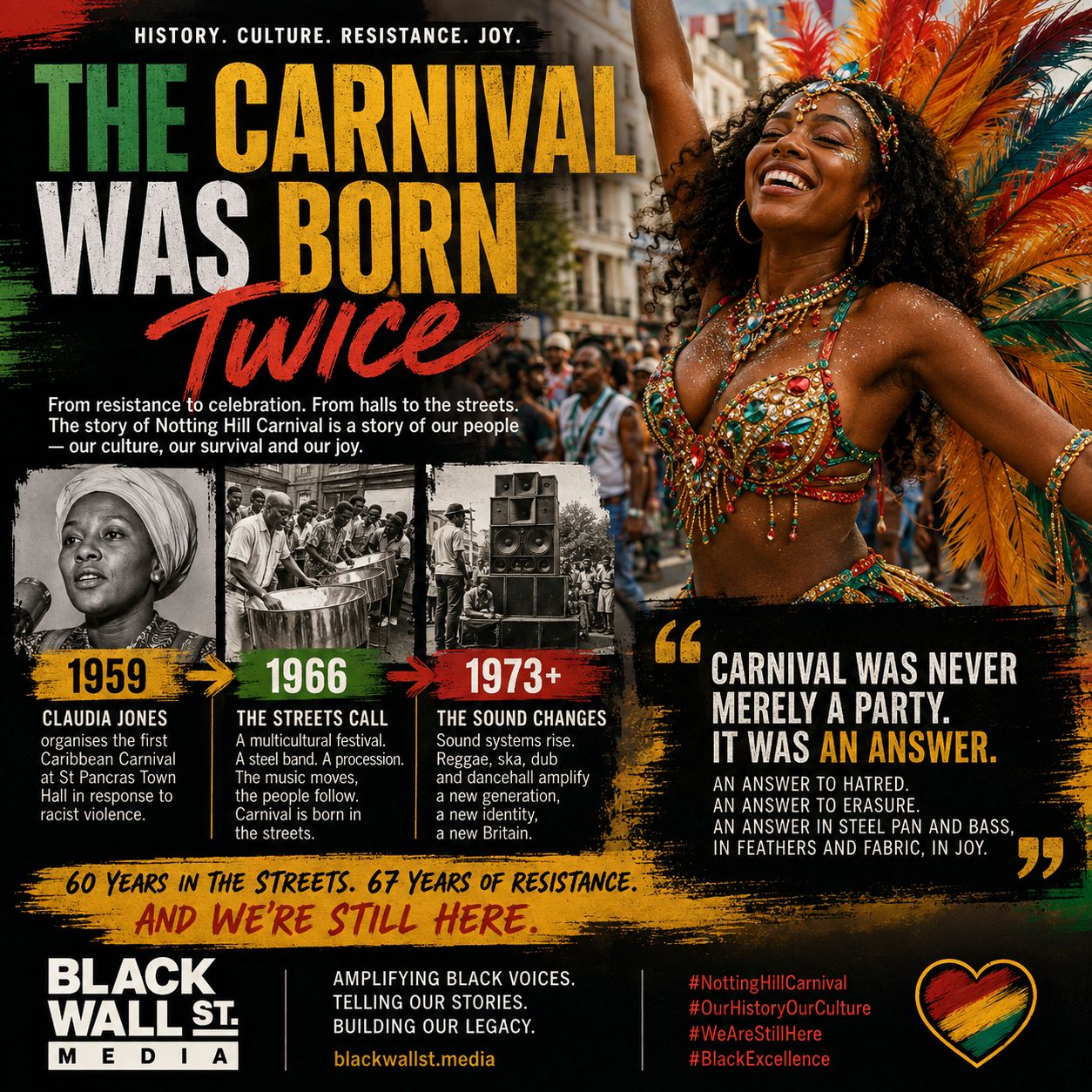
The Carnival Was Born Twice
Read More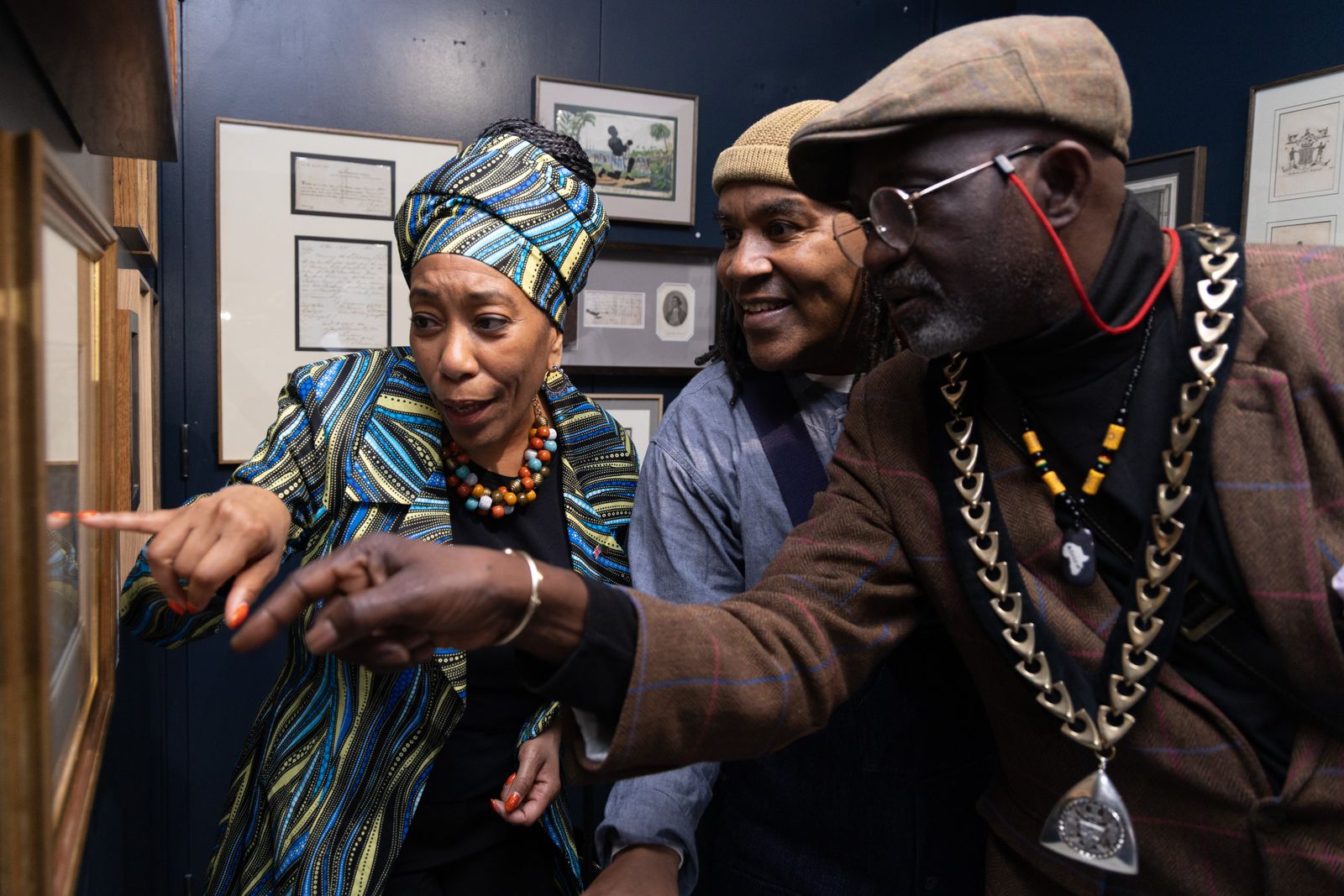
The Africa Centre’s 60th Anniversary Exhibition: a landmark celebration of history, presence and legacy
Read More
Margaret Busby’s Part of the Story (Hamish Hamilton, 2026)
Read More
Afterlives of Looted Heritage
Read More
The Music is Black
Read More
Mother’s Day and the Quiet Legacy of Our Mothers
Read More
Radio Bimshire – Bajan to the Bone
Read More
Love, legacy, and a line in the sand
Read More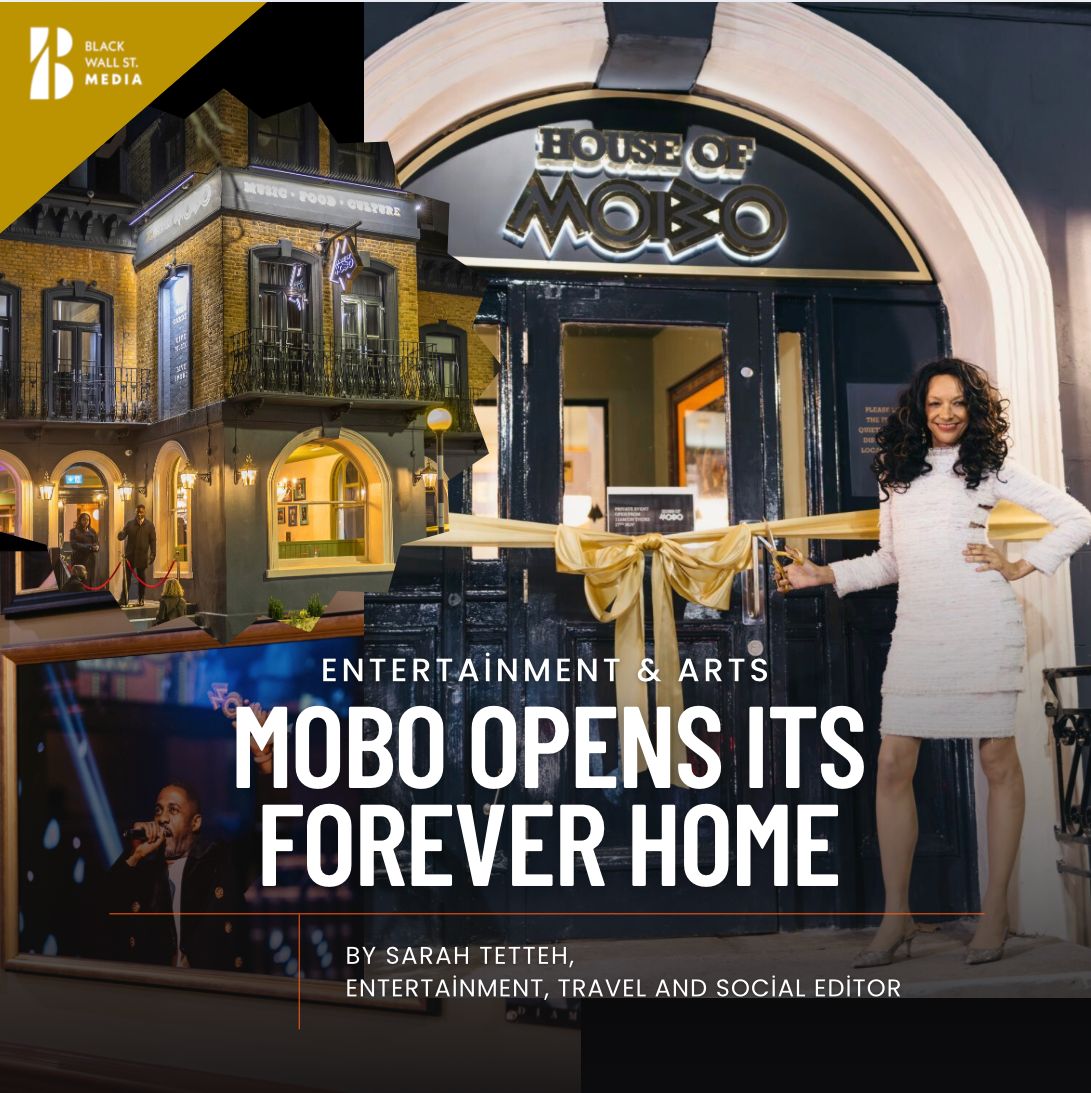
MOBO Opens Its Forever Home
Read More


Brother John Stevenson continues to inspire, imbue and instruct us through his extremely effective journalism and writing skills to embrace our Blackness and Black history, culture, contributions, achievements, accomplishments, inventions, brilliance, learning, intellect and art that has served to solidify our place in several of the world’s greatest achievements and contributions.
John has aptly demonstrated that people from the African diaspora are indeed a force to reckon with.
Our history speaks much louder than we ever could, because it precedes us. It was and is our vibrant past, present and shines a very bright light into what we can and will accomplish going forward.
Indeed, John has fully captured the essence of Black excellence in its many forms in this wonderful article that we can, must and will celebrate with our Black brother’s and sister’s whose contributions make this 60th Anniversary a hallmark period in time to rejoice and celebrate – our millennia of contributions and successes to Africa, and indeed, the world.