
Othello: A Timeless Exploration of Jealousy, Racism, and Ambition

Othello: A Timeless Exploration of Jealousy, Racism, and Ambition
INSANE ENERGY INCOMING! ⚡️🎉
Get ready for the ultimate Notting Hill Carnival 2026 experience! 🚨 Streetmic and Black Wall St Media are bringing you live, uninterrupted coverage straight from the heart of the vibes all weekend long! 🥁🔊💃
Don’t miss a single beat, costume, or moment! 🙌✨
⏰ When: Starting this weekend from 9:00 AM
🌐 Where: Streamed LIVE directly from our website!
Tap the image at 9:00 AM to join the live stream!
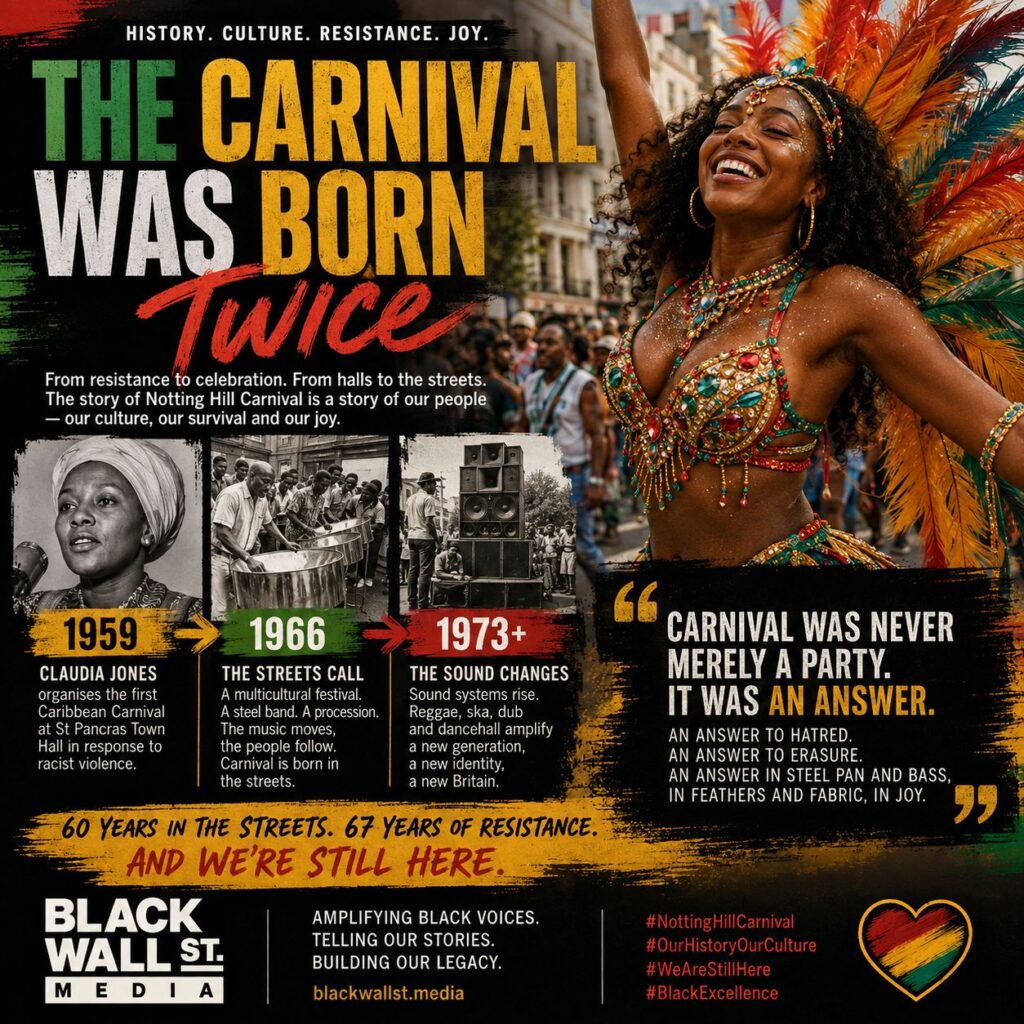
Notting Hill Carnival was never just a party. It was born from racism, shaped by migration and transformed into one of Britain’s most powerful expressions of Black Caribbean culture. But how old is Carnival really and who helped build it?
From Claudia Jones and the pioneering 1959 Caribbean Carnival to Edric and Pearl Connor’s cultural activism, the 1964 turning point and the emergence of the street Carnival, this is a story of resistance, creativity, identity and belonging.
The Carnival was born more than once. And the people who helped build it deserve to be remembered.
Some exhibitions entertain. Others transform the way we see history.
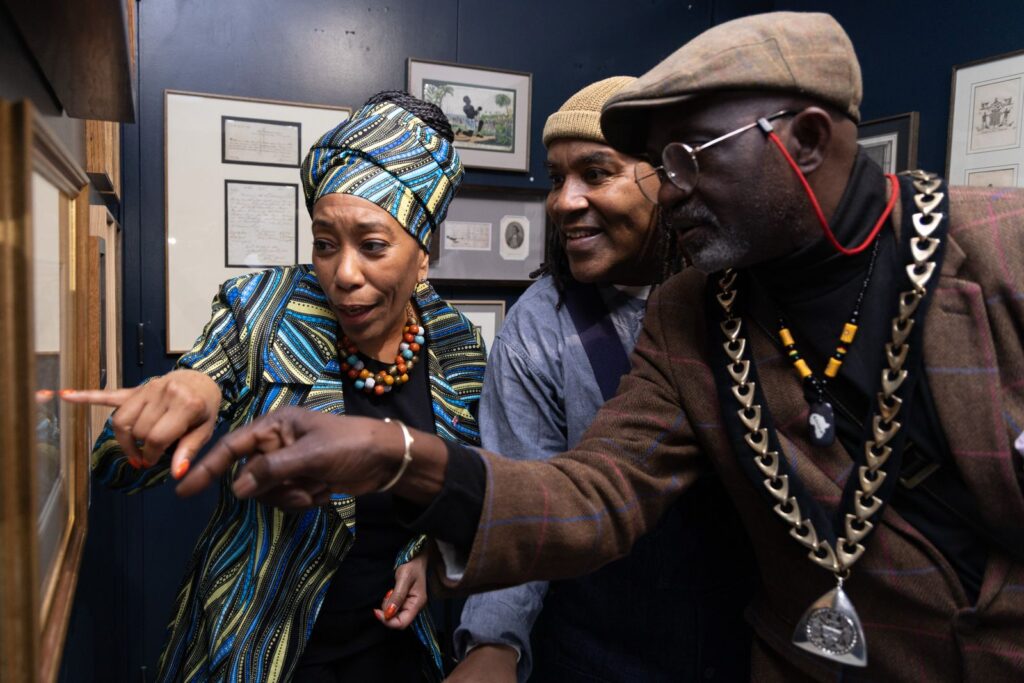
The Africa Centre’s landmark 60th Anniversary Exhibition did exactly that, taking visitors on an extraordinary journey through nearly 2,000 years of African and diasporic history in Britain. Featuring rare artefacts, untold stories and remarkable archival treasures, the exhibition challenged long-held narratives and celebrated the enduring contributions of African communities to British life. Discover how one exhibition became a powerful act of remembrance, recognition and cultural pride.
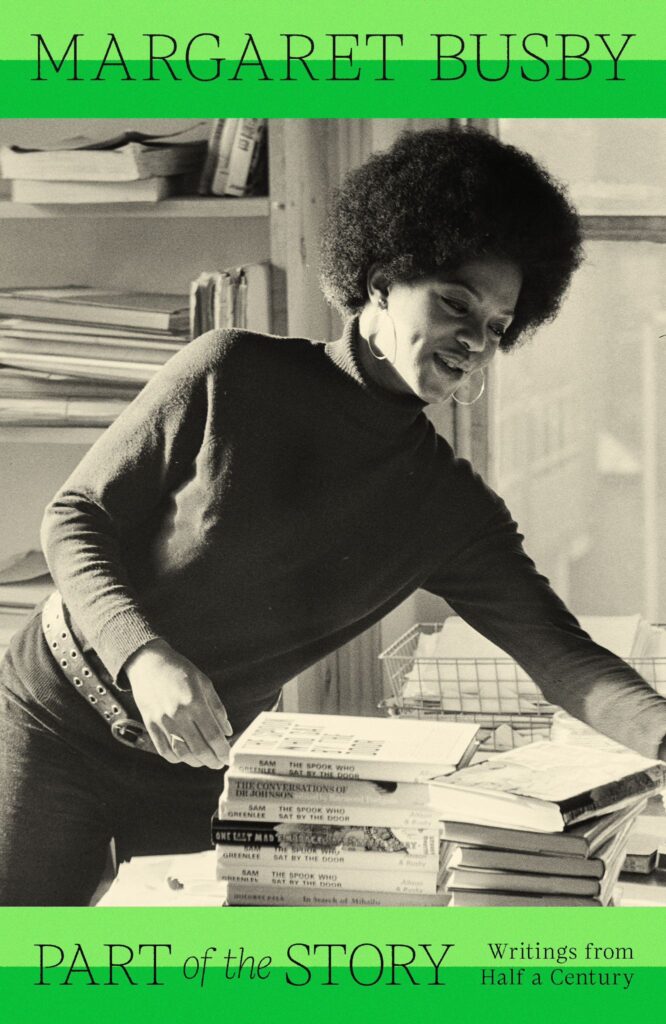
Few figures have had a greater impact on British publishing than Margaret Busby. As the UK’s first Black woman publisher and a lifelong champion of diverse voices, her influence has shaped generations of writers and readers. In this review, John Stevenson explores Part of the Story, Busby’s remarkable new collection of essays, reviews, speeches and reflections, which chronicles more than fifty years of literary and cultural history while illuminating the legacy of one of publishing’s most important pioneers.
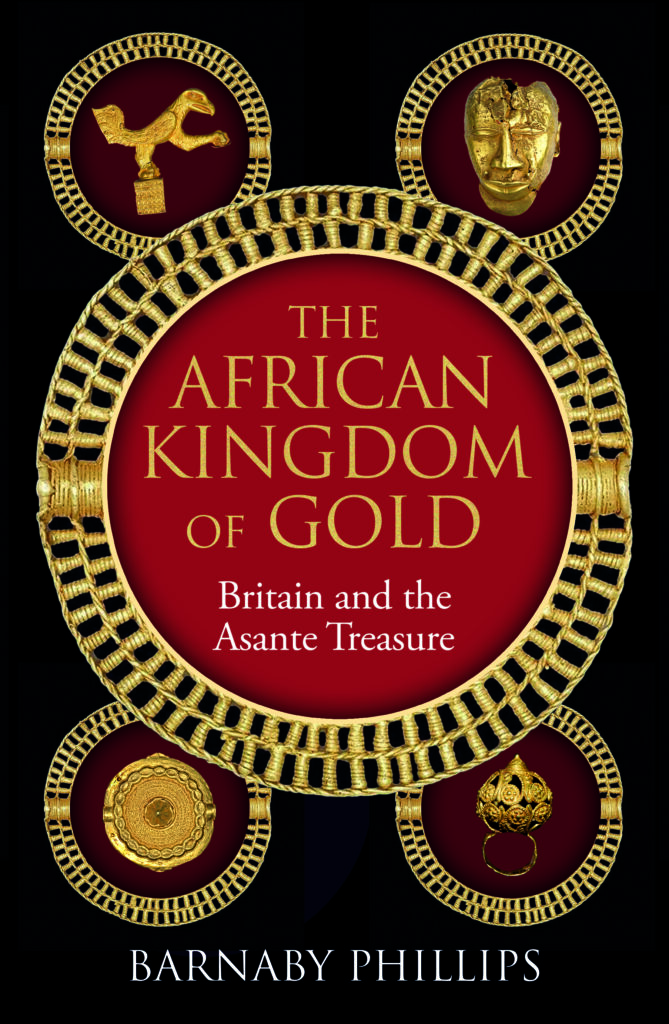
Barnaby Phillips’s The African Kingdom of Gold: Britain and the Asante Treasure is a timely exploration of empire, cultural loss, and restitution. Combining meticulous research with compelling storytelling, Phillips traces the looting of Asante treasures and examines how their legacy continues to shape debates about historical justice today.
At the new V&A East Museum, The Music is Black: A British Story, arrives as both celebration and reckoning – a sweeping exploration of how Black music has shaped the cultural heartbeat of Britain. In this thoughtful review, John Stevenson reflects on the exhibition’s powerful blend of nostalgia, politics, resistance, and creativity, tracing the enduring influence of Black British sound for over a century.
Beyond the bouquets, there is a “quiet legacy” that forms the true foundation of our lives. In this moving tribute, Dr. Diahanne Rhiney, Editor-in-Chief of Black Wall St Media, explores the profound inheritance of resilience and cultural wealth passed down by mothers across the diaspora.
Whether celebrating her presence or honouring her memory, read why a mother’s work is the ultimate blueprint for generational wealth.
As Barbados celebrates 60 years of independence, a quiet cultural revolution is unfolding—not in parliament, but in the voices of everyday Barbadians. Radio Bimshire, the National Library Service’s new digital archive, is preserving and sharing the island’s oral history, from elders’ memories to music, comedy, and Nation Language. Guided by veteran broadcaster Julius Gittens, the platform transforms scattered recordings into a living national soundscape, connecting generations at home and across the diaspora.
In an era when the music industry often played it safe, David Bowie did anything but—both in love and in principle. From his trailblazing marriage to Iman to his fearless challenge of MTV over its lack of Black artists, Bowie quietly helped reshape culture, championing voices like Luther Vandross long before it was fashionable to do so. This is the story of how a “Bromley boy” broke boundaries—and why his legacy still matters.