Arts & Entertainment
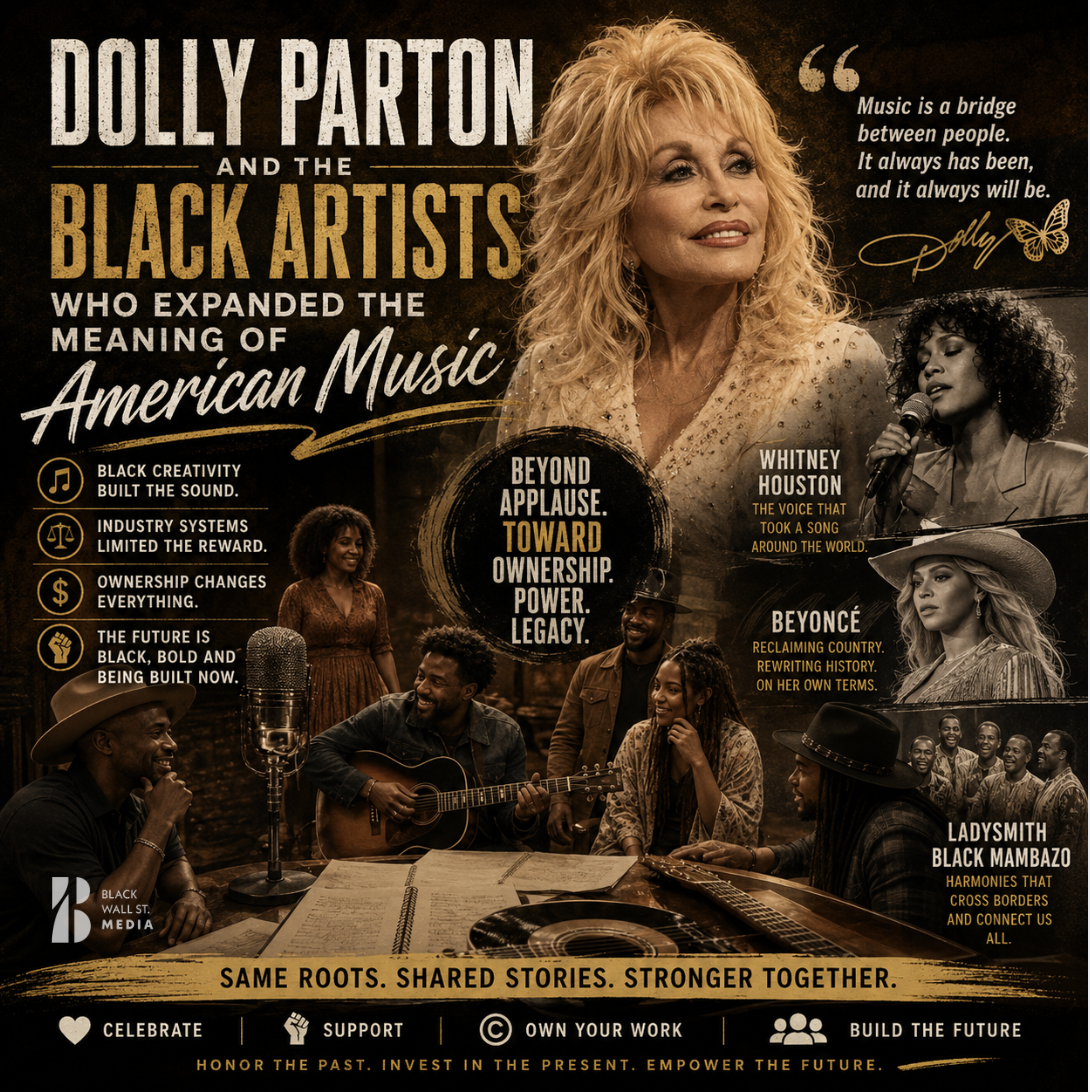
Dolly Parton, Black artists and the untold story of American music.
“What happens when a country music icon’s legacy intersects with the Black artists who helped shape the very sound of the genre?
From Whitney Houston and Beyoncé to the Black musicians whose contributions were written out of country music’s mainstream history, this article explores music, race, ownership, collaboration and who truly benefits from creativity.
Because appreciation is one thing. Power, credit and ownership are another.
Read the full article and discover the deeper story behind Dolly Parton and the Black artists who expanded the meaning of American music.”
Dr Diahanne RhineyEditor in Chief
What does it mean when a white country music icon became beloved by many Black listeners and artists?
Was affection enough to explain the relationship? Or should we look more closely at the music, the money and the history that connected Dolly Parton to the Black artists who have repeatedly expanded the meaning of American music?
Dolly Parton’s career offered no simple answer. She was a gifted songwriter, an astute businesswoman and one of country music’s most recognisable figures. She also used her platform to welcome artists from outside the genre’s traditional boundaries. Yet it would be a mistake to suggest that Dolly created access for Black artists or single handedly changed country music. Black musicians were shaping the sound long before the industry accepted them, and Black artists have continued to fight for recognition in a system that often welcomed their creativity while limiting their control.
The more honest story is about cultural exchange, ownership and power. It is about who gets credited for creating a sound, who is allowed to perform it, who controls the publishing and who benefits when a song travels across racial and commercial lines.
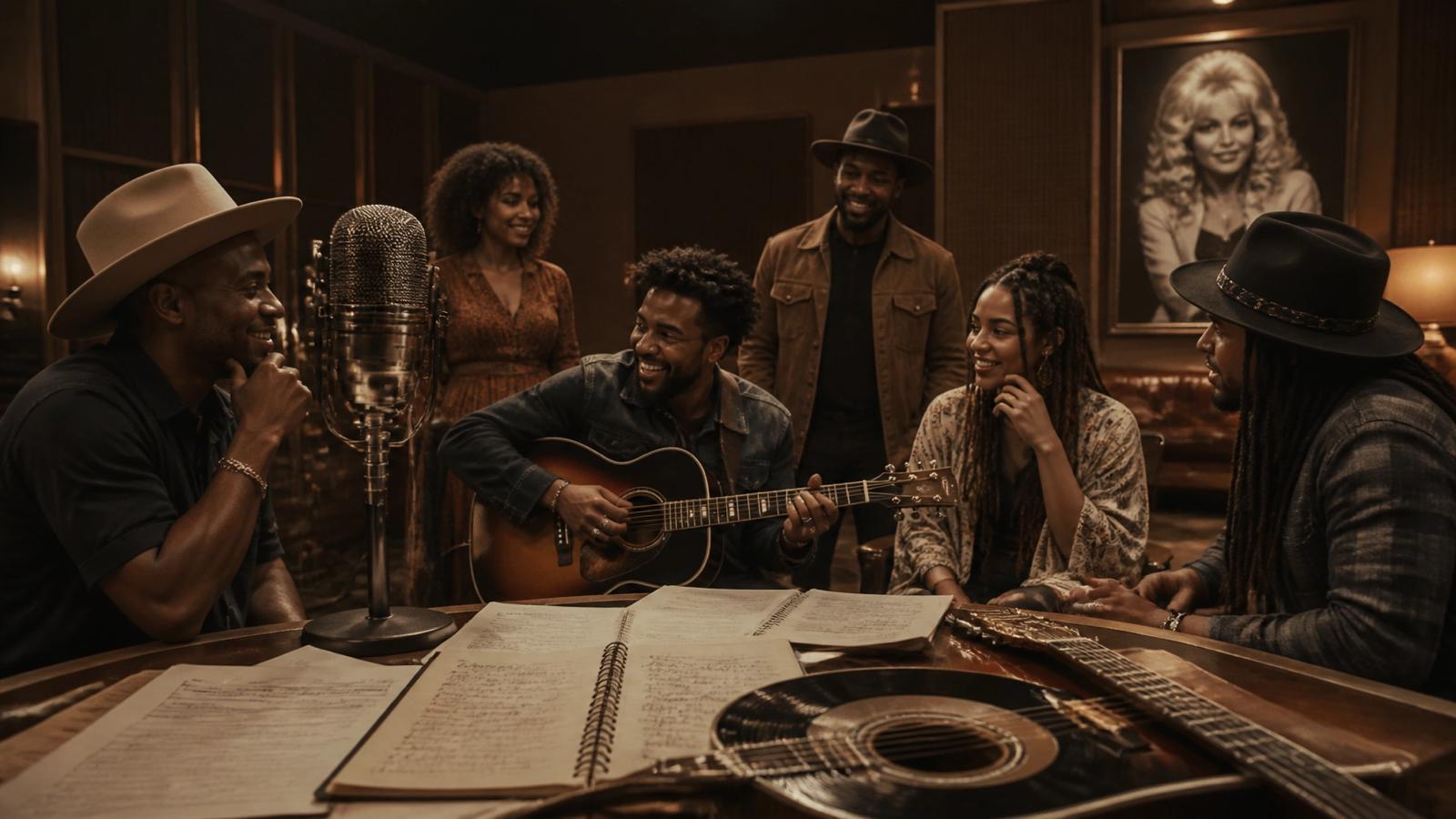
Country music has always been more complicated than the image sold to the public. Its central instruments and musical language carry deep African American influence. The banjo, now treated as an emblem of country and bluegrass, has roots in West African instruments such as the akonting. Black string band musicians performed across the American South before country music became a formal commercial category. Black artists also taught, influenced and worked alongside white musicians whose names later became central to country history.
DeFord Bailey was a major performer on the Grand Ole Opry in the 1920s and 1930s. Lesley Riddle influenced the Carter Family’s understanding of songs and guitar playing. Rufus “Tee Tot” Payne taught Hank Williams. These are not minor details in the background of country music. They are evidence that Black musicians helped shape the very foundation of the genre.
As the recording industry grew, however, business interests began to divide music according to race. Records marketed to white audiences were placed in the hillbilly category, while music associated with Black performers was placed in the race category. These labels were not neutral descriptions of sound. They were commercial tools built around segregation. A Black musician could play the same kind of guitar, sing about the same landscapes and draw from the same traditions as a white performer, yet be marketed to a different audience and denied the same path to success.
That history still matters because categories create markets, and markets create wealth. Genre labels influence radio play, festival bookings, press coverage, award eligibility, publishing opportunities and the likelihood that a record company will invest in an artist’s career. They also influence who is remembered. When country music is presented as an essentially white tradition, Black participation becomes an exception instead of part of the central story.
This is where Dolly Parton’s relationship with Black artists became especially worth examining. Her public warmth and willingness to collaborate helped make certain boundaries more visible. She showed that country music could speak across communities, and her career made space for conversations about music that the industry once tried to keep separate. That mattered. It did not solve the deeper structural barriers, but it helped some listeners imagine a wider and more generous musical world.
The relationship between Dolly Parton and Whitney Houston revealed the economic side of this exchange with unusual clarity. Parton wrote “I Will Always Love You” in 1972, and her own recordings established it as a successful country song. In 1992, Houston recorded it for the film The Bodyguard. Her performance transformed the composition into a global pop standard and introduced it to audiences who may never have encountered Parton’s original.
Houston’s version also created significant value for Parton as the owner of the composition. It is important to be precise here. Parton earned songwriting and publishing royalties connected to the song. That is different from owning Houston’s sound recording. The distinction matters because intellectual property is often where cultural appreciation becomes measurable income.
NPR reported that Parton used some of the royalties associated with Houston’s version to purchase an office complex in a predominantly Black Nashville neighbourhood. Parton described it as “the house that Whitney built,” framing the property as a tribute to Houston and a way of placing money into a community connected to the singer.
That decision should not be reduced to a sentimental anecdote. It raises a serious question about how money generated through Black creativity moves through the music business. Houston’s voice made the song an international phenomenon, while Parton, as the songwriter, held the legal claim that generated publishing income. Parton’s choice to invest some of that income in a Black area of Nashville did not undo the inequality built into the industry, but it did show how ownership could redirect value in thoughtful and tangible ways.
The larger lesson is not that Black artists need generous gestures from white stars. It is that artists need to understand and control the rights attached to their work. Publishing, masters, licensing, touring and merchandising are not technical details. They determine whether a creative breakthrough creates lasting wealth or simply produces short term visibility for everyone except the person whose labour made the moment possible.
Dolly’s connection with Beyoncé offered another important example. When Beyoncé entered the country conversation through “Daddy Lessons” and later released Cowboy Carter, she challenged the assumption that a Black woman needed permission to participate in a genre shaped by Black musical traditions. The response to her work showed how quickly questions of belonging appeared when a Black artist moved into a space marketed as white.
Parton publicly celebrated Beyoncé’s country success and appeared on the spoken introduction “Dolly P” before Beyoncé’s reimagining of “Jolene.” Beyoncé did not simply reproduce the original song. She placed it inside her own artistic world, with a more assertive narrator and a different emotional atmosphere. The collaboration created a moment of mutual recognition, but it also revealed the power of the cosign. When a respected white country figure welcomed a Black artist, that welcome could help some audiences listen differently. At the same time, the need for that welcome showed how much authority the industry had historically placed in white hands.
Beyoncé’s project was not valuable because Dolly made it legitimate. It was valuable because Beyoncé brought her own history, musicianship and cultural argument to country music. Her work connected country to blues, gospel, soul, rock, hip hop and the Black performance traditions that have always been present in American music. Dolly’s participation added another layer to that conversation, but it did not begin it.
Parton’s recorded work with Ladysmith Black Mambazo also reflected the possibilities and complications of musical exchange. On “Peace Train,” the South African vocal group’s harmonies meet Parton’s country and pop sensibility. The collaboration connects American songwriting to the Zulu isicathamiya tradition and reminds listeners that the boundaries of American music have never been as fixed as the marketing categories suggest.
But collaboration must be considered alongside credit and compensation. Who is named prominently? Who owns the recording? How are the writers credited? Who controls future licensing? Which artist gains new audiences and which artist remains defined by an established star’s platform? These questions do not make collaboration less meaningful. They make it more honest.
Black artists have been asking these questions through their work for generations. Charley Pride became country music’s first major Black star, but his success did not open the industry to Black artists on equal terms. Linda Martell reached the country charts and performed at the Grand Ole Opry, only to face racism, threats and a recording industry that offered little sustained support. Tina Turner recorded a country album early in her solo career. The Pointer Sisters brought country songs to Black audiences and Black performance traditions into country spaces.
Today, artists such as Rissi Palmer, Mickey Guyton, Miko Marks, Chapel Hart, Allison Russell, Rhiannon Giddens and many others continue to insist that Black presence in country music is not a trend. It is history made visible. Their work is part of a broader reclaiming of space, one that includes Black country fans, independent radio, new festivals, community platforms and artists who refuse to be confined to the categories created for them.
The industry has changed in some ways, but visibility alone is not enough. An artist can appear on a major stage and still lack ownership of the music that brought them there. A Black woman can be praised for bringing freshness to country while being told what she may sing about, how she should look or which parts of her identity are commercially acceptable. A label can celebrate diversity in its publicity while retaining control of the publishing, the masters and the decisions that shape an artist’s future.
This is why Dolly Parton’s impact should be discussed with both appreciation and clarity. Her openness helped challenge certain cultural boundaries. Her relationship with Whitney Houston demonstrated a meaningful act of reinvestment. Her collaboration with Beyoncé showed the symbolic force of artists meeting across genre and race. Her work with Ladysmith Black Mambazo reflected the richness of musical exchange across continents. She brought generosity, skill and real business intelligence to her place in American music, and those qualities helped open doors that others could walk through with greater confidence.
The future of country music, however, cannot rest on individual kindness alone. It requires structural change. Black artists need access to capital before they become profitable. They need fair recording contracts, transparent royalty systems, publishing control, ownership of their masters and meaningful representation in executive rooms. They need radio programmers, festival organisers, award institutions and streaming platforms to understand that inclusion is not fulfilled by adding one artist to a playlist.
Black creativity has helped build the sound, language and emotional reach of American music. The question is no longer whether Black artists belong in country music. They have always belonged. The more hopeful and necessary question is whether the institutions that profit from their creativity are ready to share power, expand opportunity and support lasting wealth creation.
Applause matters. Visibility matters. A public welcome from an established star can matter. But Black artists deserve more than symbolic acceptance. They deserve ownership, investment, decision making power and a fair share of the value their creativity generates. The most meaningful way to honour the cultural exchange that artists like Dolly Parton made more visible is to help build an industry where Black talent is not only celebrated, but fully resourced, protected and empowered.
Dolly Parton’s legacy lives in the songs she wrote, the artists she embraced and the possibilities she helped make visible. May her passing remind us that music can connect people across history and borders, and may the future honour that connection through greater fairness, ownership and opportunity for Black artists. The work is already continuing in the hands of artists, audiences and communities who know this music’s roots and believe in its wider future. Rest in peace, Dolly Parton. Your voice travelled far, and the love you gave will continue to travel further.
- Alzheimer’s the Black doctor who helped decode the disease
 🧠✨ Celebrating an Unsung Hero! Dive into the captivating journey of Dr. Solomon Fuller, a pioneer in Alzheimer's research and a standout figure in Black history. From his roots in Liberia to groundbreaking discoveries, discover the legacy of a medical trailblazer who defied adversity. 🌟
 - The Voice of the Child, Young Person and; Service User
 Whose voices are we really hearing? And what happens when we truly listen? The 3rd DARDR/DVA & Criminal Justice Summit 2026 will bring together professionals, practitioners, community organisations, academics and people with lived experience to place children, young people and service users at the heart of the conversation. Under the theme “The Voice of the Child, Young Person & Service User,” this year’s Summit will explore domestic abuse, violence, safeguarding, exploitation, trauma and criminal justice — but most importantly, how listening can move beyond consultation and become meaningful action. 📅 Friday 27 November 2026 📍 Brent Civic Centre, Wembley 💻 Hybrid Event | CPD Accredited Read more about the Summit, the conversations it will explore and how to book your place.
 - The Crown in the Ledger: What Finding Britain’s Slave Traders Asked Us to Face
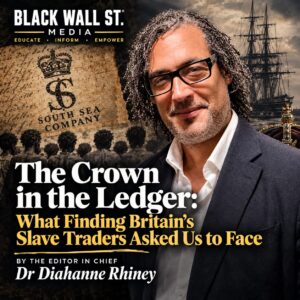 What happens when Britain’s history is no longer told through monuments, wealth and institutions, but through the ledger behind them? Finding Britain’s Slave Traders with David Olusoga brings names, companies, royal connections and fortunes into focus, forcing us to confront how deeply the transatlantic slave trade was embedded in British society. In “The Crown in the Ledger,” we explore what these records reveal about wealth, power, responsibility and the legacy that remains today. Read the full article and ask yourself: who owns what, who benefited, and what does honest accounting look like?
 - Is ‘Othello’ relevant today?
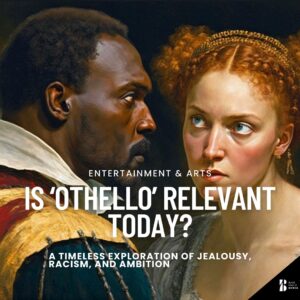 Othello: A Timeless Exploration of Jealousy, Racism, and Ambition
 - A life lived beyond the limits of representation
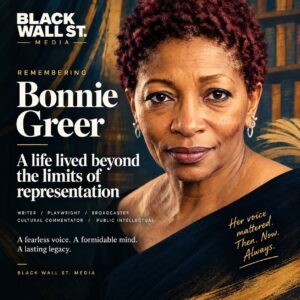 Bonnie Greer was never simply a writer, playwright or broadcaster. She was a cultural force who refused to be confined by the expectations placed on Black women in public life. From Chicago to Britain, from theatre and literature to television and institutional leadership, she built a life defined by intellect, independence and an unapologetic right to occupy space. As Britain remembers her following her death at 77, this article looks beyond the achievements and asks what her life represented: the power of cultural authority, the importance of institutional access, and the freedom to be fully human rather than simply inspirational.



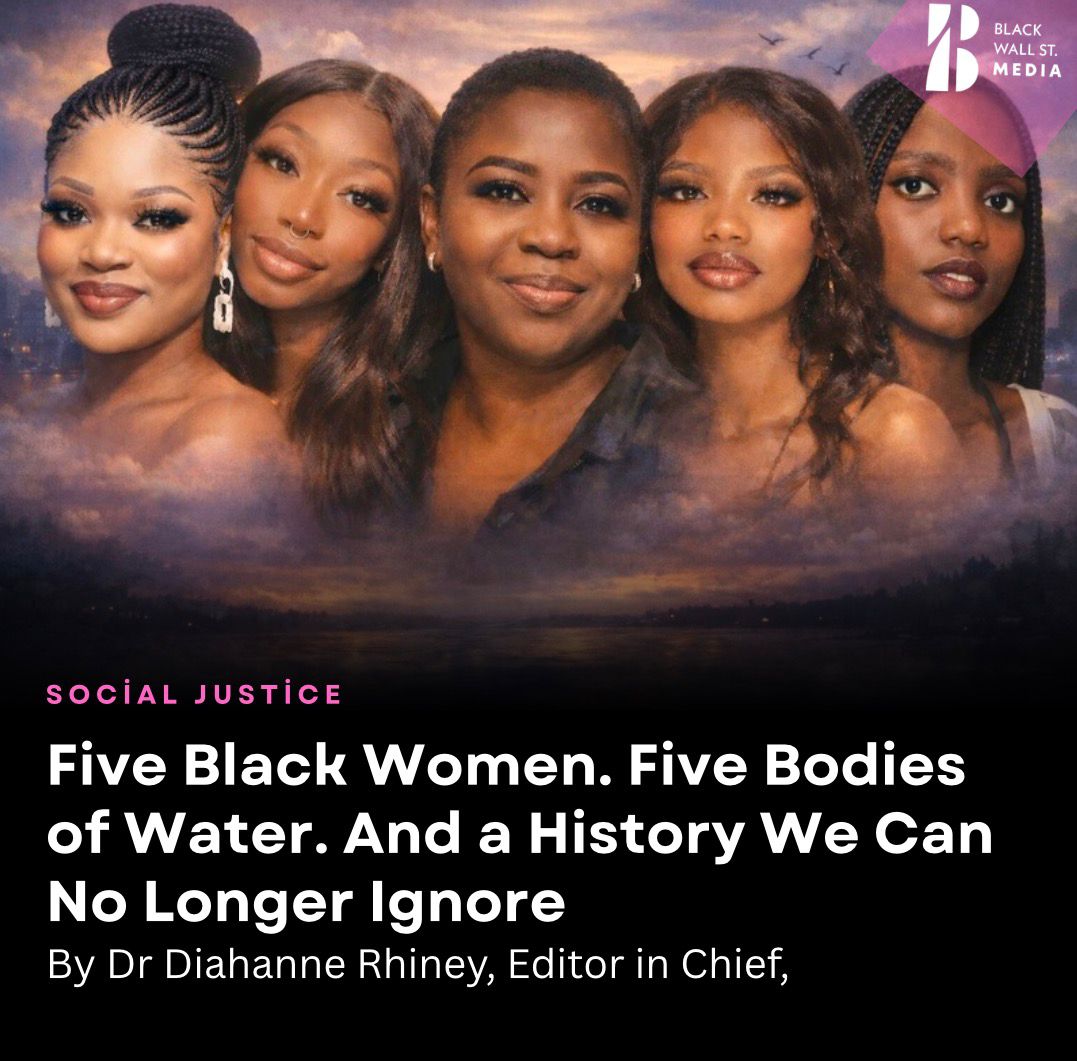
Five Black Women. Five Bodies of Water. And a History We Can No Longer Ignore
Read More
Mother’s Day and the Quiet Legacy of Our Mothers
Read More
Editor’s Letter March 2026
Read More
Locked Out of the Purse Strings
Read More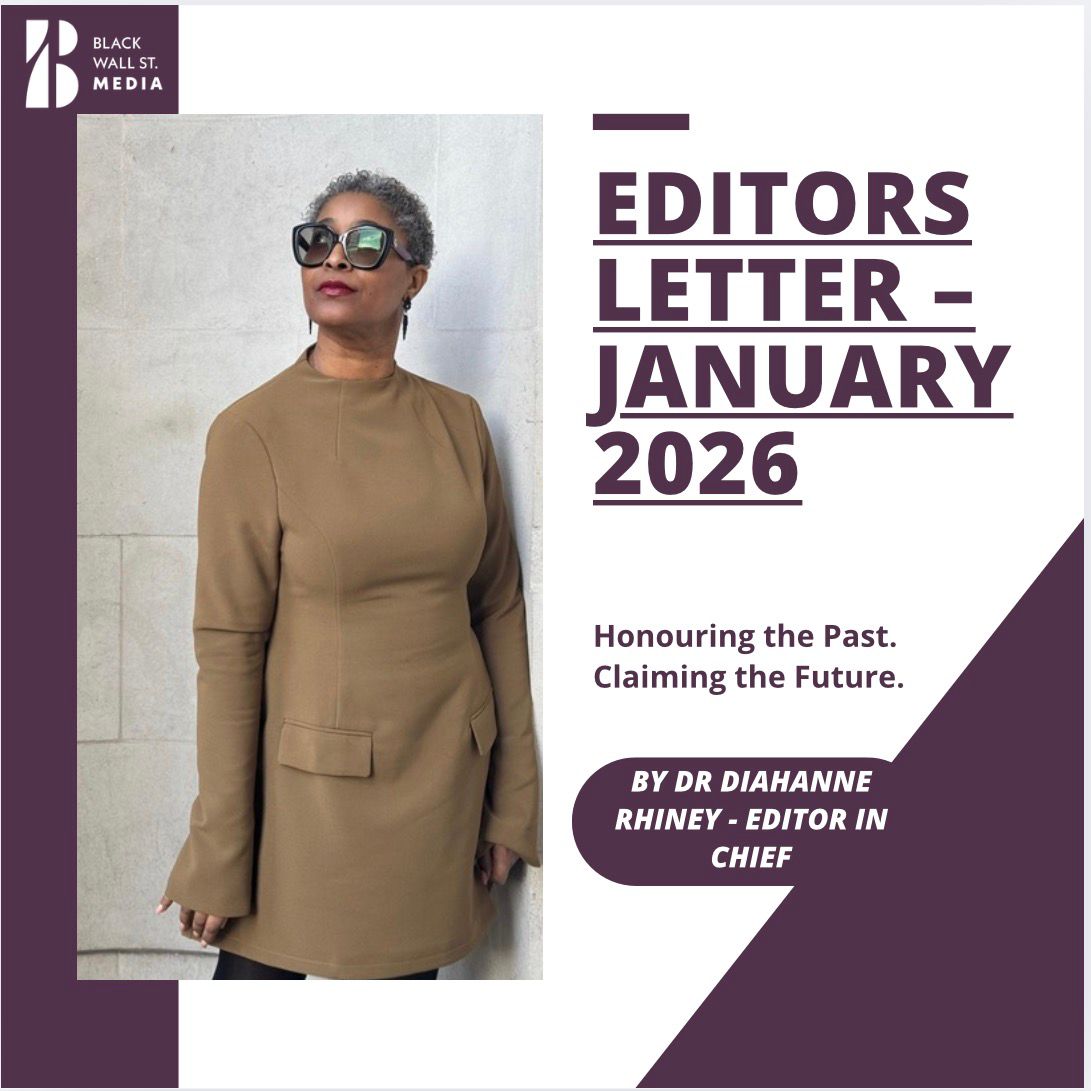
Editors Letter – January 2026
Read More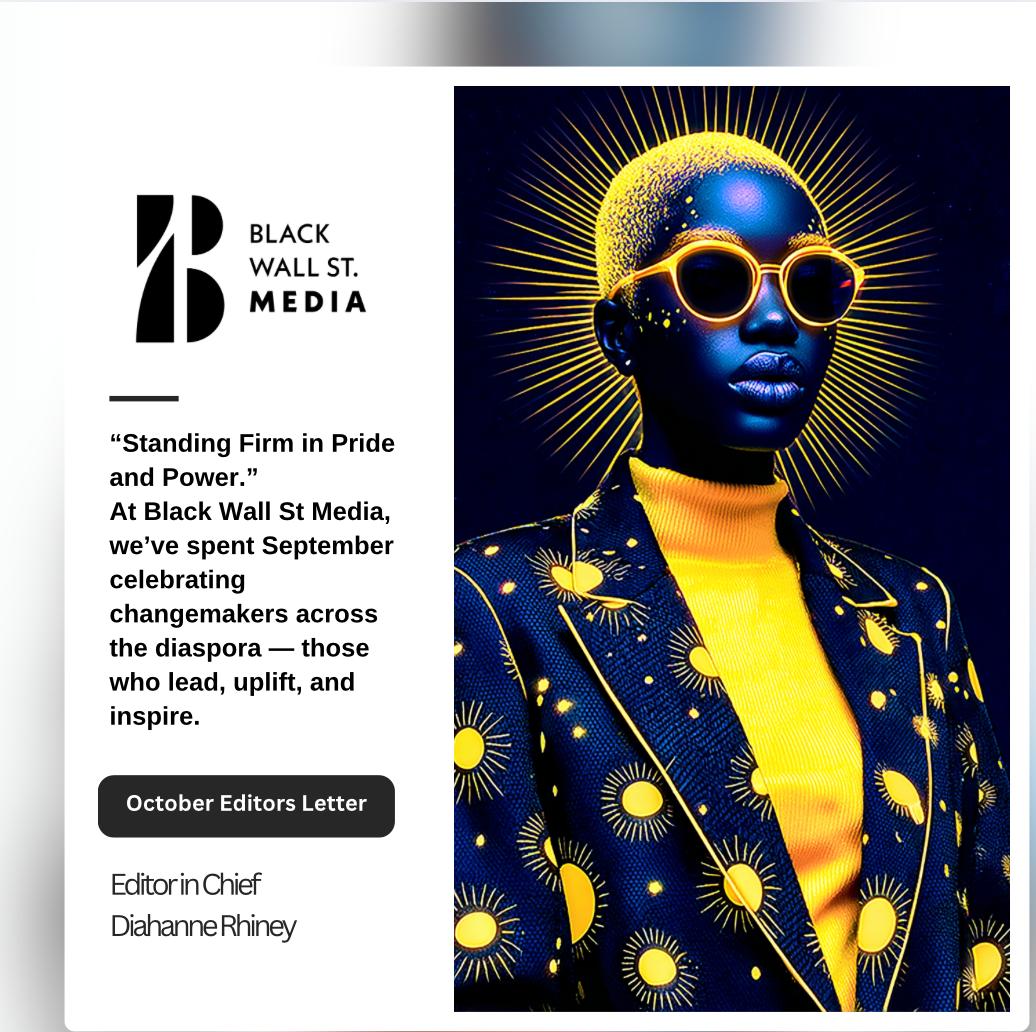
Editors Letter – October 2025
Read More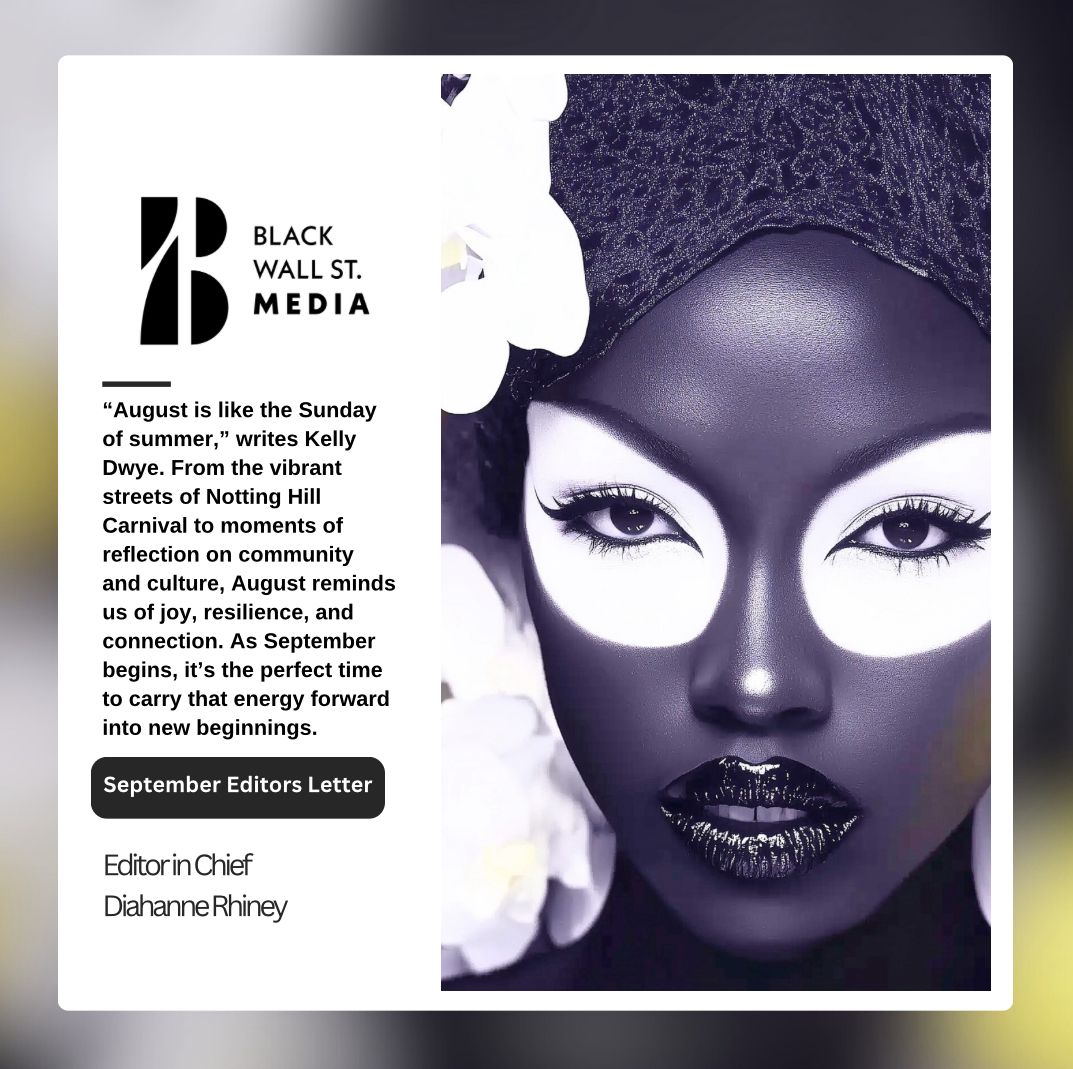
Editors Letter – September 2025
Read More
Editors Letter – August 2025
Read More
Editors Letter – July 2025
Read More