
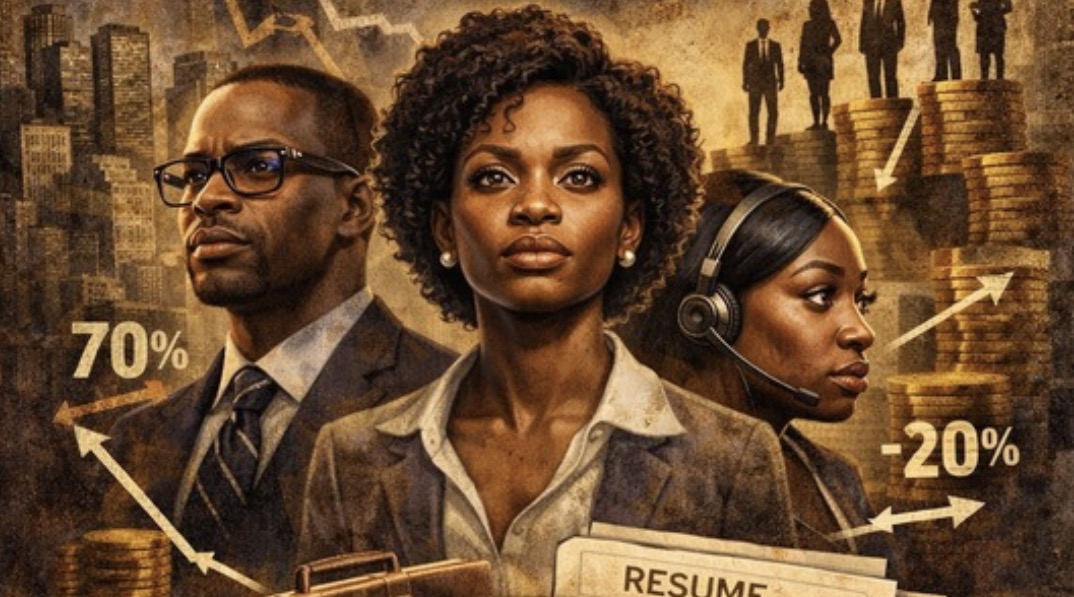
Editors Letter – April 2026
We are overqualified and underpaid. Let’s talk about it.
“We need to talk about the truth behind being overqualified and underpaid.
As we step into a new financial year, the same uncomfortable question keeps resurfacing: Who really benefits from our labour and at what cost?
From pay gaps to invisible work, from limited representation to the constant pressure to prove ourselves, the economics of being Black is lived every day.This month’s Editor’s Letter breaks it down with honesty, evidence, and urgency.
Dr Diahanne RhineyEditor in Chief
Read on, because naming the truth is the first step to changing it.”
We are overqualified and underpaid. Let’s talk about it.
April arrives with the language of renewal. A new financial year. New targets. New projections. New expectations. Yet as we closed out March, one question continued to surface across our coverage at Black Wall St Media. Who benefits from our labour, and at what cost?
The economics of being Black is not abstract. It is lived. It is calculated daily in salaries, in opportunities missed, in unpaid contributions, and in the quiet negotiations many of us make just to be seen as credible.
In March, our coverage did not shy away from this.
In our feature on redefining wealth beyond hustle culture, we challenged the idea that relentless productivity is the only pathway to success. The response from readers was telling. Many recognised themselves in the cycle of overwork without proportional reward. The reality is clear. Hard work is not the issue. The conditions under which that work is valued is.
We also examined the ongoing scrutiny of Black professionals and public figures, from sport to corporate spaces. What emerged was a pattern that is difficult to ignore. Confidence is often reframed as arrogance. Authority is softened to be acceptable. Expression is monitored. These are not cultural quirks. They are economic constraints. Because how you are perceived shapes how you are paid, how you are promoted and how you are protected.
Across the UK, as we enter a new financial year, the data continues to reflect this imbalance. Pay gaps persist. Representation at senior levels remains limited. And across the diaspora, from the United States to Europe and the Caribbean, the pattern repeats. High qualification. High output. Lower reward.
Overqualified is not an opinion. It is evidence.
March also forced us to interrogate the rise of entrepreneurship within Black communities. It is often framed as empowerment, and in many ways it is. We continue to build, create and innovate, often without the safety nets afforded to others. But our coverage asked a more difficult question. When entrepreneurship becomes the primary route because traditional systems exclude, is that freedom or adaptation?
Without access to capital, without equitable networks, without structural support, entrepreneurship risks becoming survival rather than strategy. Ownership matters. But ownership without infrastructure is exposed.
One of the most resonant pieces of the month centred on invisible labour, particularly for Black women. The responses were immediate and deeply personal. From mentoring colleagues without recognition to carrying the emotional weight of diversity work within organisations, this labour remains largely undocumented and uncompensated. Yet it is foundational to how many institutions function.
This is not generosity. It is expectation.
And expectation, when left unchallenged, becomes exploitation.
We also returned to the question of professionalism. What it means. Who defines it. And at what cost. Code switching is often spoken about as a skill. Something to be mastered. Something to be proud of. But we must be honest about what it is. It is labour. It requires constant adjustment, self monitoring and restraint. It is energy spent before the work even begins.
And like all labour, it should be acknowledged.
What March made clear is that conversations about wealth cannot be separated from conversations about identity. Economics is not neutral. It is shaped by history, by perception and by power.
As we step into April, the beginning of a new financial year in the UK, there will be renewed focus on growth, productivity and performance. But we must ask, growth for whom? Productivity for whose benefit? Performance measured against whose standard?
If we are consistently overqualified and underpaid, then the issue is not individual capability. It is structural design.
And structural design can be challenged.
At Black Wall St Media, our commitment remains to name these realities with clarity and without apology. Because until we are honest about the economics of being Black, we cannot meaningfully change it.


- Alzheimer’s the Black doctor who helped decode the disease
 🧠✨ Celebrating an Unsung Hero! Dive into the captivating journey of Dr. Solomon Fuller, a pioneer in Alzheimer's research and a standout figure in Black history. From his roots in Liberia to groundbreaking discoveries, discover the legacy of a medical trailblazer who defied adversity. 🌟
 - The Voice of the Child, Young Person and; Service User
 Whose voices are we really hearing? And what happens when we truly listen? The 3rd DARDR/DVA & Criminal Justice Summit 2026 will bring together professionals, practitioners, community organisations, academics and people with lived experience to place children, young people and service users at the heart of the conversation. Under the theme “The Voice of the Child, Young Person & Service User,” this year’s Summit will explore domestic abuse, violence, safeguarding, exploitation, trauma and criminal justice — but most importantly, how listening can move beyond consultation and become meaningful action. 📅 Friday 27 November 2026 📍 Brent Civic Centre, Wembley 💻 Hybrid Event | CPD Accredited Read more about the Summit, the conversations it will explore and how to book your place.
 - The Crown in the Ledger: What Finding Britain’s Slave Traders Asked Us to Face
 What happens when Britain’s history is no longer told through monuments, wealth and institutions, but through the ledger behind them? Finding Britain’s Slave Traders with David Olusoga brings names, companies, royal connections and fortunes into focus, forcing us to confront how deeply the transatlantic slave trade was embedded in British society. In “The Crown in the Ledger,” we explore what these records reveal about wealth, power, responsibility and the legacy that remains today. Read the full article and ask yourself: who owns what, who benefited, and what does honest accounting look like?
 - Is ‘Othello’ relevant today?
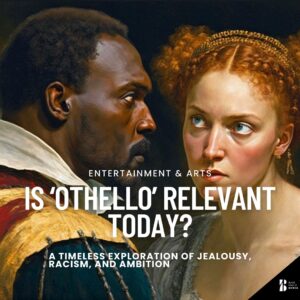 Othello: A Timeless Exploration of Jealousy, Racism, and Ambition
 - A life lived beyond the limits of representation
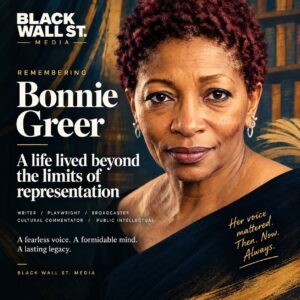 Bonnie Greer was never simply a writer, playwright or broadcaster. She was a cultural force who refused to be confined by the expectations placed on Black women in public life. From Chicago to Britain, from theatre and literature to television and institutional leadership, she built a life defined by intellect, independence and an unapologetic right to occupy space. As Britain remembers her following her death at 77, this article looks beyond the achievements and asks what her life represented: the power of cultural authority, the importance of institutional access, and the freedom to be fully human rather than simply inspirational.


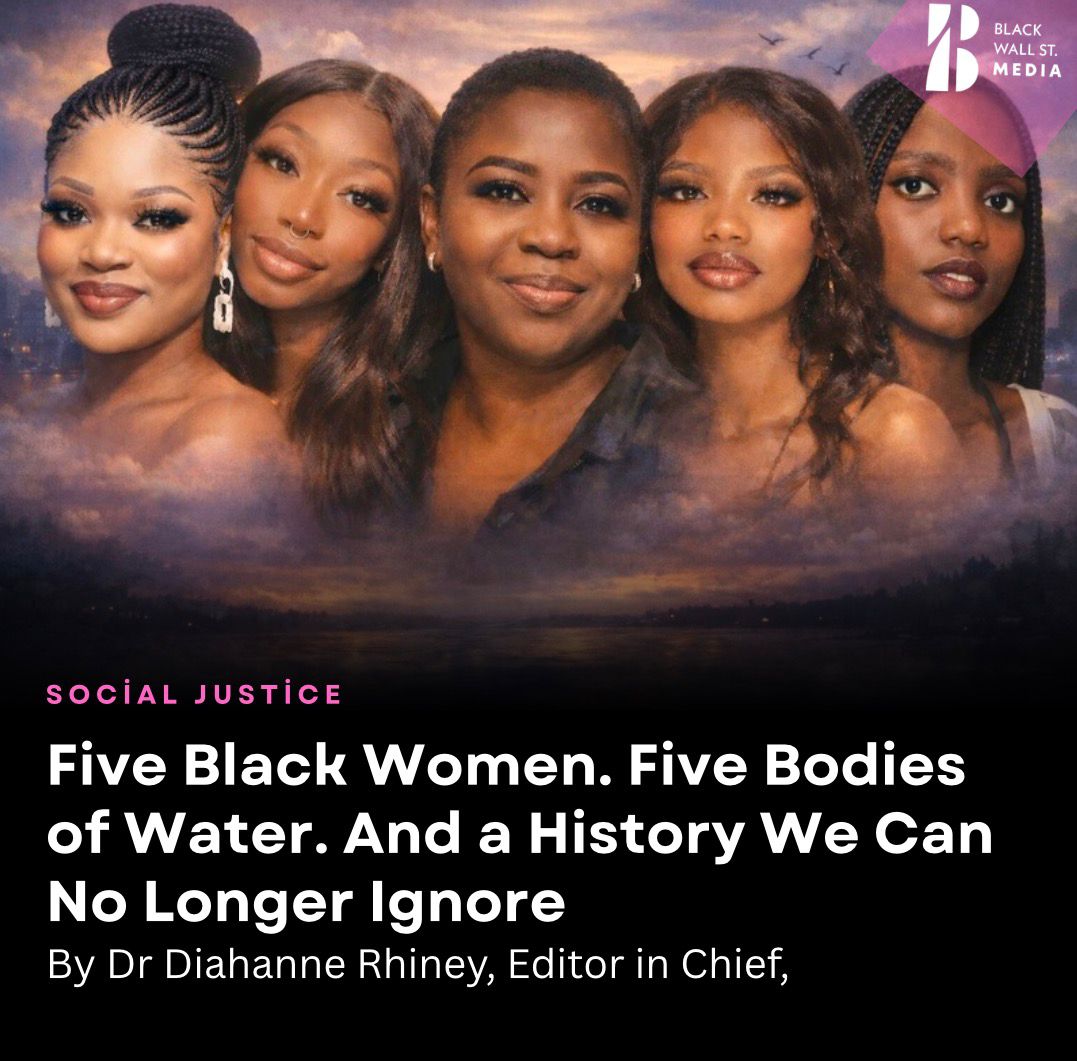
Five Black Women. Five Bodies of Water. And a History We Can No Longer Ignore
Read More
Mother’s Day and the Quiet Legacy of Our Mothers
Read More
Editor’s Letter March 2026
Read More
Locked Out of the Purse Strings
Read More
Editors Letter – January 2026
Read More
Editors Letter – October 2025
Read More
Editors Letter – September 2025
Read More
Editors Letter – August 2025
Read More
Editors Letter – July 2025
Read More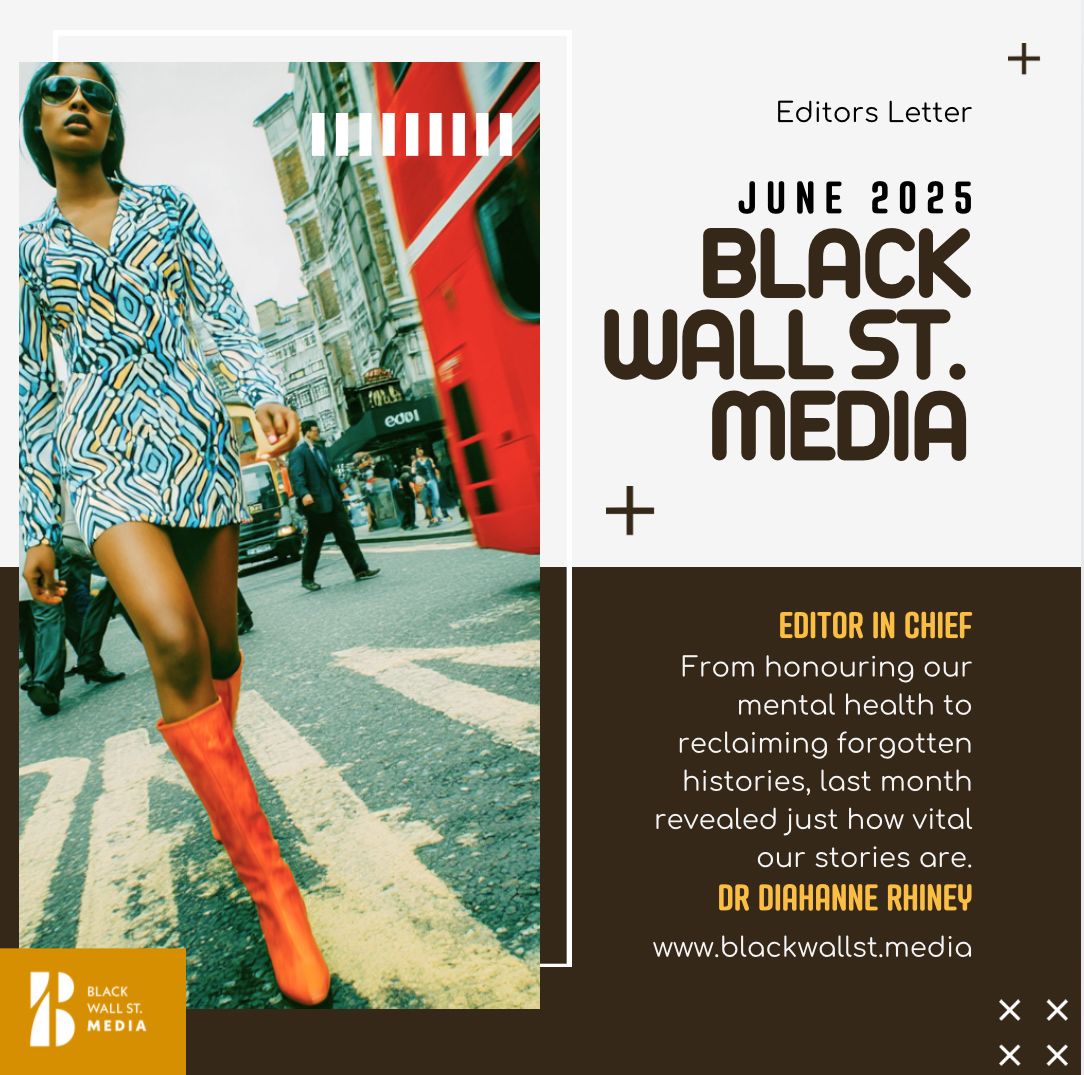
Editors Letter – June 2025
Read More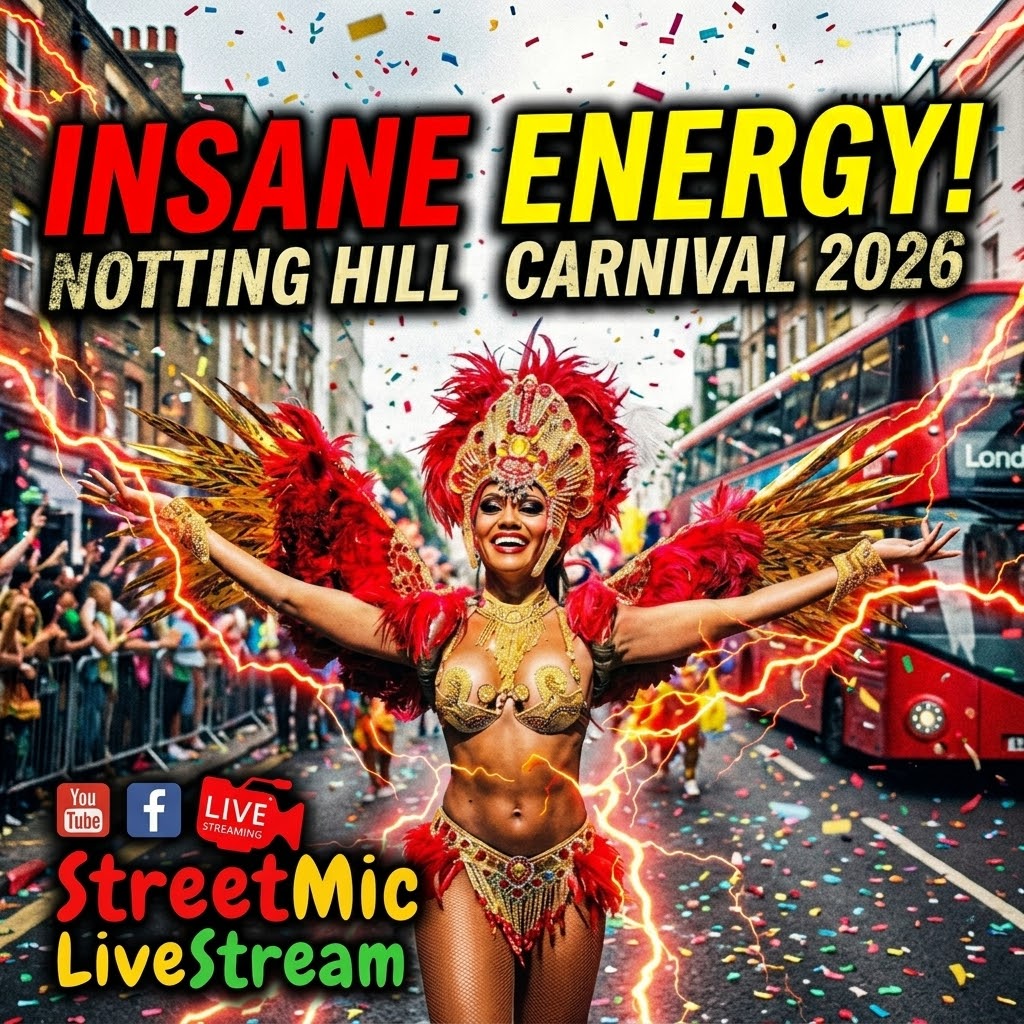
INSANE ENERGY INCOMING!
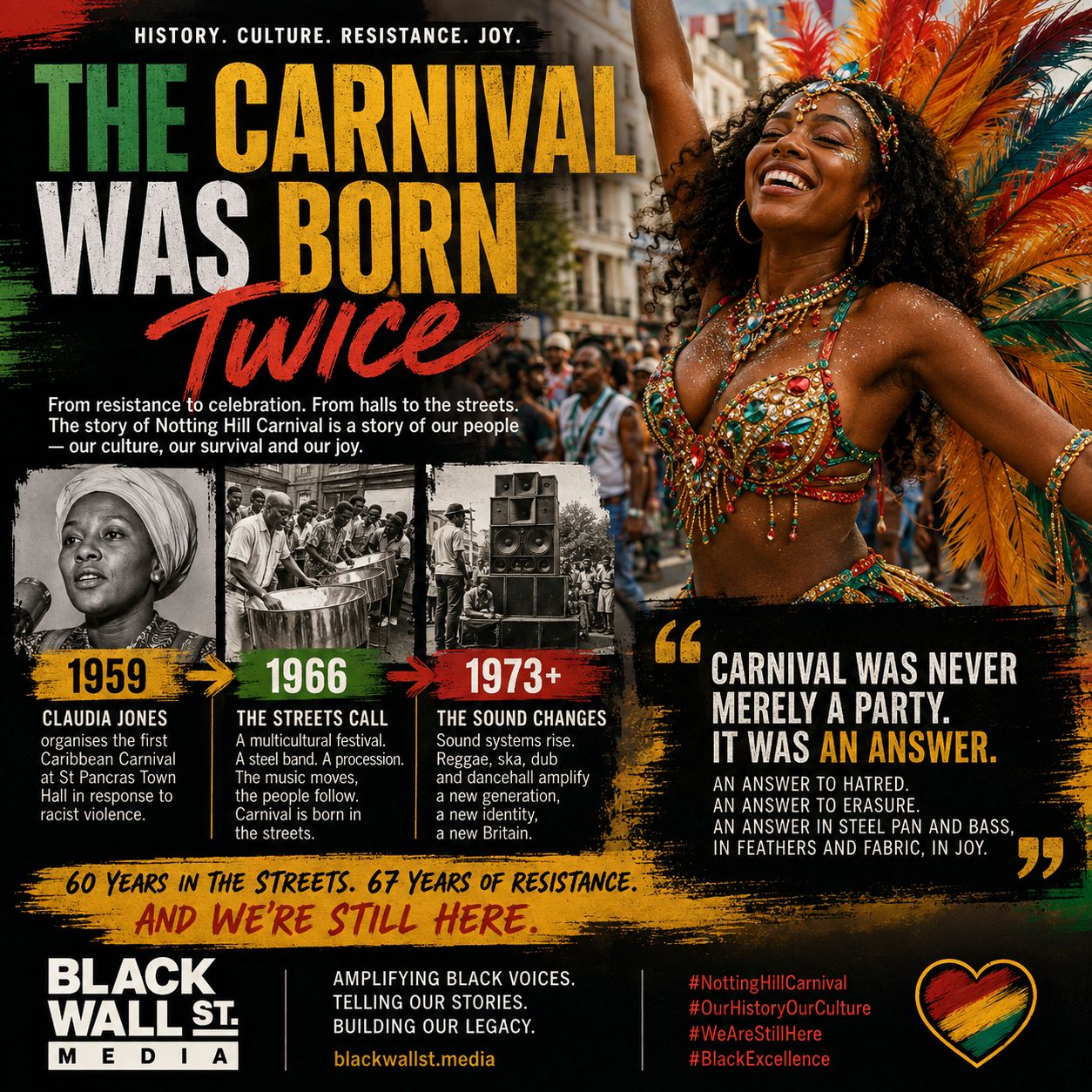
The Carnival Was Born Twice
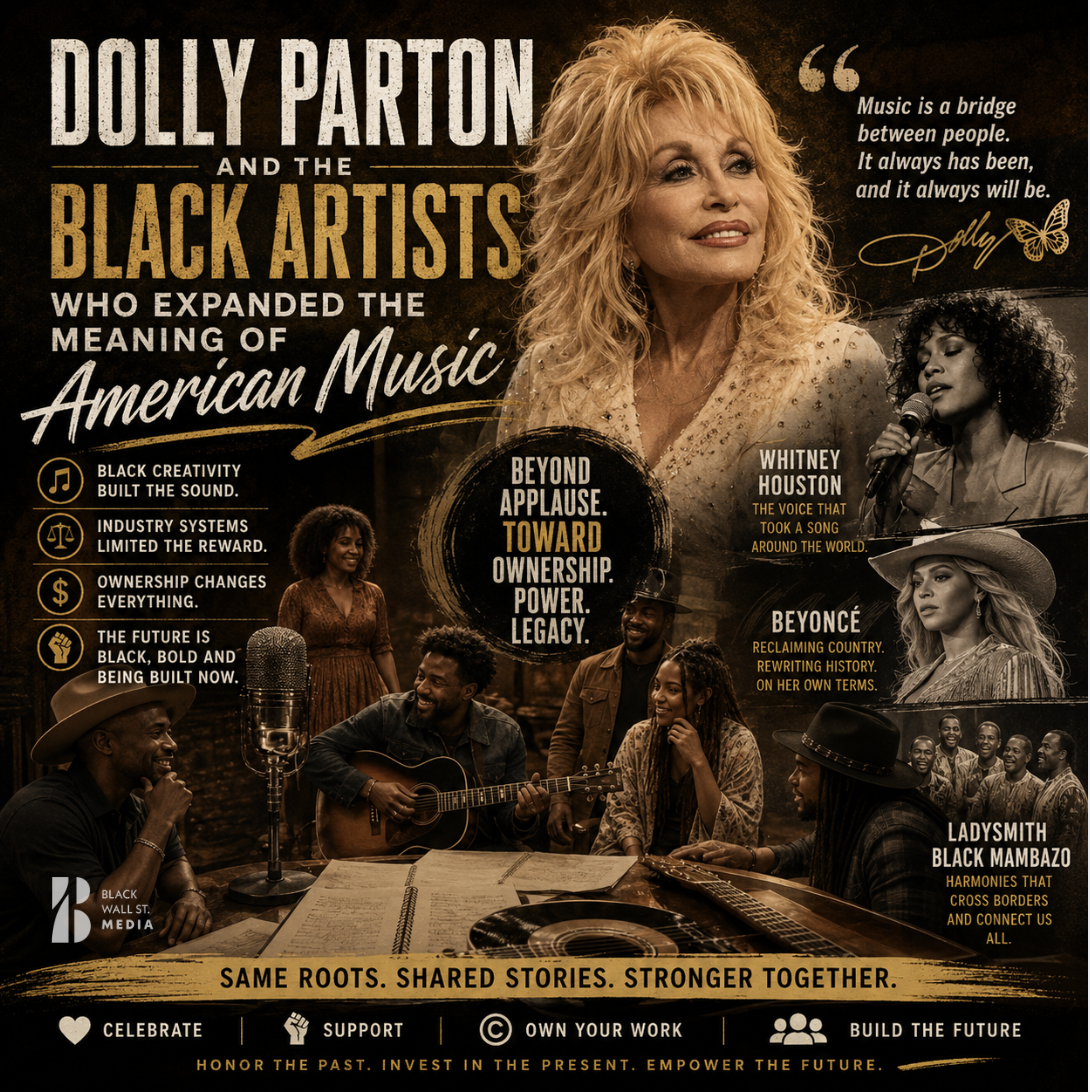
Dolly Parton and the Black Artists Who Expanded the Meaning of American Music
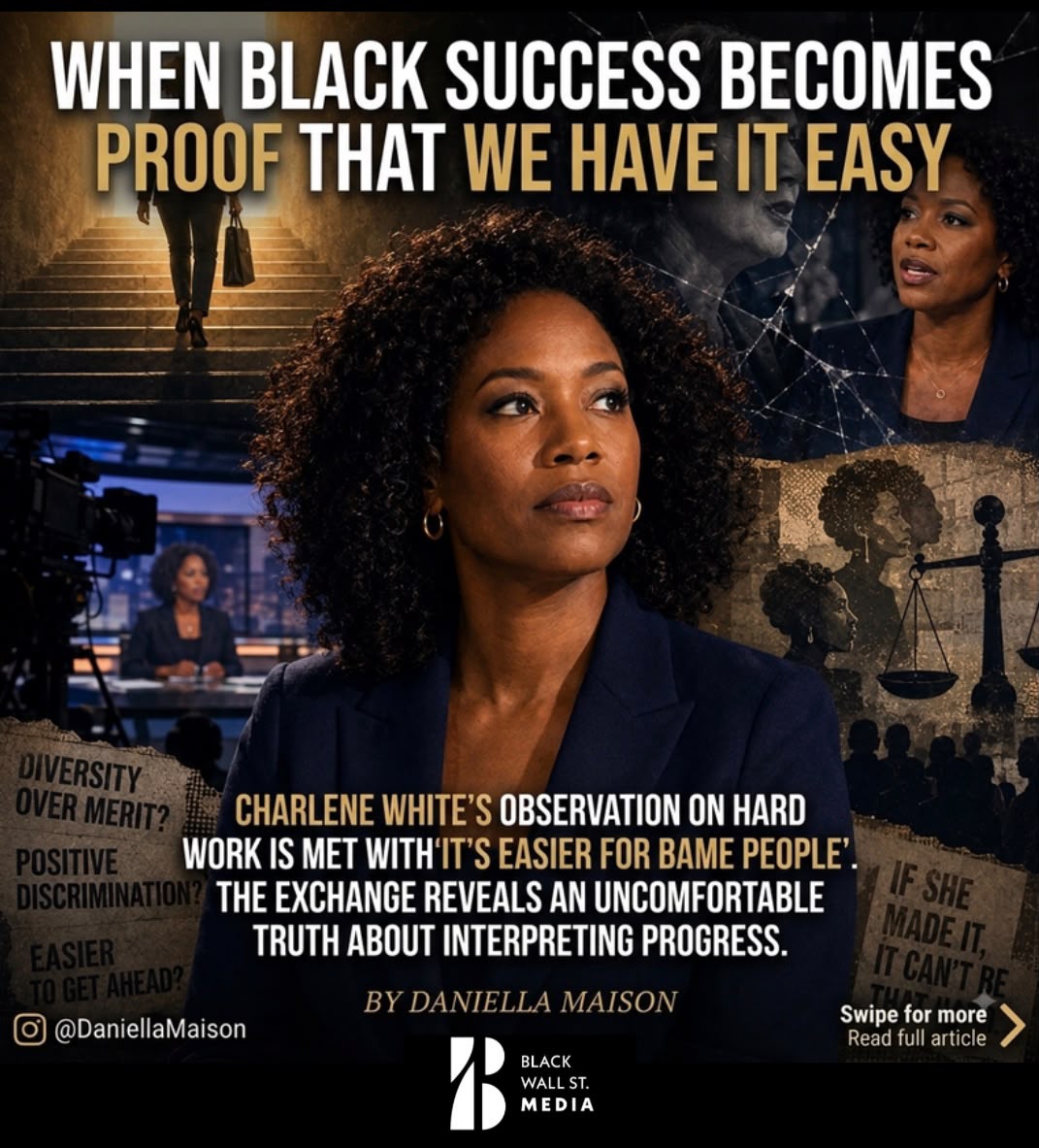
When Black Success Becomes Proof That We Have It Easy
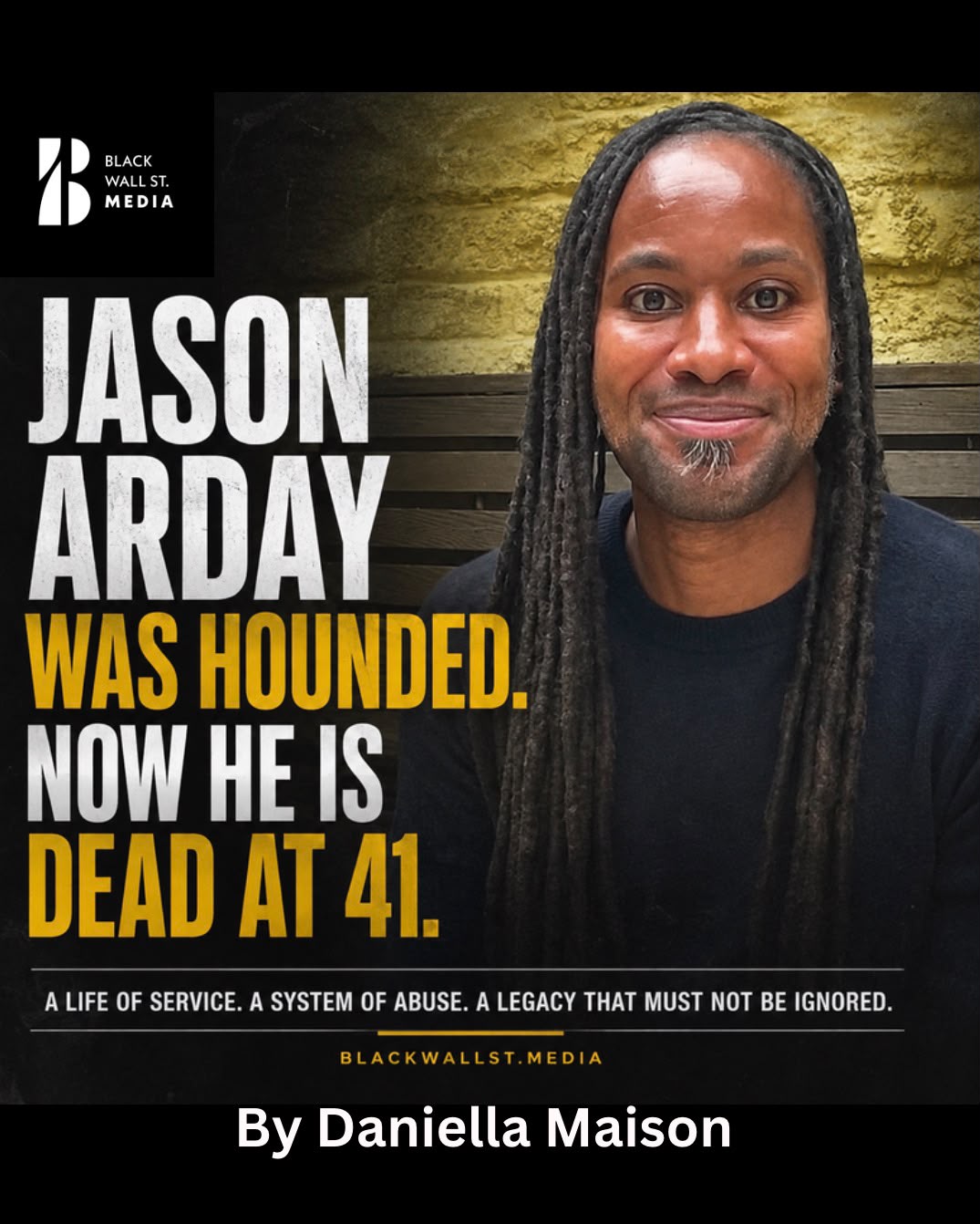
Jason Arday Was Hounded. Now He Is Dead at 41
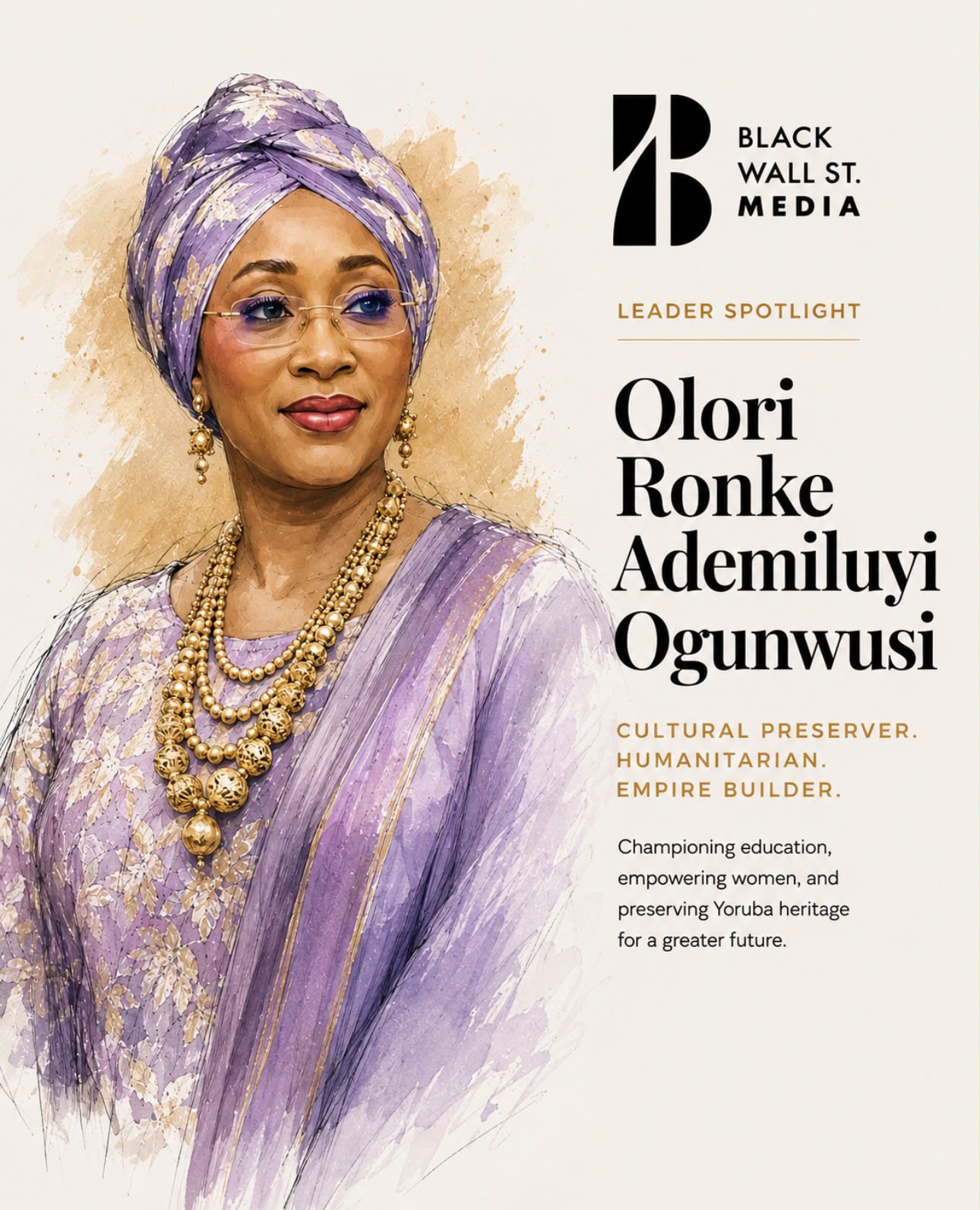
Beyond the Catwalk: How Olori Ronke Ademiluyi Ogunwusi Built an Economic Engine for African Fashion

African Fashion Week London Returns: Where Heritage Meets the Future of Fashion
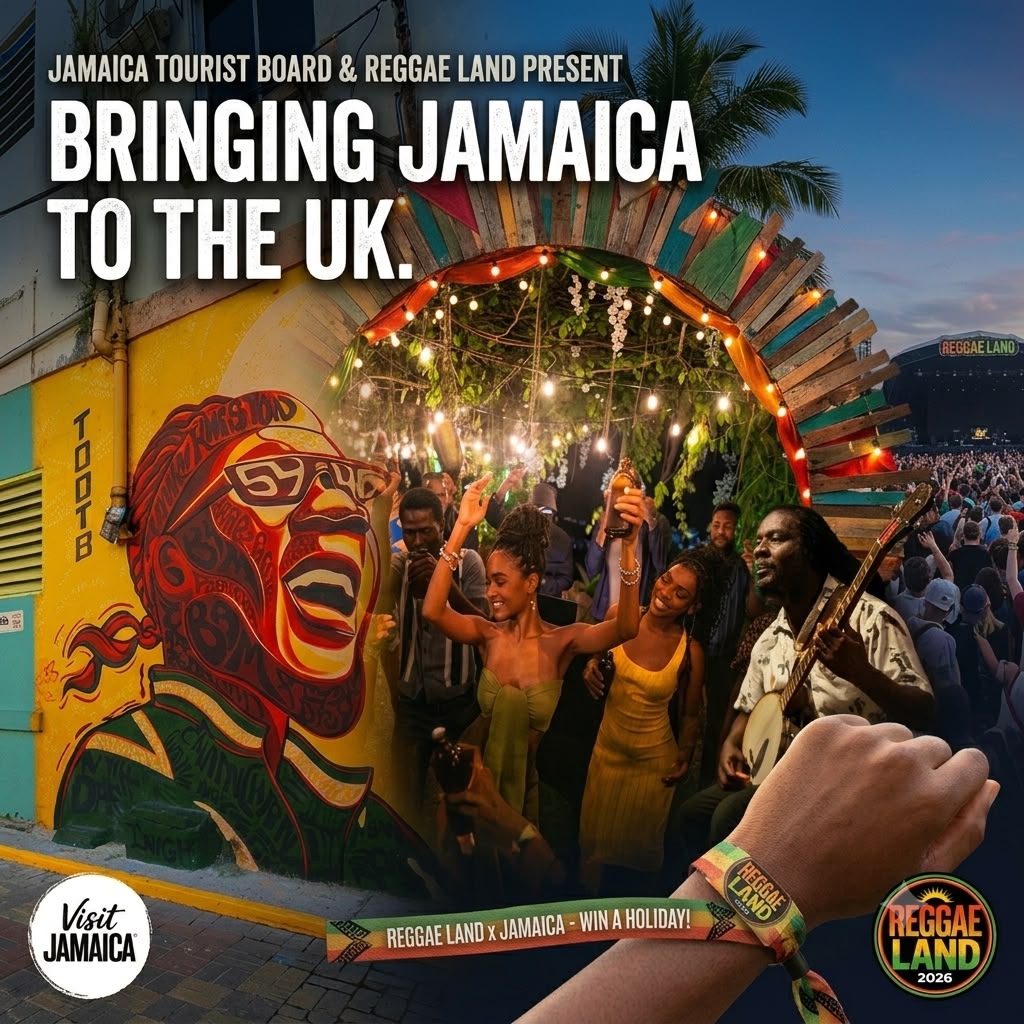
Jamaica Tourist Board Partners with Reggae Land Bringing Jamaica to the UK’s Biggest Reggae Festival
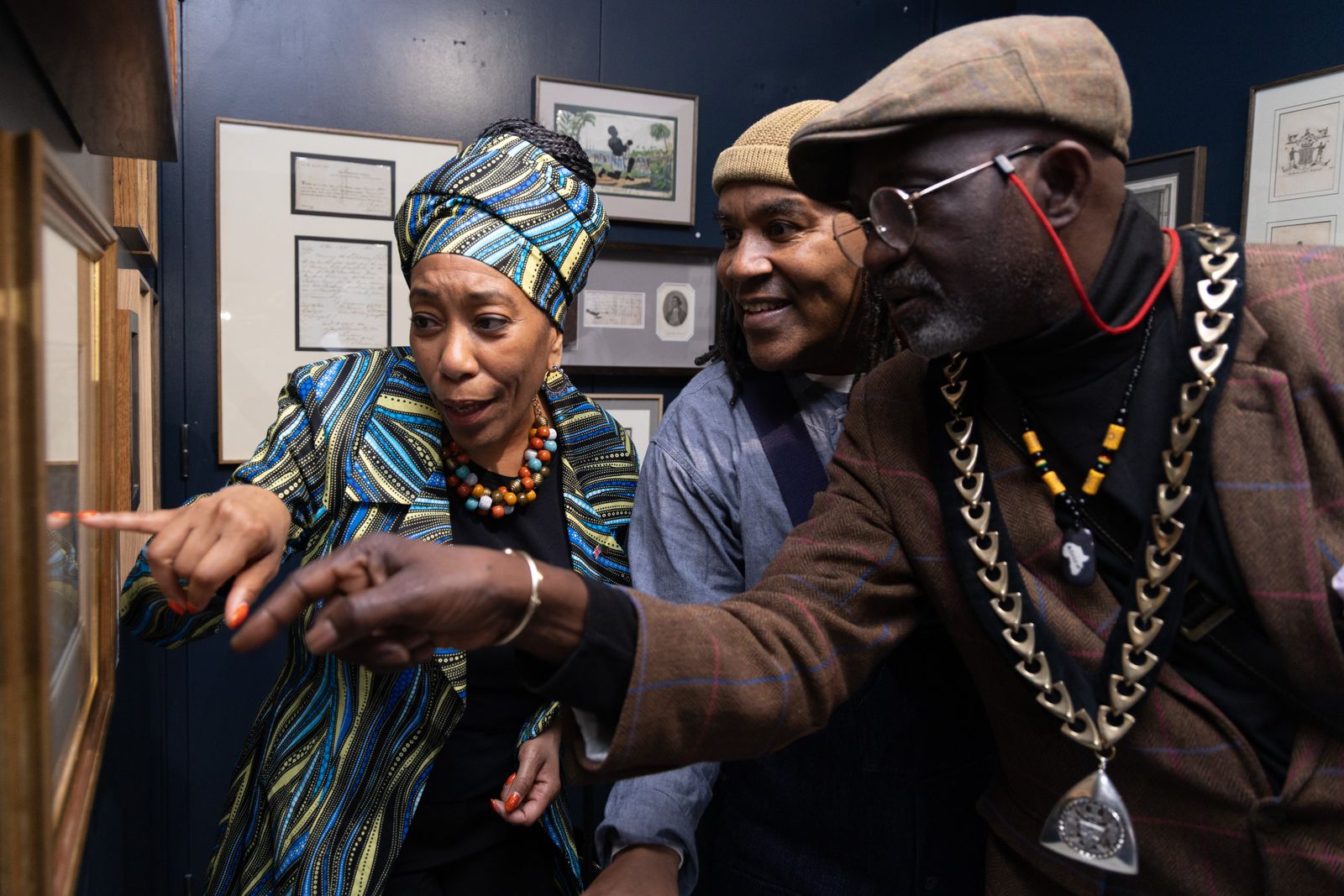
The Africa Centre’s 60th Anniversary Exhibition: a landmark celebration of history, presence and legacy

