
Behavioural Finance
The Hidden Tax of Being Black at Work
“In her latest piece as Behavioural Finance Editor for Black Wall St. Media, Krystle McGilvery explores how professionals can begin to recognise these hidden costs and, more importantly, how to push back against them. Her article outlines practical strategies to build leverage, extract real value from workplace opportunities, and develop the kind of exit power that ensures you are never trapped in a role that diminishes your worth.
Krystle McGilveryBehavioural Finance Editor
Read the full article”
Have you experienced this? You’re winning; you’ve got the new job, you’ve secured a higher salary, and it’s a more senior role, but not too long after, you notice the cracks.
You’re not included in new opportunities, left out of important emails, and the promotions never seem to reach your desk… Being Black at work comes with a hidden tax that is not discussed during the hiring process.
That is the emotional, performance and financial cost of navigating spaces not designed with us in mind.

The Tax No One Puts on Your Payslip
We enter the workplace understanding we may need to work twice as hard – not yet aware that strategic, smarter working is what is needed – and experience burnout, stress and overwhelm as a result. You may have watched inexperienced colleagues and those who started after us get promoted first.
An experienced ex-investment manager shared:
“When I worked in asset management, my role involved implementing investment decisions across portfolios. I knew I wanted to move into the client-facing side of the business; it suited my skills and interests. But I noticed that since joining the organisation, I had never seen a Black person working in that department. Even though I knew I could succeed there, I didn’t apply to move across. I already anticipated the reaction I might get for even trying.”
Thirty-one percent of Black employees report being overlooked for a promotion compared to 23% of white employees – often told they’re simply “not yet ready”. Our wins are not recognised: Black employees are 35% more likely to receive a standard performance rating than white colleagues (46% compared to 34%). It’s taxing, frustrating and exhausting.
We are forced to navigate work through the eyes of where we must look at ourselves through the eyes of the white man, often through prejudicial, devaluing lenses, and our own, hyperaware of how we will be perceived and the truth that is us.
This shows up as code-switching, tone policing and undercrediting our wins, to name a few. This isn’t just emotional, it’s neurological.
Research on scarcity shows that when we operate under constant threat or evaluation, our cognitive bandwidth narrows. We focus on immediate survival, not long-term leverage. The hidden tax isn’t a weakness; it’s an adaptation. But long-term adaptation without a strategy becomes depletion.
The Emotional Cost Becomes a Financial Cost
This emotional toll doesn’t stay in your head, it shows up in your finances too. When we operate under chronic threat, pressure or constant evaluation, our mental “bandwidth” – the cognitive capacity needed for planning, future thinking and complex decision-making – becomes constrained.
This narrows our focus to those immediate stressors and urgent problems while reducing the capacity to plan for longer-term goals like negotiation, strategic risk-taking and asset building.
As a result, we stay too long in draining roles, under-negotiate equity, avoid career risks out of insecurity, overlook employer benefits that could serve us and invest more in protecting our identity at work than in building external assets. In this way, the emotional cost becomes a financial cost.
Reduce the Hidden Tax
We do not have to accept the hidden tax. We can capitalise on the opportunities before us and strategically build wealth and power.
Build Leverage
Leverage means capitalising on the resources we have access to, using something we have (like knowledge, a tool or money) to gain a significant advantage, power or better result.
- Track and document your wins – this data becomes useful when you need to display your value and evidence how important you are for a promotion or to secure a new role.
- Negotiate your terms, not just a salary – broaden your thinking when securing your remuneration. Consider the bonus structure, pension contributions, work schedule and insurance. Often, other means of being remunerated are more attractive to the employer than you realise.
- Seek equity where possible – as you progress in your career and enter more senior roles, the idea of having equity in the business becomes normal. Explore these options at the interview stage.
- Upskill with intention – as you work through your career, strategically build skills that will help you enter the next level. This might include studying, taking on new projects, sitting in rooms that you wouldn’t usually sit in or expanding your wider network.
Extract Value
Instead of working double time, not using the company benefits or not taking time off, extract the value where you can. Treat benefits as part of total compensation. Several Black professionals shared similar experiences navigating the hidden tax at work.
Tinuke, a marketing manager and writer, shared:
“For years, I was operating in survival mode, constantly feeling like I had to prove I deserved to keep my role. Because of that, it didn’t even occur to me to apply for internal promotions – so the idea of climbing the corporate ladder felt unrealistic. It was only when I began using my company’s educational assistance programme that things shifted. I applied for a master’s degree in a subject that brought me real joy and strengthened my professional skills, something I wouldn’t have been able to afford otherwise. I also built strong connections outside of work, including becoming a founding member and now co-chair of a charity supporting Black and global majority children. Knowing I am more than my job title has been incredibly empowering.”
- Maximise your pension matching scheme. If your employee will match your personal contributions, pay in as much as you can to take advantage of this.
- Most workplaces set aside funds for staff training. Enquire about the pot available to you and use this to upskill.
- Check the health insurance policies you have access to and use them when you need. Often, they include family members. Workplace health insurance policies are paid for by the employer, only costing you the tax – use it, as you are paying a small amount for it anyway.
- If you have been with your employer for an extended period, explore sabbatical opportunities, and use this time to recharge or develop further.

Build Exit Power
Exit power is about being able to leave when you need to. It avoids you being stuck in a job that is not right, and possibly burning you out or causing stress. Too many of us are stuck in painful jobs because we don’t have the means to just leave.
Focus your efforts on building up an emergency fund of at least six months. Do this using an Individual Savings Account (ISA) for the tax-free benefits – remember you can invest in stocks and shares through your ISA as well.
If time permits, develop a monetisable skill outside of work. This may involve applying a skill you have developed inside work, but designing a way this can be sold directly. Also, work towards owning something – an asset, equity or intellectual property.
Protect Identity
Be intentional about extracting value, not just giving it. Define a personal mission, with a clear outcome of what you are building for yourself, using your job. Do not allow your job to become your identity. Join a community outside of work that allows you to build strength in the other parts of you.
A final, but important point – get clear on your morals, standards and life principles. If you are looking for somewhere to start, consider following those set out in Don Miguel Ruiz’s The Four Agreements – be impeccable with your word, do not take anything personally, do not make assumptions and always do your best.
Being clear on these provides a compass for how you show up every day and may remind you that you can use your job to build the life you want and not allow the challenges to take over.
Shared anonymously:
“Working across the fashion and education sectors, I’ve often felt overlooked for promotion – not because of my capability, but because I live with lupus, an illness that disproportionately affects Black women. Flare-ups and hospital appointments have sometimes meant unavoidable absences, which have unfairly affected how my commitment and potential are perceived. But my story is not one of limitation. I chose to invest in myself – completing a master’s degree and continuing my professional development so my skills remain competitive. My experience and results speak for themselves.”
We Build Power by Extracting Value and Protecting Ourselves
You’re not imagining the cost. The Runnymede Trust’s research shows a severe racial wealth gap in the UK, where for every £1 of White British wealth, Black African and Bangladeshi households hold only 10p.
This is an economic failing, not an individual failing. We cannot fix the system alone, but we can change how we extract value from it and how strategically we position ourselves for wealth building.
Given the real challenge within the workplace, the real wealth comes from the ability to choose.


- Damilola Taylor: The Boy Who Never Made It Home
 He was just ten years old. He loved football, supported Manchester United and dreamed of becoming a medical researcher so he could help his sister. On 27 November 2000, Damilola Taylor was fatally injured while walking home in Peckham. His death shocked Britain. His family endured years of waiting for justice. But his parents, Richard and Gloria Taylor, refused to let their son’s legacy be defined by the violence that took him. They established the Damilola Taylor Trust to help give other young people hope, opportunities and a better chance of a future. This Black History Month, we remember the child behind the headlines — his dreams, his family and the future he was never given the chance to live. Every child deserves to make it home. Every child deserves a future. Read our Black History Month feature with Black Wall St. Media.
 - Alzheimer’s the Black doctor who helped decode the disease
 🧠✨ Celebrating an Unsung Hero! Dive into the captivating journey of Dr. Solomon Fuller, a pioneer in Alzheimer's research and a standout figure in Black history. From his roots in Liberia to groundbreaking discoveries, discover the legacy of a medical trailblazer who defied adversity. 🌟
 - The Voice of the Child, Young Person and; Service User
 Whose voices are we really hearing? And what happens when we truly listen? The 3rd DARDR/DVA & Criminal Justice Summit 2026 will bring together professionals, practitioners, community organisations, academics and people with lived experience to place children, young people and service users at the heart of the conversation. Under the theme “The Voice of the Child, Young Person & Service User,” this year’s Summit will explore domestic abuse, violence, safeguarding, exploitation, trauma and criminal justice — but most importantly, how listening can move beyond consultation and become meaningful action. 📅 Friday 27 November 2026 📍 Brent Civic Centre, Wembley 💻 Hybrid Event | CPD Accredited Read more about the Summit, the conversations it will explore and how to book your place.
 - The Crown in the Ledger: What Finding Britain’s Slave Traders Asked Us to Face
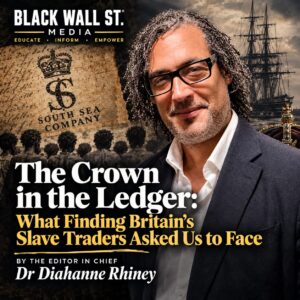 What happens when Britain’s history is no longer told through monuments, wealth and institutions, but through the ledger behind them? Finding Britain’s Slave Traders with David Olusoga brings names, companies, royal connections and fortunes into focus, forcing us to confront how deeply the transatlantic slave trade was embedded in British society. In “The Crown in the Ledger,” we explore what these records reveal about wealth, power, responsibility and the legacy that remains today. Read the full article and ask yourself: who owns what, who benefited, and what does honest accounting look like?
 - Is ‘Othello’ relevant today?
 Othello: A Timeless Exploration of Jealousy, Racism, and Ambition


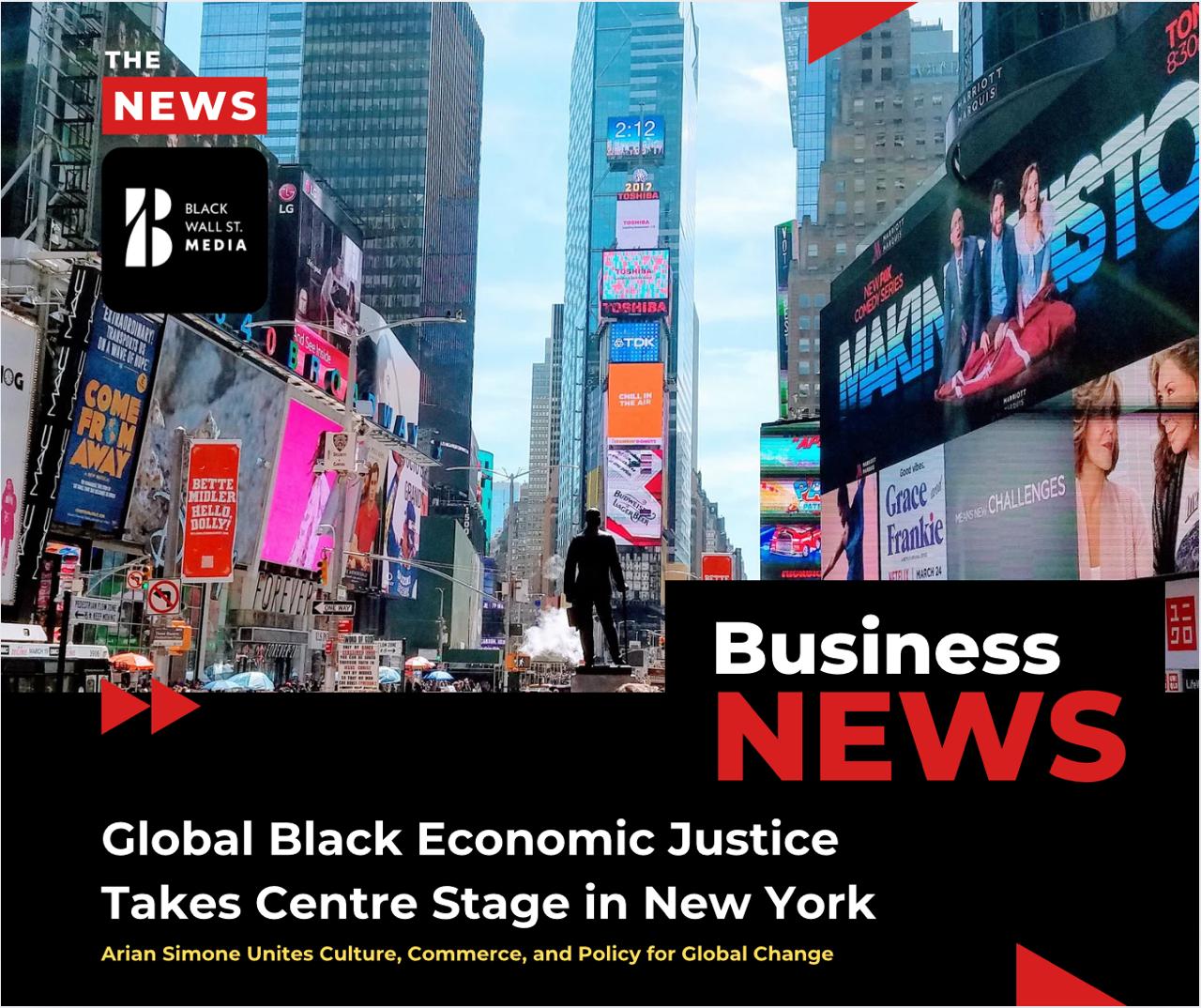
Global Black Economic Justice Takes Centre Stage in New York
Read More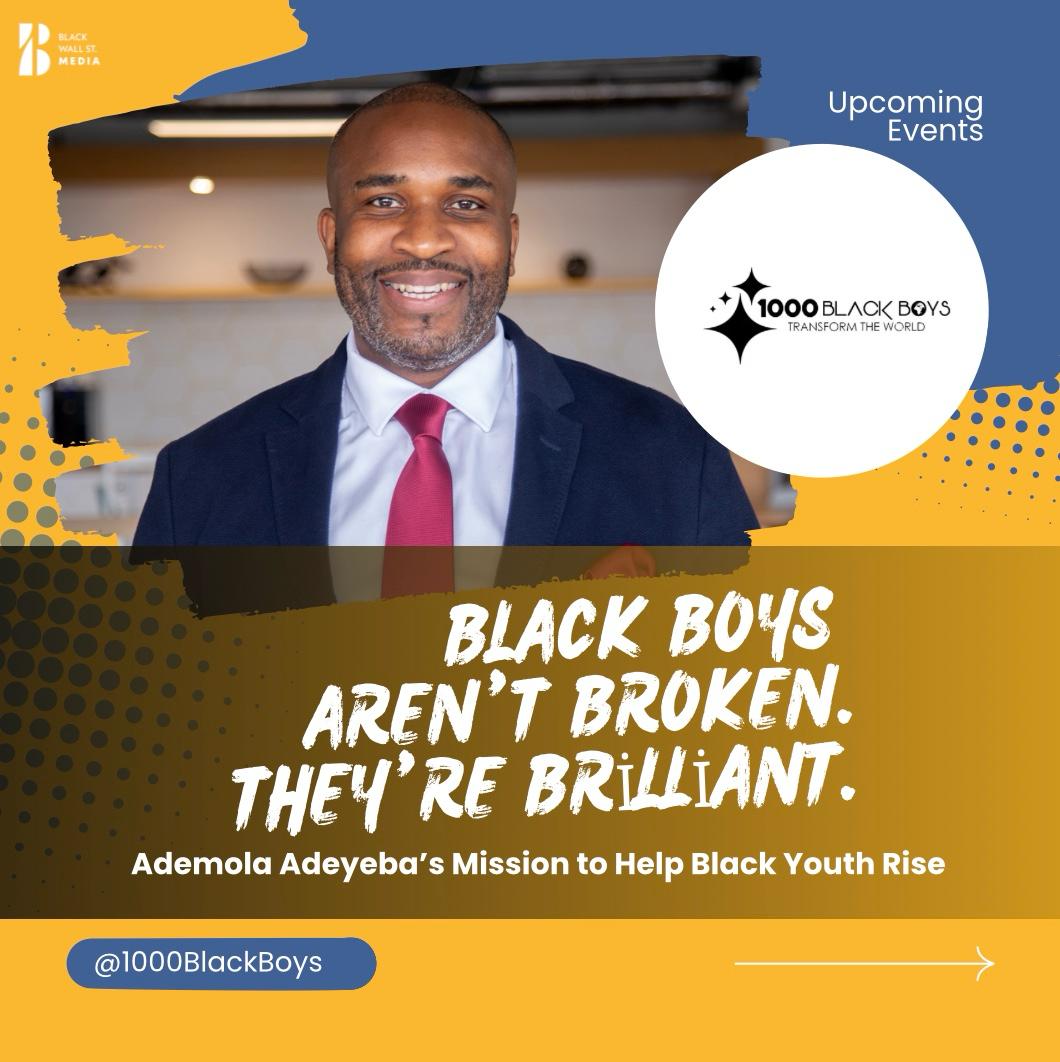
Ademola Adeyeba’s Mission to Help Black Youth Rise
Read More
Advancing Equity
Read More
Cashblack Launches US App for Black History Month
Read More
Peat Speaks at COP29 in Baku
Read More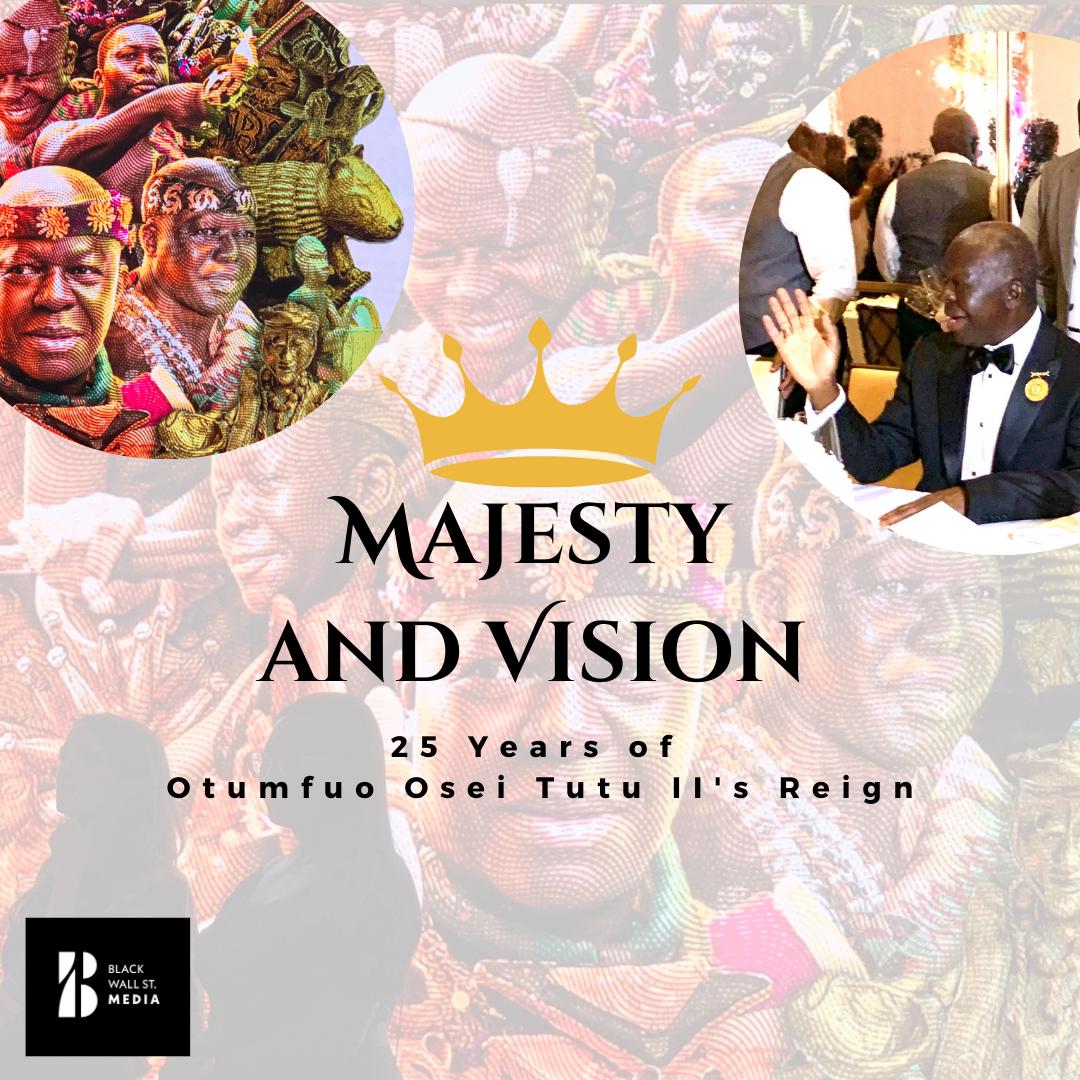
Majesty and Vision: 25 Years of Otumfuo Osei Tutu II’s Reign
Read More
Bracing Our Heritage – Empowering Our Future
Read More
Natasha Ferguson Takes the Helm at Taylor Bennett Foundation
Read More
Key Funds Paves the Way for Change
Read More