
Community & Social Justice
Ras Judah: The Elder Who Stood So We Could Stand
“Bristol has lost more than a community activist. It has lost a conscience.
Paul McKenziePhoto Credits
Ras Judah born Judah Adunbi, stood at the crossroads of protest and purpose for more than four decades. From the fires of St Pauls in 1980 to the painful spotlight of 2017, he never stopped organising, mentoring, and holding institutions to account.
This is not simply a tribute. It is a reminder of the standard he set and the responsibility he leaves behind.”
When we speak of giants in Bristol, we must speak the name Judah Adunbi known to us, lovingly and reverently, as Ras Judah.
He was not simply an activist. He was not merely a campaigner. He was a conscience.
Born in 1953, Ras Judah belonged to a generation that carried the full weight of Britain’s unfinished conversations about race, belonging, and justice. In the streets of St Pauls and Easton, in community halls and council chambers, he walked with quiet authority — not because he sought power, but because he embodied integrity.
Bristol will forever remember the uprising of 1980 in St Pauls — a moment when anger met neglect, and the city could no longer ignore the lived reality of its Black citizens.
Ras Judah did not run from that fire. He stayed. He organised. He built. He understood that protest may light the match, but community must build the future.
For more than two decades he worked within local government, becoming one of the city’s first Black sports development officers. Through initiatives such as the St Pauls Sports Academy, he gave young people more than activity, he gave them vision. He saw potential where others saw risk. He saw leaders where others saw statistics.
And then there was 2017.
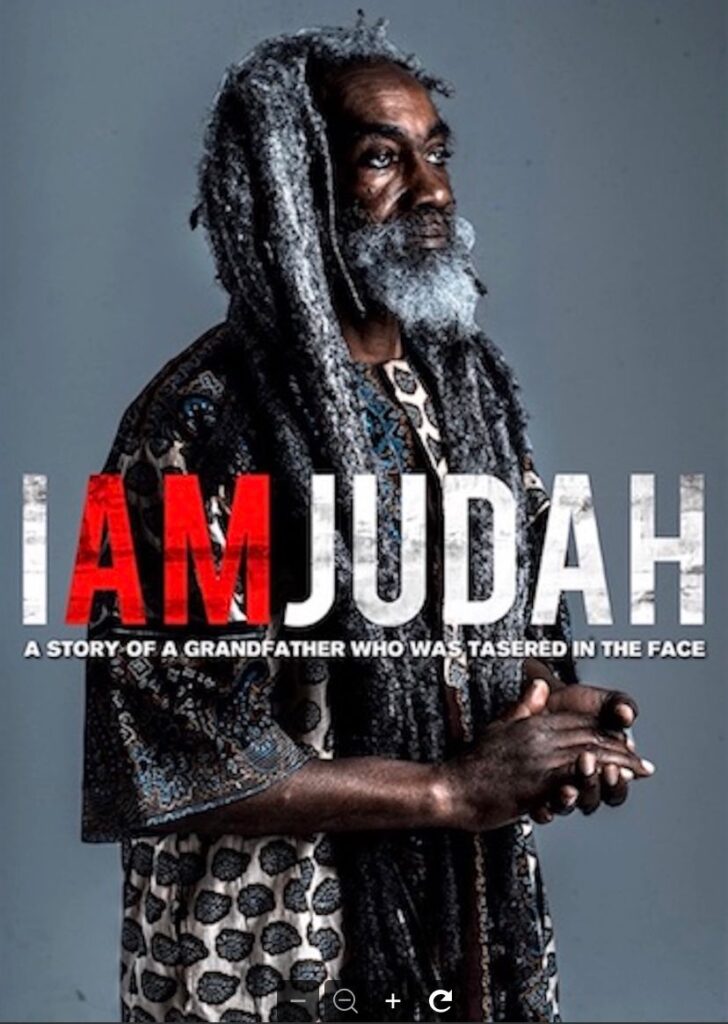
When he was wrongly tasered by police while walking his dog, the image travelled far beyond Bristol. It was painful, humiliating, and unjust. But Ras Judah refused to let that moment define him as a victim. Instead, he turned it into testimony. The documentary I Am Judah did more than tell his story — it exposed the fault lines of policing, accountability, and dignity in modern Britain.
Yet even in pain, he remained measured. He challenged institutions without dehumanising individuals. He spoke truth without surrendering compassion. That balance is rare. That balance is leadership.
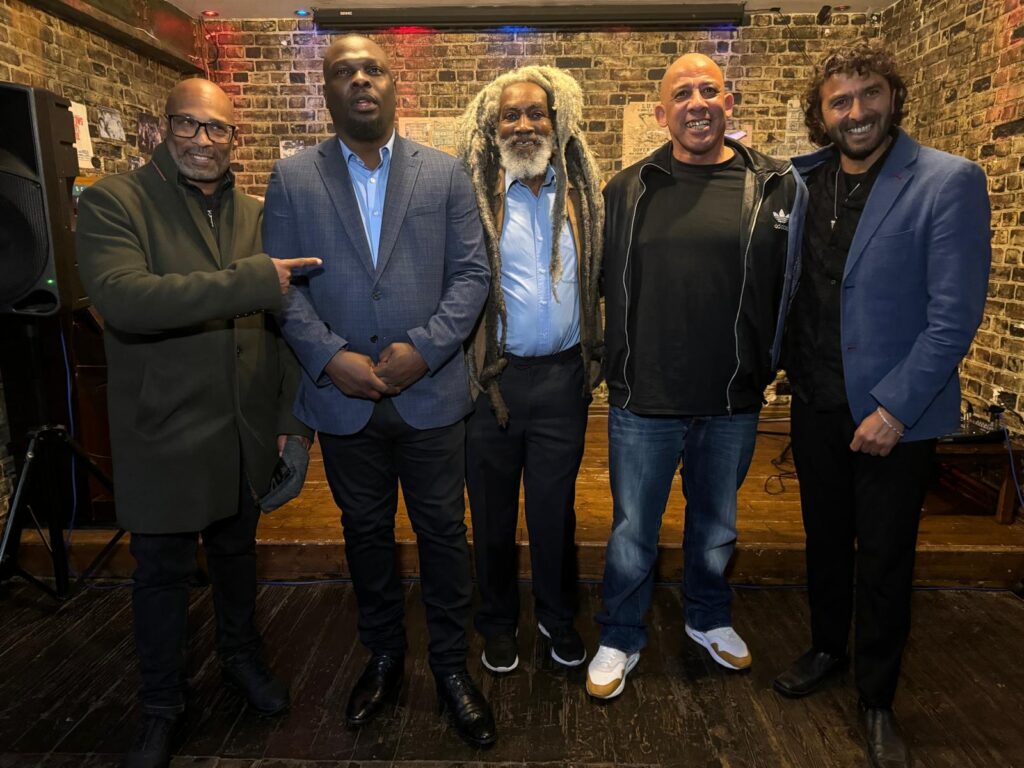
Photo credit: Paul McKenzie
(Left to Right) Shaun Pascal, Gwentson Sloley, Ras Judah, Lawrence Hoo and Bashart Malik
Ras Judah understood something profound: that justice is not simply about winning arguments — it is about restoring humanity. He advised, he mentored, he challenged, he forgave. He carried the memory of struggle but never allowed bitterness to eclipse purpose.
For many in Bristol, he was an elder in the truest sense, not by age alone, but by spirit. A steady voice in moments of tension. A bridge between generations. A reminder that dignity is non-negotiable.
His passing leaves a space that cannot be filled. But his legacy leaves a foundation that cannot be shaken.
Ras Judah stood firm so others could stand taller.
Now it is our turn.
May we honour him not only in words, but in action. May we mentor as he mentored. May we challenge as he challenged. May we love our communities enough to hold them accountable and hold them together.
Rest in power, Ras Judah.
Bristol will not forget.
I am Judah – A Film That Demands Justice

- Damilola Taylor: The Boy Who Never Made It Home
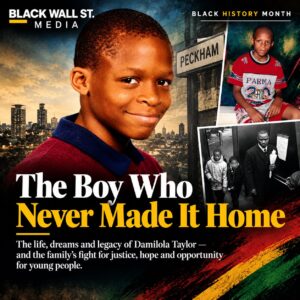 He was just ten years old. He loved football, supported Manchester United and dreamed of becoming a medical researcher so he could help his sister. On 27 November 2000, Damilola Taylor was fatally injured while walking home in Peckham. His death shocked Britain. His family endured years of waiting for justice. But his parents, Richard and Gloria Taylor, refused to let their son’s legacy be defined by the violence that took him. They established the Damilola Taylor Trust to help give other young people hope, opportunities and a better chance of a future. This Black History Month, we remember the child behind the headlines — his dreams, his family and the future he was never given the chance to live. Every child deserves to make it home. Every child deserves a future. Read our Black History Month feature with Black Wall St. Media.
 - Alzheimer’s the Black doctor who helped decode the disease
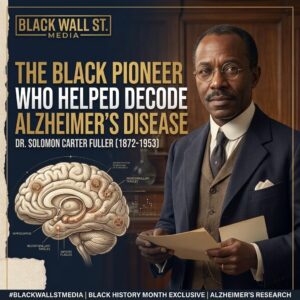 🧠✨ Celebrating an Unsung Hero! Dive into the captivating journey of Dr. Solomon Fuller, a pioneer in Alzheimer's research and a standout figure in Black history. From his roots in Liberia to groundbreaking discoveries, discover the legacy of a medical trailblazer who defied adversity. 🌟
 - The Voice of the Child, Young Person and; Service User
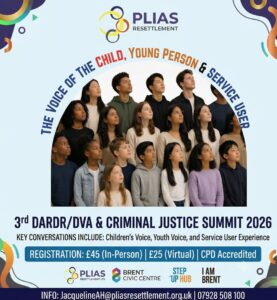 Whose voices are we really hearing? And what happens when we truly listen? The 3rd DARDR/DVA & Criminal Justice Summit 2026 will bring together professionals, practitioners, community organisations, academics and people with lived experience to place children, young people and service users at the heart of the conversation. Under the theme “The Voice of the Child, Young Person & Service User,” this year’s Summit will explore domestic abuse, violence, safeguarding, exploitation, trauma and criminal justice — but most importantly, how listening can move beyond consultation and become meaningful action. 📅 Friday 27 November 2026 📍 Brent Civic Centre, Wembley 💻 Hybrid Event | CPD Accredited Read more about the Summit, the conversations it will explore and how to book your place.
 - The Crown in the Ledger: What Finding Britain’s Slave Traders Asked Us to Face
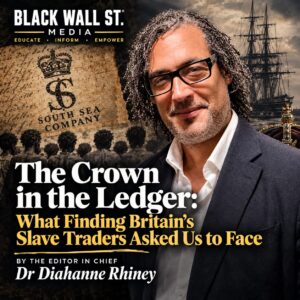 What happens when Britain’s history is no longer told through monuments, wealth and institutions, but through the ledger behind them? Finding Britain’s Slave Traders with David Olusoga brings names, companies, royal connections and fortunes into focus, forcing us to confront how deeply the transatlantic slave trade was embedded in British society. In “The Crown in the Ledger,” we explore what these records reveal about wealth, power, responsibility and the legacy that remains today. Read the full article and ask yourself: who owns what, who benefited, and what does honest accounting look like?
 - Is ‘Othello’ relevant today?
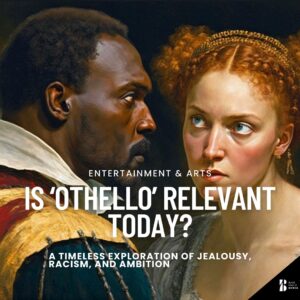 Othello: A Timeless Exploration of Jealousy, Racism, and Ambition


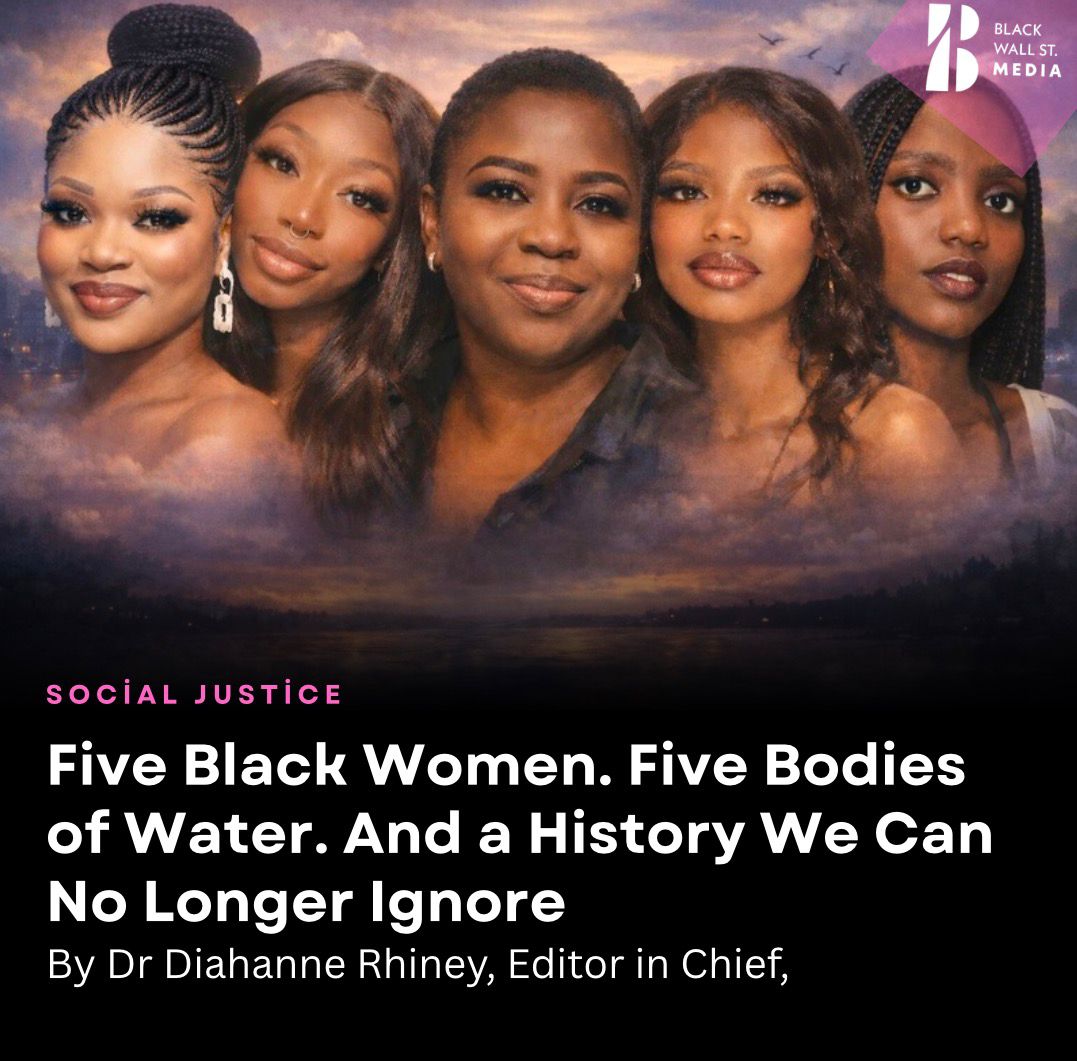
Five Black Women. Five Bodies of Water. And a History We Can No Longer Ignore
Read More
Mother’s Day and the Quiet Legacy of Our Mothers
Read More
Editor’s Letter March 2026
Read More
Locked Out of the Purse Strings
Read More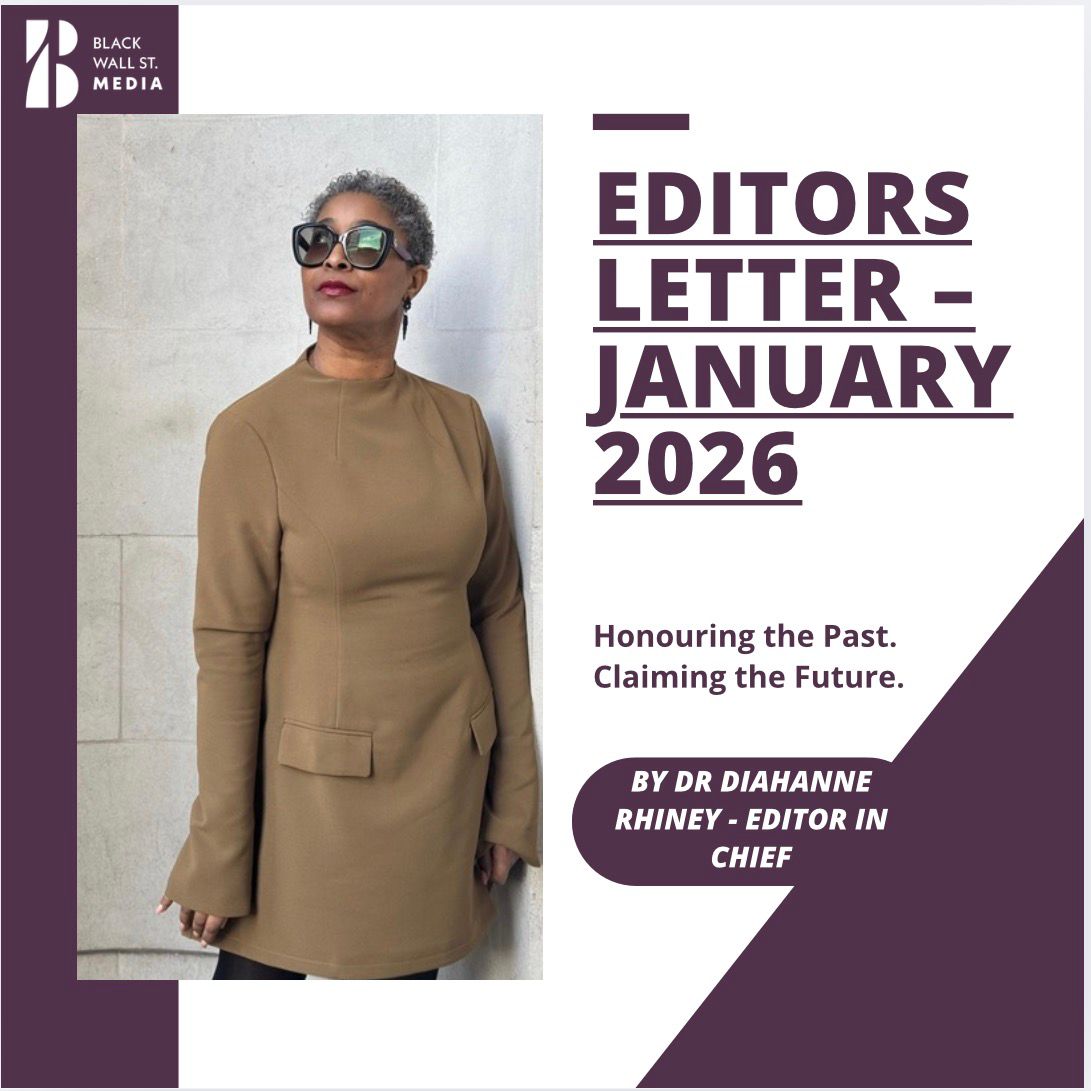
Editors Letter – January 2026
Read More
Editors Letter – October 2025
Read More
Editors Letter – September 2025
Read More
Editors Letter – August 2025
Read More
Editors Letter – July 2025
Read More