History
Black History Month
“He was just ten years old. He loved football, supported Manchester United and dreamed of becoming a medical researcher so he could help his sister.
On 27 November 2000, Damilola Taylor was fatally injured while walking home in Peckham.
His death shocked Britain. His family endured years of waiting for justice. But his parents, Richard and Gloria Taylor, refused to let their son’s legacy be defined by the violence that took him.
They established the Damilola Taylor Trust to help give other young people hope, opportunities and a better chance of a future.
This Black History Month, we remember the child behind the headlines — his dreams, his family and the future he was never given the chance to live.
Every child deserves to make it home. Every child deserves a future.
Read our Black History Month feature with Black Wall St. Media.”
BWSMContributor

He died just ten days before his eleventh birthday. He loved football, dreamed of becoming a medical researcher and wanted to help his sister. His life was cut short on a November afternoon in Peckham.
 But the story of Damilola Taylor is not only about a child lost to violence. It is about a family’s fight for justice and their determination to turn unimaginable grief into hope for others.
On 27 November 2000, ten-year-old Damilola Taylor was walking home through Peckham, south London. He was just ten days away from his eleventh birthday.
He should have been thinking about school, football, Christmas and all the ordinary things that make up a child’s world.
Instead, he never made it home.
A broken bottle inflicted a devastating wound to his left thigh, severing his femoral artery. Bleeding heavily, Damilola struggled towards a stairwell on the North Peckham Estate, where he collapsed. Despite desperate efforts to save him, the little boy died from his injuries.
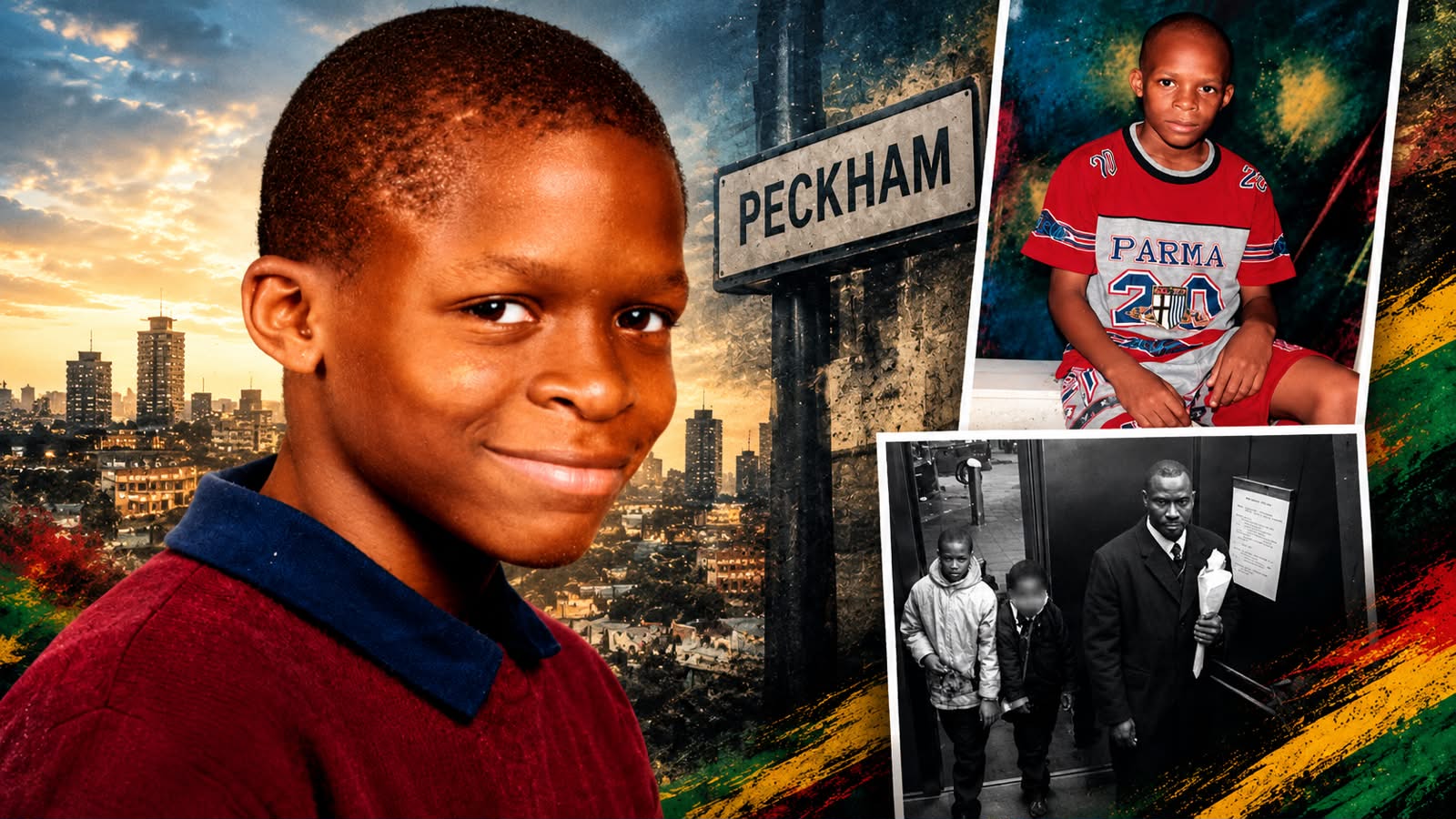
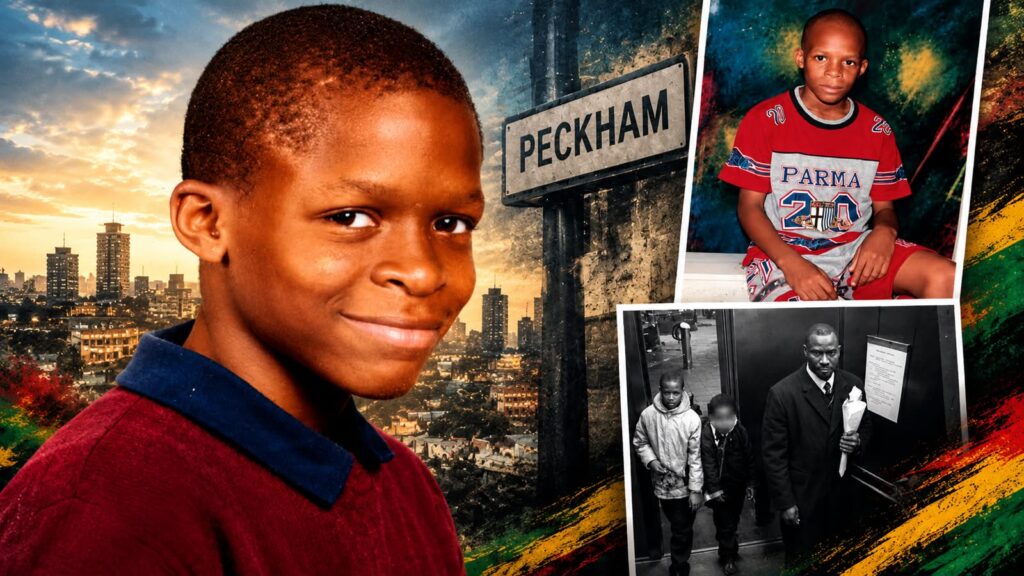
Soon, Britain would see the photograph of a smiling schoolboy whose life had barely begun. Behind that image was a family devastated by loss, a community searching for answers and a country forced to confront the vulnerability of children living amid violence.
For Black History Month, we remember Damilola not simply because of how he died, but because of who he was, the dreams he carried and the legacy his family fought to build in his name.
A boy with a future
Damilola was born in Nigeria on 7 December 1989. In the summer of 2000, he arrived in England with his mother, Gloria, and siblings so that his older sister, Gbemi, who suffered from severe epilepsy, could receive medical treatment.
His father, Richard Taylor, remained in Nigeria to continue working and supporting the family.
Damilola began attending Oliver Goldsmith School and was adjusting to life in London. He loved football and was an avid Manchester United supporter. But he also had ambitions that reached far beyond the football pitch.
He dreamed of becoming a medical researcher, hoping one day to help discover a cure for the condition affecting his sister and others like her.
There is something deeply moving about that ambition. Here was a child who had witnessed the challenges faced by someone he loved and imagined a future in which he could help others.
Damilola was a brother, a son, a pupil and a football fan. He was a child with a future still taking shape.
An ordinary afternoon that changed everything
On the afternoon of 27 November, Damilola attended a computer class at Peckham Library.
CCTV footage later showed him outside the library, playing and moving across the paving. The images captured a glimpse of the ordinary childhood that existed shortly before his death.
He was doing what children do: playing, exploring and making his way through his neighbourhood.
After leaving the library, he began walking home.
Near the North Peckham Estate, he encountered brothers Ricky and Danny Preddie, who were 13 and 12 at the time. During the incident, a broken bottle caused a deep wound to Damilola’s left thigh, severing his femoral artery.
Despite the severity of his injury, he continued moving. A trail of blood marked part of his journey towards the stairwell where he was eventually found.
Those who discovered him tried to stem the bleeding. Paramedics fought to save his life before taking him to hospital, but their efforts were unsuccessful.
The distance between the place where Damilola was attacked and the place where he collapsed was painfully short. He was trying to get home.
That remains one of the most devastating aspects of his story. A journey that should have ended with a child opening the front door and being welcomed by his family became a tragedy that would reverberate across Britain.
A long and painful search for justice
Damilola’s death prompted national outrage. Yet for his parents, Richard and Gloria Taylor, public attention could never compensate for their loss, and justice would not come quickly.
The first major trial, in 2002, ended without convictions. The investigation subsequently came under intense scrutiny over errors and missed evidence.
In particular, tiny traces of Damilola’s blood on a trainer linked to Danny Preddie had initially gone undetected. Further forensic examination later helped strengthen the prosecution’s case.
In April 2006, the Preddie brothers were cleared of murder, but the jury could not reach verdicts on the manslaughter charges.
A retrial followed.
On 9 August 2006, Ricky and Danny Preddie were convicted of Damilola’s manslaughter. On 9 October, both received eight-year sentences.
Nearly six years had passed since Damilola’s death.
The convictions marked an important conclusion to a lengthy legal process, but they could never restore what had been taken from his family.
Justice could not return their son. It could not give him the birthdays, school years, family celebrations or adult life he would never experience.
The case also raised serious questions about forensic procedures, investigative failures and the consequences of mistakes in the pursuit of justice.
For the Taylor family, however, the challenge extended beyond the courtroom. They had to find a way to live with their loss while ensuring that Damilola’s name would mean more than the violence that ended his life.
Turning grief into hope
In May 2001, Richard Taylor established the Damilola Taylor Trust in memory of his son.
Its purpose was to create opportunities for disadvantaged young people, particularly those vulnerable to violence, gangs and social exclusion.
The Trust represented a powerful response to tragedy. Rather than allowing Damilola to be remembered solely through the circumstances of his death, his family sought to help other children and young people find safer, more hopeful futures.
Its work has focused on helping young people recognise their potential, develop their confidence and access opportunities they might otherwise never consider, including pathways into careers such as medicine and finance.
There is a particularly poignant connection here. Damilola himself had dreamed of medical research because he wanted to help his sister. The work established in his memory has helped keep alive the principle that every young person deserves the opportunity to discover what they might become.
His parents could not give Damilola the future he deserved. Through the Trust, they sought to help other young people build futures of their own.
That is the enduring power of his legacy.
Why Damilola’s story belongs in Black History Month
Black History Month is about remembering our past, celebrating our achievements and confronting the experiences that have shaped our communities.
It is also about recognising the humanity behind the headlines.
Damilola Taylor’s story belongs in that history because it asks us to consider how society protects its children, how communities are supported and what happens when violence takes away a life full of possibility.
Too often, young people become statistics. Neighbourhoods become labels. Individual tragedies become headlines that eventually disappear from public attention.
But behind every statistic is a human being. Behind every headline is a family. And behind every young life lost is a future that will never be realised.
Damilola was a young Black boy who had travelled from Nigeria with his family, was finding his feet in London, loved football and wanted to help his sister. He deserved the opportunity to grow older, discover his talents and decide for himself what kind of man he wanted to become.
His story also reminds us that violence prevention requires more than punishment after a tragedy. Children need safe environments, supportive adults, educational opportunities and communities that invest in their potential.
Safety should never be a privilege determined by postcode, background or circumstance. It should be a promise made to every child.
The parents who refused to let his story end in tragedy
Richard and Gloria Taylor transformed their grief into a commitment to other young people.
Gloria died in 2008. Richard continued to campaign in his son’s memory, advocating for opportunities that could help young people avoid violence and build better futures. He died in 2025.
Their work stands as a testament to the enduring love of parents who refused to let their son’s life be defined solely by the way it ended.
The Trust continues that mission, carrying forward the belief that young people should have the opportunity to live without fear, realise their potential and approach the future with confidence.
Their contribution deserves to be remembered alongside Damilola’s story because it demonstrates how a family’s response to tragedy can become a source of hope for others.
We must remember the child
For Black Wall St. Media, remembering Damilola Taylor means telling the whole story.
It means remembering the boy who loved football, the brother who wanted to help his sister, the child who dreamed of a career in medical research, and the family who fought for justice and turned grief into a lasting commitment to young people.
It means refusing to let the violence that ended his life become the only thing we remember about him.
Damilola was ten years old. He should have been able to walk home from school, open the door to his family, celebrate his eleventh birthday and continue dreaming about the future.
He never got that chance.
But his name continues to challenge us. What are we doing to protect our children? What opportunities are we creating for young people who feel excluded? And how can we ensure that another family does not have to endure the loss that changed the Taylors’ lives forever?
These are questions that demand more than remembrance. They demand action.
This Black History Month, we honour Damilola Taylor by remembering his life, acknowledging his family’s fight and supporting the work that continues in his name.
Because every child deserves to make it home.
And every child deserves a future.
Black Wall St. Media — Remembering our history. Telling our stories. Inspiring our future.
Learn more about Damilola’s life and the work established in his memory through the Damilola Taylor Trust https://www.damilolataylortrust.co.uk
.
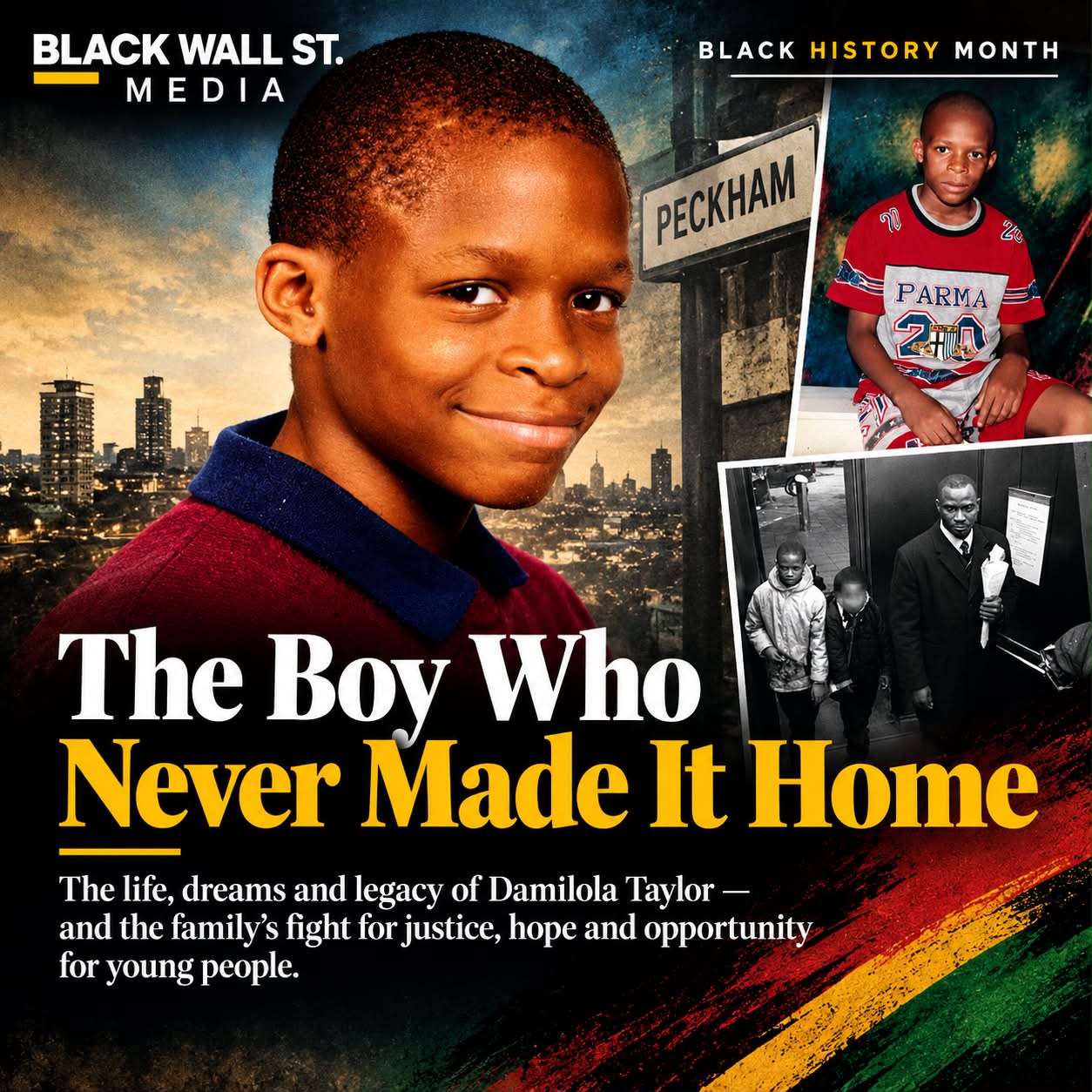
- Damilola Taylor: The Boy Who Never Made It Home
 He was just ten years old. He loved football, supported Manchester United and dreamed of becoming a medical researcher so he could help his sister. On 27 November 2000, Damilola Taylor was fatally injured while walking home in Peckham. His death shocked Britain. His family endured years of waiting for justice. But his parents, Richard and Gloria Taylor, refused to let their son’s legacy be defined by the violence that took him. They established the Damilola Taylor Trust to help give other young people hope, opportunities and a better chance of a future. This Black History Month, we remember the child behind the headlines — his dreams, his family and the future he was never given the chance to live. Every child deserves to make it home. Every child deserves a future. Read our Black History Month feature with Black Wall St. Media.
 - Alzheimer’s the Black doctor who helped decode the disease
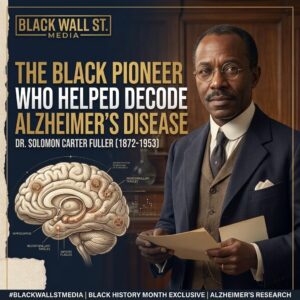 🧠✨ Celebrating an Unsung Hero! Dive into the captivating journey of Dr. Solomon Fuller, a pioneer in Alzheimer's research and a standout figure in Black history. From his roots in Liberia to groundbreaking discoveries, discover the legacy of a medical trailblazer who defied adversity. 🌟
 - The Voice of the Child, Young Person and; Service User
 Whose voices are we really hearing? And what happens when we truly listen? The 3rd DARDR/DVA & Criminal Justice Summit 2026 will bring together professionals, practitioners, community organisations, academics and people with lived experience to place children, young people and service users at the heart of the conversation. Under the theme “The Voice of the Child, Young Person & Service User,” this year’s Summit will explore domestic abuse, violence, safeguarding, exploitation, trauma and criminal justice — but most importantly, how listening can move beyond consultation and become meaningful action. 📅 Friday 27 November 2026 📍 Brent Civic Centre, Wembley 💻 Hybrid Event | CPD Accredited Read more about the Summit, the conversations it will explore and how to book your place.
 - The Crown in the Ledger: What Finding Britain’s Slave Traders Asked Us to Face
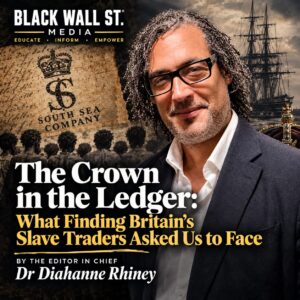 What happens when Britain’s history is no longer told through monuments, wealth and institutions, but through the ledger behind them? Finding Britain’s Slave Traders with David Olusoga brings names, companies, royal connections and fortunes into focus, forcing us to confront how deeply the transatlantic slave trade was embedded in British society. In “The Crown in the Ledger,” we explore what these records reveal about wealth, power, responsibility and the legacy that remains today. Read the full article and ask yourself: who owns what, who benefited, and what does honest accounting look like?
 - Is ‘Othello’ relevant today?
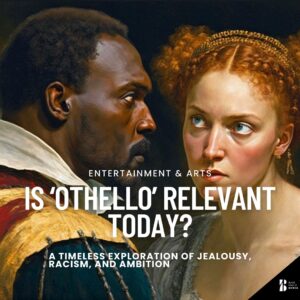 Othello: A Timeless Exploration of Jealousy, Racism, and Ambition




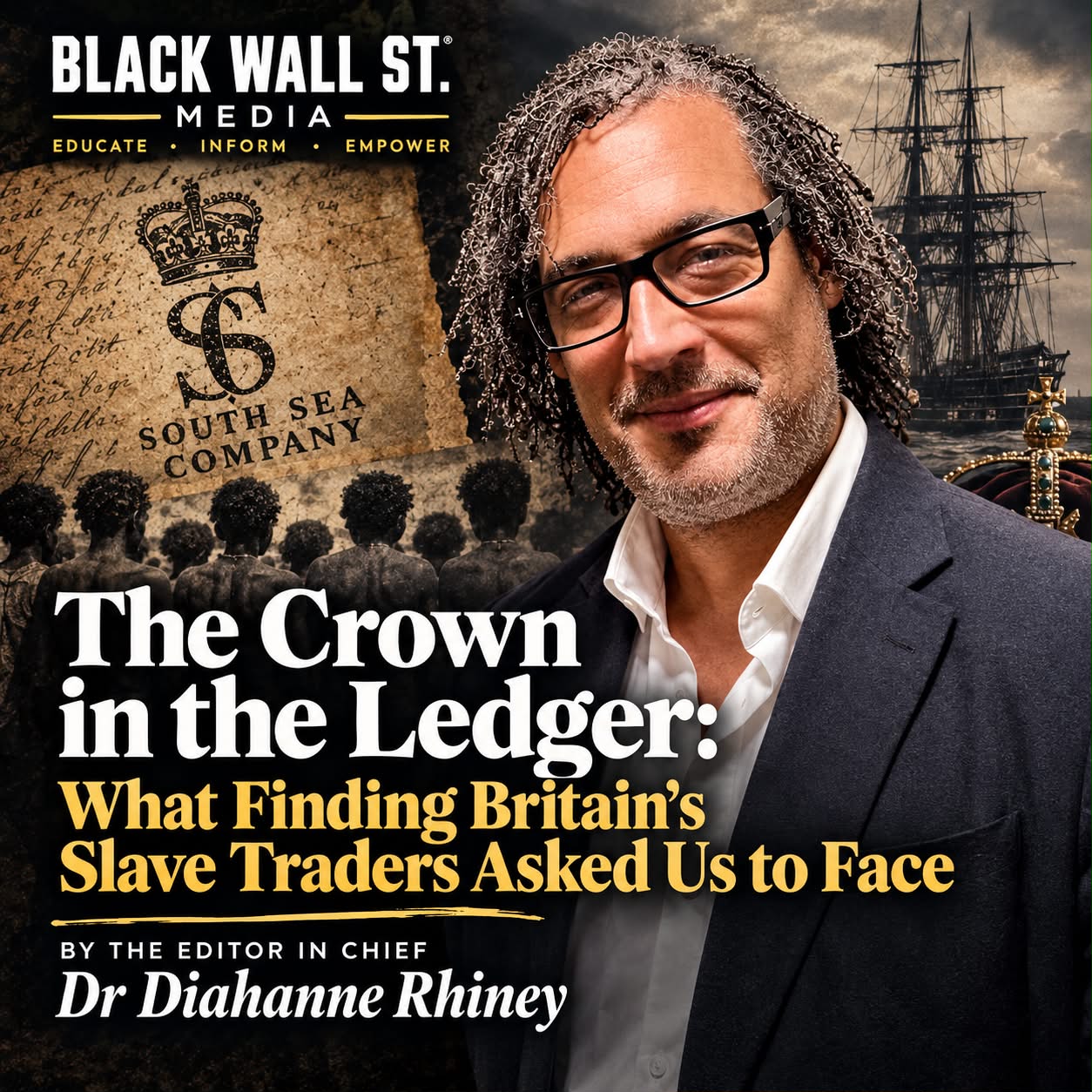
The Crown in the Ledger: What Finding Britain’s Slave Traders Asked Us to Face
Read More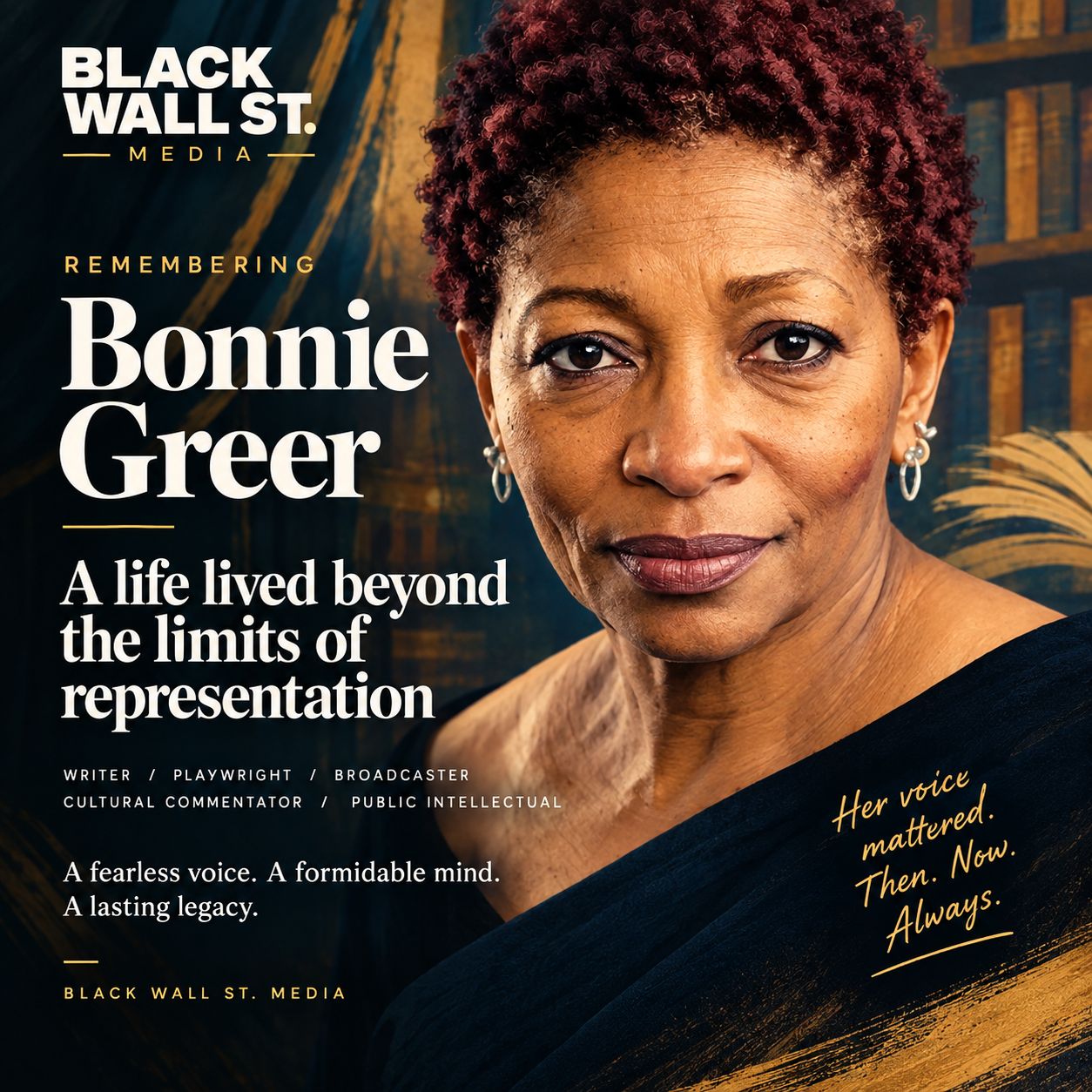
A life lived beyond the limits of representation
Read More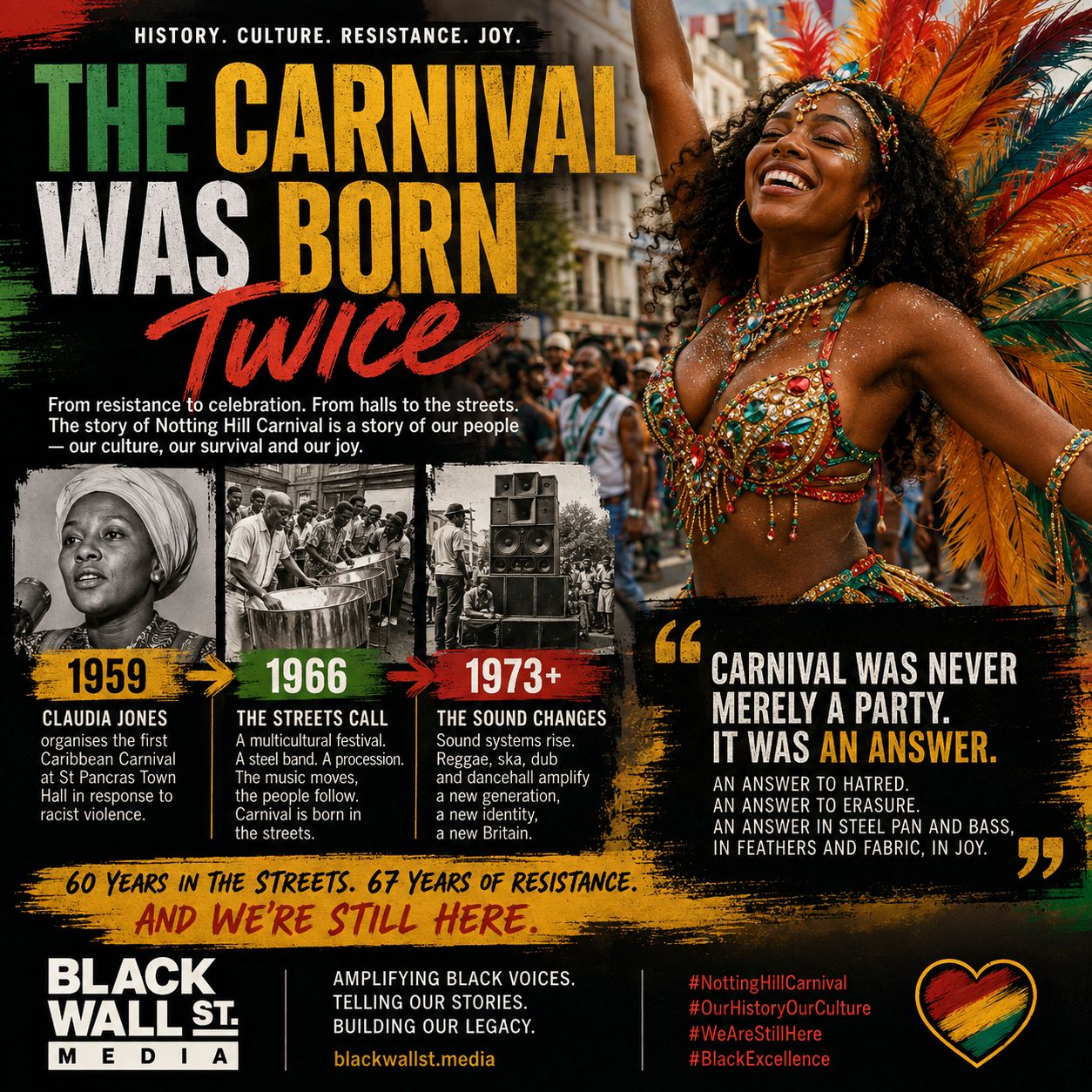
The Carnival Was Born Twice
Read More
Afterlives of Looted Heritage
Read More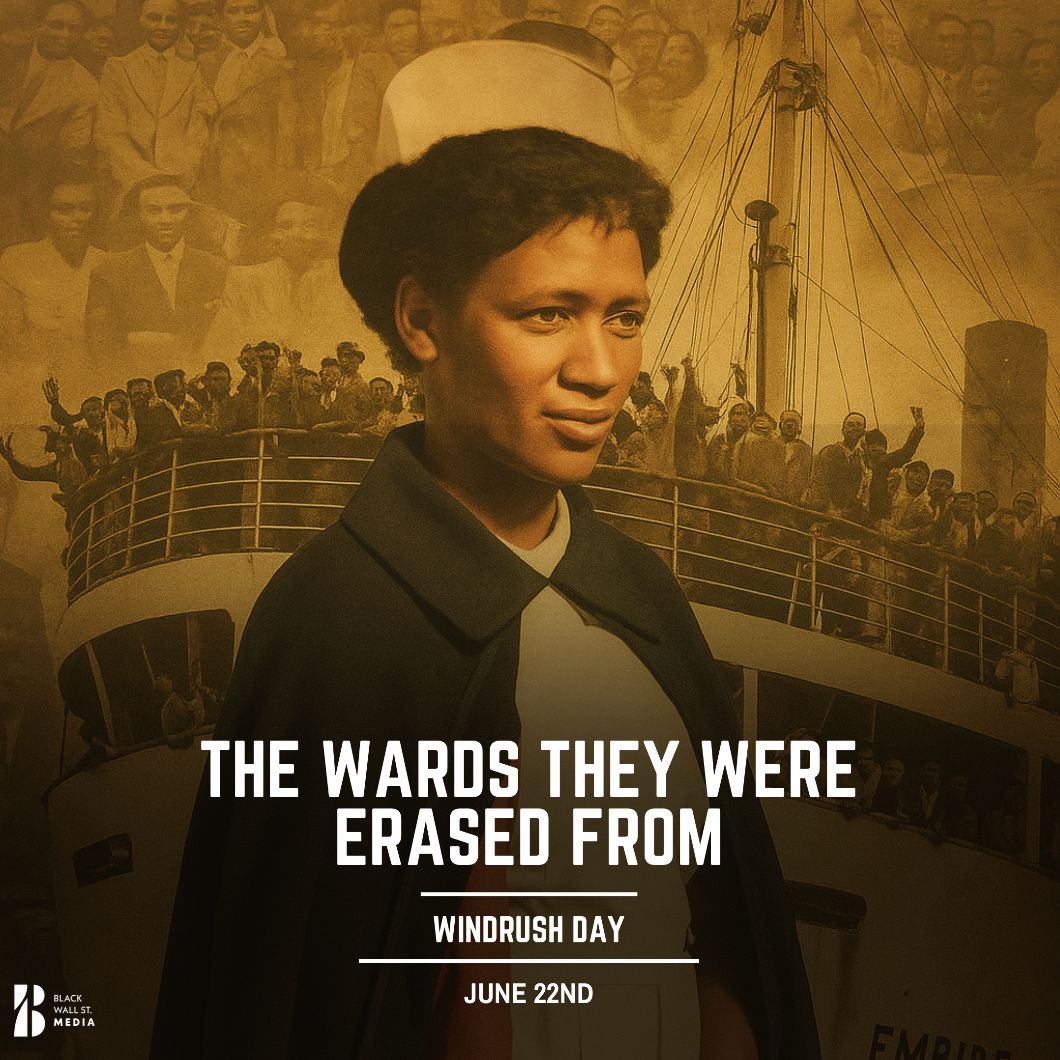
The Wards They Were Erased From
Read More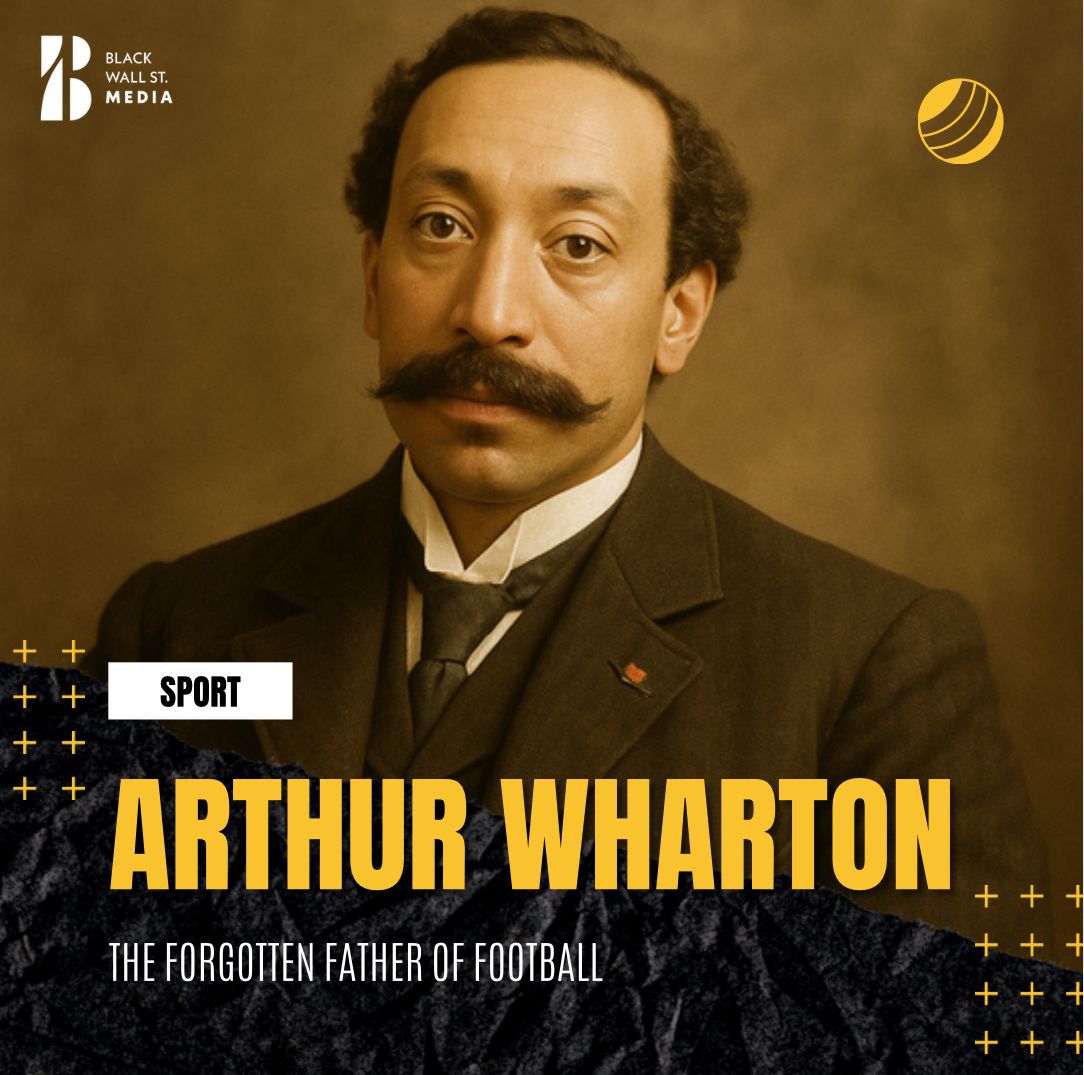
World’s first Black professional footballer
Read More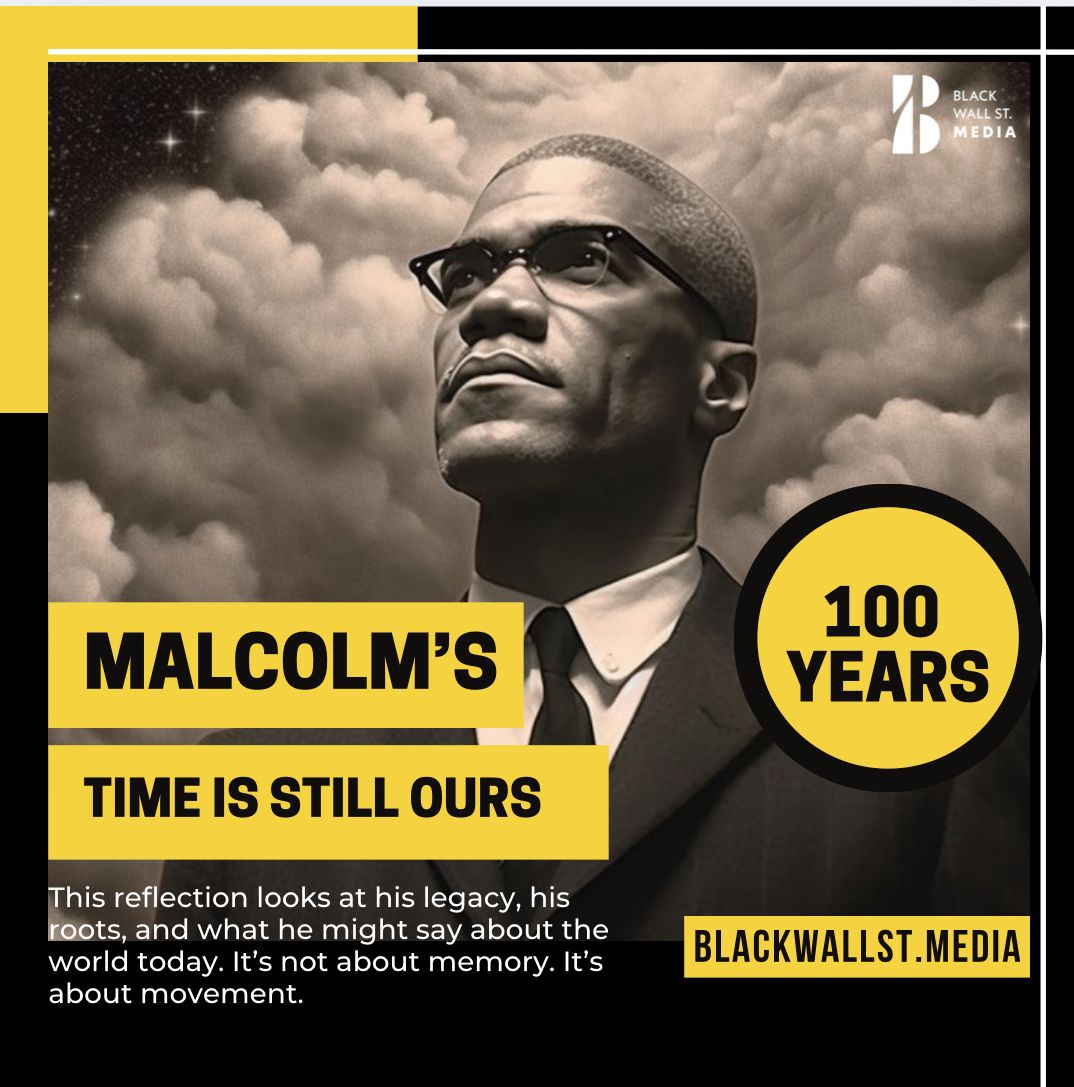
Malcolm’s Time Is Still Ours
Read More
Kelso Cochrane: The Name Britain Tried to Forget
Read More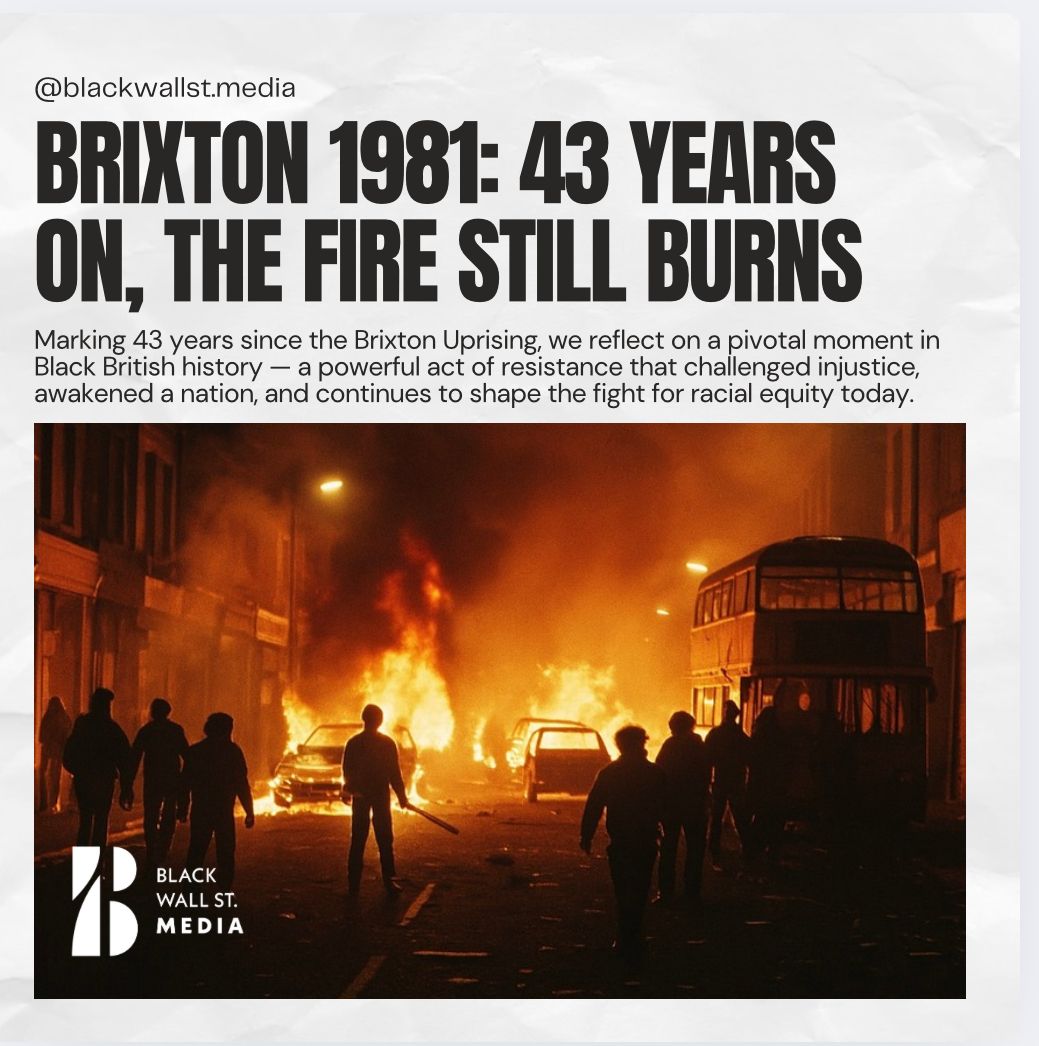
When Brixton Spoke Back
Read More