

WINDRUSH DAY
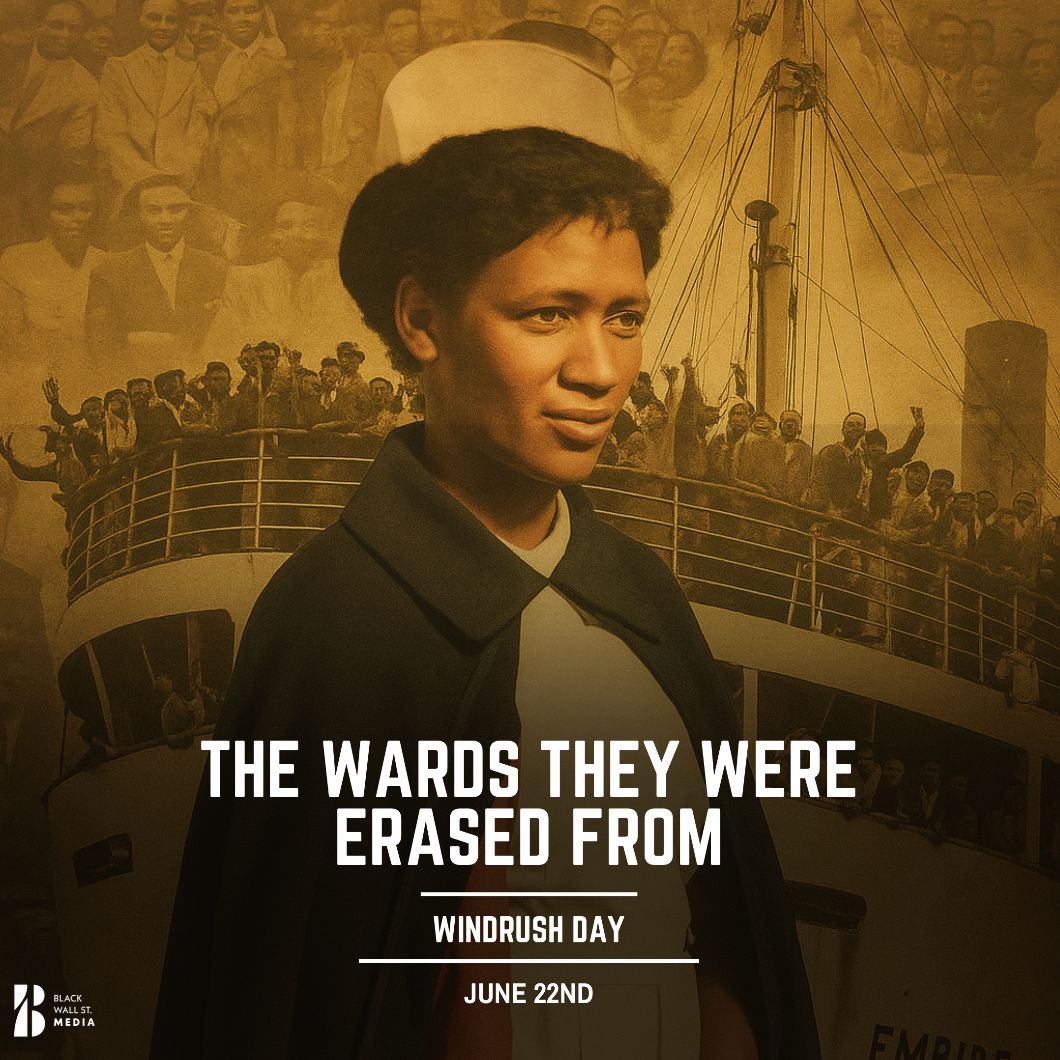
The Wards They Were Erased From
“This Windrush Day, we remember the women who built the backbone of the NHS — “The Wards They Walked” tells the story of Windrush nurses, their resilience, and the quiet grace with which they served a nation that refused to see their worth. Read the full article and reflect on the legacy, sacrifice, and strength that shaped British history.”
BWSMCONTRIBUTOR







A Reflection on the Windrush Nurses
There are names that never make it into the history books. Names uttered only in backrooms, in broken accents, and in homesick sighs. Names like Inez, Sylvia, Dorothy — women who stepped off boats with starched ambition and calloused hope, straight into the unblinking, cold corridors of Britain’s hospitals.
They were told they were coming to the Mother Country — that distant land of polished marble and dignified civility — but what they found was linoleum floors, spit in their tea, and the bruising weight of a gaze that could not see them as fully human.
They came not merely to work, but to serve. And they did — dressing wounds not just of bodies, but of a nation, still aching from the wreckage of war and empire. They cleaned bedpans and held hands in the dark. They sang psalms to the dying. They stitched lives together with thread and mercy. They bore the title “nurse” with a dignity that the country around them often refused to grant.
Yet Britain, with its trembling whiteness, could not look them in the eye.
These Black women — many trained, many brilliant — were handed the lowest roles. They were sent to the wards no one else wanted, with patients who spat in their faces and whispered to managers that they didn’t want “one of those” touching them. And still, they showed up. Not because they were saints, but because they had mouths to feed and backbones made of survival. Because this is what dignity looks like in a country that denies your worth: you walk through the door anyway.
They raised children who would become doctors, police officers, activists, and dreamers. They paid taxes into a system that now dares to question their belonging. Some were denied pensions, their labour erased like fog on glass. Their names — and pay records — “lost” in a filing cabinet that somehow always malfunctions when the worker is Black.
And I know this not only through history, but through blood.
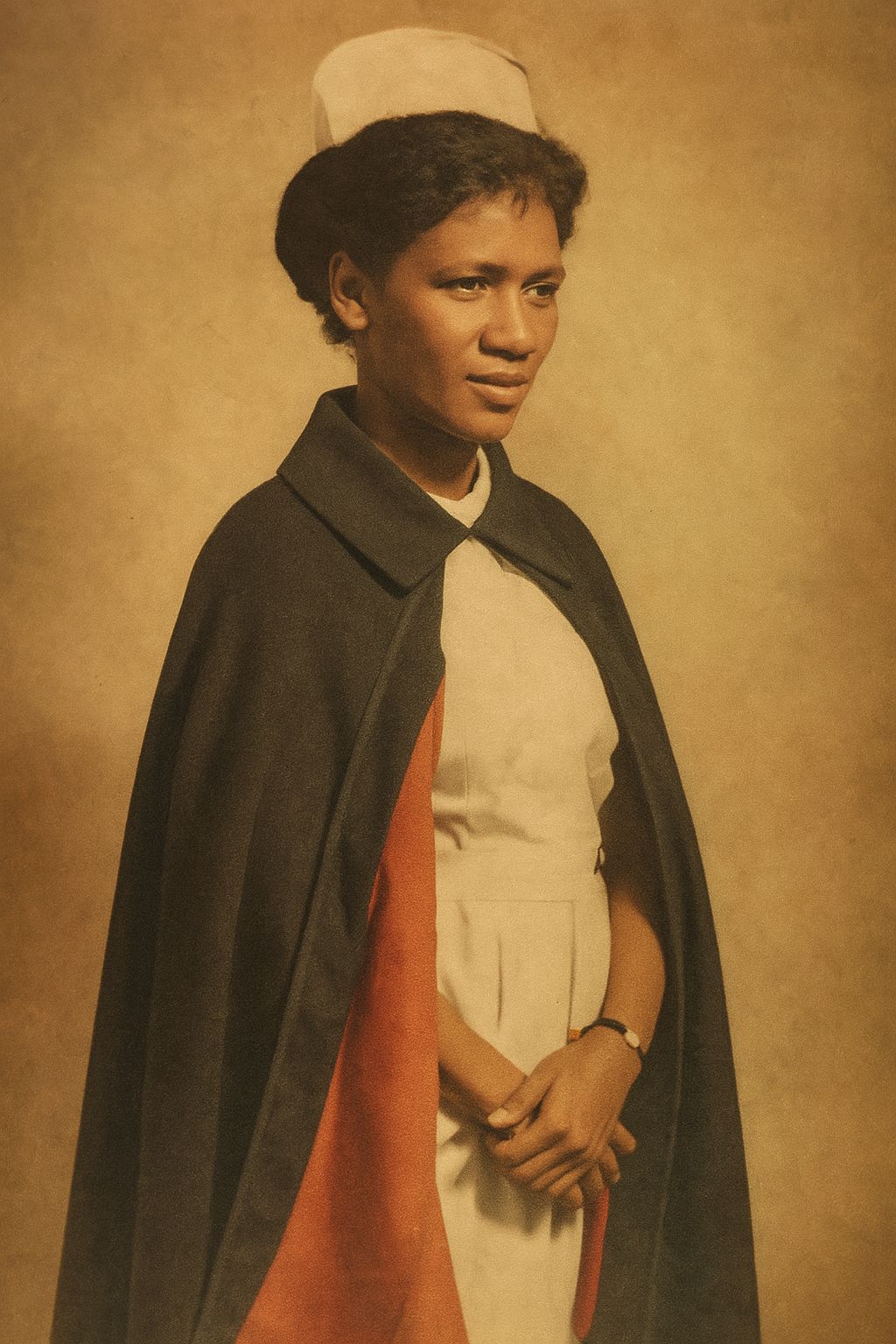
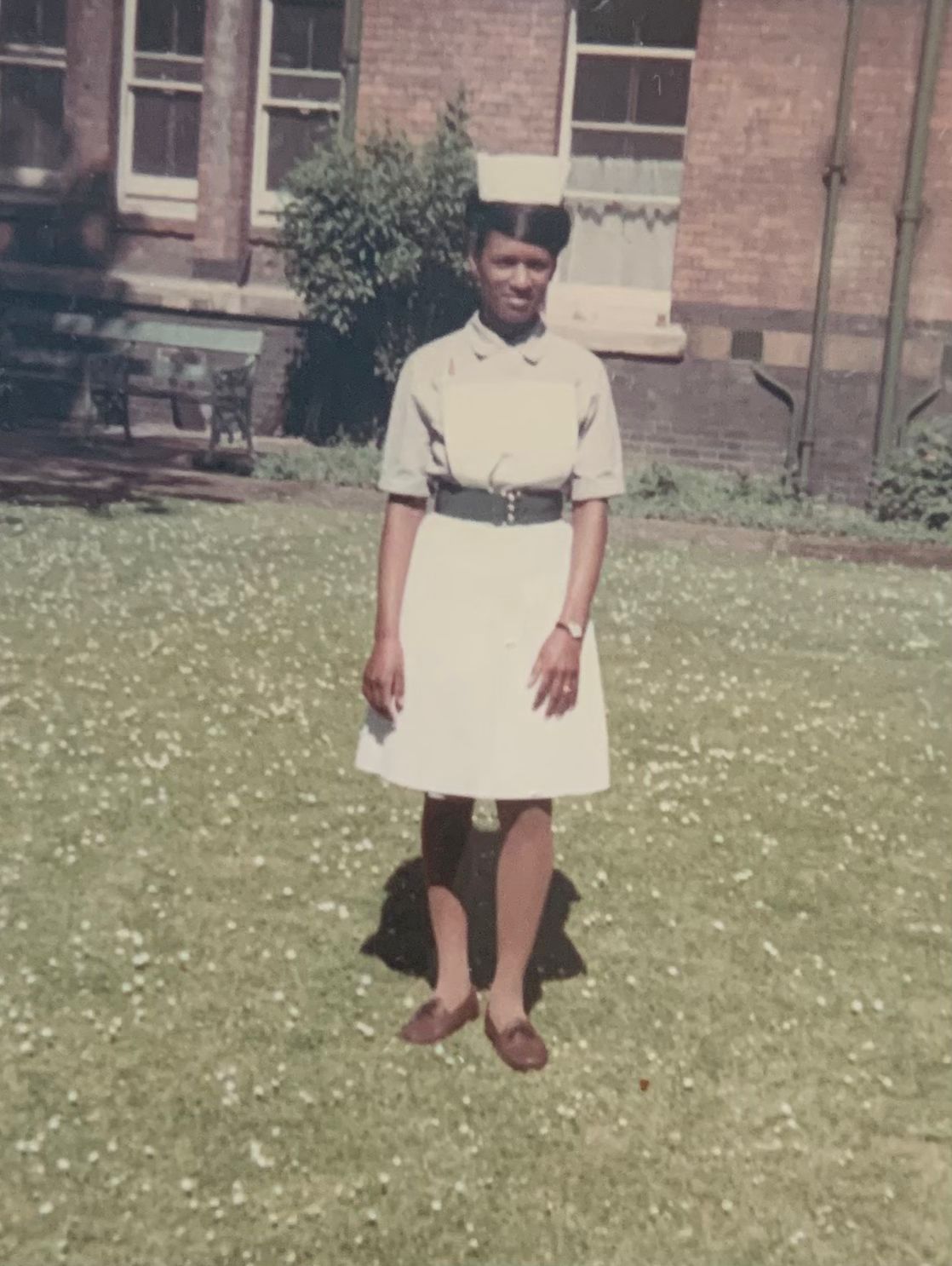
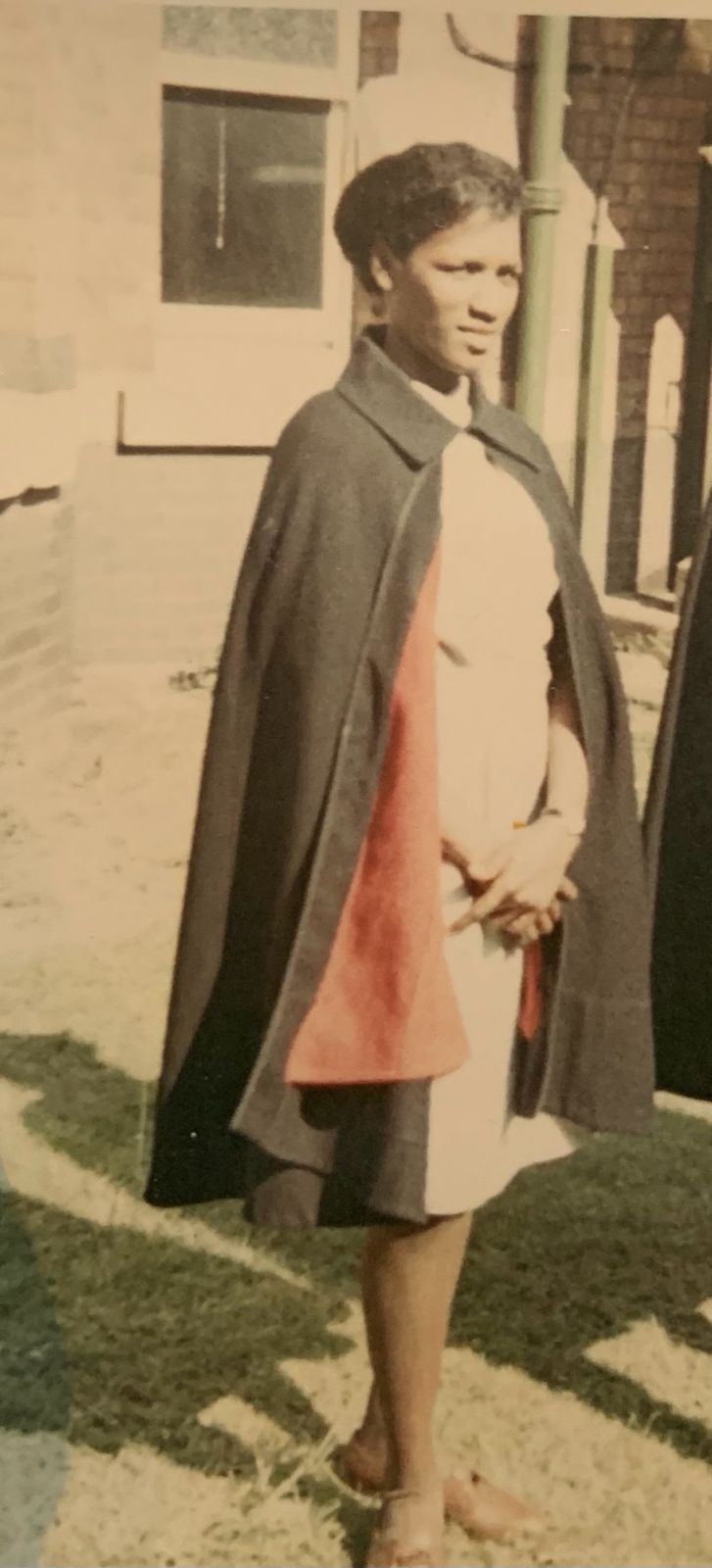
My own mother — a nurse from the Caribbean who served in theatre and district care — worked for decades in the NHS. She walked those wards with quiet strength, compassion and pride. But when she retired, she was told by official after official that there was no record of her employment in some of the very hospitals where she had spent years.
Her service, her sacrifice — lost. And with it, her pension. The reward for a lifetime of care denied with a shrug and a silence that said: “You do not count.”
She is not alone. A 2021 Times investigation revealed Windrush retirees like Nancy (90) and Gretel (66), nurses who returned to the Caribbean only to find their pensions frozen. Nancy was left scraping by on £39.33 per week — up to £70,000 short over decades.
Gretel now struggles to care for her elderly mother on the same meagre sum. This is not bureaucratic error. This is neglect made policy. This is institutional amnesia wearing a polite face.
And I wonder — no, I know — that were it not for these women, the National Health Service would have buckled under its own promise. It was built not only on ideals, but on the calloused hands of those who crossed oceans to make someone else’s country breathe again.
Now we celebrate them with plaques, with carefully chosen words that still can’t carry the weight of what they endured. But I ask — what does it mean to honour someone if we are not also willing to repair what was broken?
The story of the Windrush nurses is not a nostalgic tale to be filed under “diversity.” It is a mirror. And if you dare to look in it, you will see a nation still struggling to love the people who saved it.
“These hands have touched more pain than most men will ever imagine,” one might say, “and still they kept their tenderness.”
That is what they brought with them — not just skill, not just sweat, but a kind of grace that no legislation could ever legislate, no hospital ever deserved.
And for that, Britain owes them not just remembrance.
It owes them justice.










- Alzheimer’s the Black doctor who helped decode the disease
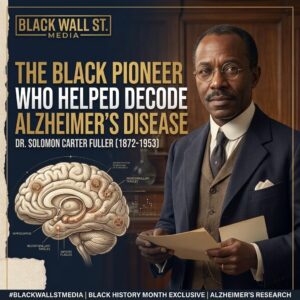 🧠✨ Celebrating an Unsung Hero! Dive into the captivating journey of Dr. Solomon Fuller, a pioneer in Alzheimer's research and a standout figure in Black history. From his roots in Liberia to groundbreaking discoveries, discover the legacy of a medical trailblazer who defied adversity. 🌟
 - The Voice of the Child, Young Person and; Service User
 Whose voices are we really hearing? And what happens when we truly listen? The 3rd DARDR/DVA & Criminal Justice Summit 2026 will bring together professionals, practitioners, community organisations, academics and people with lived experience to place children, young people and service users at the heart of the conversation. Under the theme “The Voice of the Child, Young Person & Service User,” this year’s Summit will explore domestic abuse, violence, safeguarding, exploitation, trauma and criminal justice — but most importantly, how listening can move beyond consultation and become meaningful action. 📅 Friday 27 November 2026 📍 Brent Civic Centre, Wembley 💻 Hybrid Event | CPD Accredited Read more about the Summit, the conversations it will explore and how to book your place.
 - The Crown in the Ledger: What Finding Britain’s Slave Traders Asked Us to Face
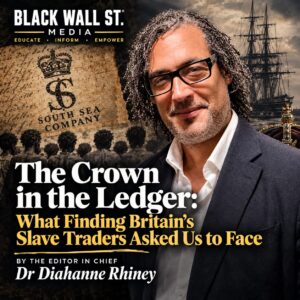 What happens when Britain’s history is no longer told through monuments, wealth and institutions, but through the ledger behind them? Finding Britain’s Slave Traders with David Olusoga brings names, companies, royal connections and fortunes into focus, forcing us to confront how deeply the transatlantic slave trade was embedded in British society. In “The Crown in the Ledger,” we explore what these records reveal about wealth, power, responsibility and the legacy that remains today. Read the full article and ask yourself: who owns what, who benefited, and what does honest accounting look like?
 - Is ‘Othello’ relevant today?
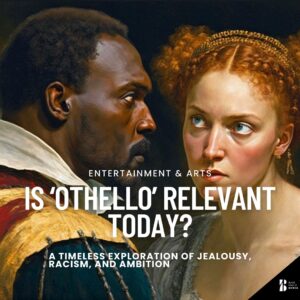 Othello: A Timeless Exploration of Jealousy, Racism, and Ambition
 - A life lived beyond the limits of representation
 Bonnie Greer was never simply a writer, playwright or broadcaster. She was a cultural force who refused to be confined by the expectations placed on Black women in public life. From Chicago to Britain, from theatre and literature to television and institutional leadership, she built a life defined by intellect, independence and an unapologetic right to occupy space. As Britain remembers her following her death at 77, this article looks beyond the achievements and asks what her life represented: the power of cultural authority, the importance of institutional access, and the freedom to be fully human rather than simply inspirational.













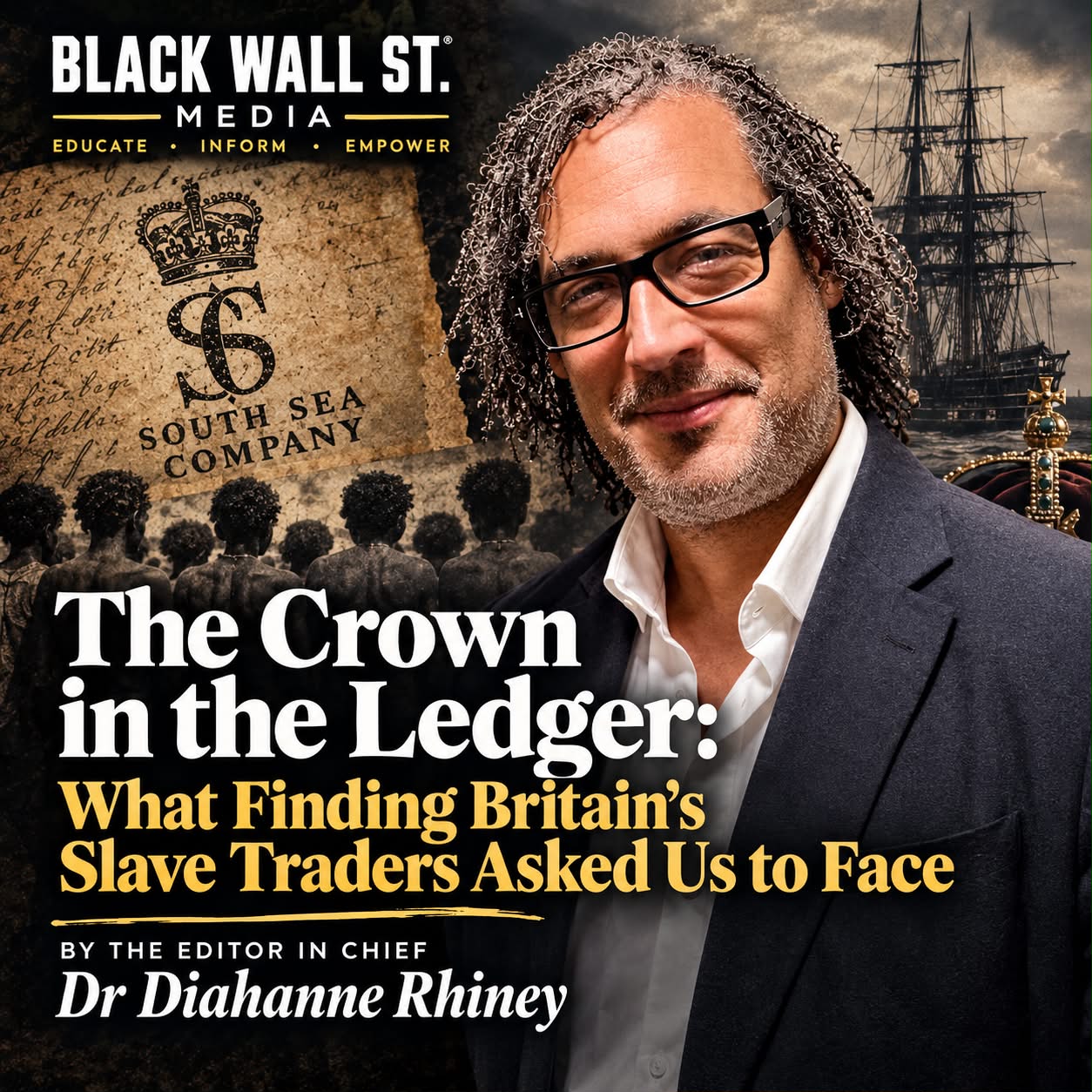
The Crown in the Ledger: What Finding Britain’s Slave Traders Asked Us to Face
Read More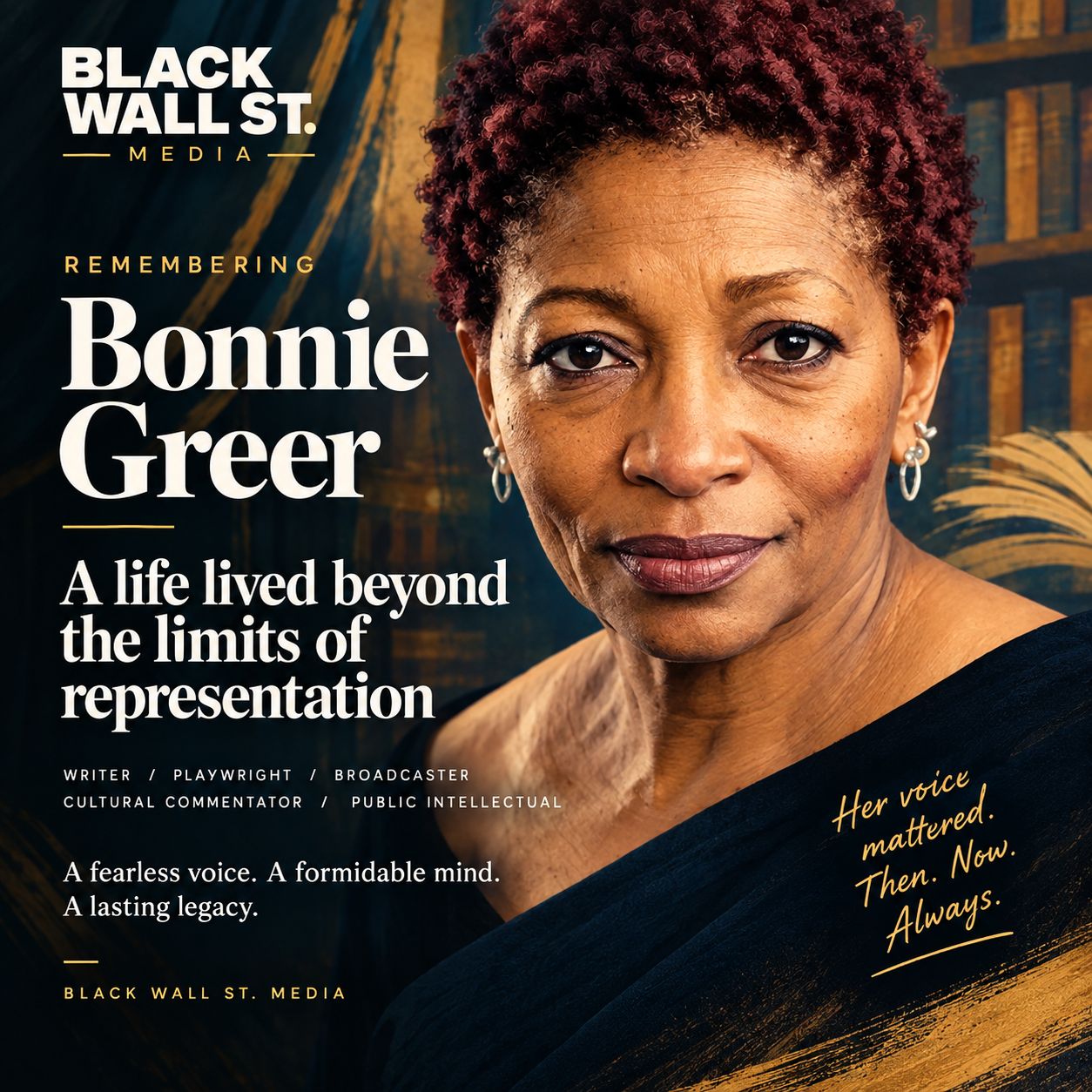
A life lived beyond the limits of representation
Read More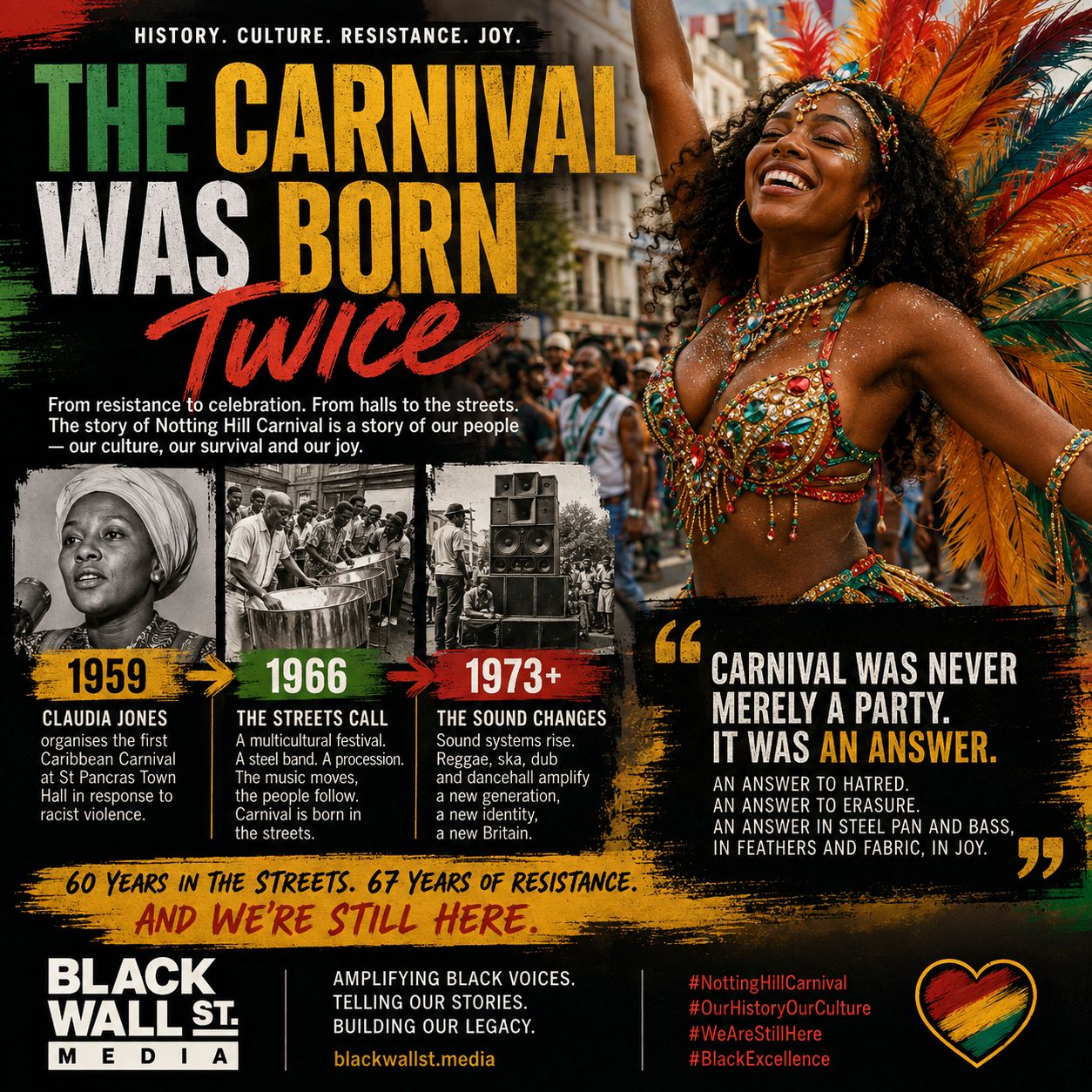
The Carnival Was Born Twice
Read More
Afterlives of Looted Heritage
Read MoreThe Wards They Were Erased From
Read More
World’s first Black professional footballer
Read More


INSANE ENERGY INCOMING!
The Carnival Was Born Twice
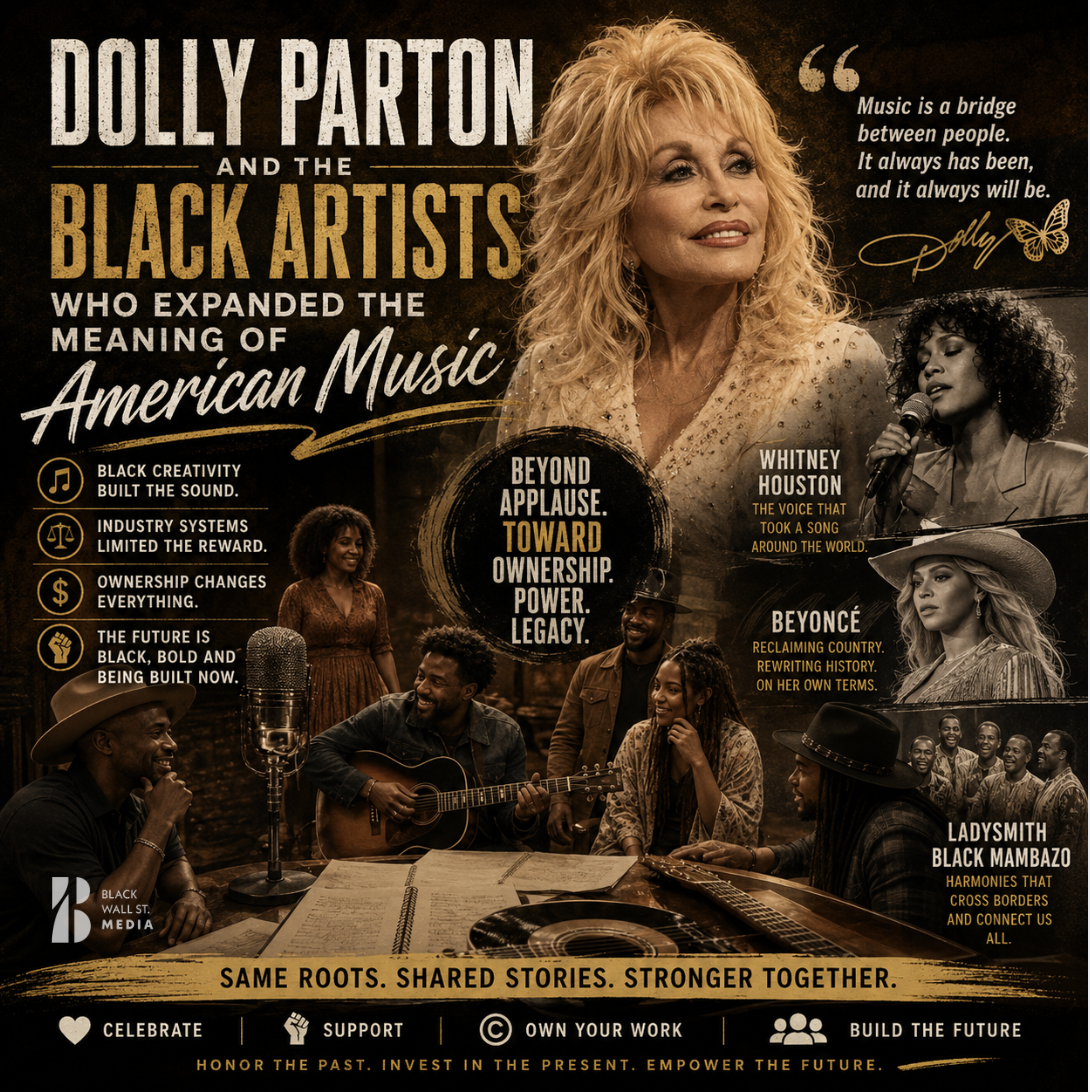
Dolly Parton and the Black Artists Who Expanded the Meaning of American Music
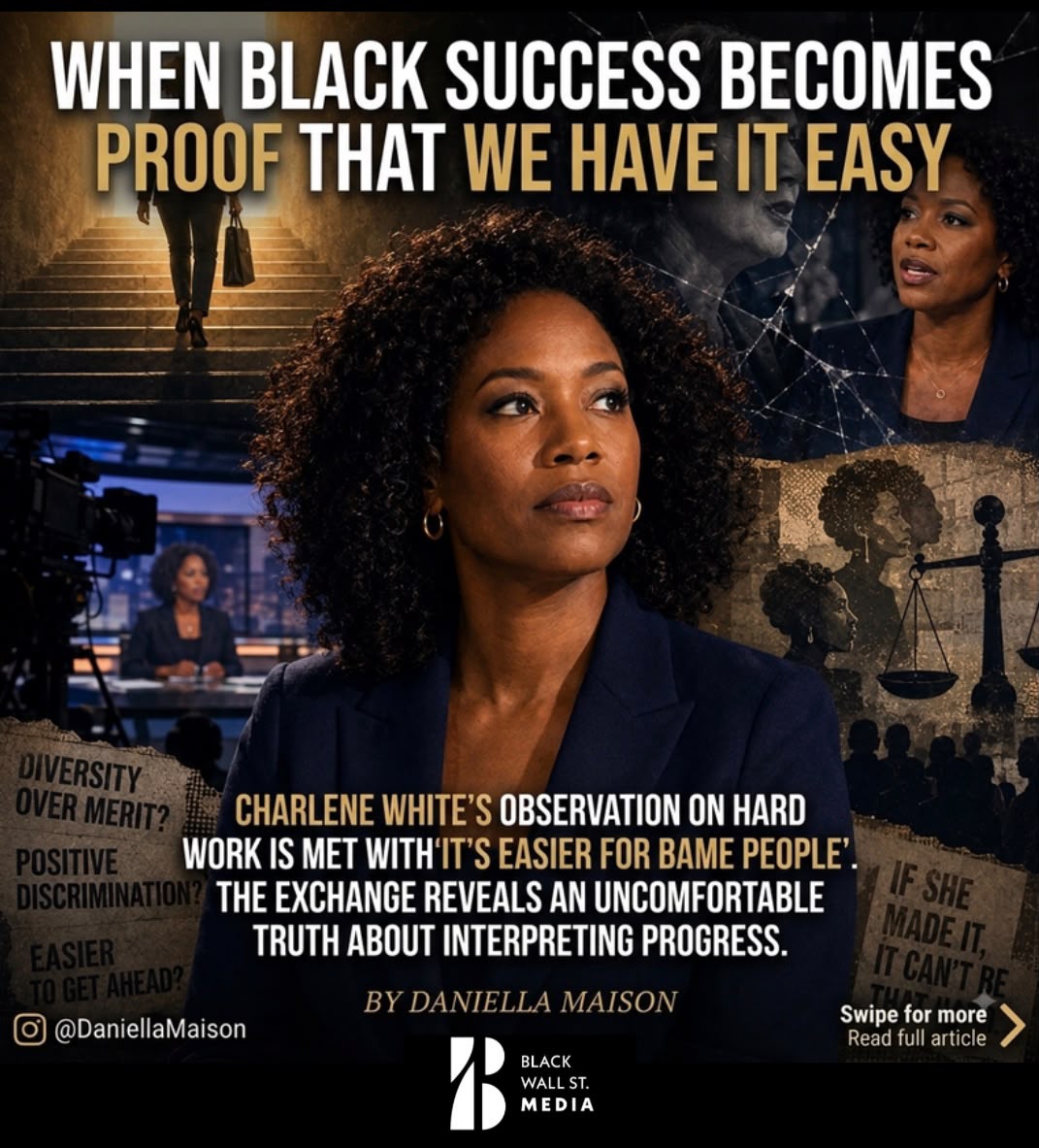
When Black Success Becomes Proof That We Have It Easy
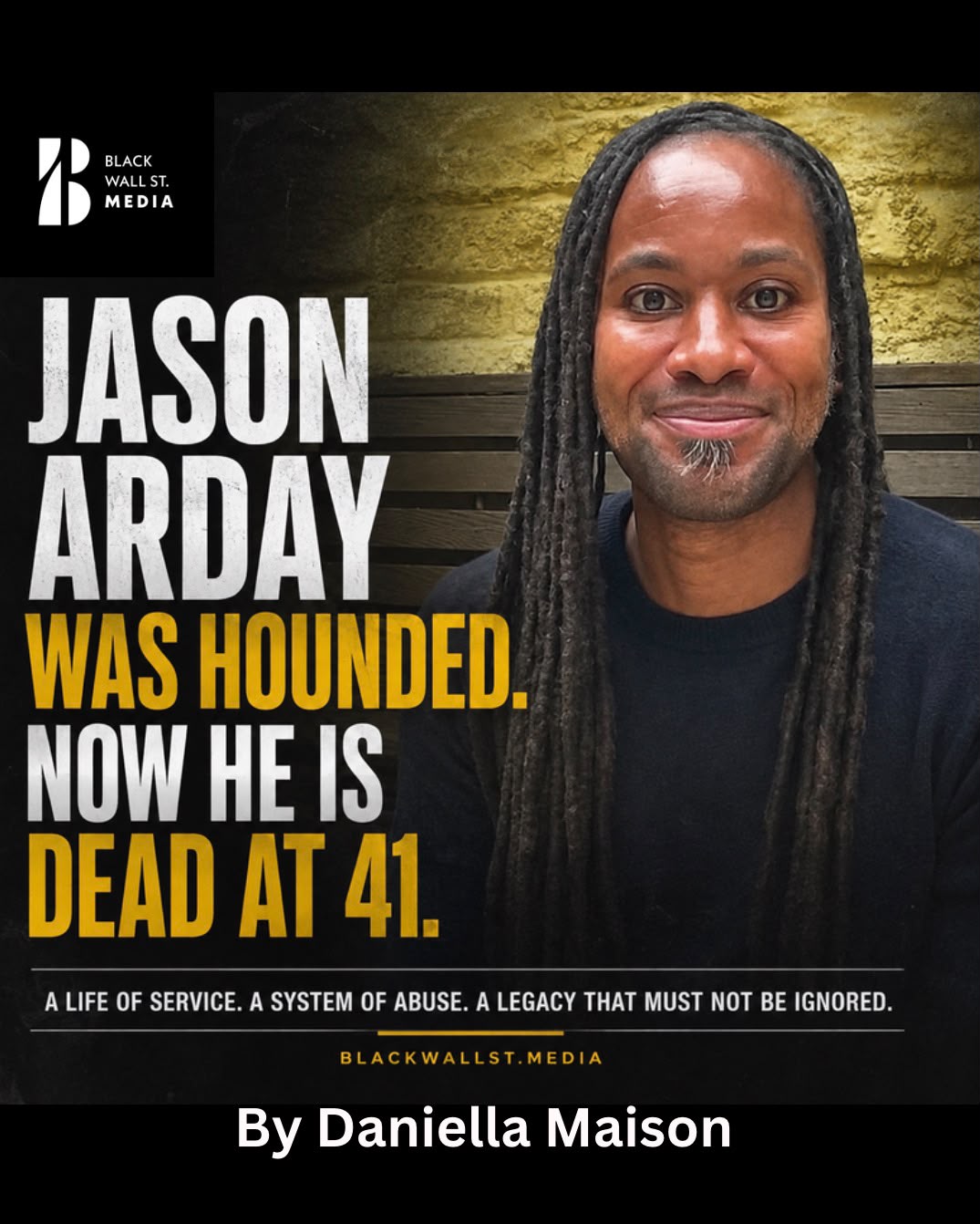
Jason Arday Was Hounded. Now He Is Dead at 41
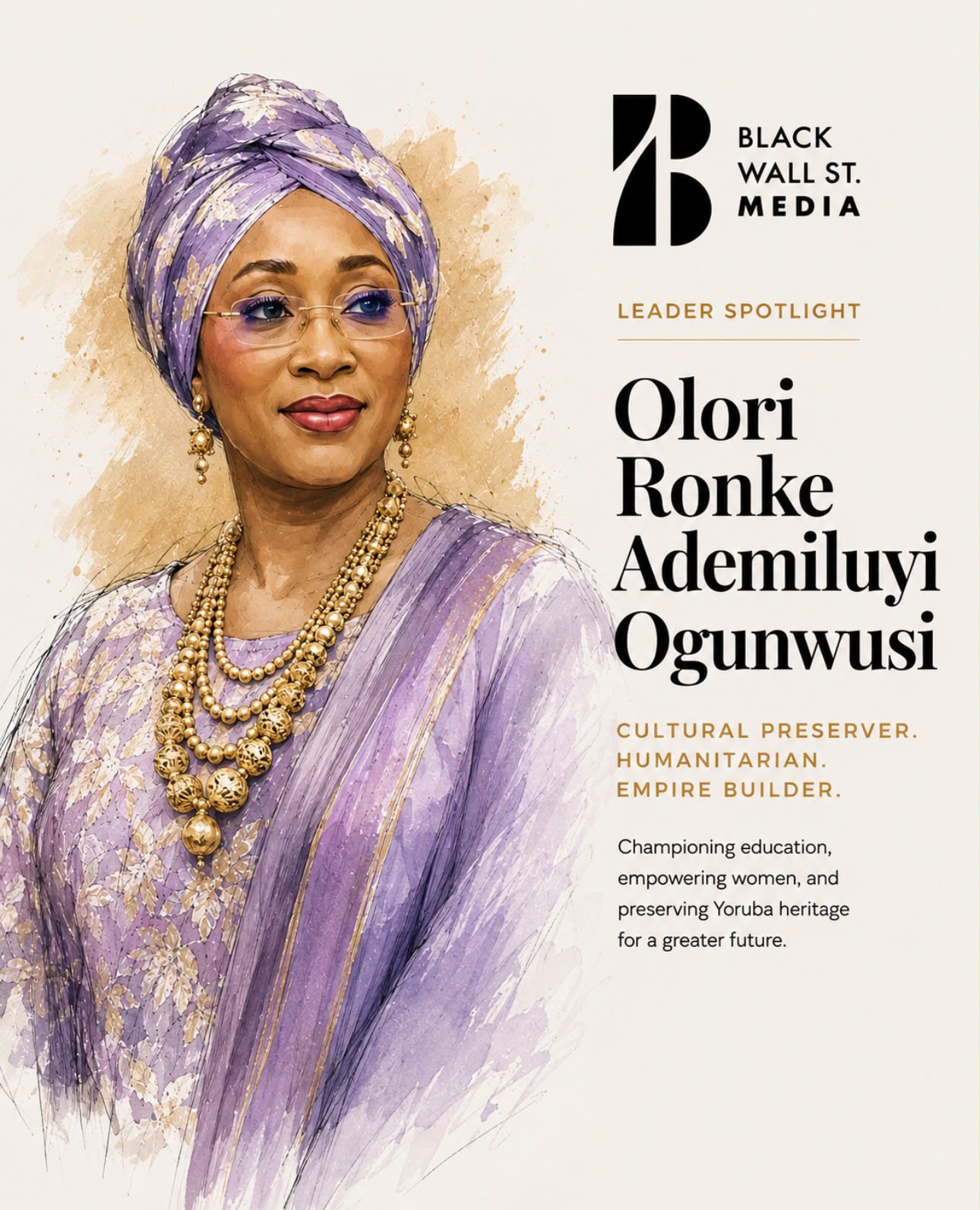
Beyond the Catwalk: How Olori Ronke Ademiluyi Ogunwusi Built an Economic Engine for African Fashion

African Fashion Week London Returns: Where Heritage Meets the Future of Fashion

Jamaica Tourist Board Partners with Reggae Land Bringing Jamaica to the UK’s Biggest Reggae Festival
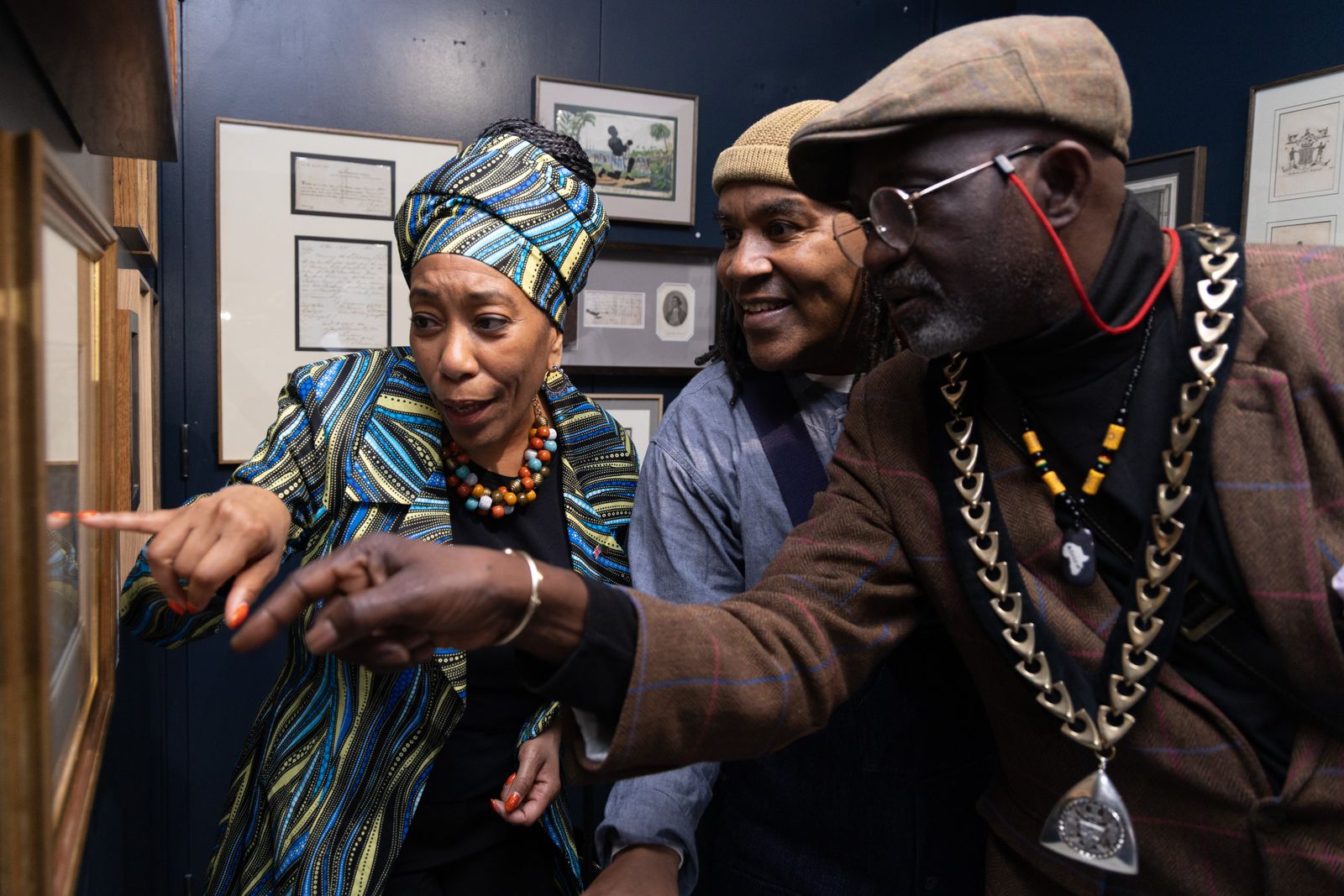
The Africa Centre’s 60th Anniversary Exhibition: a landmark celebration of history, presence and legacy