
KNIFE CRIME AWARENESS WEEK – 19th to 25th May 2025
Blades of Trauma
“Behind every blade is a story of fear, loss, and neglect. This isn’t just about crime—it’s about the cracks in our society. Read our latest piece on the roots of youth violence, and why awareness alone is not enough.”
BWSMCONTRIBUTOR







Blades of Trauma: Unveiling the Roots of Youth Knife Crime in the UK
They were not born with knives in their hands.
They were not born with fear in their eyes, nor with the sound of sirens etched into their ears like lullabies. They were born, as all children are born, into the world with a scream and a hope—cradled not in violence but in potential. But in this country, in these streets, something happens between cradle and casket. And it is that something we must now confront.
From 19th to 25th May 2025, Britain observed Knife Crime Awareness Week—a well-intentioned effort to educate, to remember, to prevent. Led by the Ben Kinsella Trust—named for a boy whose life was stolen not by a monster, but by a moment—the week called upon the nation to look itself squarely in the mirror. But what does a campaign matter in a country that refuses to ask why its children feel safer with a blade than without one? What is awareness in a world that would rather police pain than cure it?
I do not write this to condemn the campaign. On the contrary—it is necessary, and I honour it. But awareness, you see, is only the beginning. It is the whisper before the scream.
They Were Not Born With Knives in Their Hands
Knife crime is not a plague. It is a symptom.
To speak of prevention is noble. But one cannot simply say, “Put the knife down,” without asking, “What did you pick it up for?” A boy does not wake up one morning and decide to be feared. He wakes up in a world where he is already feared. And in that fear, the blade becomes a shield.
The Ben Kinsella Trust, in all its sorrow-born grace, reminds us that every statistic was once a child, every headline a heartbeat. This Trust works not merely to warn, but to teach—and it is this act of bearing witness that holds power. A boy with knowledge is harder to kill than a boy with a weapon.
But if we truly want to end knife crime, we must do more than mourn the dead and caution the living. We must change the world in which both try to survive. This country has a remarkable capacity to forget—especially when the blood is Black, or Brown, or poor. It remembers Shakespeare and Churchill, but forgets the names etched into headstones in council estates. And yet, these names—these children—are no less England’s sons.
Blades of Trauma: The Roots of Youth Knife Crime
In 2023, over 280 fatal stabbings were recorded in England and Wales—the deadliest year on record. Yet for every life lost, there is a story that began decades before: stories of children who bore burdens no child should carry. To understand these tragedies, we must look far beyond the blade itself.
1. Adverse Childhood Experiences (ACEs)
Research shows a brutal truth: early childhood trauma—abuse, neglect, witnessing domestic violence—can harden young hearts into weapons. These Adverse Childhood Experiences do not merely scar; they shape behaviour, skew trust, and warp the sense of self. A child flinches because they have known pain at the hands of those who should have protected them. In the absence of love, anger becomes the language they speak, and violence its only grammar.
2. Socio-Economic Factors
Poverty is not a passive backdrop—it is a predator. Unemployment, overcrowded homes, food insecurity, and austerity-driven cuts to youth services have hollowed out our communities. Over the past decade, youth service spending has plummeted by over 70%. Youth centres shuttered, counsellors disappeared, mentors vanished. In these desolate spaces, where hope is rationed and fear is endemic, crime finds fertile soil.
3. Gang Culture and Peer Pressure
When the world offers no safety, a gang offers family. In these circles, carrying a knife transforms from taboo into ritual—a mark of belonging, a promise of protection. Yet the knife that promises safety often guarantees only more danger. For every young person told “this will keep you safe,” there are countless more who learn that the blade can turn on you as swiftly as your foes.
4. Fear and Perception of Safety
Some youths carry knives for self-defence—believing it makes them safer. But statistics underline the tragic irony: carrying a blade increases your risk of being harmed by that very weapon. Fear begets fear; the knife begets another.
The Human and Societal Toll
Behind the statistics lie devastated families, haunted communities, and futures unfulfilled. We mourn high-profile deaths—like that of 14-year-old Kelyan Bokassa in London—yet too often our grief is performative, truncated at the obituaries.
Meanwhile, our public coffers strain under rising healthcare costs; courtrooms fill with adolescents; schools lose the children who might have been their greatest pride.
What is the value of a life cut short? What is the cost of a society that starves its young of belonging, then blames them when they lash out?
Solutions: From Reaction to Prevention
If we wish to stop the knives, we must first water the seeds of care. Prevention does not begin in custody suites; it begins in nurseries.
1. Early Intervention and Education
Emotional regulation, communication skills, conflict resolution—these should be core subjects, not extracurricular luxuries. Schools must become refuges, not fortresses. Every teacher trained not only in math and English but in trauma awareness, attuned to the flinch, the withdrawal, the unshed tears.
2. Community Engagement and Youth Services
Funding youth centres is not charity; it is investment. Places where children can play, learn, and be mentored deter them from streets where exploitation whispers. Mentors, coaches, volunteers—all must be supported to offer alternatives stronger than the lure of the gang.
3. Holistic Public Health Approaches
Violence Reduction Units in cities like Glasgow have adopted a public health model—treating knife crime as the epidemic it is. By focusing on healing and rehabilitation before enforcement, they have seen declines in youth violence. If we can inoculate communities with resources—mental health support, safe spaces, crisis intervention—we can break the chains of trauma.
4. Legislative Measures and Fair Enforcement
Laws like the Offensive Weapons Act 2019 can restrict access to blades—but only if enforced with community cooperation and mutual trust. Policing must shift from “stop and search” to “stop and support.” Under the Metropolitan Police’s “child-first” training, officers learn to recognise vulnerability and respond with care—a model we must extend nationwide.
Call to Action: A Collective Responsibility
The question Knife Crime Awareness Week poses is not merely “How do we reduce stabbings?” but “What kind of country do we wish to be?”
Policymakers must guarantee sustained funding for youth services—and treat these budgets as untouchable lifelines.
Educators need the tools and training to see every child behind the behaviour, every trauma behind the tantrum.
Community Leaders must foster spaces of belonging, not abandonment.
Law Enforcement should build bridges, not barriers—prioritising prevention over punishment.
Parents and Guardians must speak honestly about danger, but also about hope, resilience, and the power of being seen.
Beyond the blade is a child. And beyond that child is a community, yearning for safety and solidarity. If we are brave enough to name our failures—our cuts to care, our impatience with pain, our blindness to bias—then we can begin to heal.
Because the truth—the terrible, burning, necessary truth—is that knife crime is preventable. It is not fate. It is not written in the stars. It is made by man, and it can be unmade by man. But only if we are willing to carry each other before the blade is ever needed.
And if we fail to try, if we choose silence or slogans instead of justice—then the knives will keep singing, and the children will keep falling. And we will have no one to blame but the mirror.
Oh Silent Night
In Loving Memory of Cher Chanel Maximen
This piece is a lament for lives lost too soon, a cry into the silence left behind by senseless violence. It’s dedicated to every voice that was never given a chance to say goodbye, and every family left asking: What is the cost?
Credit – Dr Lawrence Hoo










- Alzheimer’s the Black doctor who helped decode the disease
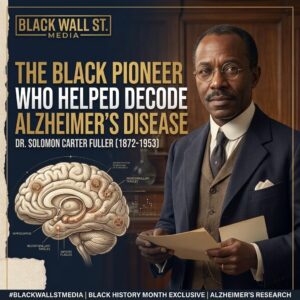 🧠✨ Celebrating an Unsung Hero! Dive into the captivating journey of Dr. Solomon Fuller, a pioneer in Alzheimer's research and a standout figure in Black history. From his roots in Liberia to groundbreaking discoveries, discover the legacy of a medical trailblazer who defied adversity. 🌟
 - The Voice of the Child, Young Person and; Service User
 Whose voices are we really hearing? And what happens when we truly listen? The 3rd DARDR/DVA & Criminal Justice Summit 2026 will bring together professionals, practitioners, community organisations, academics and people with lived experience to place children, young people and service users at the heart of the conversation. Under the theme “The Voice of the Child, Young Person & Service User,” this year’s Summit will explore domestic abuse, violence, safeguarding, exploitation, trauma and criminal justice — but most importantly, how listening can move beyond consultation and become meaningful action. 📅 Friday 27 November 2026 📍 Brent Civic Centre, Wembley 💻 Hybrid Event | CPD Accredited Read more about the Summit, the conversations it will explore and how to book your place.
 - The Crown in the Ledger: What Finding Britain’s Slave Traders Asked Us to Face
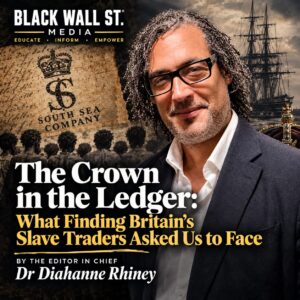 What happens when Britain’s history is no longer told through monuments, wealth and institutions, but through the ledger behind them? Finding Britain’s Slave Traders with David Olusoga brings names, companies, royal connections and fortunes into focus, forcing us to confront how deeply the transatlantic slave trade was embedded in British society. In “The Crown in the Ledger,” we explore what these records reveal about wealth, power, responsibility and the legacy that remains today. Read the full article and ask yourself: who owns what, who benefited, and what does honest accounting look like?
 - Is ‘Othello’ relevant today?
 Othello: A Timeless Exploration of Jealousy, Racism, and Ambition
 - A life lived beyond the limits of representation
 Bonnie Greer was never simply a writer, playwright or broadcaster. She was a cultural force who refused to be confined by the expectations placed on Black women in public life. From Chicago to Britain, from theatre and literature to television and institutional leadership, she built a life defined by intellect, independence and an unapologetic right to occupy space. As Britain remembers her following her death at 77, this article looks beyond the achievements and asks what her life represented: the power of cultural authority, the importance of institutional access, and the freedom to be fully human rather than simply inspirational.













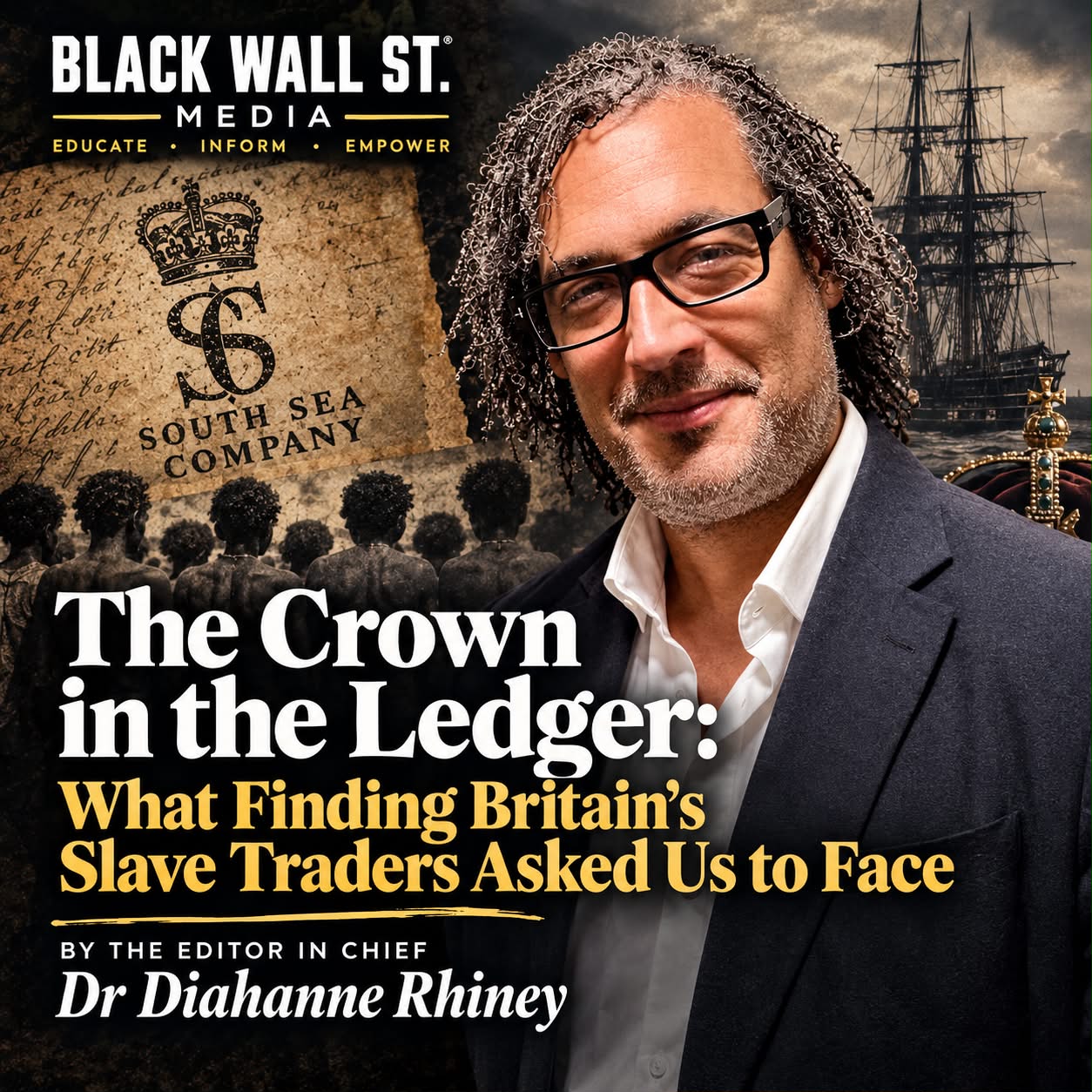
The Crown in the Ledger: What Finding Britain’s Slave Traders Asked Us to Face
Read More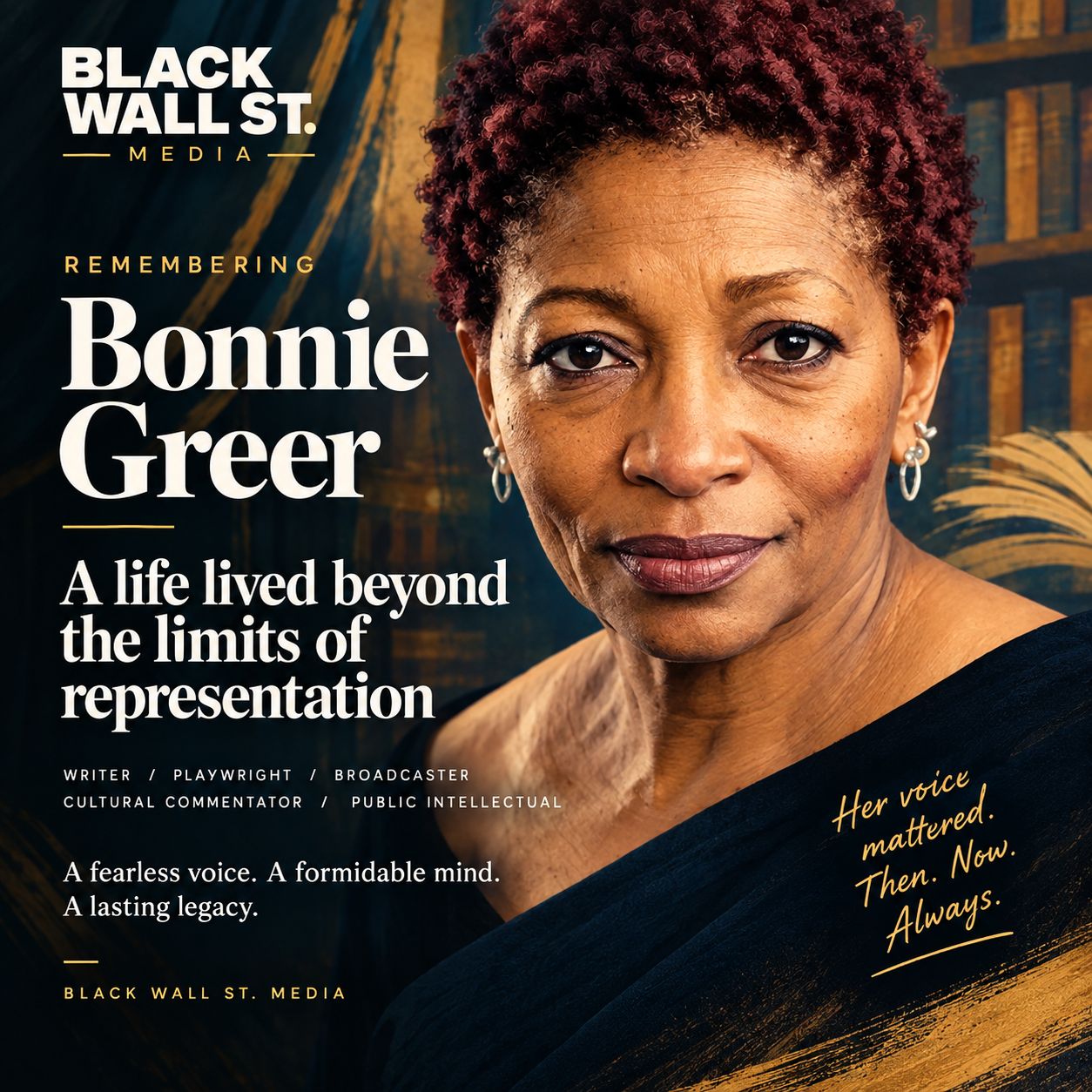
A life lived beyond the limits of representation
Read More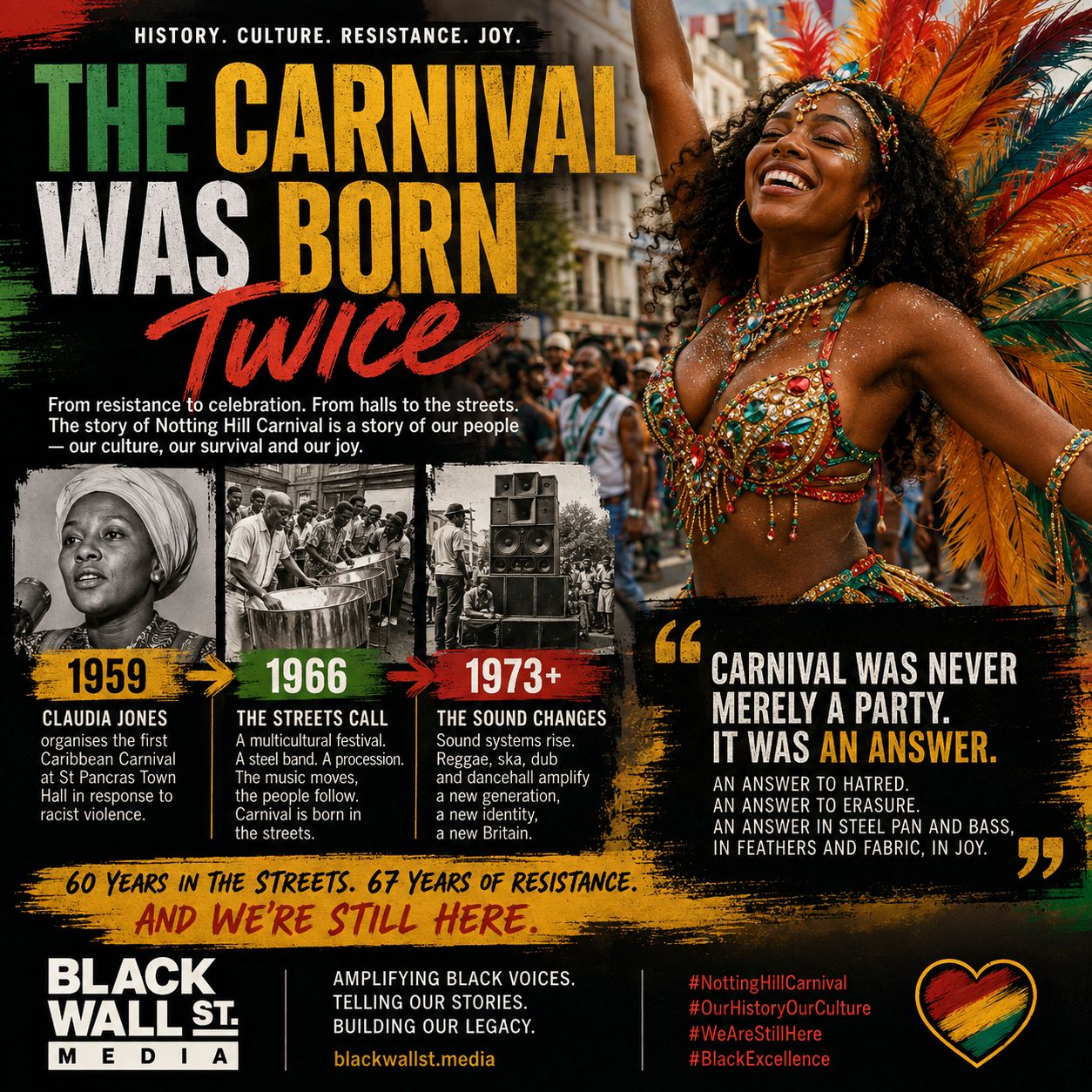
The Carnival Was Born Twice
Read More
Afterlives of Looted Heritage
Read More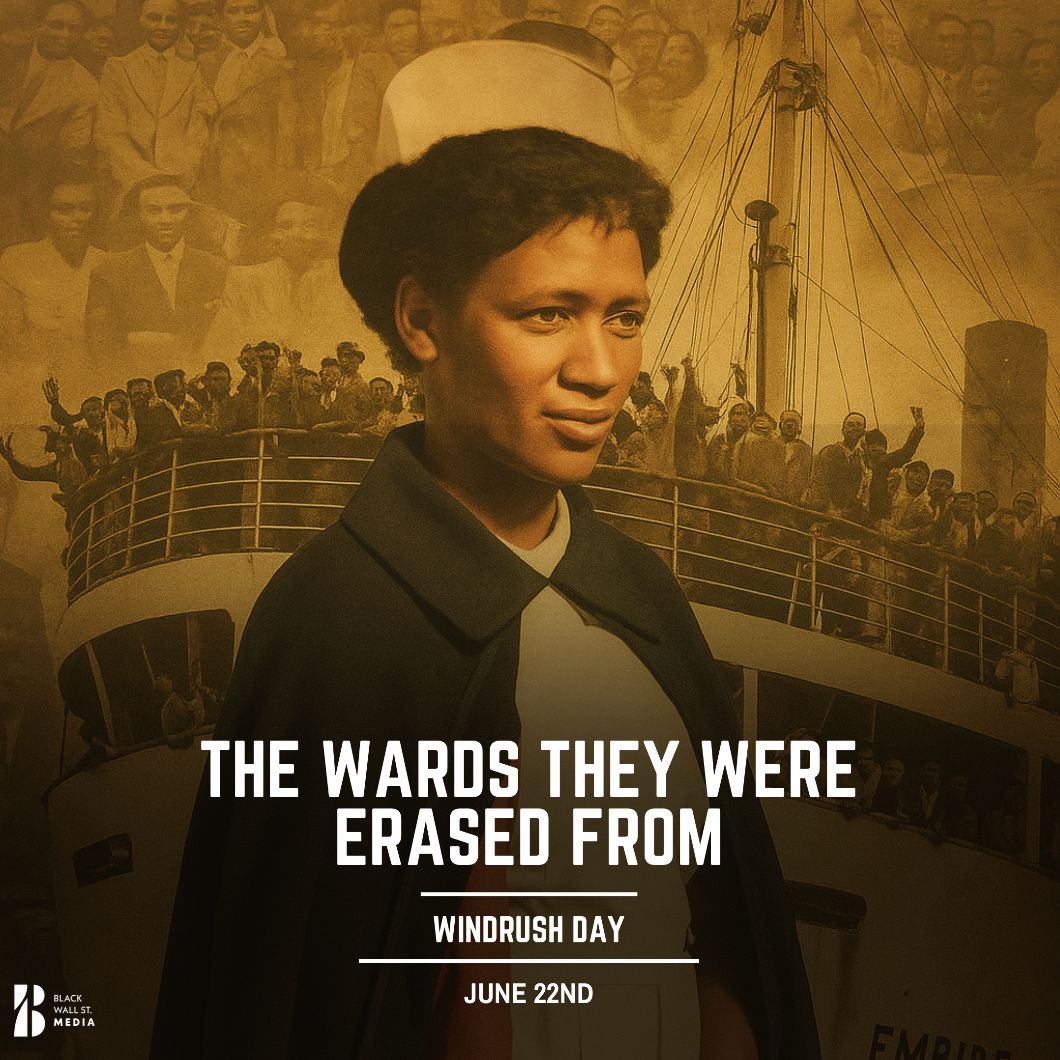
The Wards They Were Erased From
Read More
World’s first Black professional footballer
Read More


INSANE ENERGY INCOMING!
The Carnival Was Born Twice
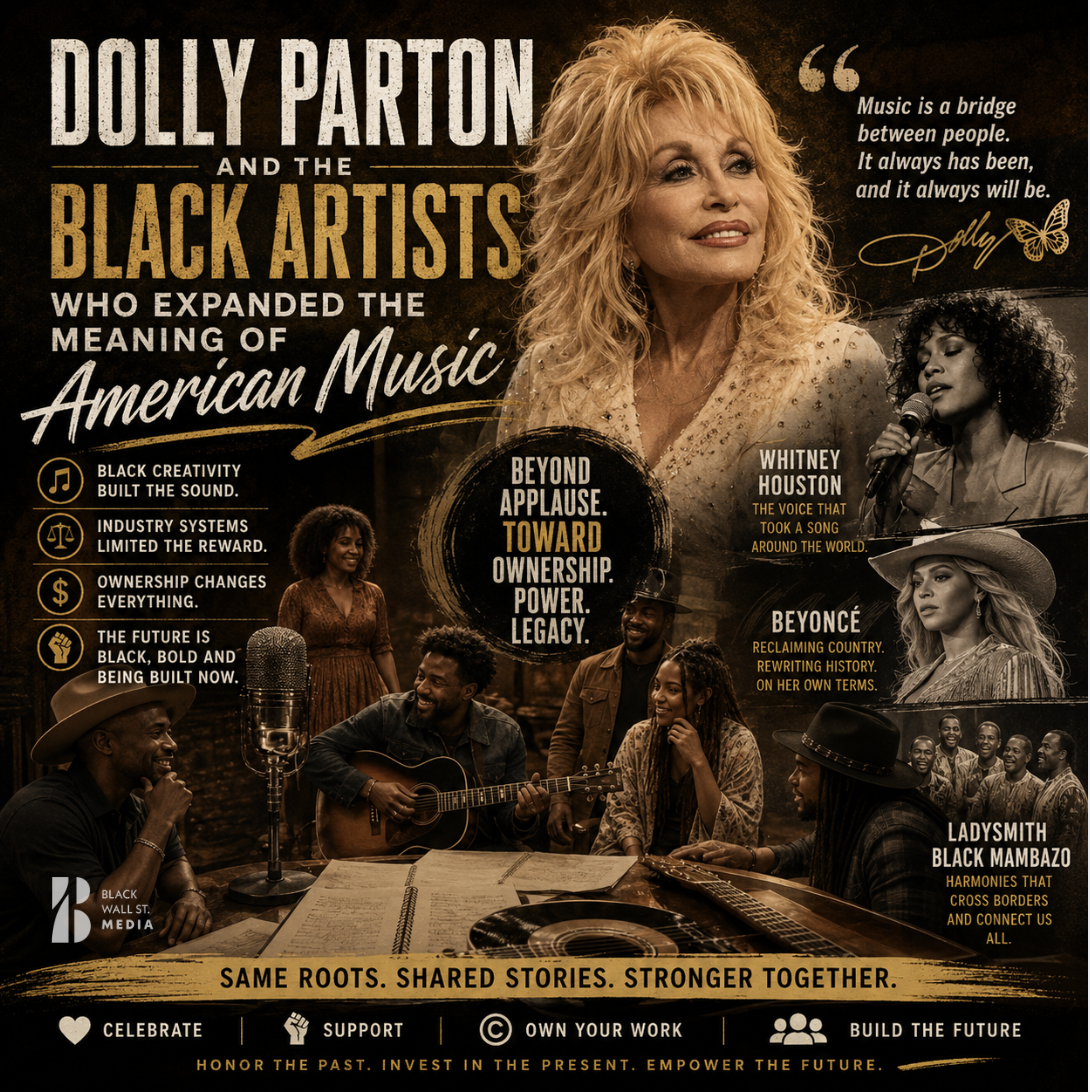
Dolly Parton and the Black Artists Who Expanded the Meaning of American Music
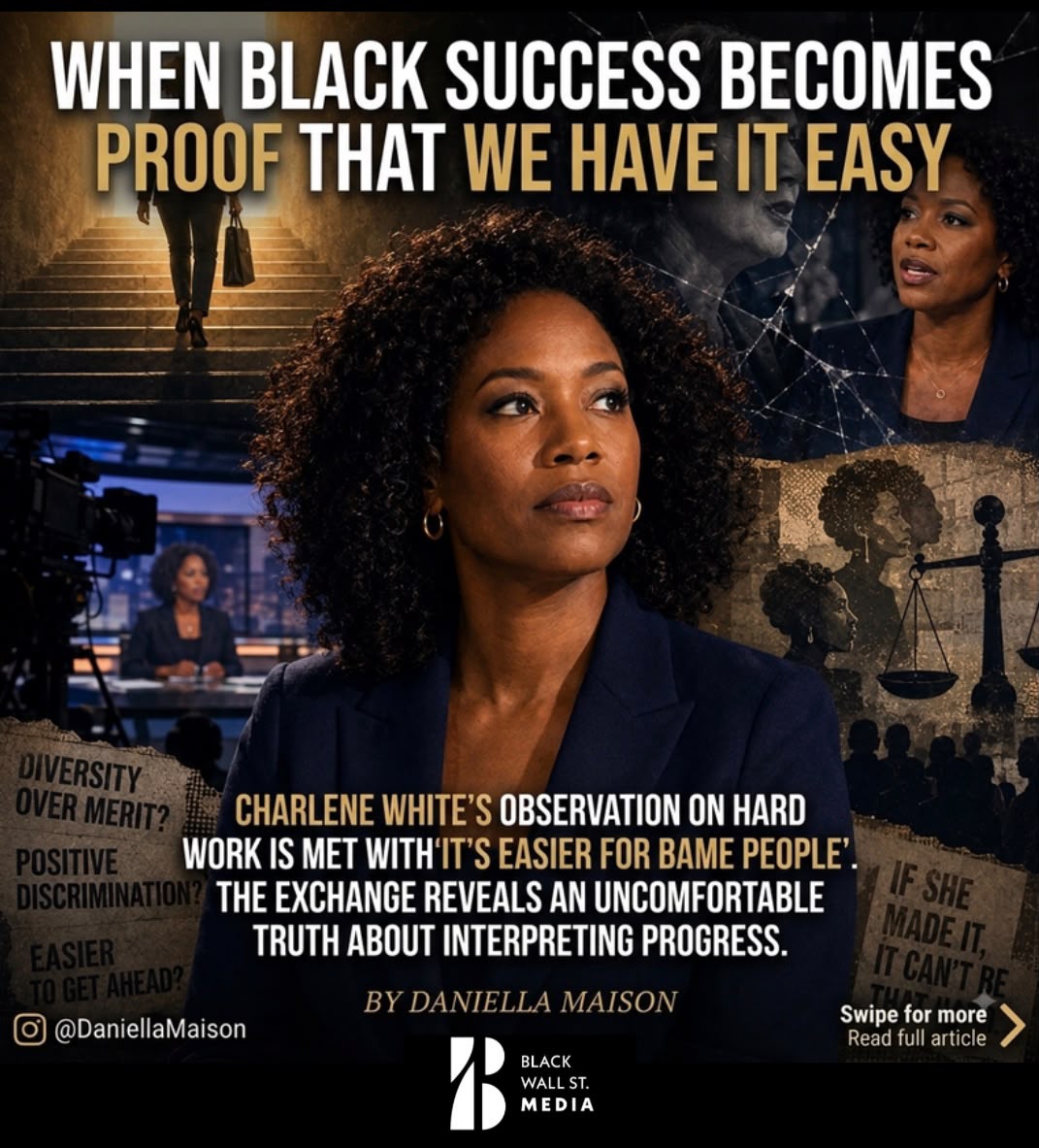
When Black Success Becomes Proof That We Have It Easy
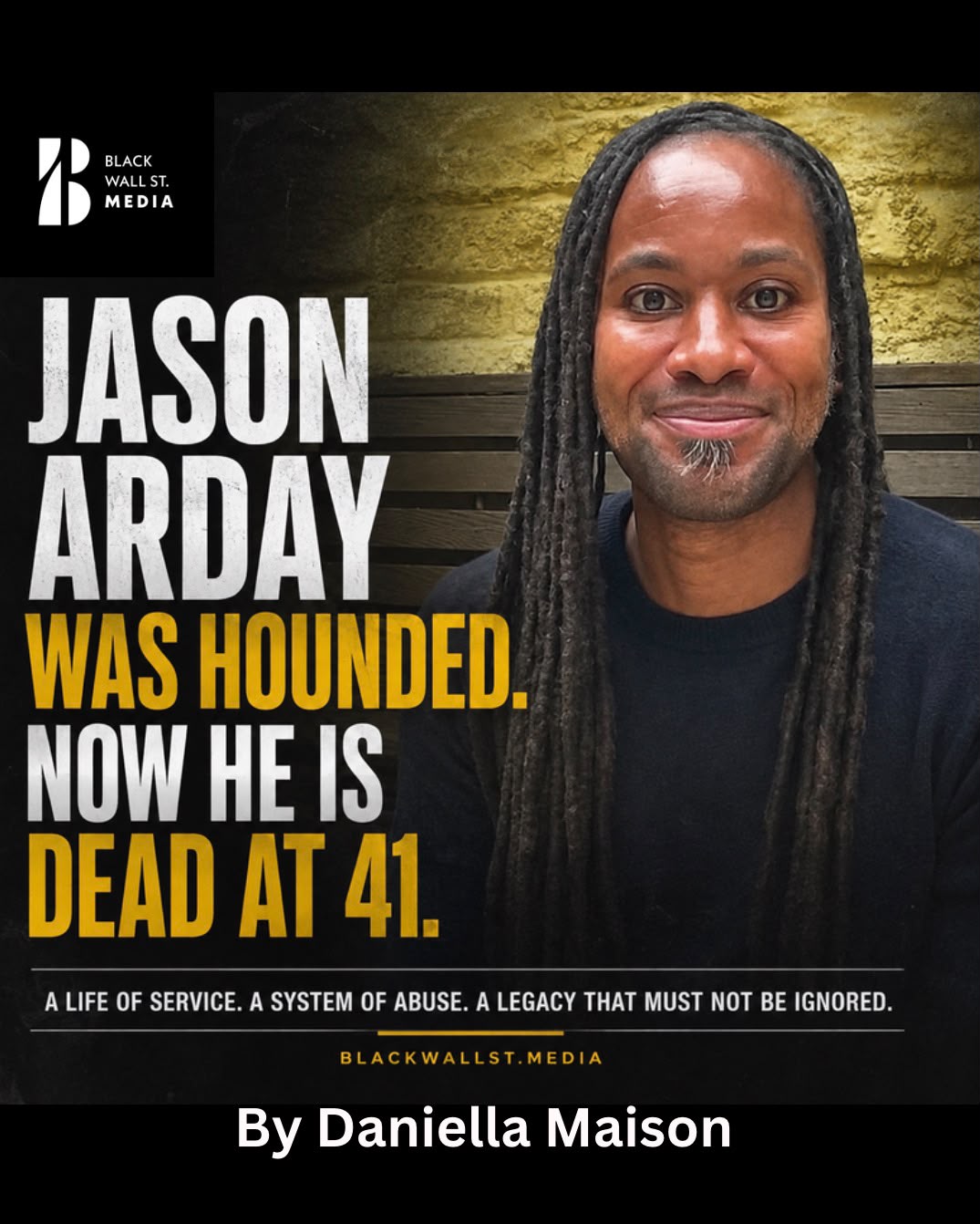
Jason Arday Was Hounded. Now He Is Dead at 41
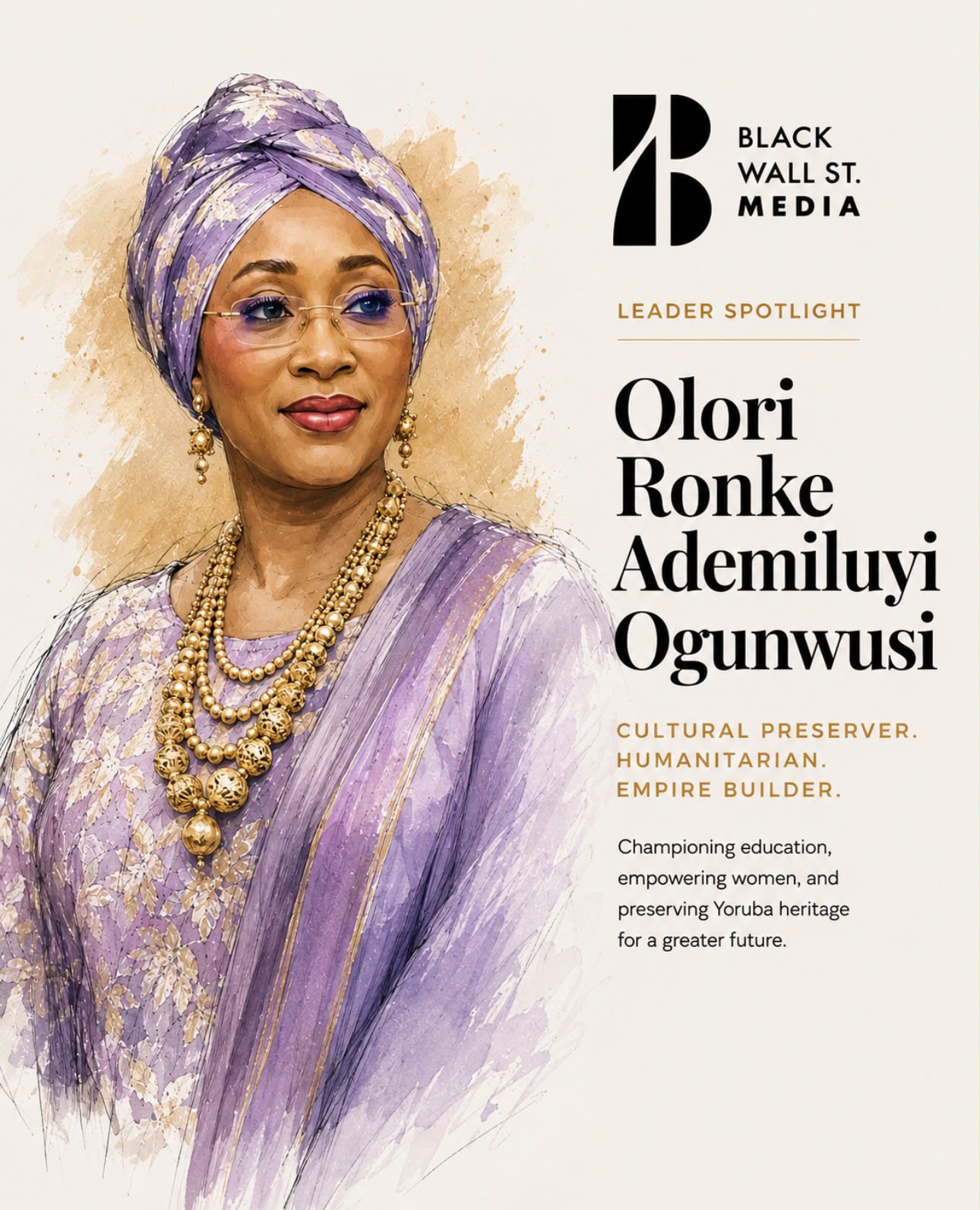
Beyond the Catwalk: How Olori Ronke Ademiluyi Ogunwusi Built an Economic Engine for African Fashion

African Fashion Week London Returns: Where Heritage Meets the Future of Fashion

Jamaica Tourist Board Partners with Reggae Land Bringing Jamaica to the UK’s Biggest Reggae Festival
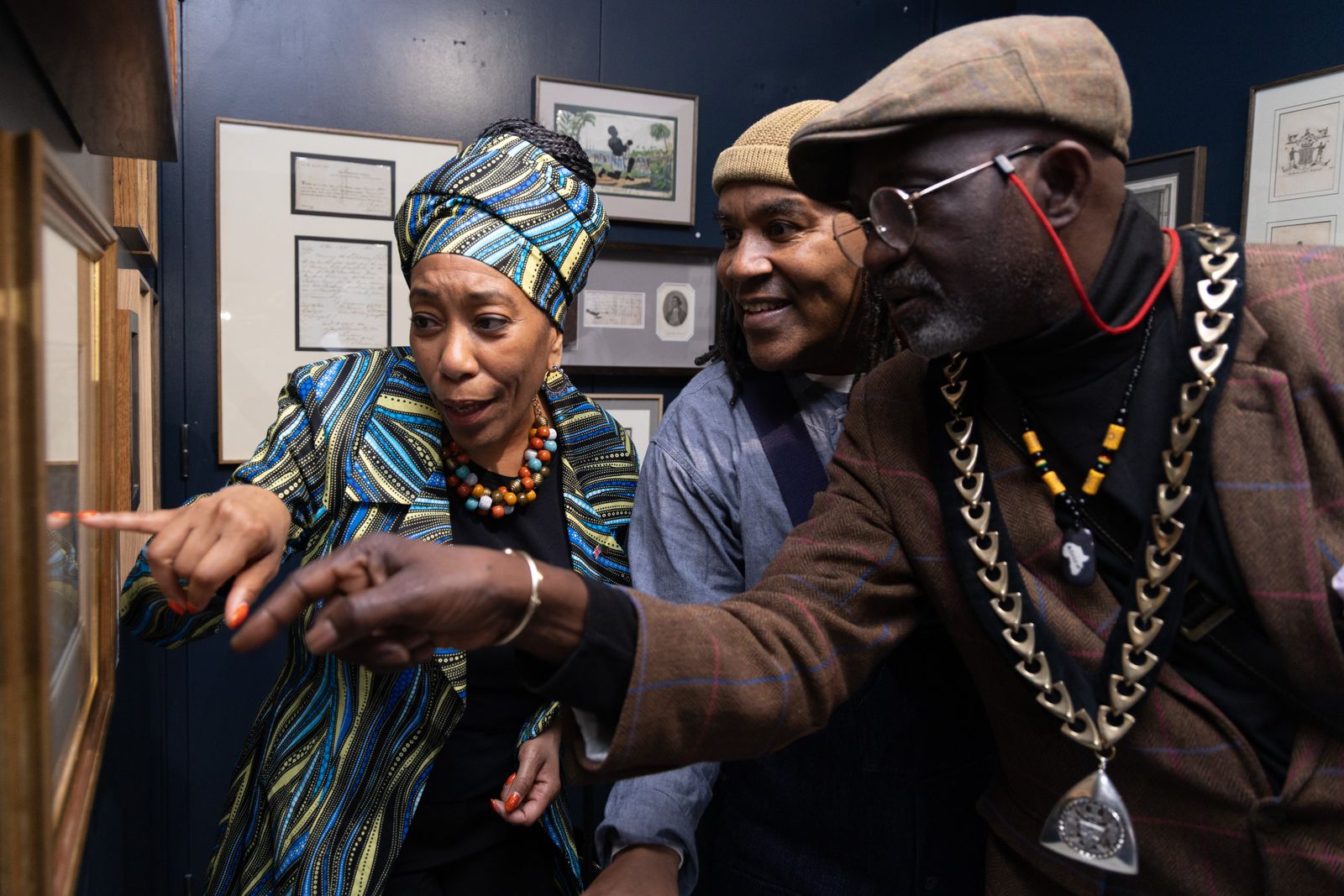
The Africa Centre’s 60th Anniversary Exhibition: a landmark celebration of history, presence and legacy