Arts & Culture
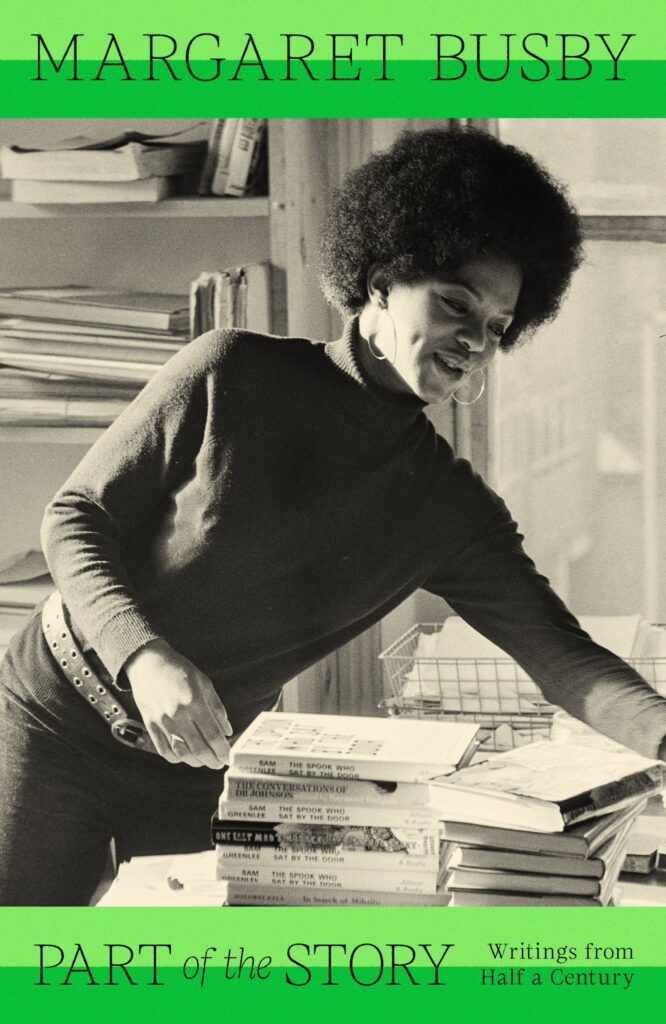
Margaret Busby’s Part of the Story (Hamish Hamilton, 2026)
“Few figures have had a greater impact on British publishing than Margaret Busby. As the UK's first Black woman publisher and a lifelong champion of diverse voices, her influence has shaped generations of writers and readers. In this review, John Stevenson explores ‘Part of the Story: Writings from half a century’, Busby's remarkable new collection of essays, reviews, speeches and reflections, which chronicles more than fifty years of literary and cultural history while illuminating the legacy of one of publishing's most important pioneers.”
John StevensonContributor





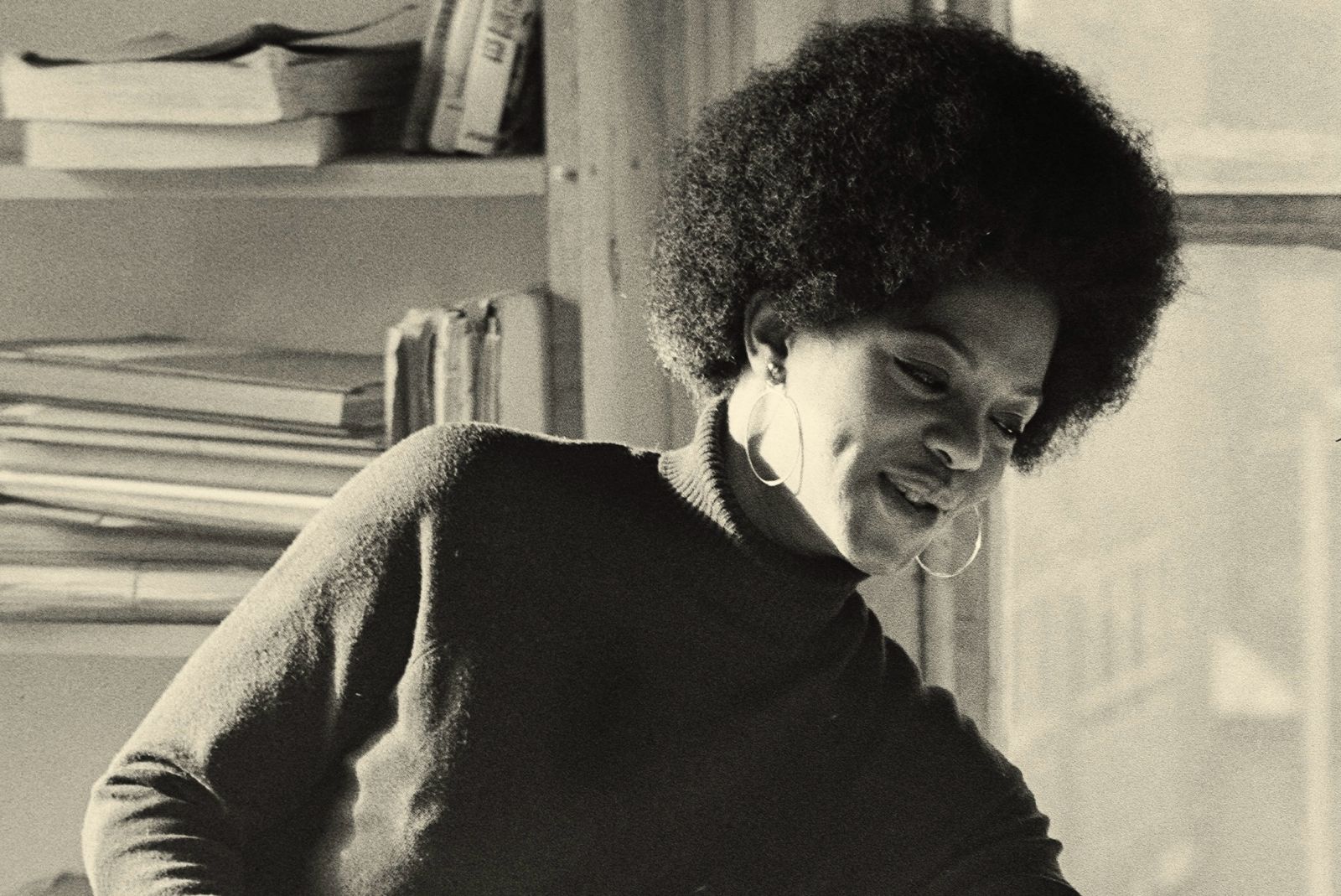
This substantial collection gathers her journalism, reviews, speeches, tributes and cultural commentary from the late 1960s to the present, offering a portrait of Busby herself, and simultaneously, a panoramic view of Black British and diasporic writing and publishing across five decades.
What comes through clearly is a collection which serves as a historical document and a personal anthology – an archive of a life lived in and through literature.
A woman of firsts
Born in Accra, Ghana, to a family whose roots stretch across Barbados, Trinidad and Dominica, Margaret Busby CBE, Hon. FRSL (Nana Akua Ackon) would go on to make British publishing history. In 1967, still in her early twenties, she co-founded Allison & Busby with Clive Allison, becoming the country’s youngest – and its first Black woman – book publisher.
As this woman of firsts explained to this writer several years ago with characteristic humour and candour: “We started off with virtually no money. We printed 15,000 paperback poetry books priced at 5 shillings, and our idea of distribution was stopping people on the street and asking them to buy our books.”
It is a story that captures both the idealism and the sheer determination that defined her entry into the industry.
Over the next two decades, Busby moulded Allison & Busby into one of the most distinctive independent presses in Britain. As editorial director, she published a remarkable list of writers whose work would become central to Black British and diasporic literature. Among the standout titles were Sam Greenlee’s The Spook Who Sat by the Door, Buchi Emecheta’s Second Class Citizen, C.L.R. James’s The Black Jacobins, and George Lamming’s The Pleasures of Exile.
Although A&B never positioned itself as a specifically Black publishing house, Busby’s editorial vision made it a vital platform for writers from the African diaspora at a time when mainstream British publishing offered few such outlets. Other authors she championed included Val Wilmer, Miyamoto Musashi, Michele Roberts, Rosa Guy, and Andrew Salkey, further demonstrating the breadth of her literary interests.
After leaving A&B, Busby continued to shape the publishing landscape as editorial director of Earthscan, before moving into a wide-ranging freelance career as an editor, writer, cultural commentator, and Booker Prize judge among other roles. She has edited two ground-breaking anthologies that together champion the work of over 400 women of African descent over several centuries: the publication of Daughters of Africa (1992) changed the literary landscape; its sequel, New Daughters of Africa (2019), seeded and launched the Margaret Busby New Daughters of Africa Award, which annually funds a woman student from Africa to study at SOAS, University of London. Her influence – across books, journalism, broadcasting and literary advocacy – has only grown in the years since, marking her as one of the most enduring and transformative figures in contemporary British literature.
Phases in the professional and intellectual journey
Part of the Story is organised into five chronological sections, each marking a distinct phase in Busby’s professional and intellectual journey.
Threaded throughout the book is a recurring timeline of Black women in writing and publishing. It starts in 1746 with Lucy Terry’s Bars Fight, the earliest known poem by an African American and includes Mary Seacole’s bestselling 1857 memoir and Claudia Jones’s founding of the West Indian Gazette in 1958, culminating in Toni Morrison’s Pulitzer Prize for Beloved – who went on to win the 1993 Nobel Prize for Literature. This vital timeline situates Busby’s own work within a centuries-long continuum of Black women who have written, published, edited and insisted on their place in literary history.
The opening section, 1960s to 1980s, titled The Girl from Ghana Goes into Publishing, traces her early years including the founding of Allison & Busby in 1967. Here, Busby’s authorial voice is youthful and energetic, with tales of other early Black publishers such as John La Rose, Jessica and Eric Huntley, Yvonne Collymore and Desmond Johnson.
The second section, 1990s: Going It Alone, reflects Busby’s shift into freelance work after two decades as A&B’s editorial director. The pieces here show her very broad range of topics: included are sharp and concise reviews of work written by Derek Walcott and Toni Morrison and her address to the 11th International Book Fair of Radical and Third World Books in 1993.
The third section, 2000–2009: All Singing, All Dancing, again showcases Busby’s incisive pen, commenting on concepts of identity and influence. She sheds valuable light on the lives of historical figures including Malcolm X, John La Rose, Roy Heath, and Michael X.
In the fourth section, 2010–2019: Around the World and Back Again, Busby’s global perspective comes even sharper into view by way of compelling obituaries on Ilan Halevi, Buchi Emecheta, Richard ‘Dick’ Hart, and Sam Greenlee among other work.
The final section, 2020s: Passing It On, thrusts the collection a little more firmly into the contemporary period. Busby is in reflective mode – meditating on her life in publishing and documenting the loss of her friend, the outstanding Ghanaian writer, Ama Ata Aidoo. In the piece titled ‘What Needs to Happen to Create ‘Mainstreaming’ and Greater Choice of Books’ she raises pertinent and uncomfortable questions around diversity and inclusivity in the British literary milieu. It serves to confirm her role as a veteran who has not only shaped the literary establishment but continues to think deeply about how it might evolve for the betterment of communities who may not share the benefits of the mainstream.
What makes Part of the Story so compelling is the way it captures Busby’s commitment to widening the frame of British culture, and her instinct for recognising otherwise marginalised writers who have reshaped or are in the process of reshaping the British and global landscape of letters.
It is hoped that the “fuller story” will include her musings on jazz, of which she remains an avid enthusiast, having written lyrics for many jazz songs over the years. That more fleshed out story, one would imagine, should include her stories of encounters with people like Randy Weston, Abdullah Ibrahim, Nina Simone, Hugh Masekela and Helen Humes, to mention just a few storied jazz artistes.
Part of the Story nonetheless stands as a testament to a life spent actively expanding what and who counts in the world of literature.
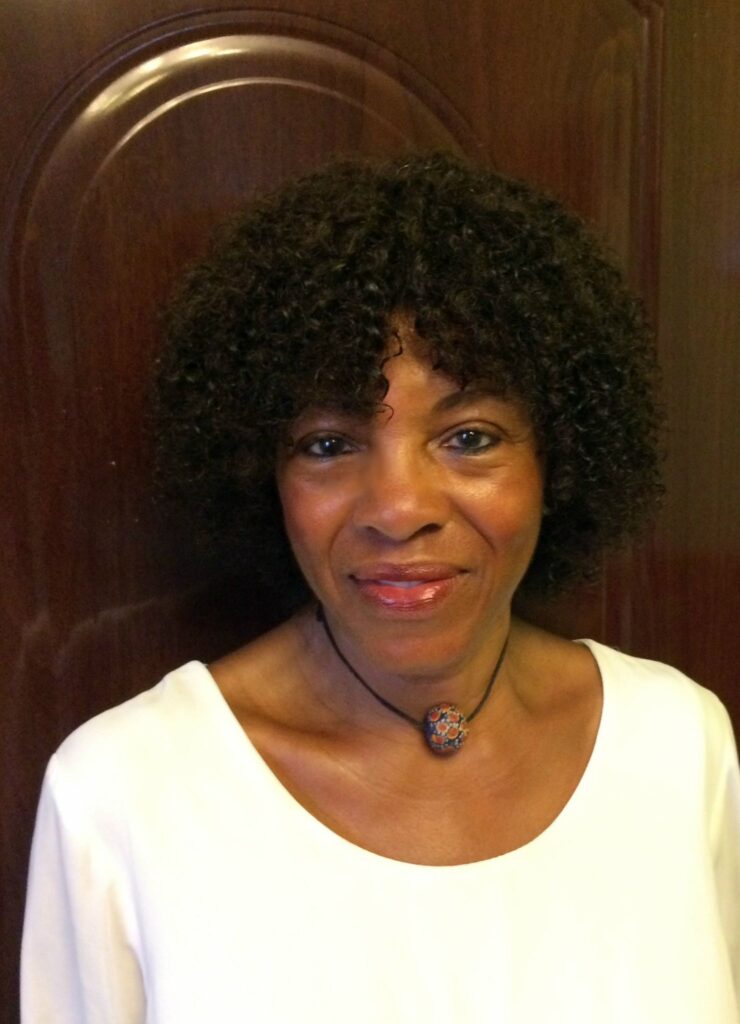
Margaret Busby
- Alzheimer’s the Black doctor who helped decode the disease
 🧠✨ Celebrating an Unsung Hero! Dive into the captivating journey of Dr. Solomon Fuller, a pioneer in Alzheimer's research and a standout figure in Black history. From his roots in Liberia to groundbreaking discoveries, discover the legacy of a medical trailblazer who defied adversity. 🌟
 - The Voice of the Child, Young Person and; Service User
 Whose voices are we really hearing? And what happens when we truly listen? The 3rd DARDR/DVA & Criminal Justice Summit 2026 will bring together professionals, practitioners, community organisations, academics and people with lived experience to place children, young people and service users at the heart of the conversation. Under the theme “The Voice of the Child, Young Person & Service User,” this year’s Summit will explore domestic abuse, violence, safeguarding, exploitation, trauma and criminal justice — but most importantly, how listening can move beyond consultation and become meaningful action. 📅 Friday 27 November 2026 📍 Brent Civic Centre, Wembley 💻 Hybrid Event | CPD Accredited Read more about the Summit, the conversations it will explore and how to book your place.
 - The Crown in the Ledger: What Finding Britain’s Slave Traders Asked Us to Face
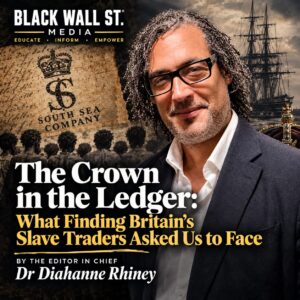 What happens when Britain’s history is no longer told through monuments, wealth and institutions, but through the ledger behind them? Finding Britain’s Slave Traders with David Olusoga brings names, companies, royal connections and fortunes into focus, forcing us to confront how deeply the transatlantic slave trade was embedded in British society. In “The Crown in the Ledger,” we explore what these records reveal about wealth, power, responsibility and the legacy that remains today. Read the full article and ask yourself: who owns what, who benefited, and what does honest accounting look like?
 - Is ‘Othello’ relevant today?
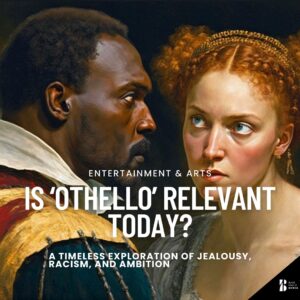 Othello: A Timeless Exploration of Jealousy, Racism, and Ambition
 - A life lived beyond the limits of representation
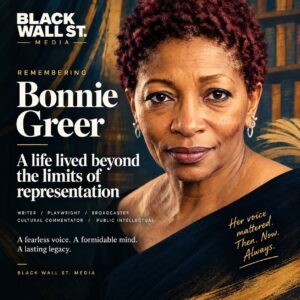 Bonnie Greer was never simply a writer, playwright or broadcaster. She was a cultural force who refused to be confined by the expectations placed on Black women in public life. From Chicago to Britain, from theatre and literature to television and institutional leadership, she built a life defined by intellect, independence and an unapologetic right to occupy space. As Britain remembers her following her death at 77, this article looks beyond the achievements and asks what her life represented: the power of cultural authority, the importance of institutional access, and the freedom to be fully human rather than simply inspirational.












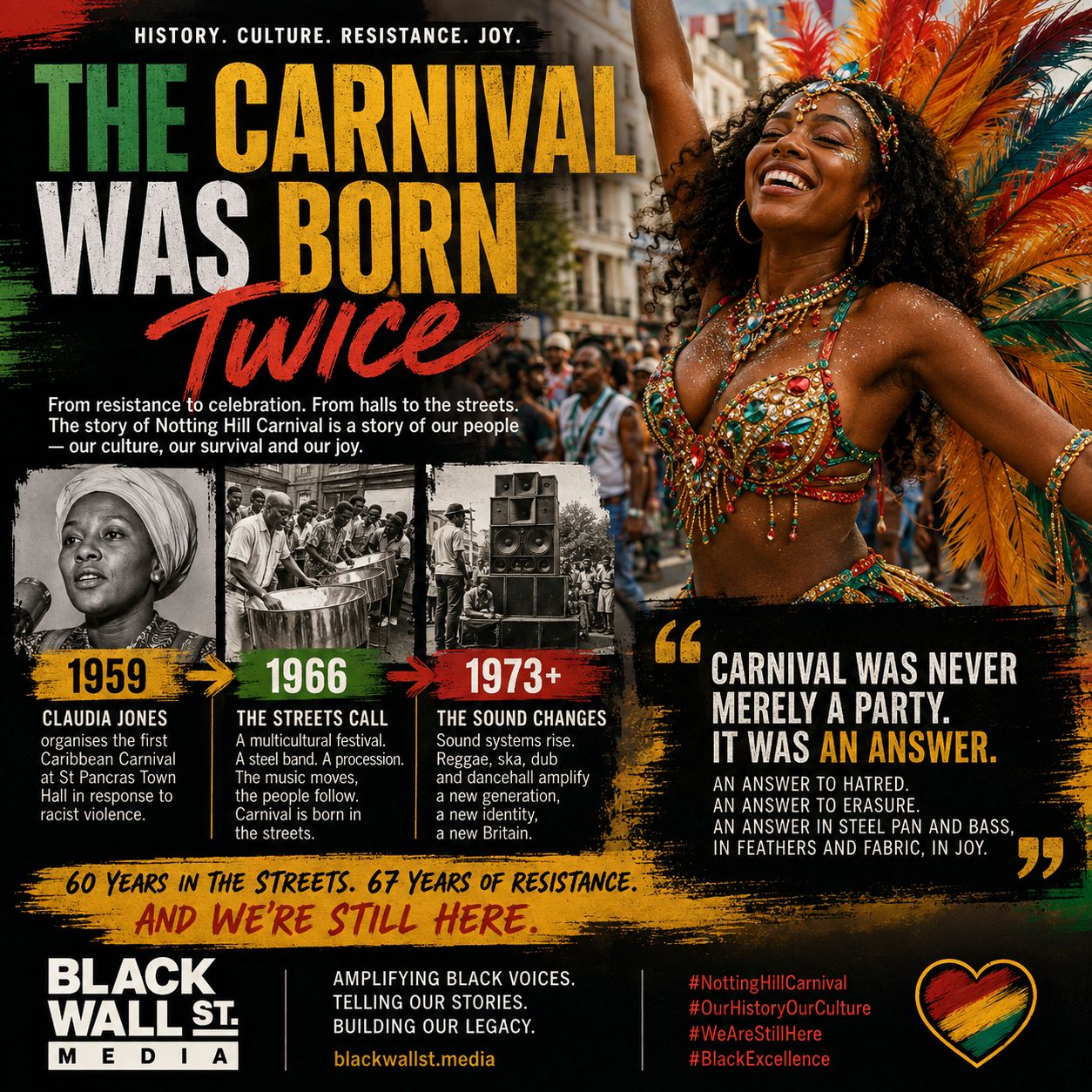
The Carnival Was Born Twice
Read More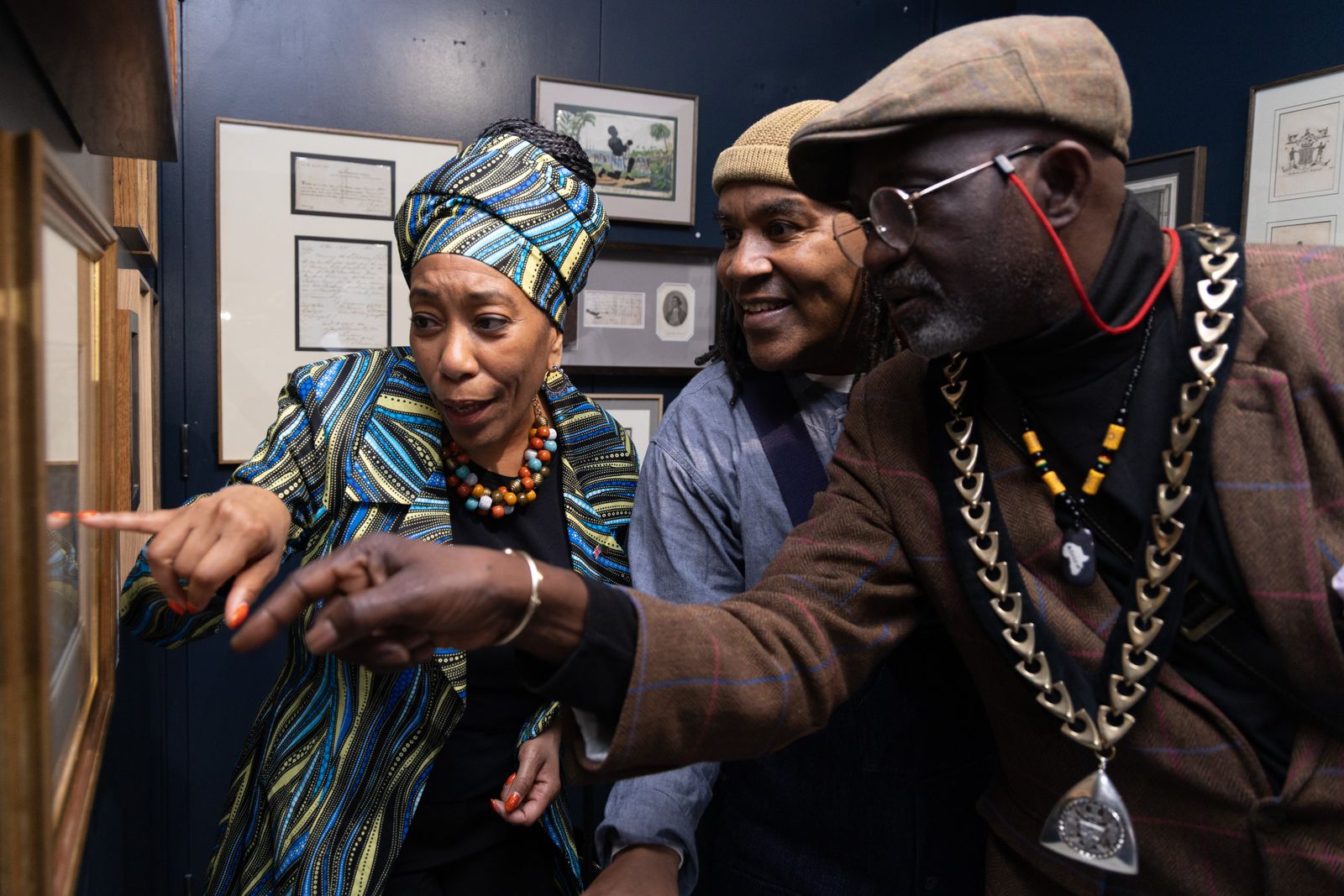
The Africa Centre’s 60th Anniversary Exhibition: a landmark celebration of history, presence and legacy
Read MoreMargaret Busby’s Part of the Story (Hamish Hamilton, 2026)
Read MoreAfterlives of Looted Heritage
Read More
The Music is Black
Read More
Mother’s Day and the Quiet Legacy of Our Mothers
Read More
Radio Bimshire – Bajan to the Bone
Read More
Love, legacy, and a line in the sand
Read More
MOBO Opens Its Forever Home
Read More