

Music & Exhibition Review
The Music is Black: A British Story V&A East, Stratford, East London
“At the new V&A East Museum, The Music is Black: A British Story, arrives as both celebration and reckoning - a sweeping exploration of how Black music has shaped the cultural heartbeat of Britain. In this thoughtful review, John Stevenson reflects on the exhibition’s powerful blend of nostalgia, politics, resistance, and creativity, tracing the enduring influence of Black British sound for over a century.”
Review by John StevensonContributor


- Alzheimer’s the Black doctor who helped decode the disease
 🧠✨ Celebrating an Unsung Hero! Dive into the captivating journey of Dr. Solomon Fuller, a pioneer in Alzheimer's research and a standout figure in Black history. From his roots in Liberia to groundbreaking discoveries, discover the legacy of a medical trailblazer who defied adversity. 🌟
 - The Voice of the Child, Young Person and; Service User
 Whose voices are we really hearing? And what happens when we truly listen? The 3rd DARDR/DVA & Criminal Justice Summit 2026 will bring together professionals, practitioners, community organisations, academics and people with lived experience to place children, young people and service users at the heart of the conversation. Under the theme “The Voice of the Child, Young Person & Service User,” this year’s Summit will explore domestic abuse, violence, safeguarding, exploitation, trauma and criminal justice — but most importantly, how listening can move beyond consultation and become meaningful action. 📅 Friday 27 November 2026 📍 Brent Civic Centre, Wembley 💻 Hybrid Event | CPD Accredited Read more about the Summit, the conversations it will explore and how to book your place.
 - The Crown in the Ledger: What Finding Britain’s Slave Traders Asked Us to Face
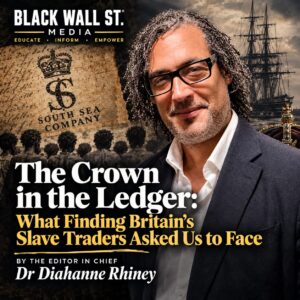 What happens when Britain’s history is no longer told through monuments, wealth and institutions, but through the ledger behind them? Finding Britain’s Slave Traders with David Olusoga brings names, companies, royal connections and fortunes into focus, forcing us to confront how deeply the transatlantic slave trade was embedded in British society. In “The Crown in the Ledger,” we explore what these records reveal about wealth, power, responsibility and the legacy that remains today. Read the full article and ask yourself: who owns what, who benefited, and what does honest accounting look like?
 - Is ‘Othello’ relevant today?
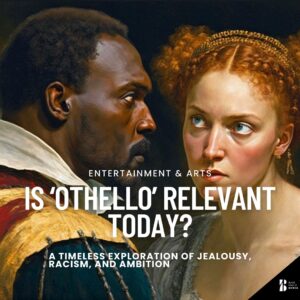 Othello: A Timeless Exploration of Jealousy, Racism, and Ambition
 - A life lived beyond the limits of representation
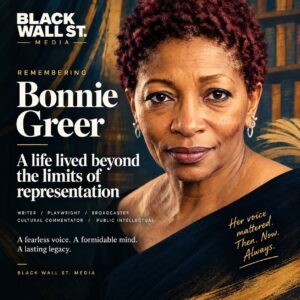 Bonnie Greer was never simply a writer, playwright or broadcaster. She was a cultural force who refused to be confined by the expectations placed on Black women in public life. From Chicago to Britain, from theatre and literature to television and institutional leadership, she built a life defined by intellect, independence and an unapologetic right to occupy space. As Britain remembers her following her death at 77, this article looks beyond the achievements and asks what her life represented: the power of cultural authority, the importance of institutional access, and the freedom to be fully human rather than simply inspirational.




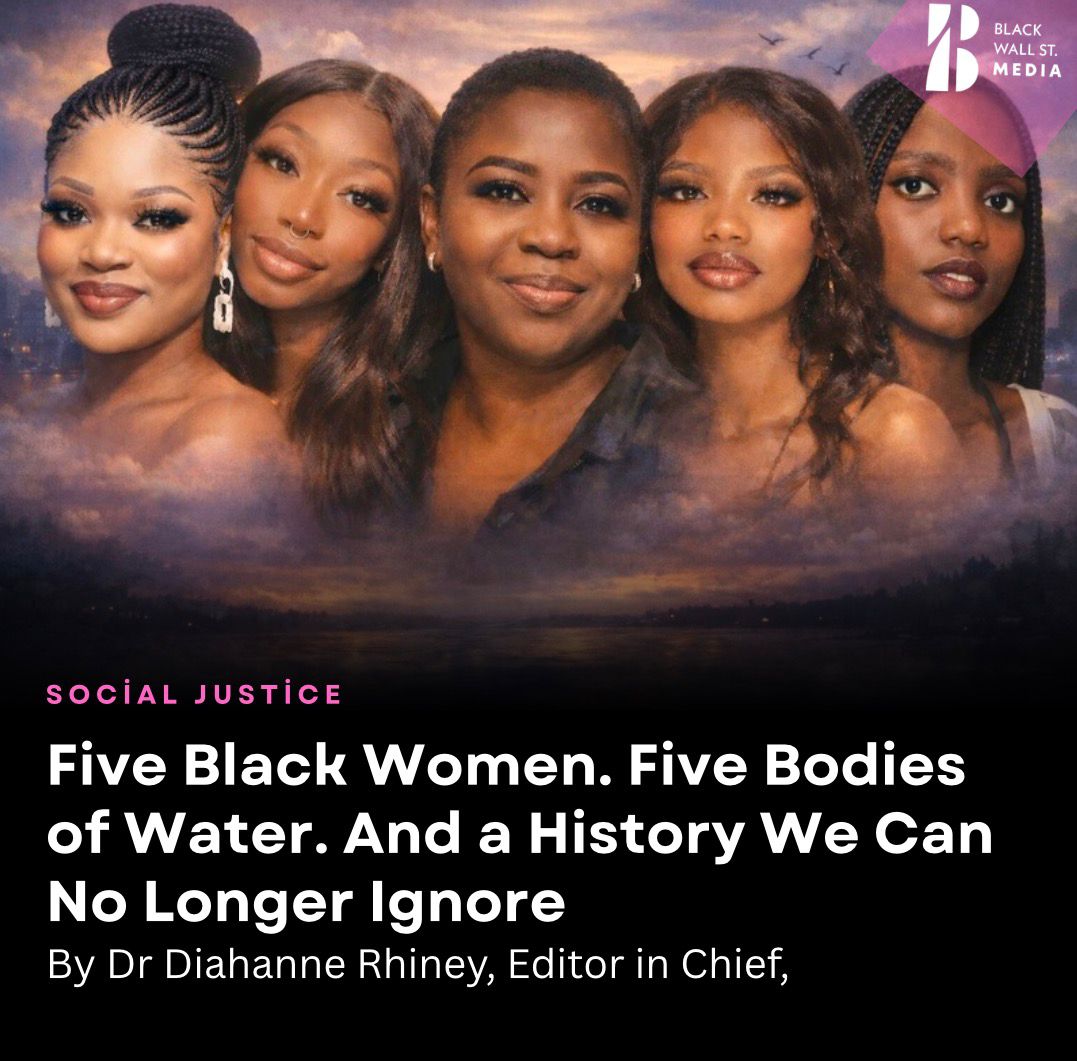
Five Black Women. Five Bodies of Water. And a History We Can No Longer Ignore
Five Black Women. Five Bodies of Water. And a History We Can No Longer Ignore
Read More
Mother’s Day and the Quiet Legacy of Our Mothers
Mother’s Day and the Quiet Legacy of Our Mothers
Read More
Editor’s Letter March 2026
Editor’s Letter March 2026
Read More
Locked Out of the Purse Strings
Locked Out of the Purse Strings
Read More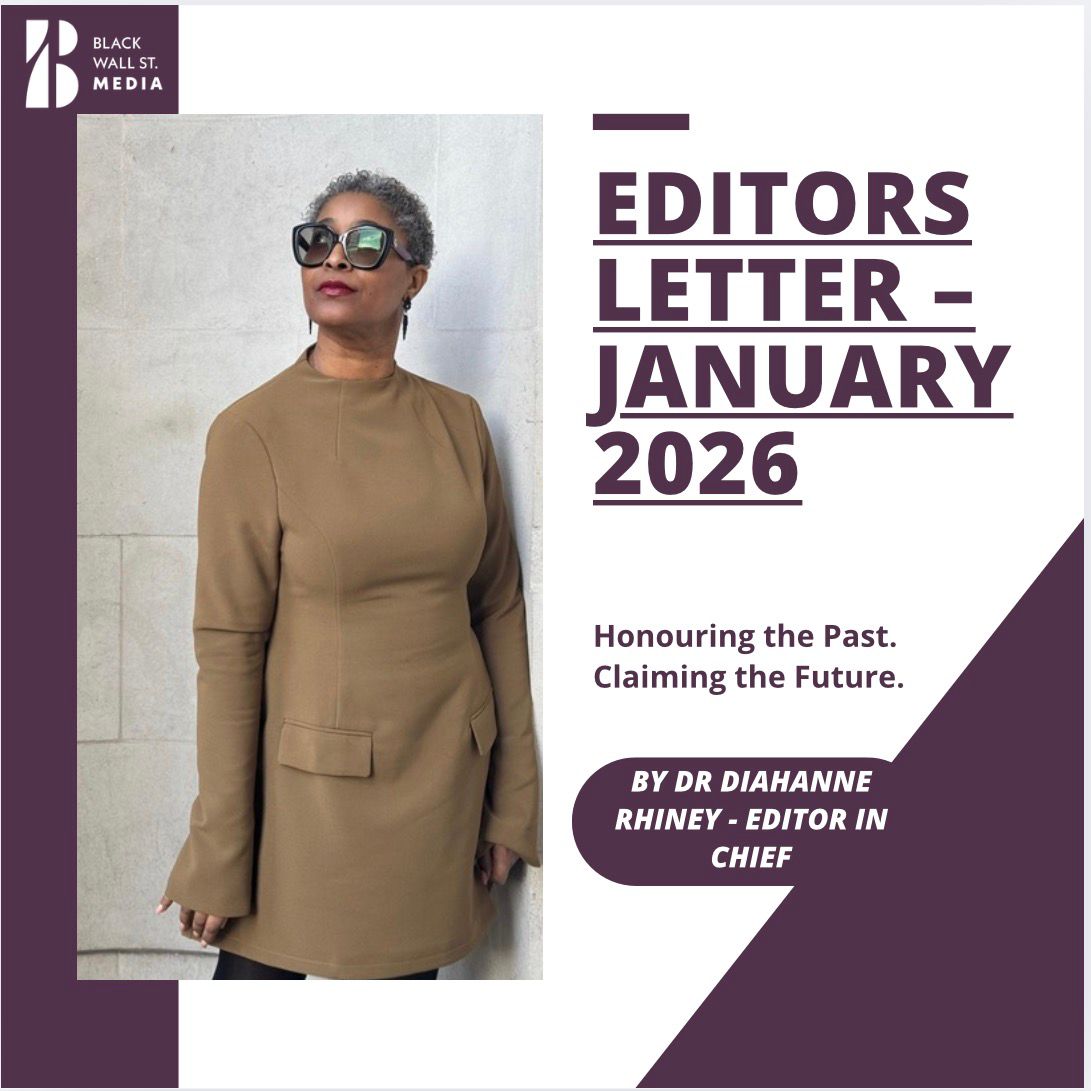
Editors Letter – January 2026
Editors Letter – January 2026
Read More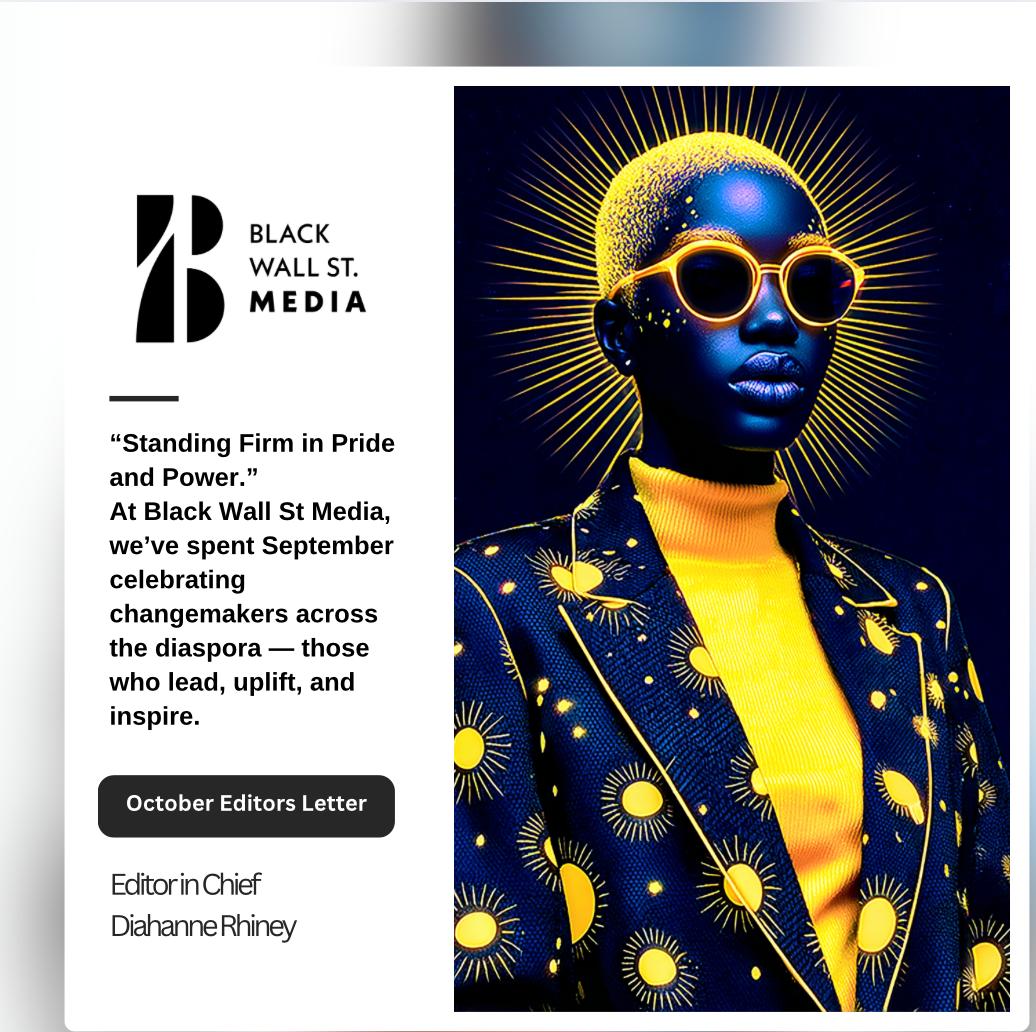
Editors Letter – October 2025
Editors Letter – October 2025
Read More
Editors Letter – September 2025
Editors Letter – September 2025
Read More
Editors Letter – August 2025
Editors Letter – August 2025
Read More
Editors Letter – July 2025
Editors Letter – July 2025
Read More
Editors Letter – June 2025
Editors Letter – June 2025
Read More
INSANE ENERGY INCOMING!
INSANE ENERGY INCOMING!
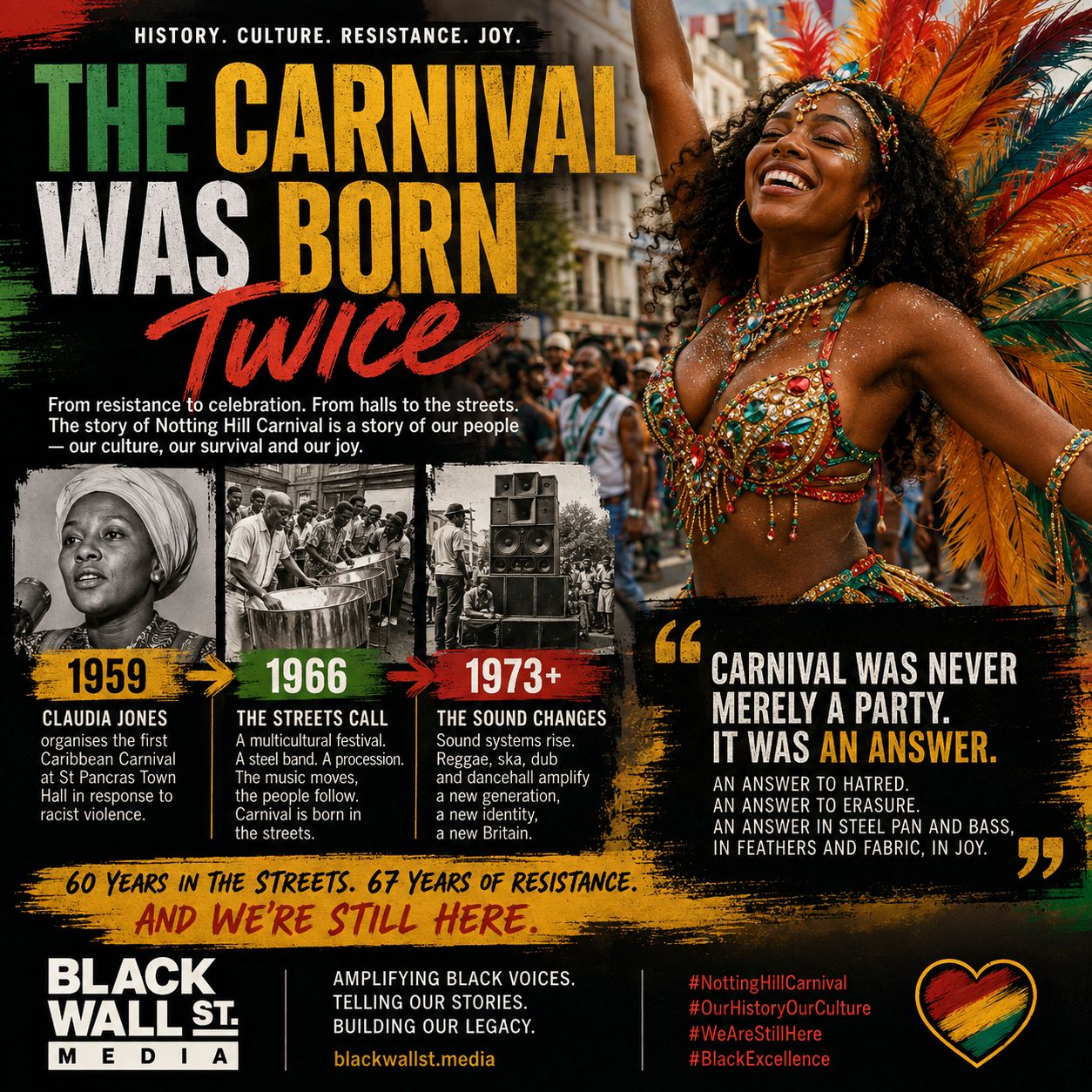
The Carnival Was Born Twice
The Carnival Was Born Twice
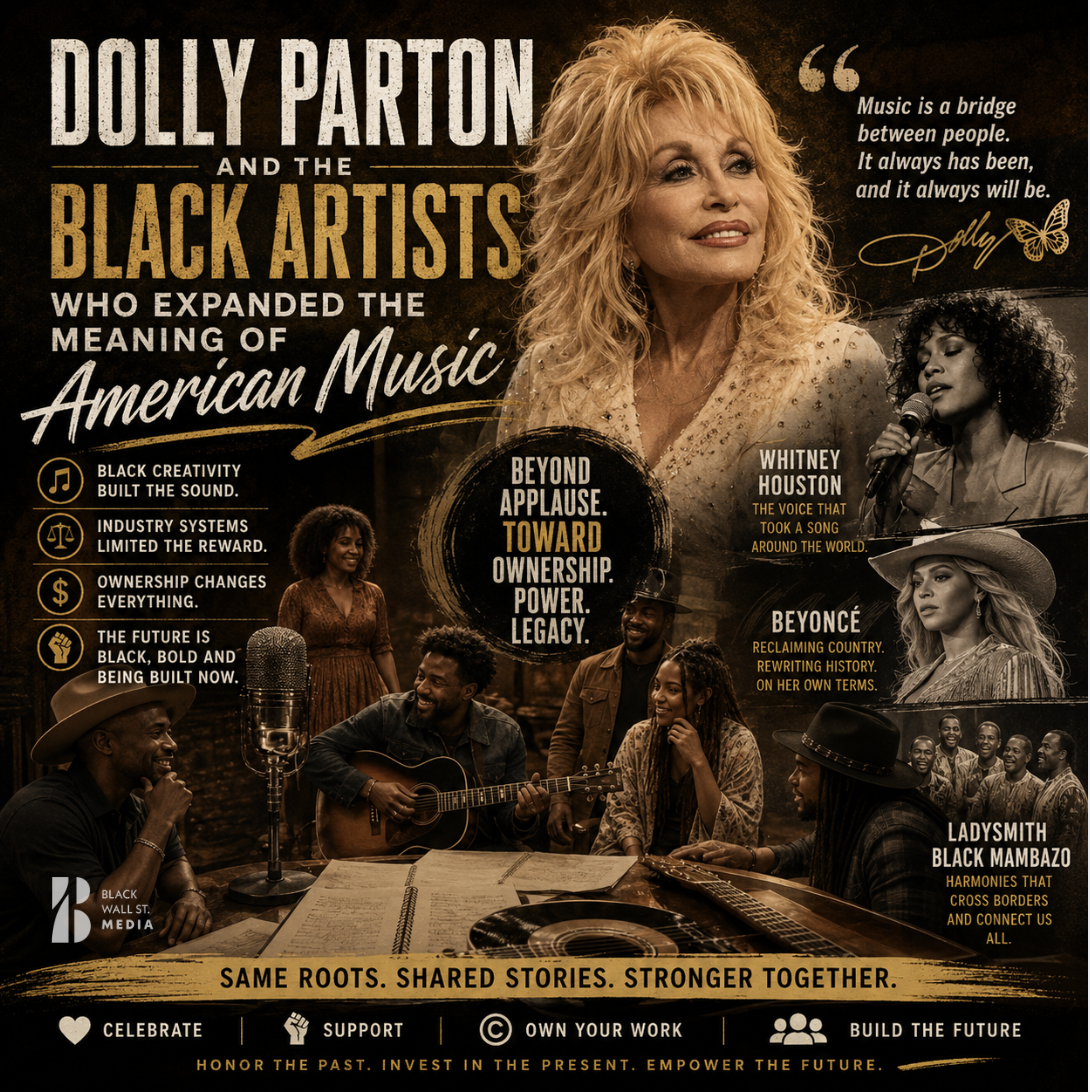
Dolly Parton and the Black Artists Who Expanded the Meaning of American Music
Dolly Parton and the Black Artists Who Expanded the Meaning of American Music
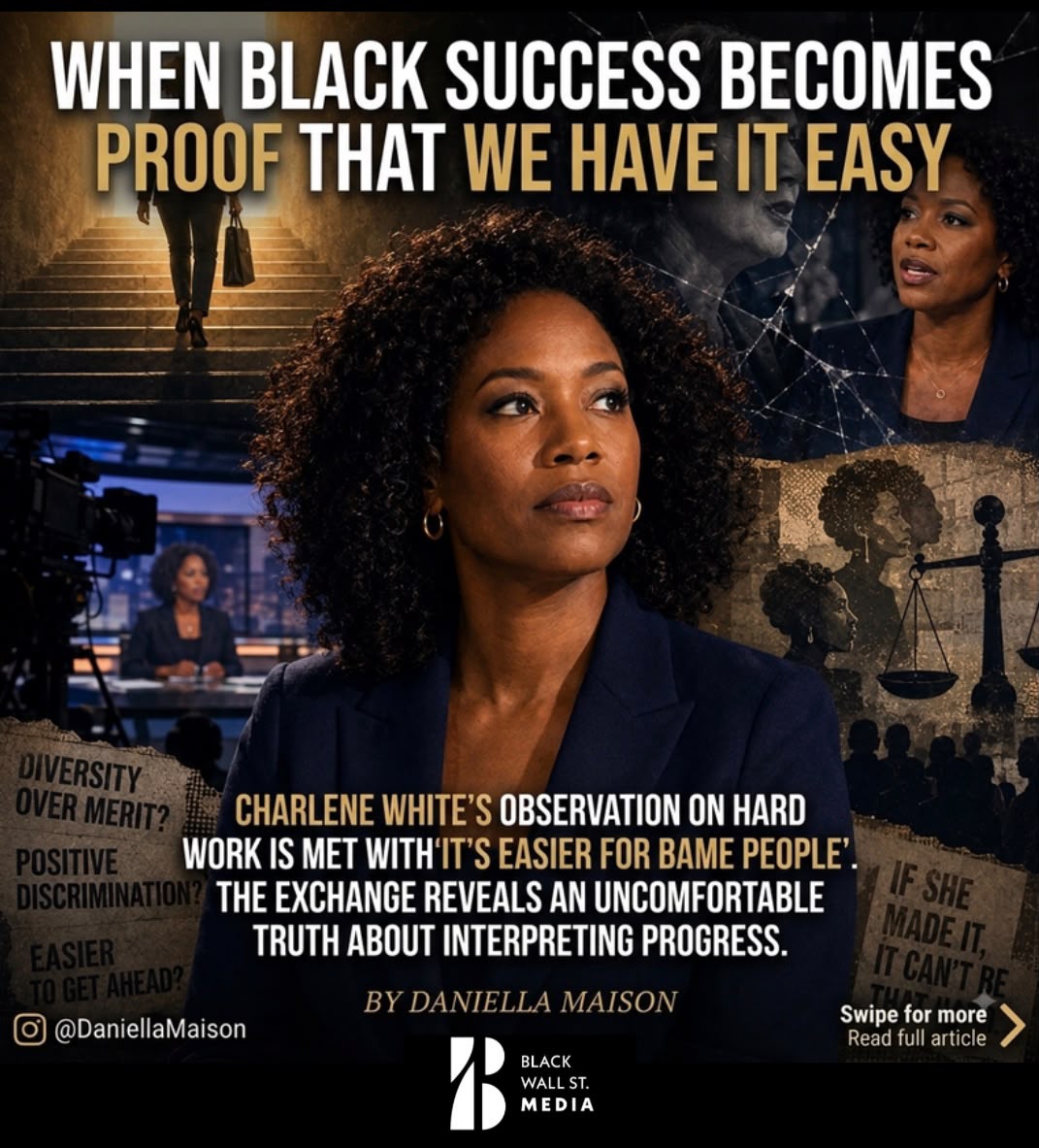
When Black Success Becomes Proof That We Have It Easy
When Black Success Becomes Proof That We Have It Easy
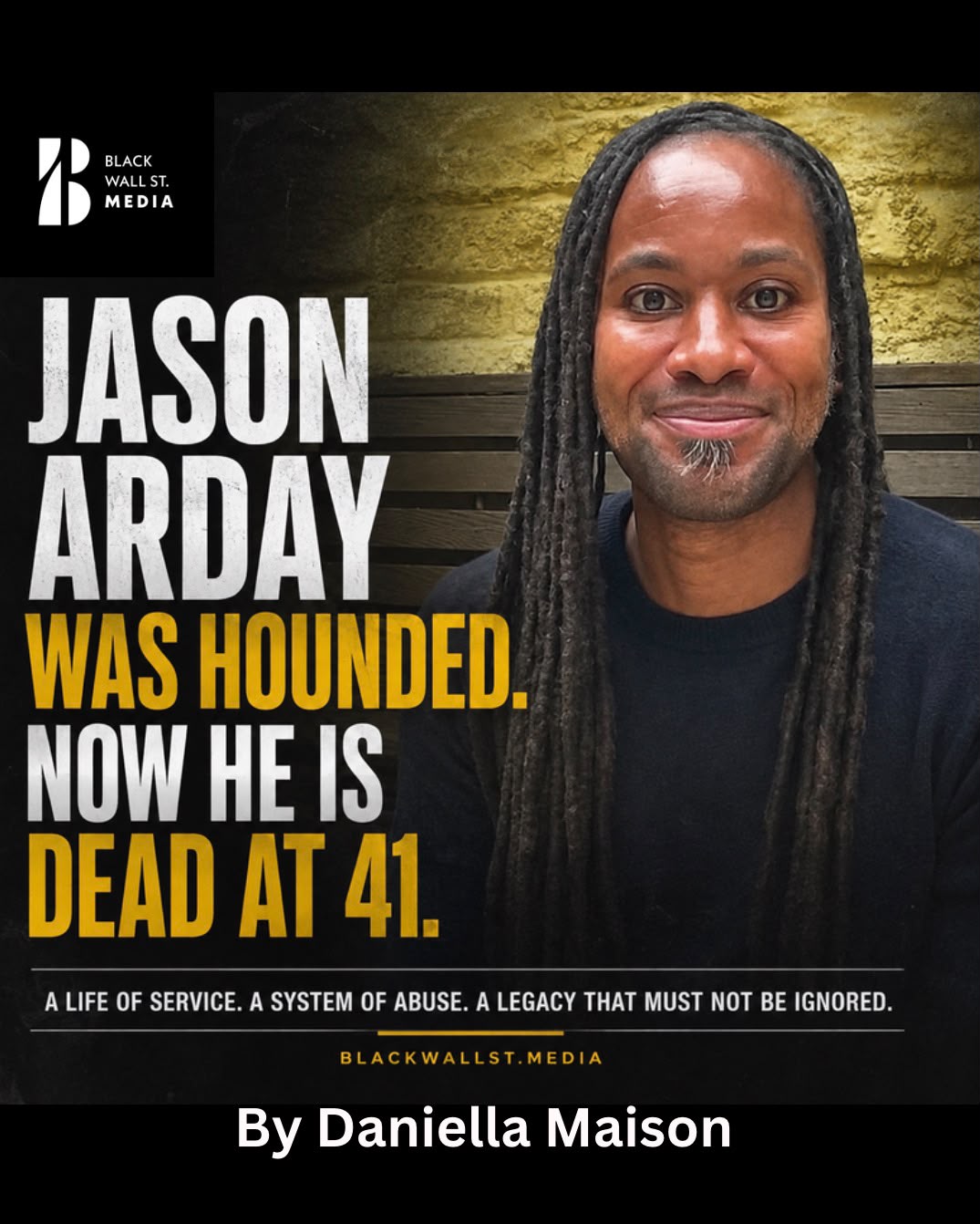
Jason Arday Was Hounded. Now He Is Dead at 41
Jason Arday Was Hounded. Now He Is Dead at 41
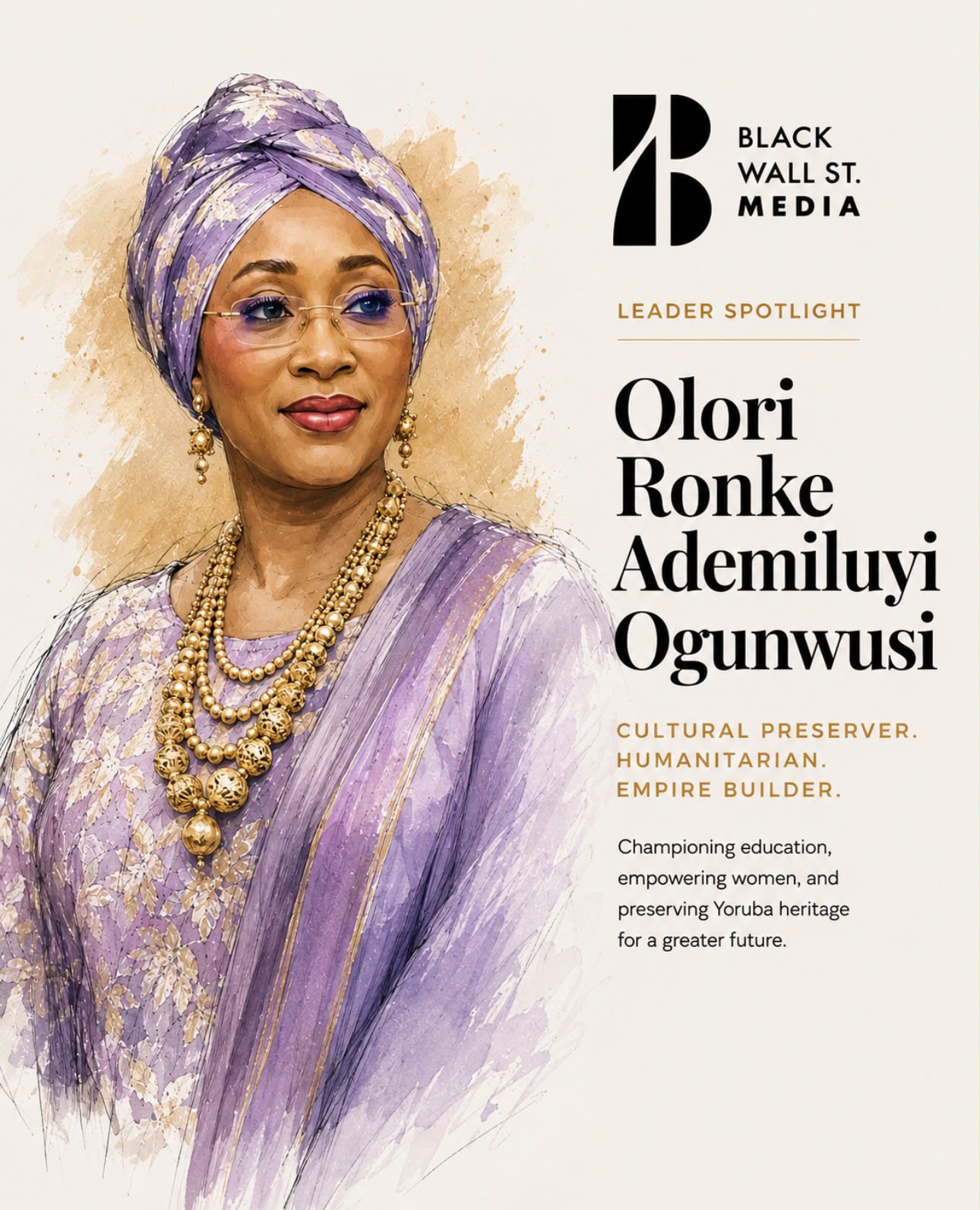
Beyond the Catwalk: How Olori Ronke Ademiluyi Ogunwusi Built an Economic Engine for African Fashion
Beyond the Catwalk: How Olori Ronke Ademiluyi Ogunwusi Built an Economic Engine for African Fashion

African Fashion Week London Returns: Where Heritage Meets the Future of Fashion
African Fashion Week London Returns: Where Heritage Meets the Future of Fashion
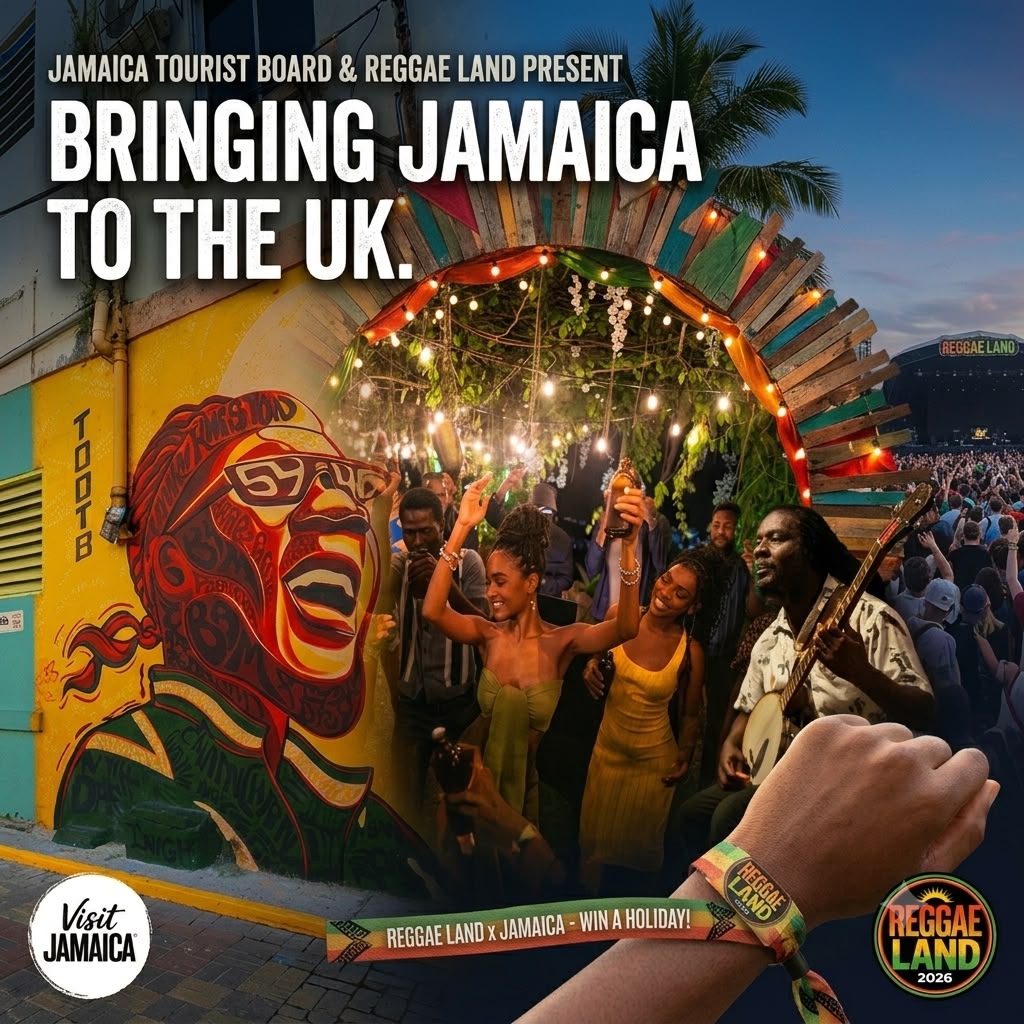
Jamaica Tourist Board Partners with Reggae Land Bringing Jamaica to the UK’s Biggest Reggae Festival
Jamaica Tourist Board Partners with Reggae Land Bringing Jamaica to the UK’s Biggest Reggae Festival
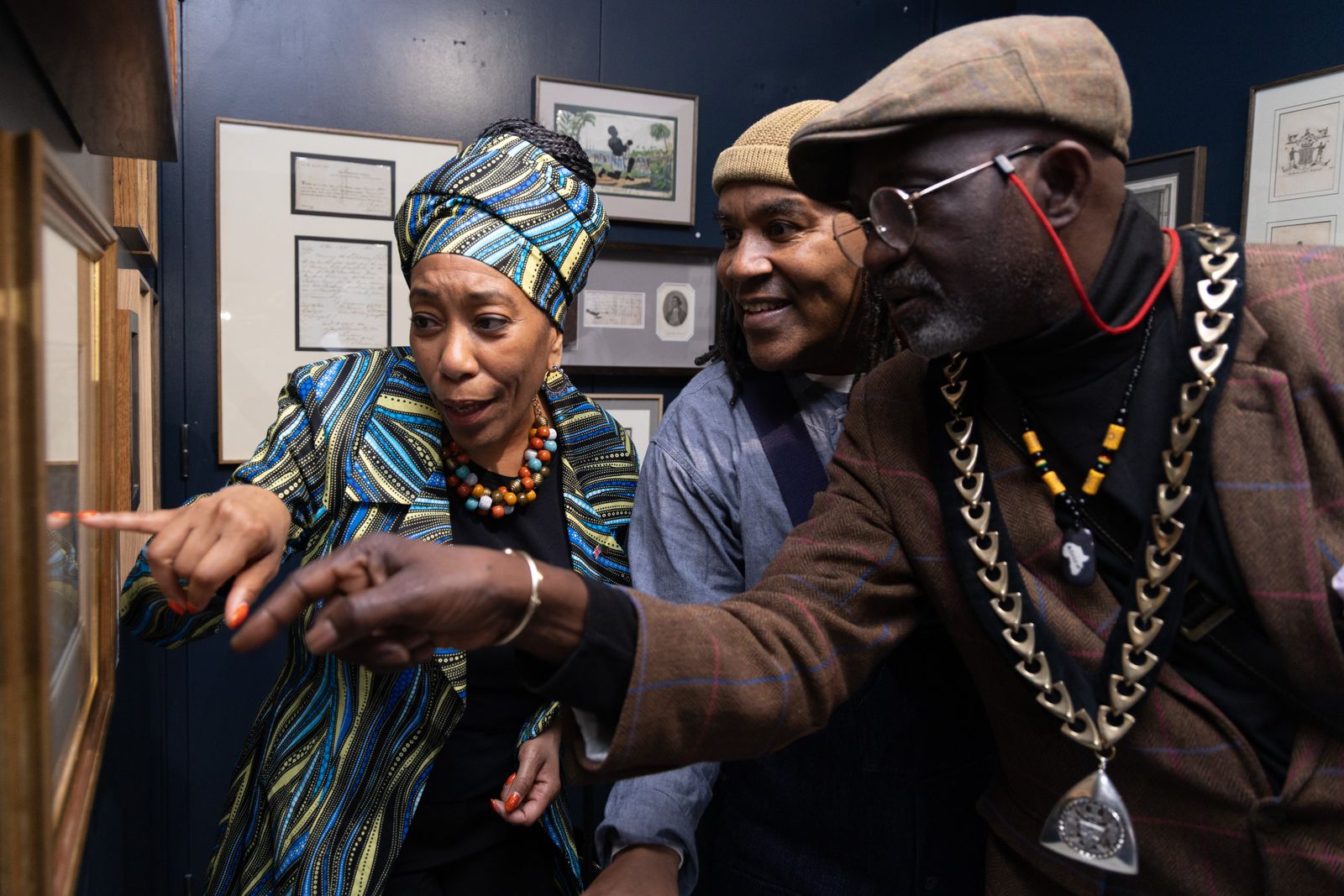
The Africa Centre’s 60th Anniversary Exhibition: a landmark celebration of history, presence and legacy

This is powerful! This is our culture, this is what we need we to educate our children. Many of the younger generation are lost, we need to educate them that they are creators, and we are here to support them. Each article written by “Black Wall Street Media” is a mind opener.
Thank you John Stevenson for your captivating review.
This is certainly a magnetic and magnifying insight into black “everything” – a strong, vibrant and elevating collection of international accomplishments in our black history, and the culturally intertwined music, Caribbean and African cuisine, and the unconventional ‘creative’ endeavours in TV and film that are passionate drivers in the hearts and minds of todays world.
Black WAll Street Media is on track to harness so many more voices, bring a well-needed focus into our communities, and to set aside the politics in order to set a clear path for possibilities.