Black Business & Enterprise
Lorraine Copes on the Awards, the Evidence and Ten Years of Work Still To Do
“What does a fairer future for the hospitality industry really look like?
Lorraine CopesContributor
In this compelling feature, Diahanne Rhiney JP speaks with Lorraine Copes, founder of Be Inclusive Hospitality, about breaking barriers, challenging inequality and creating opportunities for the next generation of talent.
From the BIH Spotlight Awards to the realities behind the statistics, this is a conversation about recognition, representation and the work still to be done.
Read the full article, published by Black Wall St. Media for Black History Month 2026.”
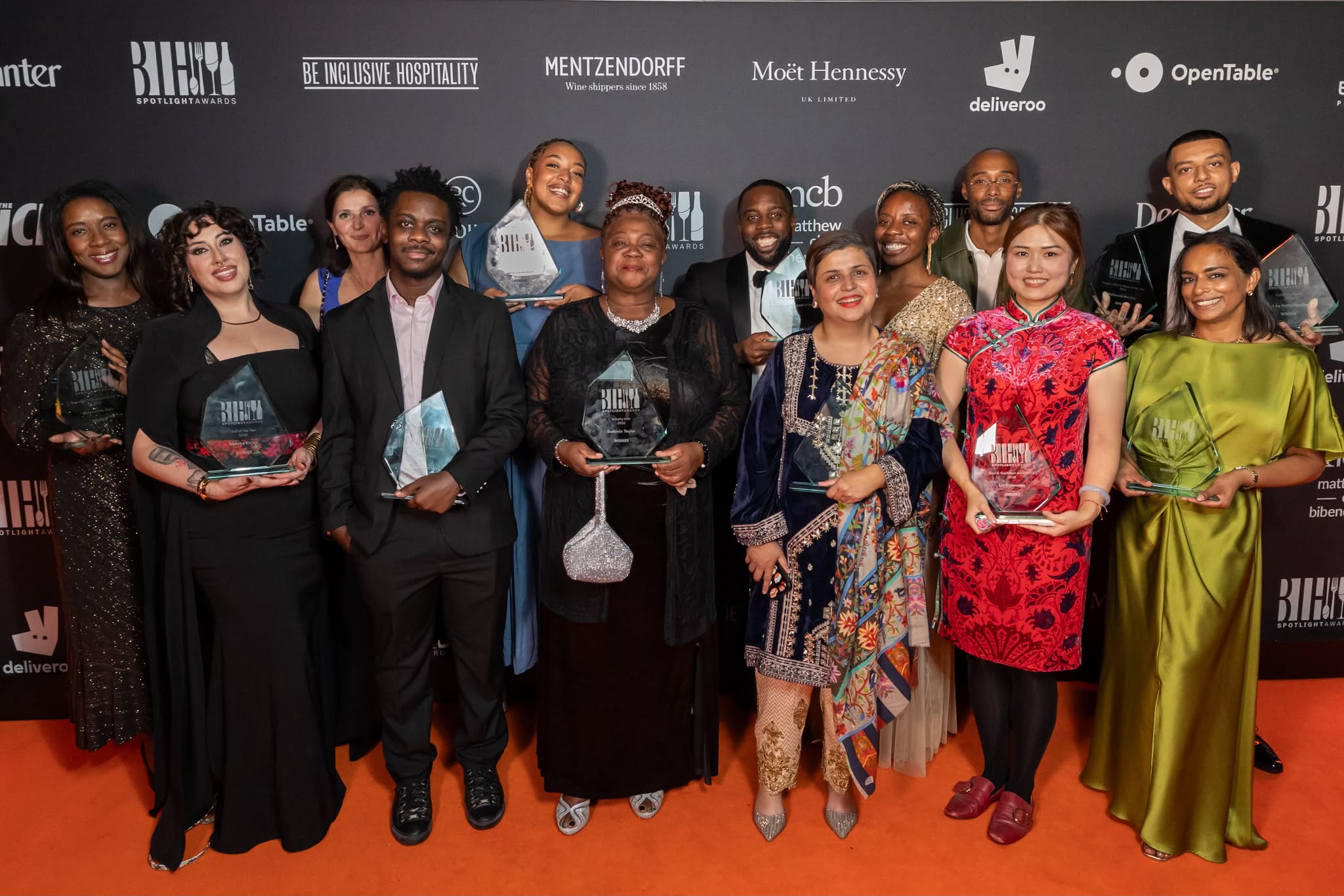
On Monday 12 October, 300 people from across hospitality gathered at Quaglino’s in London. The occasion was the fifth annual BIH Spotlight Awards, a celebration of Black and ethnic minority talent shaping the industry.
There were 60 finalists from seven regions and more than 10 cuisines, with recognition across 16 categories. There was pride in the room, and there was purpose too. Being seen matters in an industry where, as the evidence makes clear, opportunity is not shared equally.
As Black History Month reaches its final days, it feels right to close with a celebration that does not mistake recognition for resolution. The awards honoured achievement. The conversation I had with Lorraine Copes, founder and CEO of Be Inclusive Hospitality, brought us back to the work still required to make fairness part of the industry’s everyday practice.
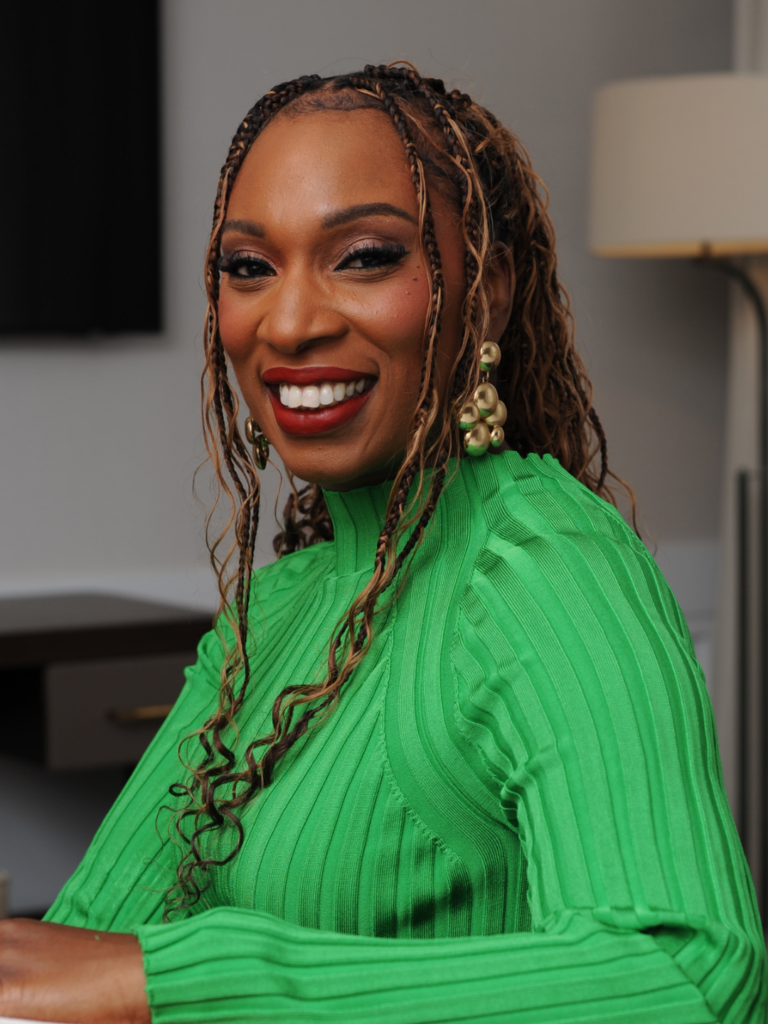
Lorraine Copes
Copes knows hospitality from the inside. Over more than two decades, she held senior and executive board roles at Gordon Ramsay Restaurants, Shake Shack and The Wolseley Group. In 2018, during a career break, she studied life coaching. That experience helped turn her towards purpose led work. In 2020, she founded Be Inclusive Hospitality, a not for profitsocial enterprise focused on race and ethnicity in the sector.
She was not looking to reject corporate life, she told me. She wanted work more closely aligned with her values, and the chance to build something that could make a practical difference.
The organisation has grown into a community of more than 1,000 hospitality professionals. It has trained over 2,500 hospitality leaders and supported more than 600 ethnic minority employees and founders. Its research partnerships have included the Resolution Foundation, Ulster University and the University of West London. Copes has also been recognised by GQ, Condé Nast Traveller and NatWest WISE100, and serves as a Non Executive Director at the Wine and Spirit Trade Association.
That is a considerable body of work. Yet the reason for building it is not difficult to understand. Hospitality can be diverse at the point of entry, while that diversity becomes less visible as you look higher up the organisation.
The sector attracts people through its relatively low barriers to entry, its connection to food and culture, and the many different routes into work. But access to a first job is not the same as access to leadership.
The 2026 Better Hospitality report gives that concern a sharper outline. Based on a survey of 405 hospitality employees, it examines pay, progression and workplace culture.
A 2020 Resolution Foundation baseline put the proportion of the hospitality workforce from ethnically diverse backgrounds at 17.8%, broadly reflecting the diversity of the UK population. Representation at workforce level, however, does not by itself tell us who gets promoted, whose contribution is recognised or who feels safe enough to speak up.
In the survey, 21.1% of ethnic minority respondents believed they had been overlooked for progression because of their identity, compared with 6.4% of white respondents. That is more than three times the proportion.
Only 26.7% of respondents could see a clearly defined career path. Half reported little or no meaningful action on fairness and inclusion at their workplace, while 41.5% identified a lack of accountability as the main reason unfair treatment persists. Among ethnic minority respondents, favouritism was the most frequently selected barrier, at 45.4%.
These numbers matter because they move the conversation beyond good intentions. If progression criteria are unclear, if decisions are shaped by who is favoured, and if people do not trust that concerns will be taken seriously, then talent alone cannot guarantee a fair chance.
The report found that 57.3% of respondents saw people leaving regularly as a consequence of unfairness. A quarter were already looking for another role or planning to leave the industry.
The figures are not abstract to Copes. In our interview, she described an industry where diversity is present in many roles but thins out at leadership level.
She also cautioned that while some businesses have made structural changes since 2020, measuring the overall pace of progress is difficult when organisations lack a clear baseline. Without knowing where a business started, it can be hard to distinguish meaningful change from a statement of intent.
There has also been a shift away from public conversations about equity and fairness, particularly around race. Copes sees businesses continuing to prioritise inclusive culture, but the distance between what an organisation says and what its people experience remains an important test.
Be Inclusive Hospitality has chosen to focus its work on depth: supporting fewer businesses to make more substantial changes, rather than delivering broad workshops without a clear route to accountability.
The Better Hospitality report’s six priorities are data, resource, training, representation, policy and collaboration. Each asks employers to take responsibility for the conditions they create. The case studies show different ways of doing that. Hawksmoor’s account is candid about a role model gap that has widened for ethnic minority colleagues, even as the business has seen broader improvement. Incipio tracks who holds decision making roles and reports that 36.5% are held by people of colour, while 45% of internal promotions into decision making roles go to people of colour. Travelodge uses shortlists with an 80:20 ethnicity balance. These examples are not proof that the work is finished. They show what it can look like to measure and act.
Karen Bosher’s words in the report offer a useful reminder: “Merit can only truly operate when people have a fair opportunity to demonstrate it.” Fairness is not a favour bestowed on talent. It is the condition that lets talent be seen.
Copes herself does not tell her career as a story of having to prove herself twice as much because she is a Black woman. She focuses on delivering results. Her parents, she said, did not impose additional expectations on her because of her identity.
She has experienced moments of discomfort, but does not describe her path as inherently difficult. I appreciated the clarity of that answer. It resists the pressure to turn every Black woman’s experience into a single familiar narrative, without denying that structural barriers exist around her.
The awards offered another kind of evidence: people and businesses doing exceptional work, often while navigating those barriers. Nathaniel Mortley of 2210 by NattyCanCook won both People’s Choice Person of the Year and Best Caribbean Food. The southeast London chef has rebuilt his life through food after a prison sentence. His achievement speaks not only to the quality of his cooking, but to the possibility of creating a future through skill, determination and community.
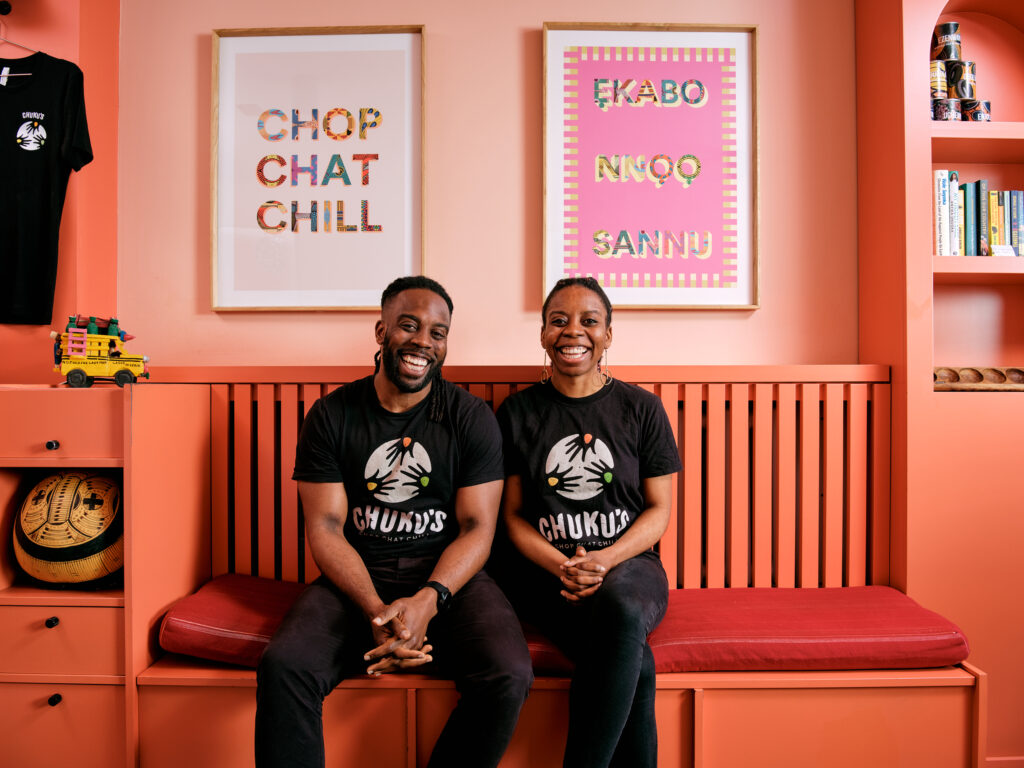
Ifey and Emeka – Chuku’s
Chuku’s, the Nigerian tapas restaurant founded by siblings Emeka and Ifeyinwa Frederick in Tottenham, won People’s Choice Restaurant of the Year.
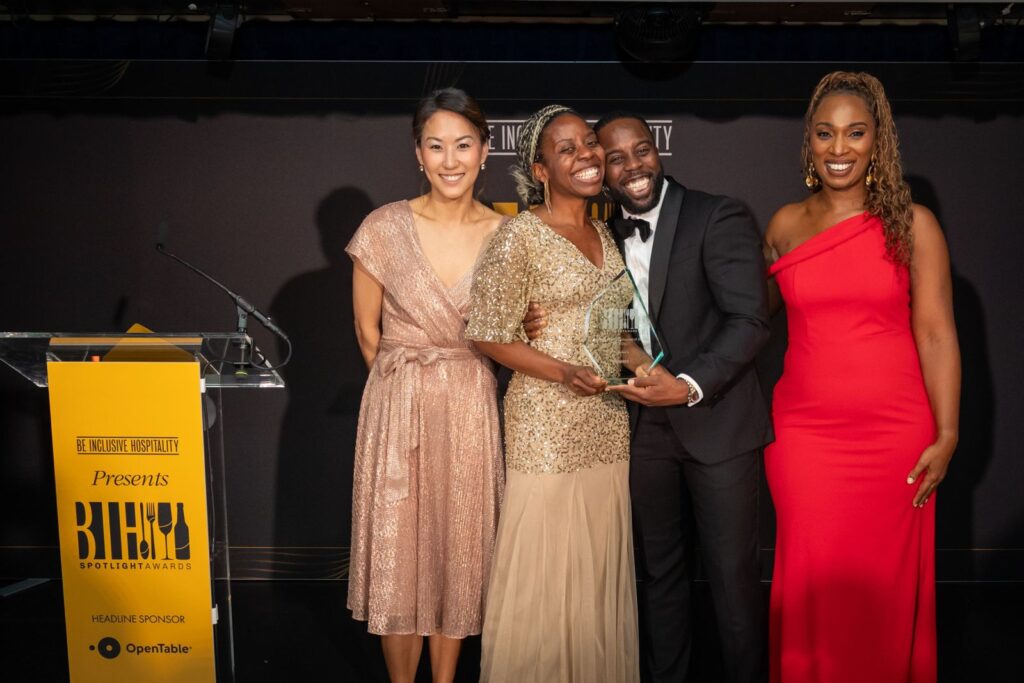
Peoples Choice Restaurant of the Year Winner Emeka and Ifeyinwa Frederick Chukus
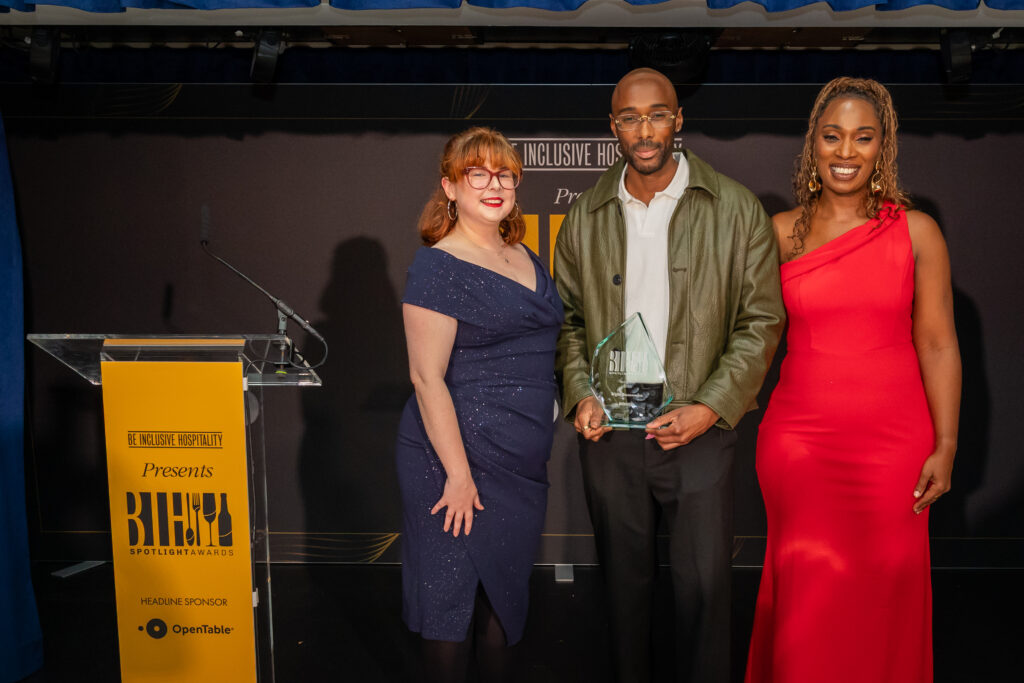
Ayesha Kalaji of Queen of Cups won Chef of the Year, while Dijön Bascombe was recognised as Rising Star.
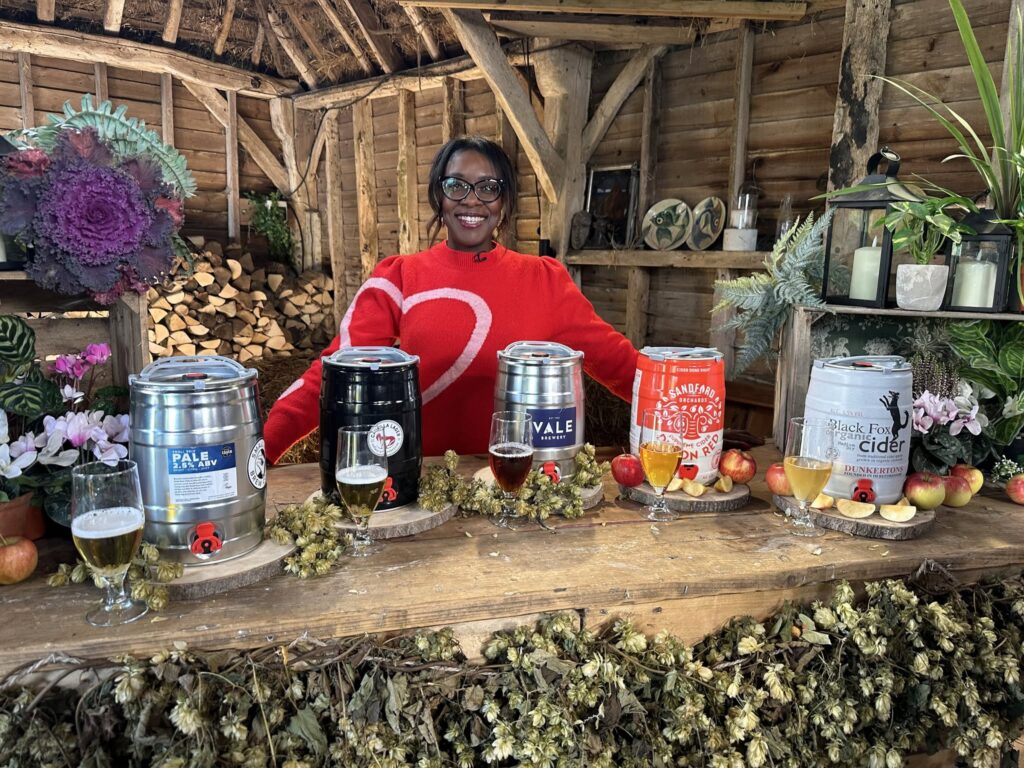
Marverine Cole, one of the UK’s first accredited female beer sommeliers, was named Beverage Professional of the Year.
Writer of the Year went to Safiya Robinson of Sisterwoman, and Emmanuel Mireku of Manny Does Wine was named Wine Professional of the Year. Flake Bake took Brand of the Year, House of MOBO Bar/Pub of the Year and Chishuru the African Food award.
Then there was the moment that held the room differently. The BIH Spotlight Icon Award was given posthumously to chef Dominic Taylor, who died earlier this year. Levi Roots presented the award to Taylor’s family. The gesture honoured a life and a contribution to hospitality and Caribbean fine dining, and it reminded us that industry history is made by people whose work continues to influence others after they are gone.
The awards were judged by industry figures including Shereen Ritchie, Clement Ogbonnaya MBE, Laure Bornet of OpenTable and Junior Lewis of Caterer.com. OpenTable returned as headline sponsor. Sponsorship and visibility can help create opportunities, but the larger question is how those opportunities are sustained once the ceremony is over.
Capital is part of that question. In our interview, Copes raised the stark funding gap facing Black and ethnic minority entrepreneurs, with women facing an even steeper climb. The estimate she cited was that less than 2% of investment reaches Black or ethnic minority entrepreneurs. That figure should not be confused with a hospitality only measure, but it points to a wider barrier that founders know well: starting a business may be possible, while keeping it alive, building scale and reaching the networks that unlock growth can be far harder.
The Uber Eats Black Business Fund, launched in 2021, offered Black restaurateurs funding and mentorship. Copes told me that the initiative ended last year following changes in leadership at Uber Eats. A fund can make a meaningful difference to those who receive support, but the end of a programme also raises a question for the industry: what happens next, and who takes responsibility for continuing the work?
These issues are unfolding during a punishing period for hospitality. Businesses are closing, margins are squeezed by food, energy, wages and taxation, and payment terms are stretching. In our conversation, we spoke about 60 day invoices and the near doubling of average payment days at her organisation. Copes is pragmatic about the pressure. Different businesses have different margins and different room to invest. But some still choose to invest in their teams because they understand that a good team is essential to survival.
That point is worth holding on to. Inclusion cannot be the first thing dropped when conditions become difficult. Unfairness has a cost. People leave, knowledge walks out with them, and teams lose the trust that helps them work well together. The Better Hospitality survey found that clear promotion criteria were the action respondents selected most often to support fairness and inclusion. That is not a complicated starting point. It requires employers to make decisions visible, consistent and accountable.
At the awards, Copes became emotional. When I asked about it, she attributed her tears to perimenopause, describing the moment as uncharacteristic for her. We shared a laugh. It was a small, human exchange, and it felt fitting in a conversation about the people behind an industry’s statistics. The work is serious, but the people doing it are not simply spokespeople or data points. They have bodies, families, changing seasons and lives beyond the conference room.
Copes’s ambition for Be Inclusive Hospitality is ultimately to make the organisation unnecessary. In ten years, she hopes the industry will have transformed enough that its work is no longer needed in its current form. She would like to move into a chairwoman role and make space for other interests, including podcasting and brand development. She spoke of building the organisation as something that has enriched her life, bringing her into new communities and opening opportunities she could not have anticipated.
There is generosity in that vision, but also a challenge. An organisation should not have to exist forever to remind an industry to be fair. Employers must be willing to take up the work themselves: name a senior lead, measure progress, report regularly and listen to the people whose experiences are too often left out of the official story.
As we close Black History Month, the BIH Spotlight Awards remind us to celebrate Black British achievement in hospitality, from the kitchen and the bar to the boardroom and the page. The Better Hospitality report reminds us that celebration cannot stand in for change. Black history is not only something we inherit or commemorate. It is being made now, by the people creating businesses, changing workplaces and insisting that the table be fairer for those who come next.
Editor’s note: This feature closes Black Wall St Media’s Black History Month coverage.
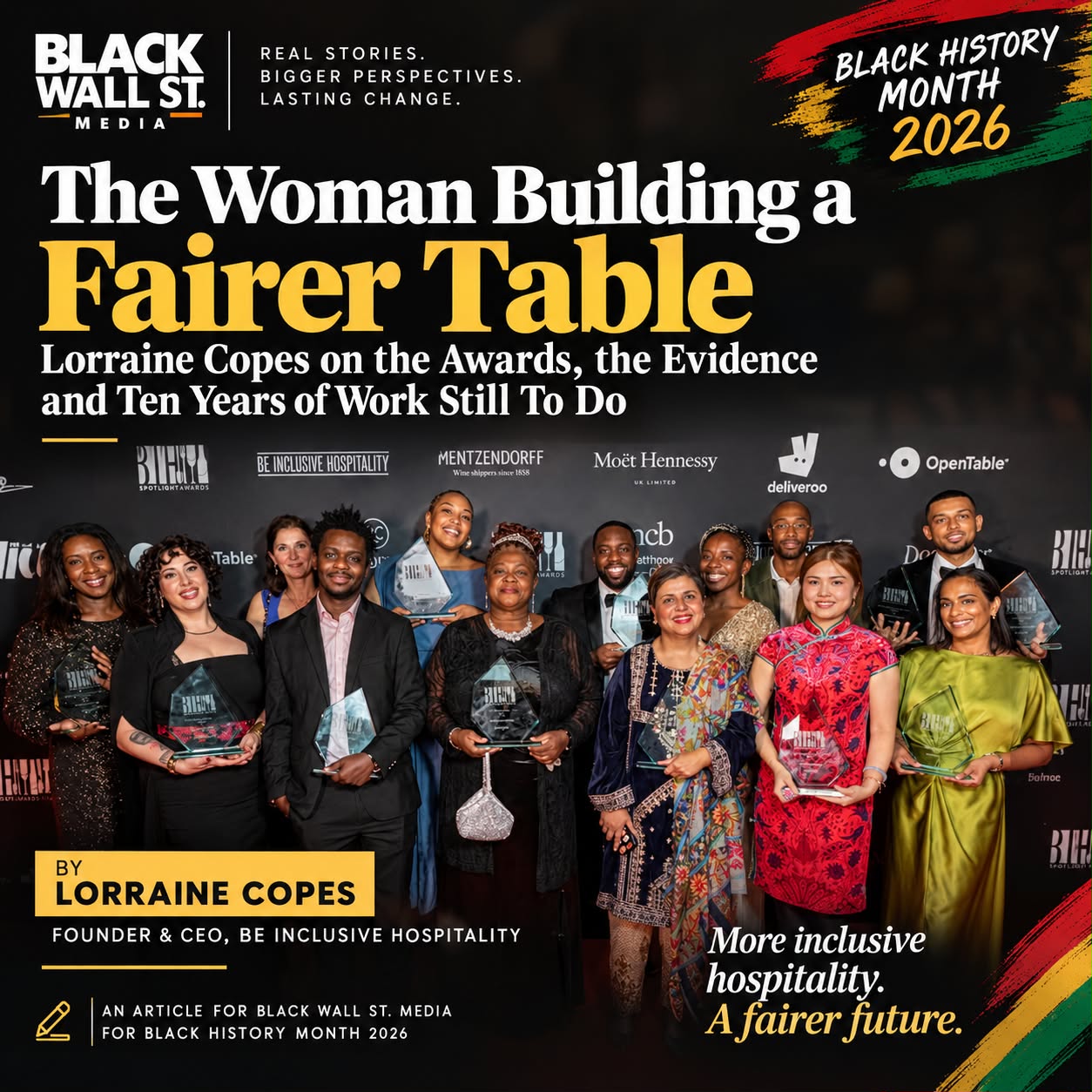
- The Woman Building a Fairer Table
 What does a fairer future for the hospitality industry really look like? In this compelling feature, Diahanne Rhiney JP speaks with Lorraine Copes, founder of Be Inclusive Hospitality, about breaking barriers, challenging inequality and creating opportunities for the next generation of talent. From the BIH Spotlight Awards to the realities behind the statistics, this is a conversation about recognition, representation and the work still to be done. Read the full article, published by Black Wall St. Media for Black History Month 2026.
- Being in One Place, Thinking About Another
 What does it mean to belong when your heart, memories and identity are connected to more than one place? In Being in One Place, Thinking About Another, Grace Marie Walker-John reflects on diaspora, cultural identity and the psychological meaning of home, drawing inspiration from Hurvin Anderson’s exhibition at Tate Britain. She explores the pressures Black people can face to make themselves smaller to fit in, and why belonging should never require us to shrink who we are. Read this thoughtful and deeply personal reflection on memory, identity and the freedom to belong on our own terms.
- Why is Nathan Cofnas still being treated as an authority on merit?
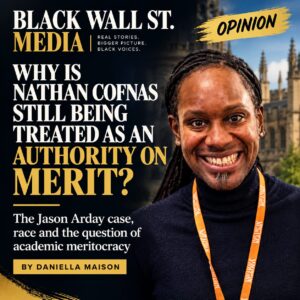 Why is Nathan Cofnas still being treated as an authority on merit? In this powerful opinion piece, Daniella Maison examines the controversy surrounding Professor Jason Arday, the allegations that were not substantiated, and the wider questions of race, racism and meritocracy in British academia. Read the full article and join the conversation.
- Why Did Britain Need to See Jane, Christina, and Rebecca as Little Girls?
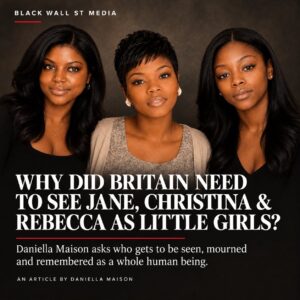 Why did Britain need to see Jane, Christina and Rebecca as little girls to recognise their humanity? In this powerful and thought-provoking article, Daniella Maison challenges us to confront how race, media representation and perceptions of Black womanhood shape whose pain we recognise and whose vulnerability we acknowledge. Their childhood photographs may move us, but they should never have been necessary for us to see their humanity. Read Daniella Maison’s compelling article and join the conversation. Why should Black women have to be seen as children to receive the tenderness and compassion they deserve?
- The Jamaican Who Stood Beside Kenyatta
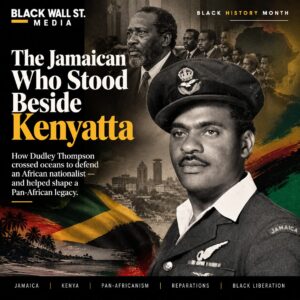 How did a boy from Kingston, Jamaica, become one of Britain’s most influential thinkers on race, culture and identity? This Black History Month, discover the story of Stuart Hall, the man who challenged Britain to question its history, its identity and who gets to define what it means to be British. Read his remarkable story and discover why his legacy still matters today.





Beyond the Hustle: Rethinking Wealth for Ourselves
Read More
Global Black Economic Justice Takes Centre Stage in New York
Read More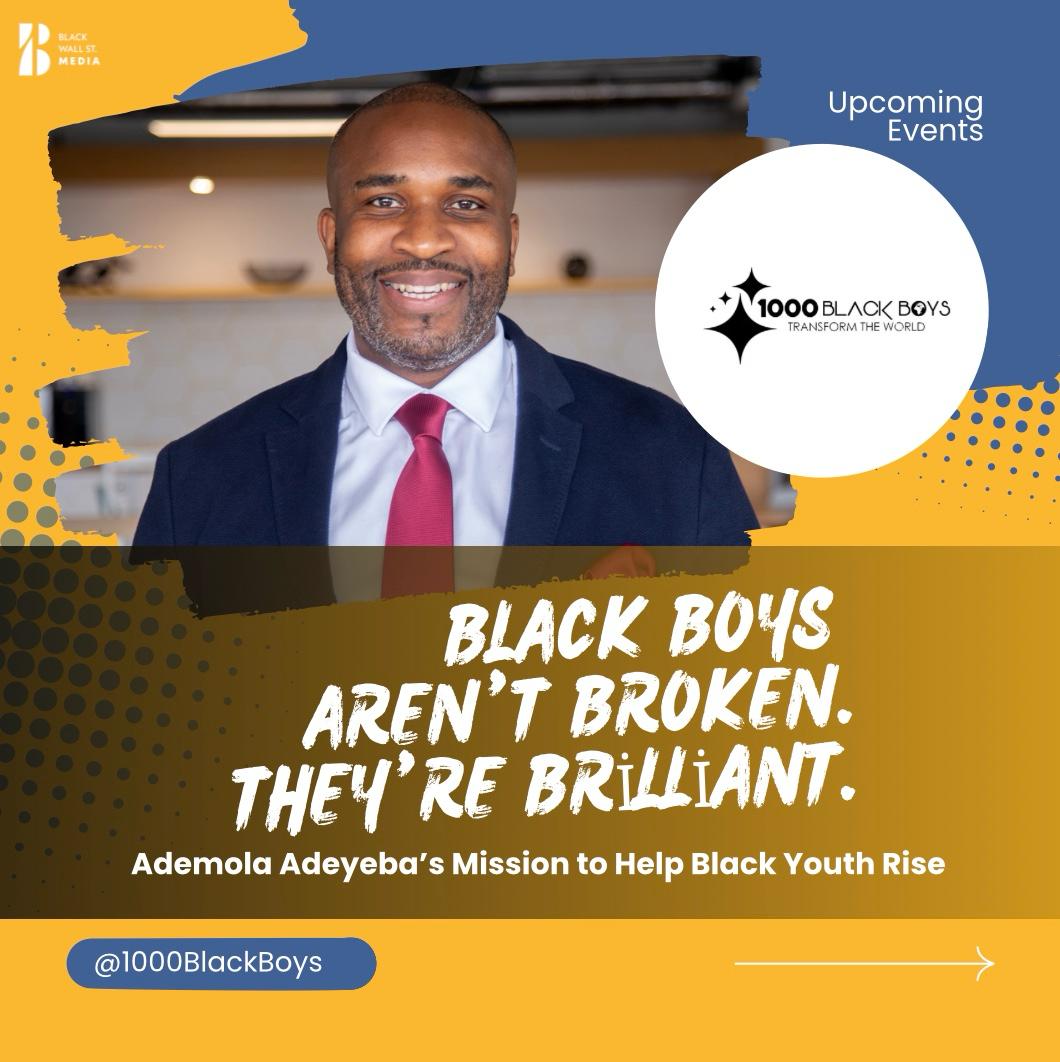
Ademola Adeyeba’s Mission to Help Black Youth Rise
Read More
Advancing Equity
Read More
Cashblack Launches US App for Black History Month
Read More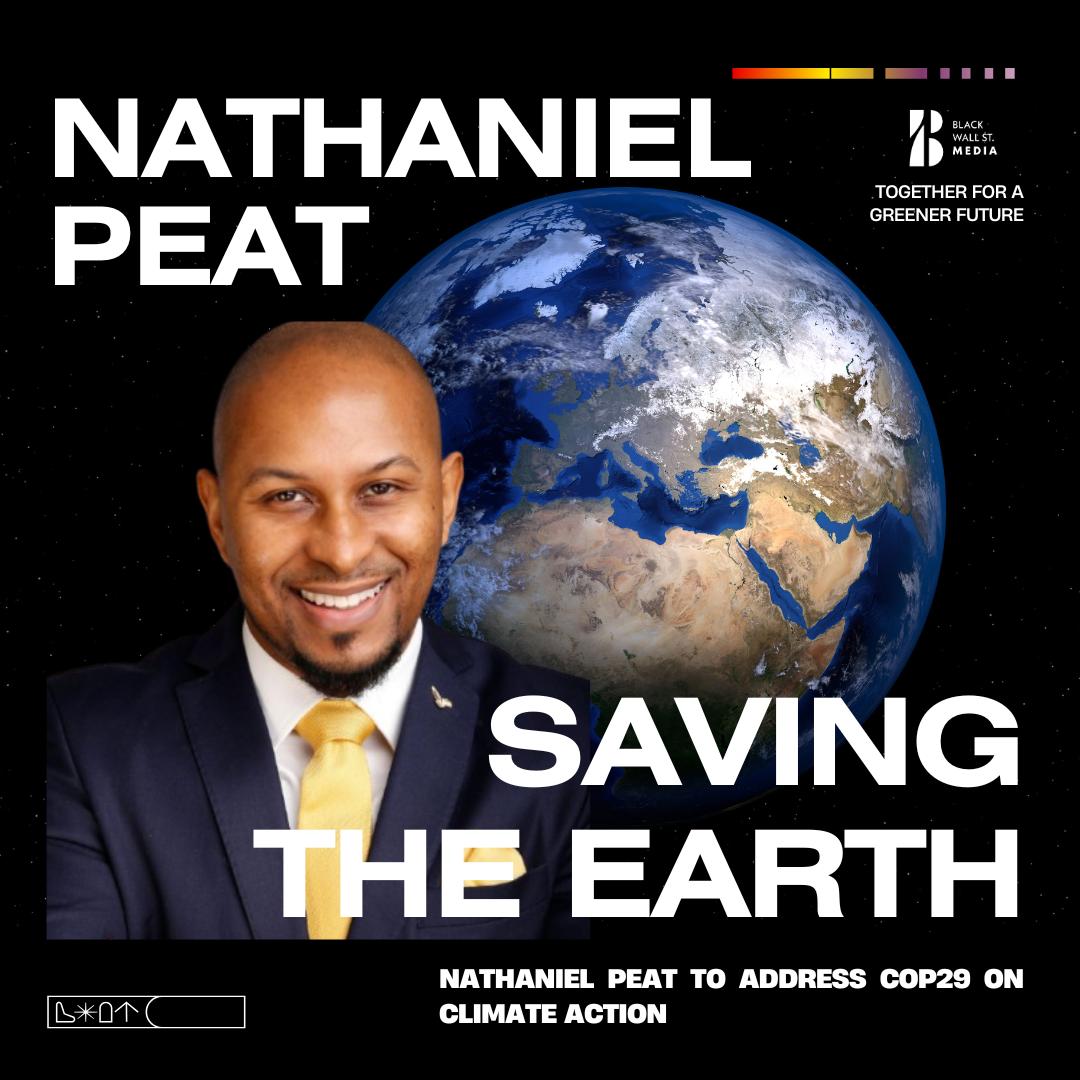
Peat Speaks at COP29 in Baku
Read More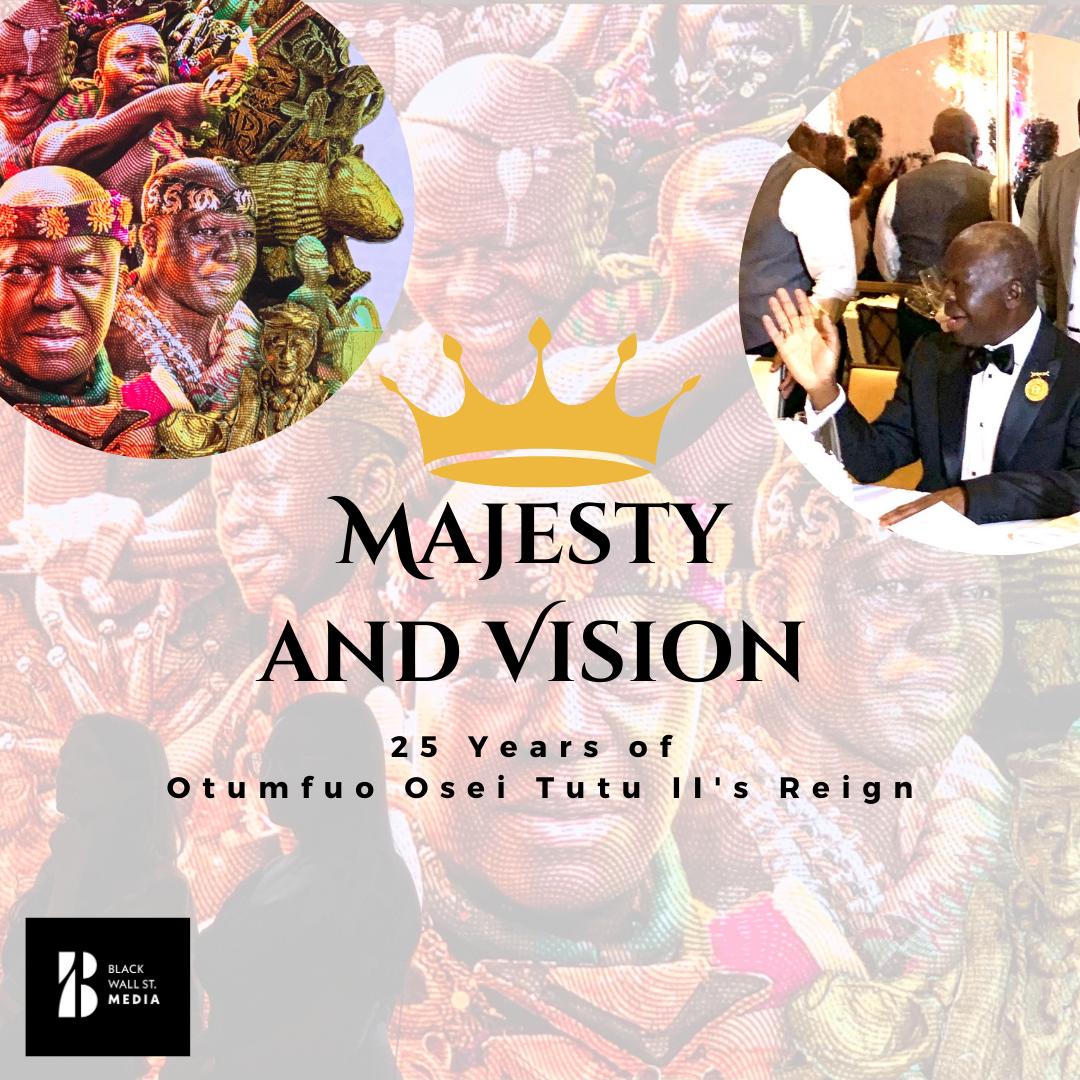
Majesty and Vision: 25 Years of Otumfuo Osei Tutu II’s Reign
Read More
Bracing Our Heritage – Empowering Our Future
Read More
Natasha Ferguson Takes the Helm at Taylor Bennett Foundation
Read More