Tag

#ChangingtheNarrative

The Invoice Britain Paid to the Wrong Side

By EDITOR, LATEST, SOCIAL JUSTICENo Comments

Britain paid £20 million to compensate slave owners when slavery was abolished. But what did the formerly enslaved receive? Nothing.
In this powerful and thought-provoking article, Dr Diahanne Rhiney challenges Britain to confront an uncomfortable truth: the financial debt to enslavers was honoured, but the debt of justice to the enslaved remains unpaid.
Who benefited? Who was forgotten? And why does this history still matter today?
Read The Invoice Britain Paid to the Wrong Side.
Read More

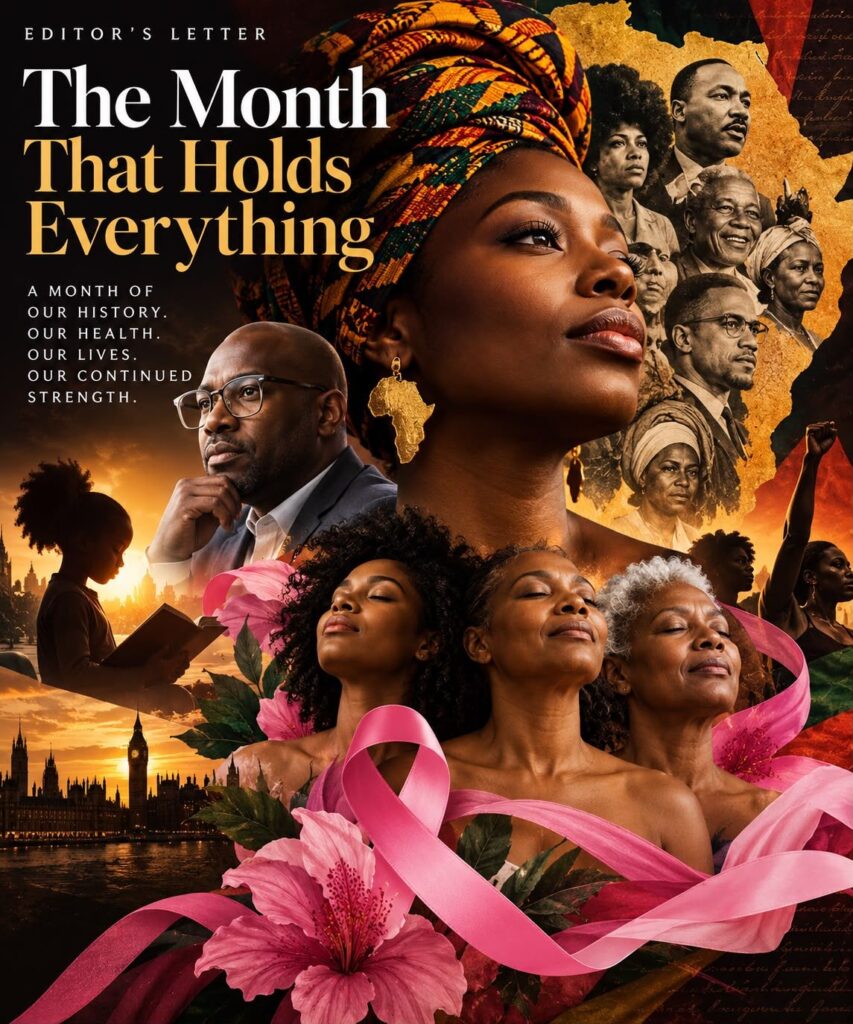
October Editor’s Letter: The Month That Holds Everything

By EDITOR, LATESTNo Comments

October is a month that asks us to remember, reflect and take action. In her Editor’s Letter, Diahanne Rhiney brings together Black History Month, World Menopause Month and Breast Cancer Awareness Month, reminding us that our history, our health and our wellbeing are deeply connected. She also pays tribute to Professor Jason Arday, whose remarkable life challenged expectations and opened doors for others. A powerful and personal reflection on representation, health, resilience and the importance of looking after ourselves and one another. Take a moment to read Diahanne’s October Editor’s Letter.

Read More

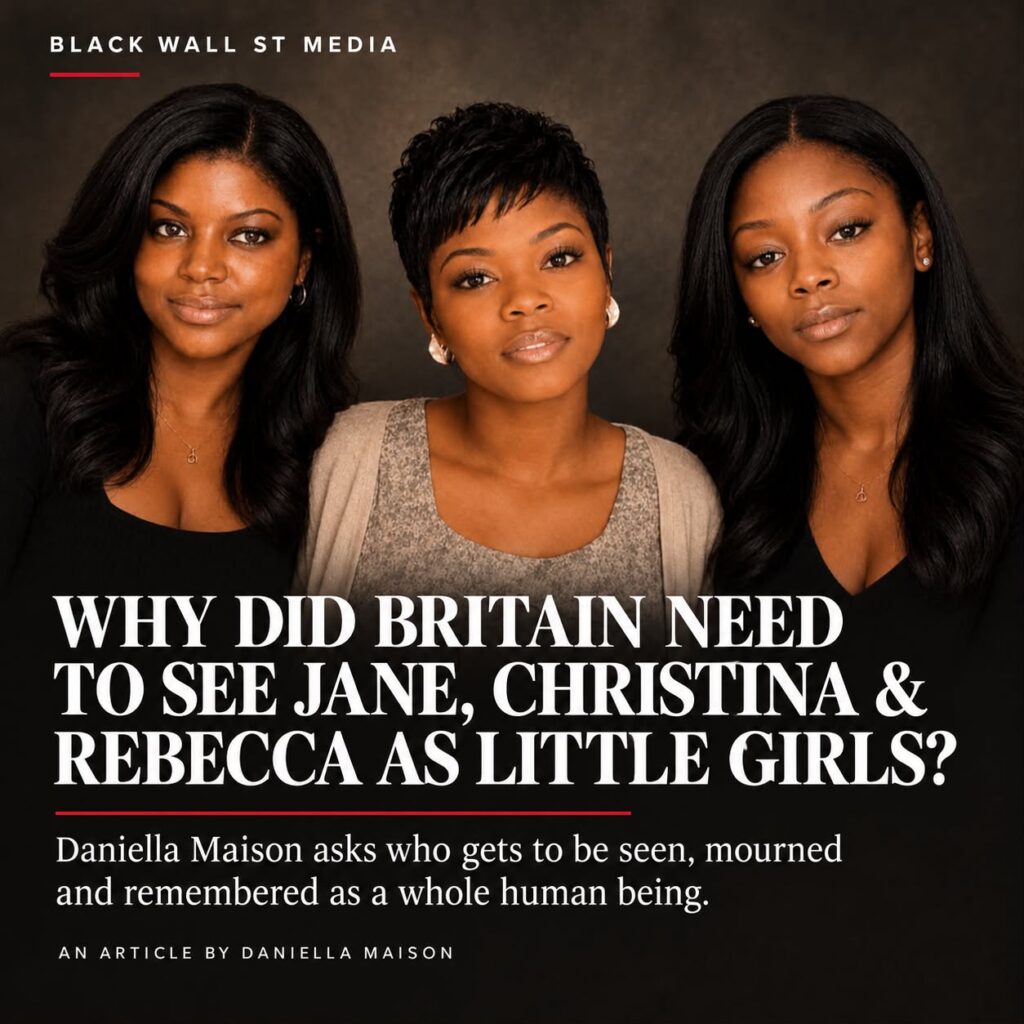
Why Did Britain Need to See Jane, Christina, and Rebecca as Little Girls?

By LATEST, SOCIAL JUSTICENo Comments

Why did Britain need to see Jane, Christina and Rebecca as little girls to recognise their humanity? In this powerful and thought-provoking article, Daniella Maison challenges us to confront how race, media representation and perceptions of Black womanhood shape whose pain we recognise and whose vulnerability we acknowledge.

Their childhood photographs may move us, but they should never have been necessary for us to see their humanity.

Read Daniella Maison’s compelling article and join the conversation. Why should Black women have to be seen as children to receive the tenderness and compassion they deserve?

Read More

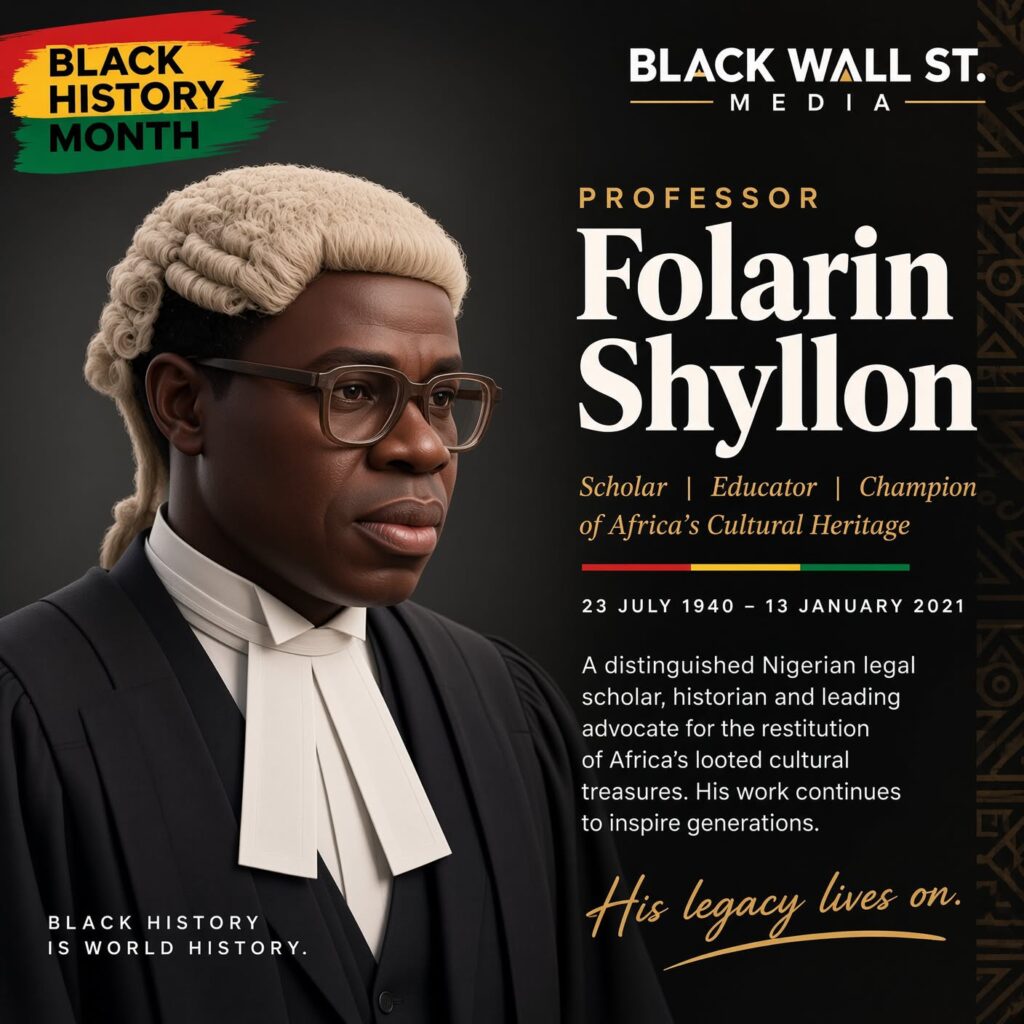
Professor Folarin Shyllon Reclaiming Africa’s History

By HISTORY, LATESTNo Comments

Black History Month: Professor Folarin Shyllon — Reclaiming Africa’s History

From uncovering the forgotten history of Black people in Britain to championing the return of Africa’s looted cultural treasures, Professor Folarin Shyllon dedicated his life to truth, justice and reclaiming heritage.

Discover the remarkable legacy of a pioneering Nigerian legal scholar who challenged historical erasure and championed Africa’s right to its own history.

Because reclaiming our history is reclaiming our power.

Read the full article with Black Wall St. Media.

Black history is world history.

Read More

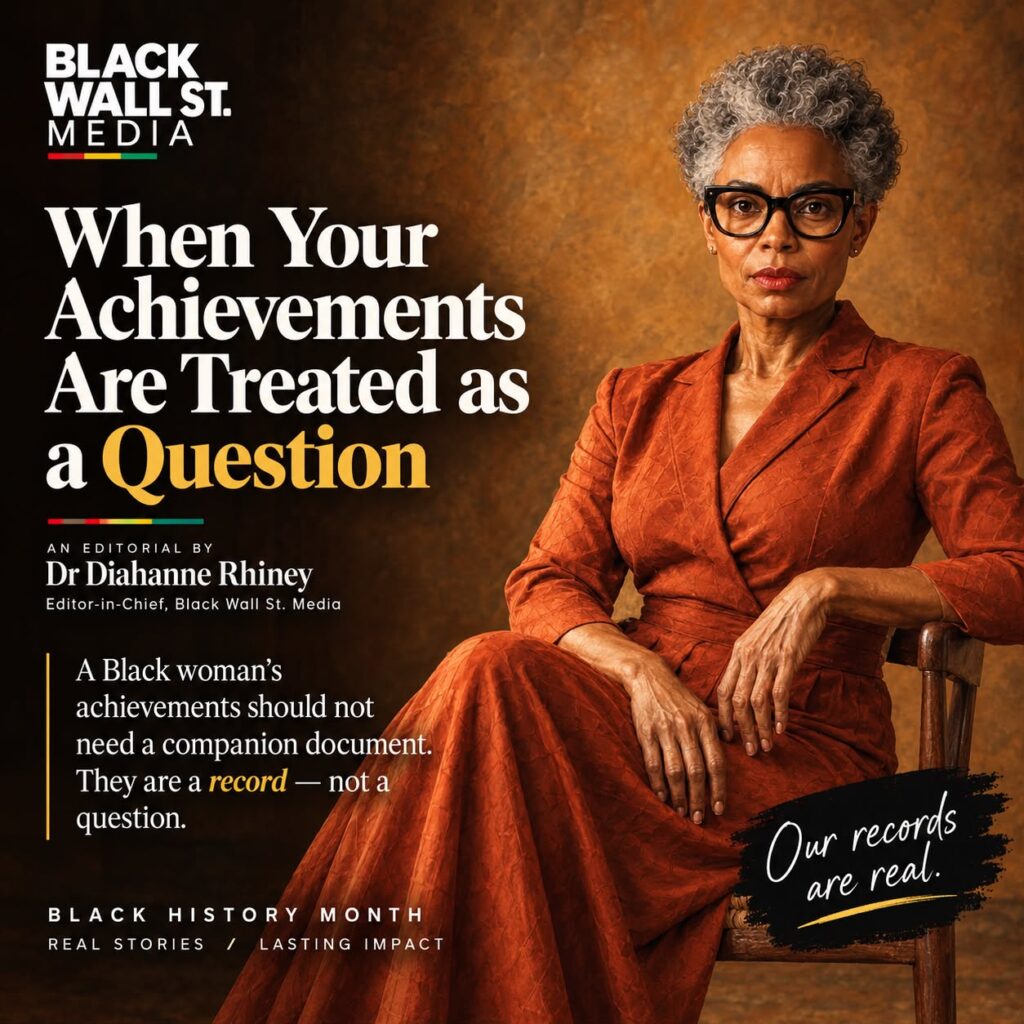
When Your Achievements Are Treated as a Question

By EDITOR, LIFESTYLENo Comments

When a Black Woman Has to Prove Her Worth

What happens when decades of achievement are met with doubt, and a Black woman finds herself having to justify not just her work, but her right to be in the room? This powerful and deeply personal reflection explores race, credibility, the emotional cost of constant scrutiny, and why being told to “let it go” is not always enough. This Black History Month, it is time to look beyond celebration and confront the realities Black women continue to face in the workplace.

Read More

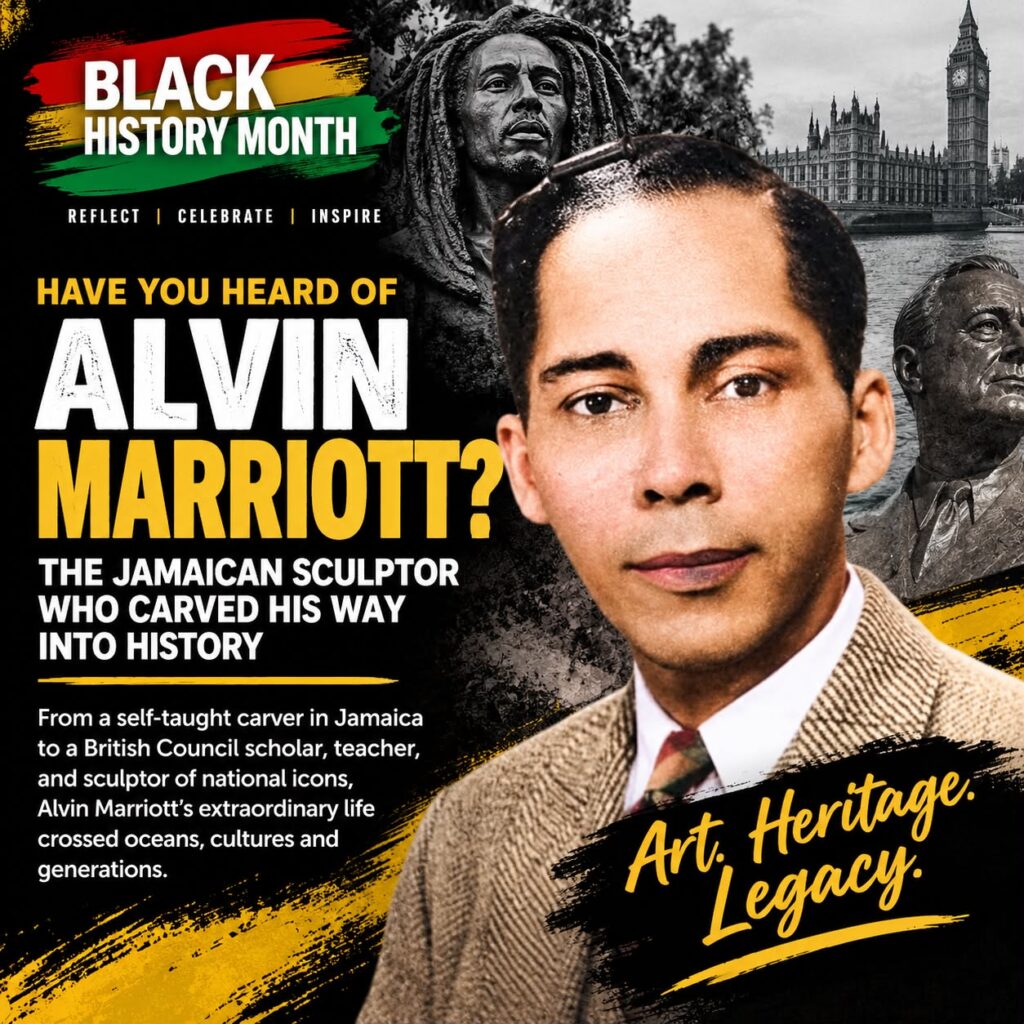
The Jamaican Sculptor Who Carved His Way Into History

By HISTORY, LATESTNo Comments

Have you heard of Alvin Marriott? A Jamaican sculptor whose extraordinary talent took him from carving limestone in Jamaica to helping restore the Houses of Parliament in Britain, teaching a new generation of artists and creating a monument to Bob Marley in his eighties. This Black History Month, discover the remarkable story of a man whose hands helped shape history, yet whose name remains unfamiliar to so many. It is time to look again, remember his contribution and give Alvin Marriott the recognition he deserves.

Read More

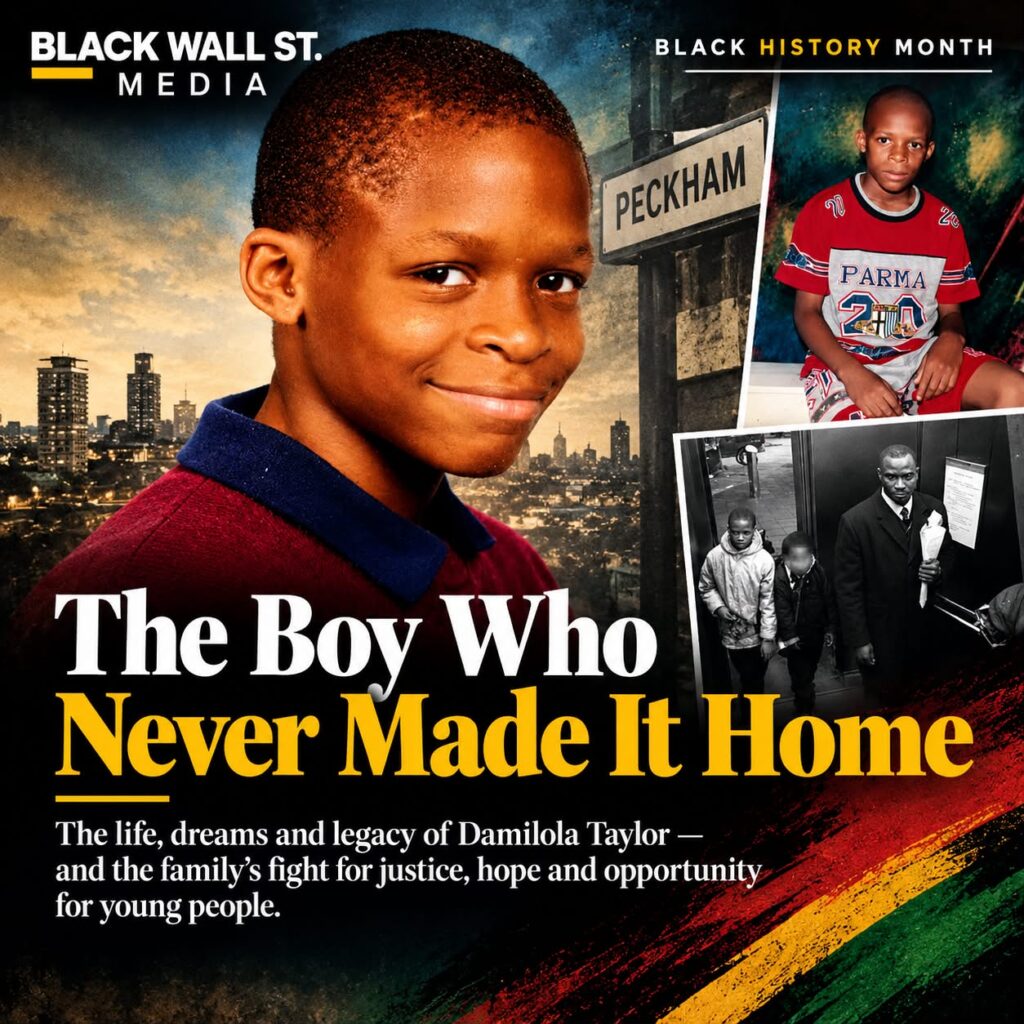
Damilola Taylor: The Boy Who Never Made It Home

By HISTORY, LATESTNo Comments

He was just ten years old. He loved football, supported Manchester United and dreamed of becoming a medical researcher so he could help his sister.

On 27 November 2000, Damilola Taylor was fatally injured while walking home in Peckham.

His death shocked Britain. His family endured years of waiting for justice. But his parents, Richard and Gloria Taylor, refused to let their son’s legacy be defined by the violence that took him.

They established the Damilola Taylor Trust to help give other young people hope, opportunities and a better chance of a future.

This Black History Month, we remember the child behind the headlines — his dreams, his family and the future he was never given the chance to live.

Every child deserves to make it home. Every child deserves a future.

Read our Black History Month feature with Black Wall St. Media.

Read More

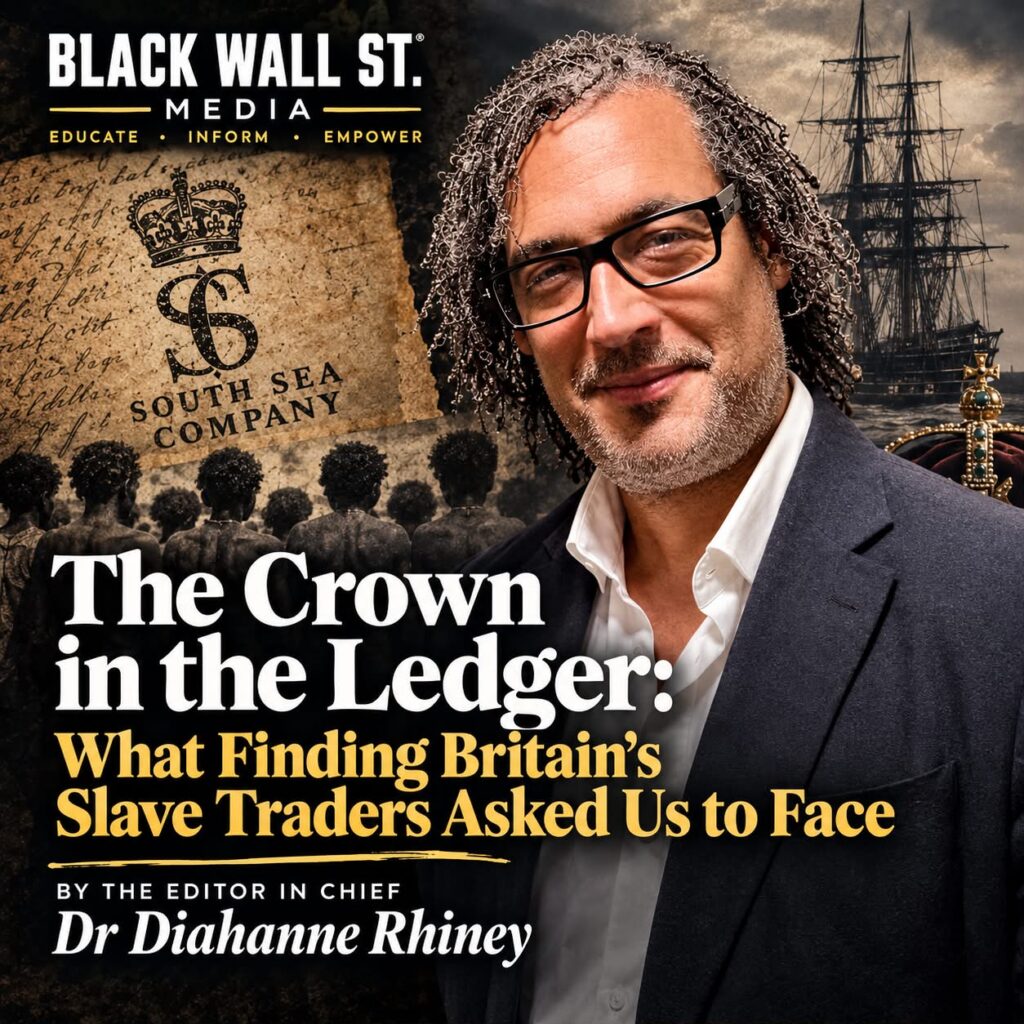
The Crown in the Ledger: What Finding Britain’s Slave Traders Asked Us to Face

By HISTORY, LATESTOne Comment

What happens when Britain’s history is no longer told through monuments, wealth and institutions, but through the ledger behind them?

Finding Britain’s Slave Traders with David Olusoga brings names, companies, royal connections and fortunes into focus, forcing us to confront how deeply the transatlantic slave trade was embedded in British society.

In “The Crown in the Ledger,” we explore what these records reveal about wealth, power, responsibility and the legacy that remains today.

Read the full article and ask yourself: who owns what, who benefited, and what does honest accounting look like?

Read More

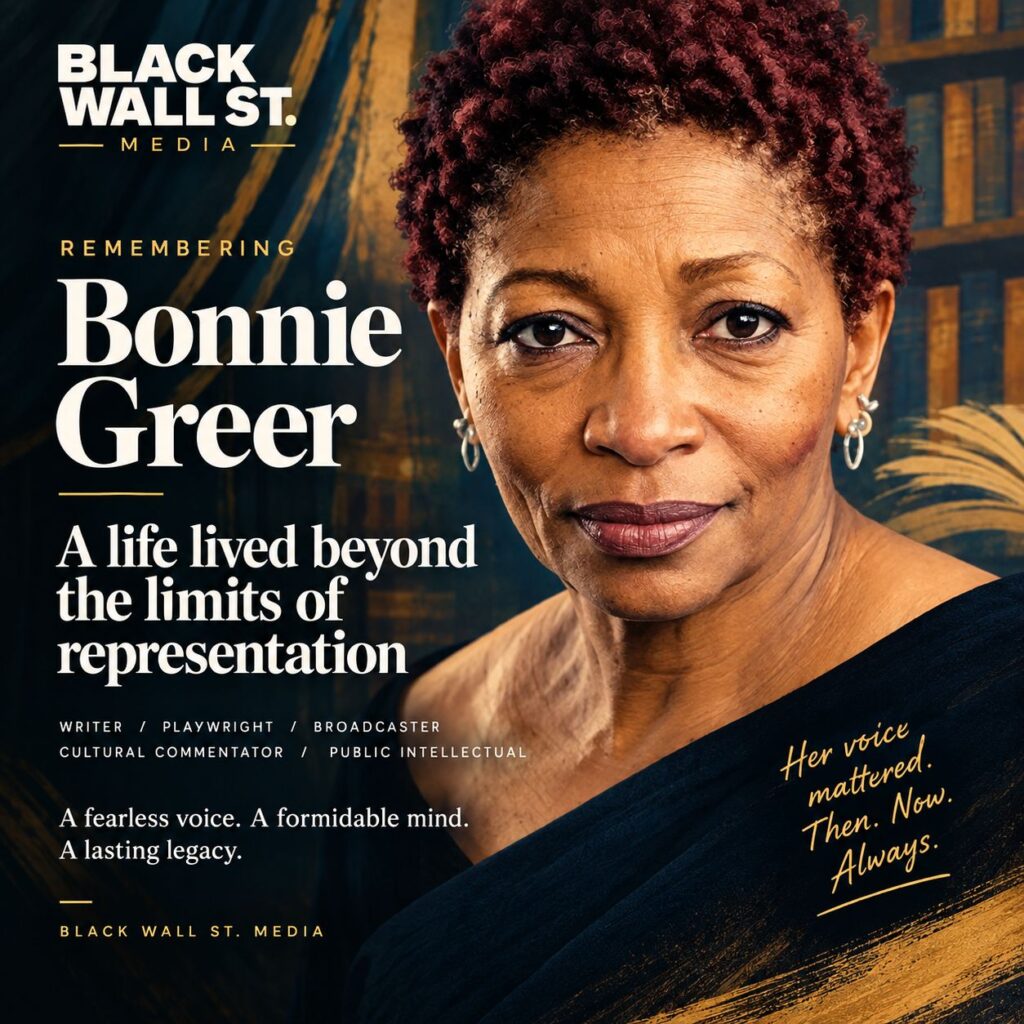
A life lived beyond the limits of representation

By HISTORY, LATESTNo Comments

Bonnie Greer was never simply a writer, playwright or broadcaster. She was a cultural force who refused to be confined by the expectations placed on Black women in public life. From Chicago to Britain, from theatre and literature to television and institutional leadership, she built a life defined by intellect, independence and an unapologetic right to occupy space.

As Britain remembers her following her death at 77, this article looks beyond the achievements and asks what her life represented: the power of cultural authority, the importance of institutional access, and the freedom to be fully human rather than simply inspirational.

Read More