FASHION
How Olori Ronke Ademiluyi Ogunwusi Built an Economic Engine for African Fashion
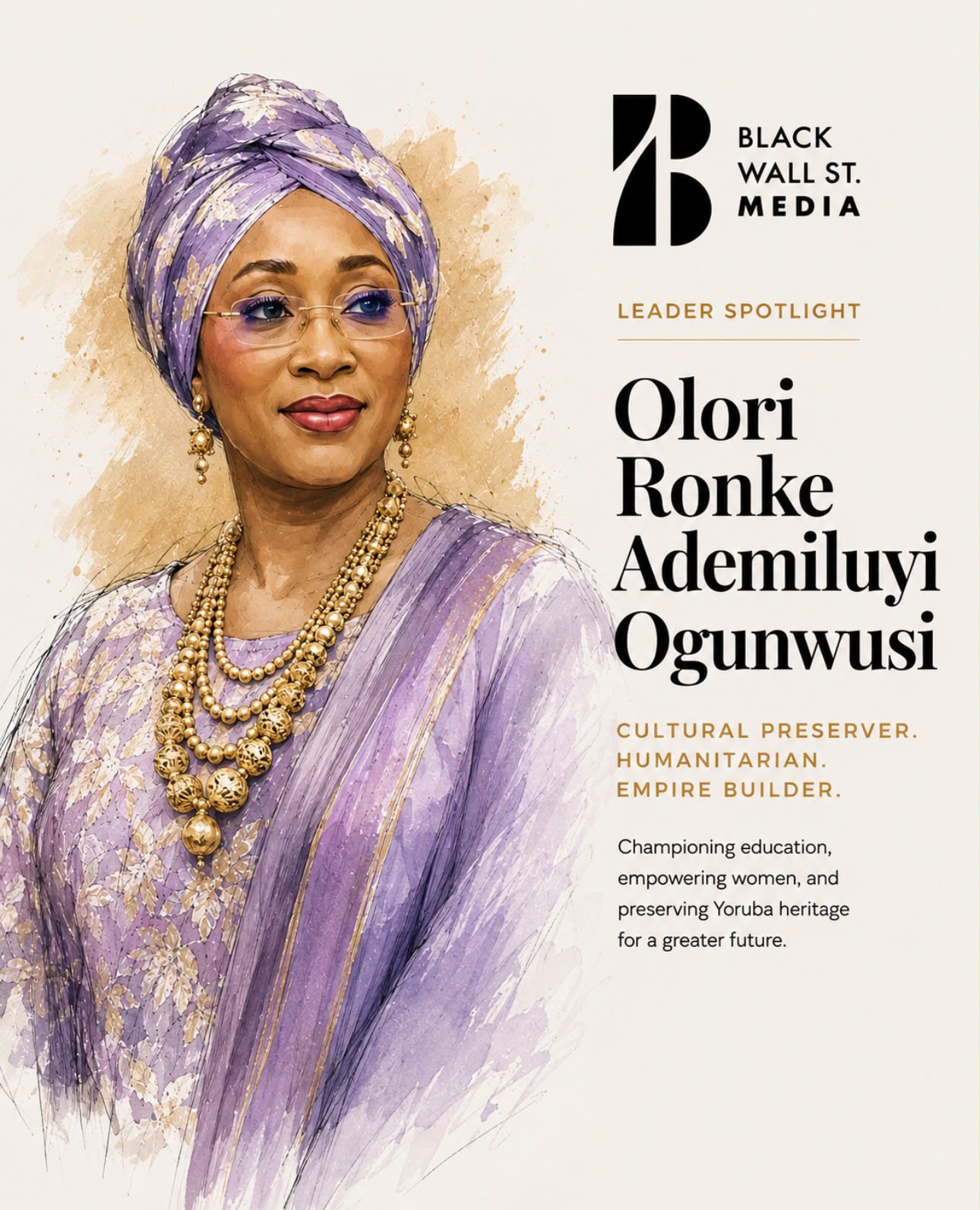
“African fashion is more than the catwalk. For nearly two decades, Olori Ronke Ademiluyi Ogunwusi has built platforms, partnerships and production networks designed to turn African creativity into global economic opportunity.
From Africa Fashion Week London to indigenous textile development, discover how her vision is helping reshape African fashion as a powerful engine for trade, entrepreneurship and wealth creation.”
Dr Diahanne RhineyEditor in Chief
We design A Perfect Fit for Black Women
We’re breaking barriers of one-size-fits-all culture of mainstream fashion to a more customised fit for you.
When the history of contemporary African enterprise is written, the glossy photographs of elite catwalks will occupy only a fraction of the narrative.
Beneath the veneer of haute couture and international acclaim lies a much harder truth about wealth creation, industrial infrastructure, and global market access. For nearly two decades, Olori Ronke Ademiluyi Ogunwusi has understood that true economic power for the continent and its diaspora does not come from mere aesthetic visibility.
It comes from the deliberate construction of trade bridges, manufacturing systems, and sustainable commercial ecosystems. Africa Fashion Week London was never just a weekend showcase of vibrant textiles and brilliant tailoring.
It was and remains a calculated intervention in global trade economics. To understand the magnitude of this enterprise requires looking past the front rows and flashing cameras to examine the foundational plumbing of international commerce.
When Olori Ronke established the platform in 2011, she was addressing a profound systemic failure in the global fashion industry.
Talented designers across Africa and the diaspora were routinely celebrated for their cultural output while being systematically starved of capital, intellectual property protection, and direct access to lucrative international markets. Creativity without commercial infrastructure is merely a spectacle for foreign consumption.
By creating an institutional gateway between African creators and global buyers, Africa Fashion Week London fundamentally challenged the traditional gatekeepers of fashion capital and demanded that African designers be evaluated not as exotic curiosities, but as serious commercial entities.
The trajectory over the past fifteen years demonstrates an unwavering commitment to structural expansion rather than superficial celebration. The vision quickly outgrew a single annual event in the British capital, spawning vital sister platforms including Africa Fashion Week Nigeria and Africa Fashion Week Brazil. Each expansion represented a strategic node in an emerging transnational trade network connecting Lagos, London, São Paulo, and beyond.
This is diaspora economics in action. By forging direct commercial pathways between Africa and key international markets, Olori Ronke has positioned fashion as a primary vehicle for South South trade and cultural diplomacy.
It is a masterclass in leveraging heritage assets to generate sustainable foreign exchange and foreign investment. Crucially, economic sovereignty in fashion cannot exist without indigenous manufacturing and textile preservation.
Too often, developing economies are reduced to raw material suppliers while high value manufacturing happens elsewhere.
Through her pioneering work with the Adire Oodua Textile Hub in Nigeria, Olori Ronke tackled this structural imbalance head on. By safeguarding indigenous craftsmanship, training local artisans, and modernizing production systems, the initiative ensures that the economic value generated by traditional textiles remains rooted within the continent.
Heritage is transformed from a static museum artifact into a dynamic engine of industrial growth, creating dignified livelihoods and strengthening domestic manufacturing capacity.
This focus on the entire value chain separates serious economic builders from transient promoters. Fashion sits at the vibrant intersection of retail, tourism, manufacturing, intellectual property, and international trade.
When platforms like Africa Fashion Week London partner with institutions such as the British Council through initiatives like Creative DNA, they are not merely securing sponsorship.
They are embedding African designers into global networks of business mentorship, intellectual property education, and financial literacy.
The launch of retail focused concepts like Shop The Runway further bridges the chasm between artistic expression and consumer acquisition, ensuring that designers can translate runway acclaim into bottom line profitability.
The geopolitical and economic implications of this work are immense, particularly as the United Kingdom and African nations renegotiate trade and investment partnerships in a rapidly shifting global economy. Africa boasts the youngest population on the planet, a demographic dividend that will supply the world’s future workforce, innovators, and consumers.
The creative industries represent one of the most potent weapons in the economic arsenal of the Global South. When visionary leaders build the institutional architecture required to turn raw talent into scalable enterprises, they are laying the groundwork for generational wealth. Olori Ronke Ademiluyi Ogunwusi has spent the better part of two decades proving that African fashion is a serious economic driver rather than a passing cultural trend.
Her legacy extends far beyond the applause that greets every grand finale on the runway. It is etched into the contracts signed, the manufacturing hubs established, the international markets unlocked, and the new generation of entrepreneurs equipped to compete on the global stage.
For the discerning readership of Black Wall Street Media, this is the blueprint. Real empowerment is not asking for a seat at a broken table. It is building an entirely new economic engine on your own terms.
- Damilola Taylor: The Boy Who Never Made It Home
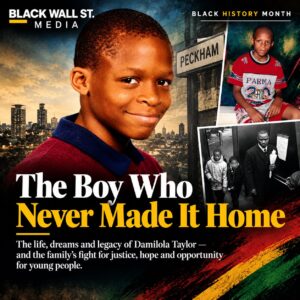 He was just ten years old. He loved football, supported Manchester United and dreamed of becoming a medical researcher so he could help his sister. On 27 November 2000, Damilola Taylor was fatally injured while walking home in Peckham. His death shocked Britain. His family endured years of waiting for justice. But his parents, Richard and Gloria Taylor, refused to let their son’s legacy be defined by the violence that took him. They established the Damilola Taylor Trust to help give other young people hope, opportunities and a better chance of a future. This Black History Month, we remember the child behind the headlines — his dreams, his family and the future he was never given the chance to live. Every child deserves to make it home. Every child deserves a future. Read our Black History Month feature with Black Wall St. Media.
 - Alzheimer’s the Black doctor who helped decode the disease
 🧠✨ Celebrating an Unsung Hero! Dive into the captivating journey of Dr. Solomon Fuller, a pioneer in Alzheimer's research and a standout figure in Black history. From his roots in Liberia to groundbreaking discoveries, discover the legacy of a medical trailblazer who defied adversity. 🌟
 - The Voice of the Child, Young Person and; Service User
 Whose voices are we really hearing? And what happens when we truly listen? The 3rd DARDR/DVA & Criminal Justice Summit 2026 will bring together professionals, practitioners, community organisations, academics and people with lived experience to place children, young people and service users at the heart of the conversation. Under the theme “The Voice of the Child, Young Person & Service User,” this year’s Summit will explore domestic abuse, violence, safeguarding, exploitation, trauma and criminal justice — but most importantly, how listening can move beyond consultation and become meaningful action. 📅 Friday 27 November 2026 📍 Brent Civic Centre, Wembley 💻 Hybrid Event | CPD Accredited Read more about the Summit, the conversations it will explore and how to book your place.
 - The Crown in the Ledger: What Finding Britain’s Slave Traders Asked Us to Face
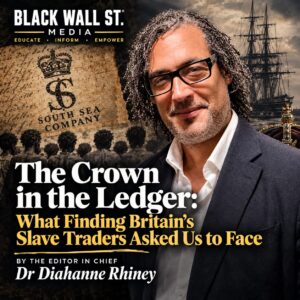 What happens when Britain’s history is no longer told through monuments, wealth and institutions, but through the ledger behind them? Finding Britain’s Slave Traders with David Olusoga brings names, companies, royal connections and fortunes into focus, forcing us to confront how deeply the transatlantic slave trade was embedded in British society. In “The Crown in the Ledger,” we explore what these records reveal about wealth, power, responsibility and the legacy that remains today. Read the full article and ask yourself: who owns what, who benefited, and what does honest accounting look like?
 - Is ‘Othello’ relevant today?
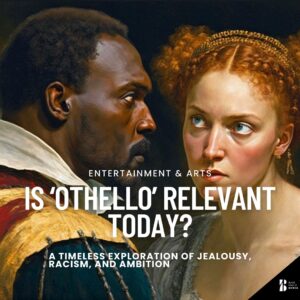 Othello: A Timeless Exploration of Jealousy, Racism, and Ambition




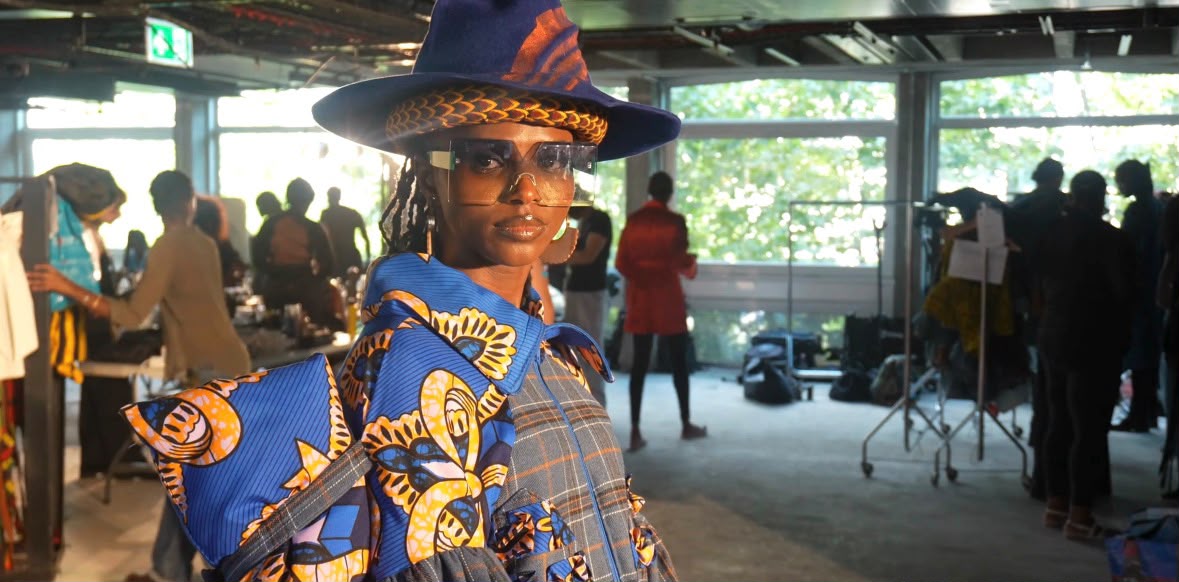
African Fashion Week London Returns: Where Heritage Meets the Future of Fashion
Read More