
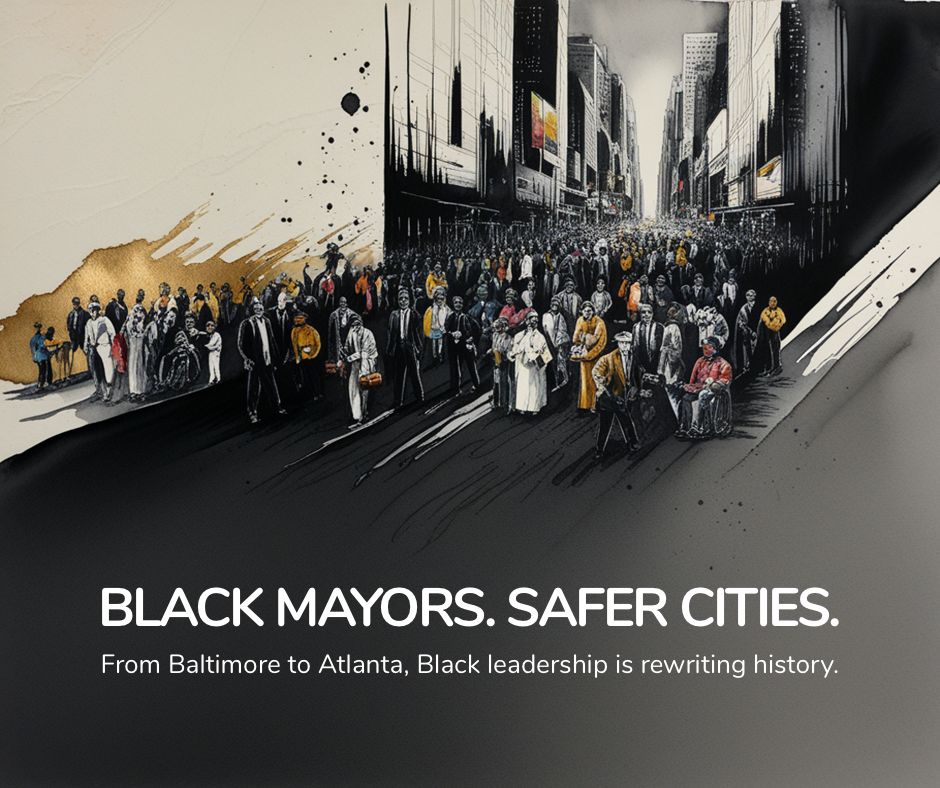
Politics & Leadership / Social Justice / Public Safety.
Black Mayors Are Quietly Rewriting America’s Crime Story
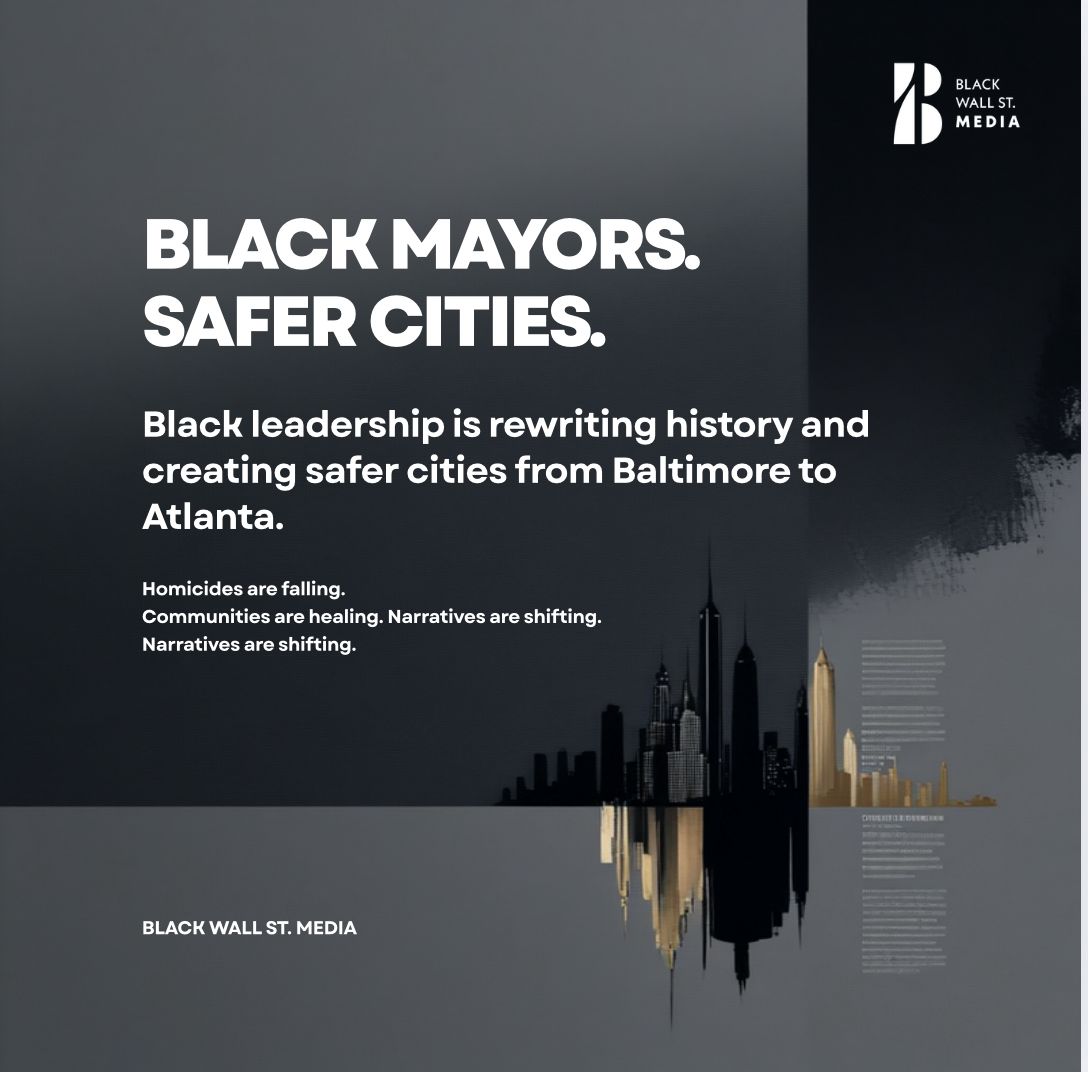
“They said our cities could not be saved.
BWSMCONTRIBUTOR
They said our leaders could not lead.
Yet in Baltimore, Chicago, Birmingham, LA, and Atlanta, Black mayors are proving them wrong. Homicides are falling. Communities are healing. Narratives are shifting.
This is not luck. This is leadership. This is what happens when power reflects the people.
Read the full story on Black Wall St. Media”








Black Mayors Are Quietly Rewriting America’s Crime Story
For decades, the narrative around crime in America’s largest cities has been hijacked by stereotypes, political point-scoring, and headlines that reduce entire communities to chaos.
But away from the noise, a quiet revolution is taking place. Across Baltimore, Chicago, Birmingham, Los Angeles, and Atlanta, Black mayors are not just managing crime—they’re reducing it at levels their cities haven’t seen in generations.
Baltimore: A City Reborn
In Baltimore, once the nation’s symbol of violent crime, Mayor Brandon Scott has overseen the lowest homicide rate in over 50 years. Homicides are down by nearly a quarter, nonfatal shootings have dropped by 20%, and April 2025 recorded the fewest monthly homicides in the city’s history.
This isn’t coincidence. Scott’s Comprehensive Violence Prevention Plan treats violence as a public health crisis, blending enforcement with community-driven solutions. The results are undeniable: Baltimore is safer than it has been in half a century.
Chicago: A New Chapter
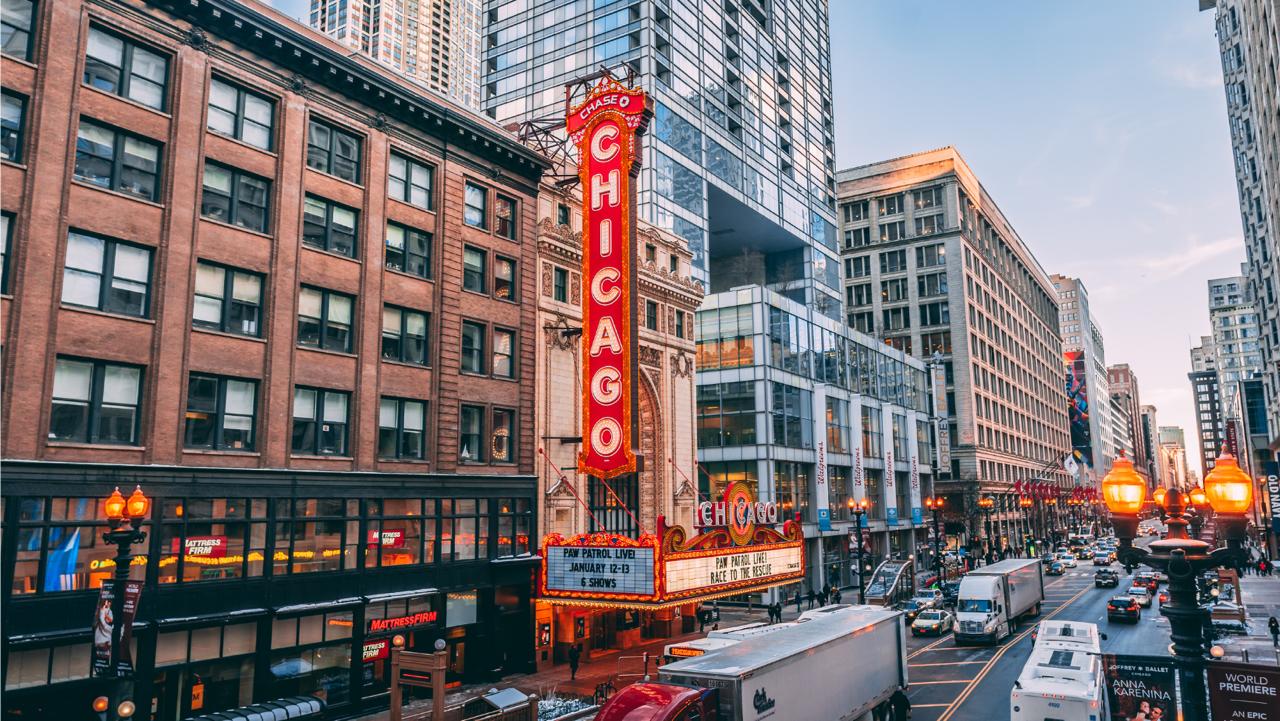
Chicago, long branded “America’s murder capital,” is rewriting its story under Mayor Brandon Johnson.
The city has experienced a 22–33% drop in homicides and shootings have plummeted by as much as 40%. These are not just statistics; they represent hundreds of lives spared, families intact, and communities given a chance to heal.
Birmingham: Leadership with Results
In Birmingham, Alabama, Mayor Randall Woodfin has achieved a 46–52% reduction in homicides, with police solving more cases than ever before. In a city once struggling under the weight of violent crime, Woodfin’s administration shows what’s possible when leadership is rooted in accountability and the community’s trust.
Los Angeles: From Chaos to Control

On the West Coast, Mayor Karen Bass has seen homicides fall 14% in a single year, with gang-related killings cut nearly in half in targeted areas. For Los Angeles—a sprawling city of immense complexity—this represents a shift that even skeptics didn’t think possible.
Atlanta: The Heartbeat of Change
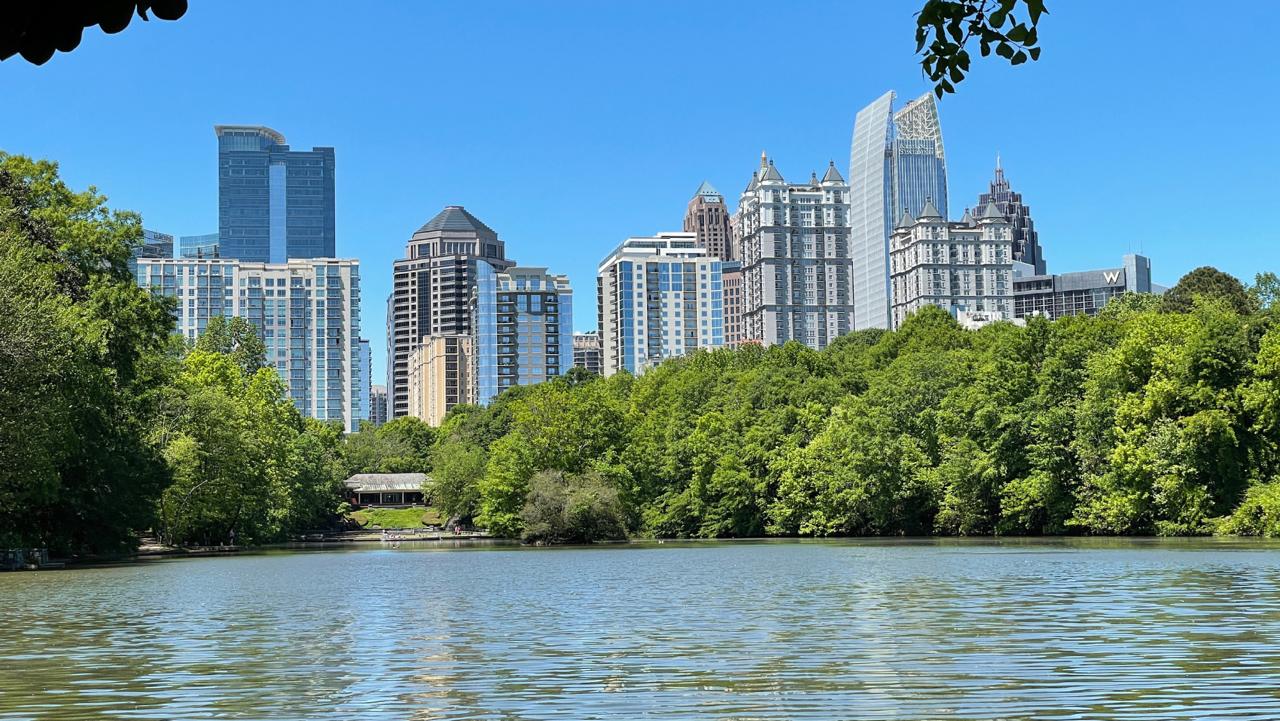
In Atlanta, Mayor Andre Dickens has delivered a 27% drop in homicides and a 19% decrease in shootings compared to last year. His administration has tackled crime while also investing in opportunities for young people, proving that real safety is built not just on policing, but on hope.
A Movement, Not a Moment
What links these mayors isn’t just their identity—it’s their refusal to accept the old narrative. Each has implemented policies that combine data, prevention, enforcement, and community partnership.
Together, they represent a movement: Black leadership proving that safety and justice can co-exist.
Yet, these victories rarely make national headlines. Too often, cities led by Black mayors are painted as “lawless” or “out of control,” even when the data tells a different story.
The truth is clear: Black mayors are driving historic declines in crime, reshaping the conversation, and showing the nation what inclusive, accountable leadership looks like.
The story of crime in America cannot be told without telling this story. It’s not just about fewer homicides; it’s about dismantling decades of negative stereotypes, about showing what’s possible when leadership reflects the communities it serves, and about reclaiming power over the narratives that define our cities.
Black mayors aren’t just taking back control of their cities. They are changing history.

- Alzheimer’s the Black doctor who helped decode the disease
 🧠✨ Celebrating an Unsung Hero! Dive into the captivating journey of Dr. Solomon Fuller, a pioneer in Alzheimer's research and a standout figure in Black history. From his roots in Liberia to groundbreaking discoveries, discover the legacy of a medical trailblazer who defied adversity. 🌟
 - The Voice of the Child, Young Person and; Service User
 Whose voices are we really hearing? And what happens when we truly listen? The 3rd DARDR/DVA & Criminal Justice Summit 2026 will bring together professionals, practitioners, community organisations, academics and people with lived experience to place children, young people and service users at the heart of the conversation. Under the theme “The Voice of the Child, Young Person & Service User,” this year’s Summit will explore domestic abuse, violence, safeguarding, exploitation, trauma and criminal justice — but most importantly, how listening can move beyond consultation and become meaningful action. 📅 Friday 27 November 2026 📍 Brent Civic Centre, Wembley 💻 Hybrid Event | CPD Accredited Read more about the Summit, the conversations it will explore and how to book your place.
 - The Crown in the Ledger: What Finding Britain’s Slave Traders Asked Us to Face
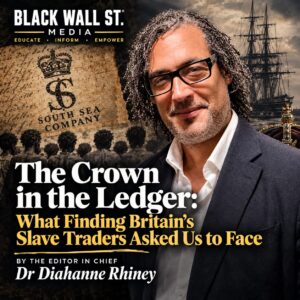 What happens when Britain’s history is no longer told through monuments, wealth and institutions, but through the ledger behind them? Finding Britain’s Slave Traders with David Olusoga brings names, companies, royal connections and fortunes into focus, forcing us to confront how deeply the transatlantic slave trade was embedded in British society. In “The Crown in the Ledger,” we explore what these records reveal about wealth, power, responsibility and the legacy that remains today. Read the full article and ask yourself: who owns what, who benefited, and what does honest accounting look like?
 - Is ‘Othello’ relevant today?
 Othello: A Timeless Exploration of Jealousy, Racism, and Ambition
 - A life lived beyond the limits of representation
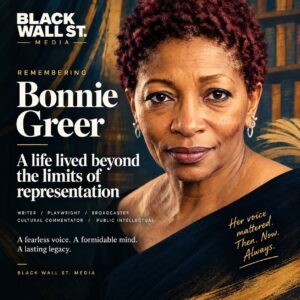 Bonnie Greer was never simply a writer, playwright or broadcaster. She was a cultural force who refused to be confined by the expectations placed on Black women in public life. From Chicago to Britain, from theatre and literature to television and institutional leadership, she built a life defined by intellect, independence and an unapologetic right to occupy space. As Britain remembers her following her death at 77, this article looks beyond the achievements and asks what her life represented: the power of cultural authority, the importance of institutional access, and the freedom to be fully human rather than simply inspirational.



100 Black Women Campaign
Read More
Black Parenting: Discipline as Protection
Read More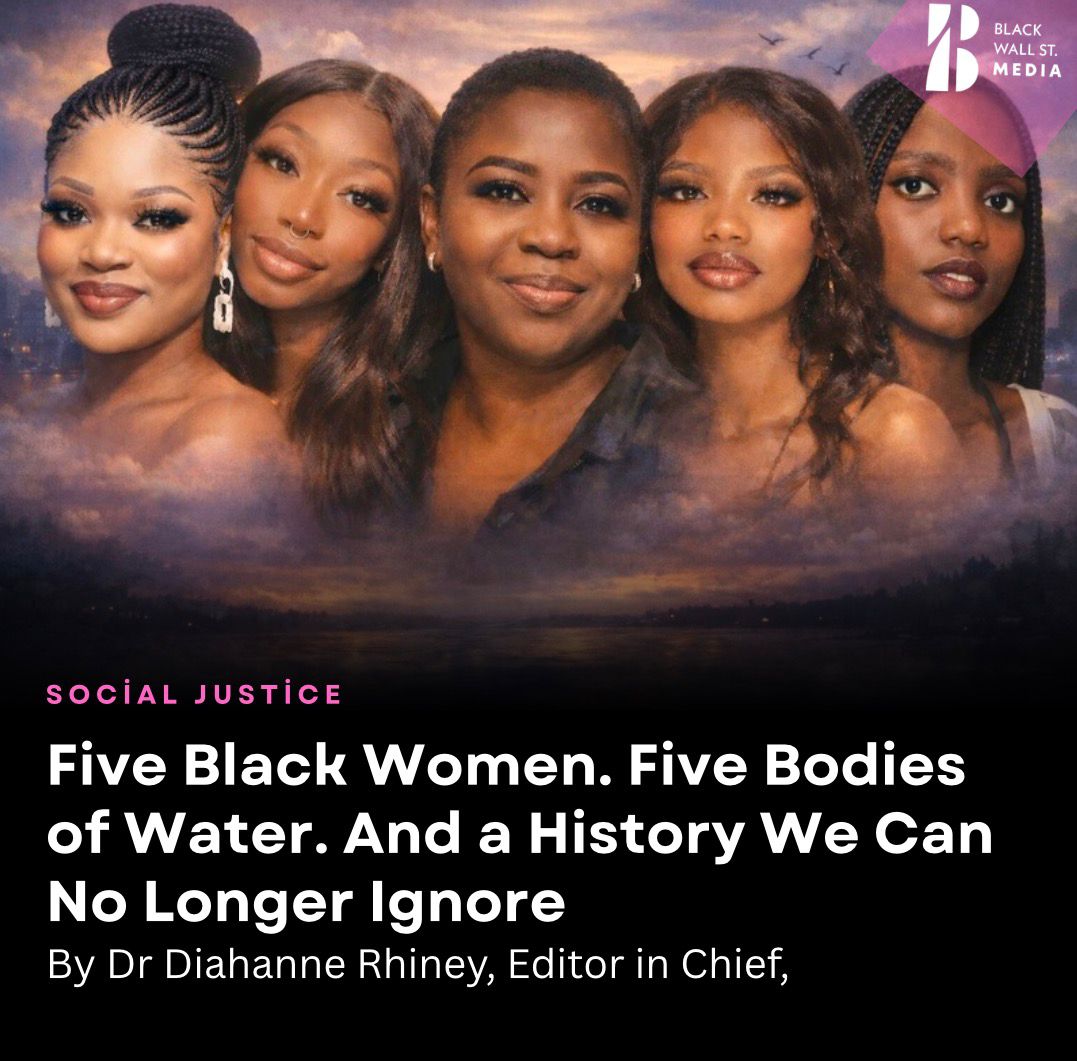
Five Black Women. Five Bodies of Water. And a History We Can No Longer Ignore
Read More
International Women’s Day: The Diaspora Women Who Carry the World on Their Shoulders
Read More
When Inclusion and Impact Collide at the BAFTAs
Read More
When Oversight Falls Silent
Read More
Ras Judah: The Elder Who Stood So We Could Stand
Read More
A Giant Has Fallen. What Jesse Jackson Meant to the Diaspora
Read More
Landmark Ruling
Read More
Locked Out of the Purse Strings
Read More
INSANE ENERGY INCOMING!
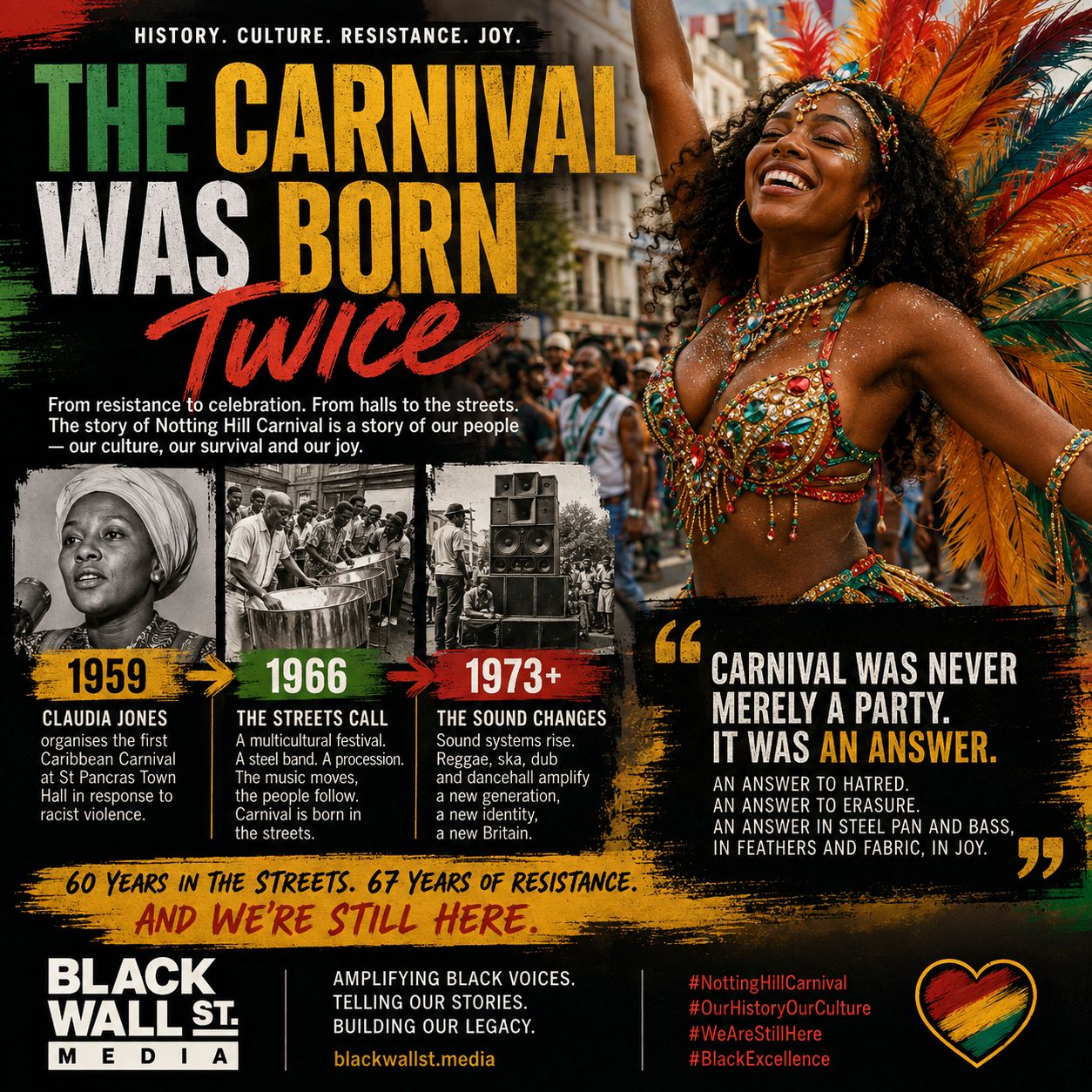
The Carnival Was Born Twice
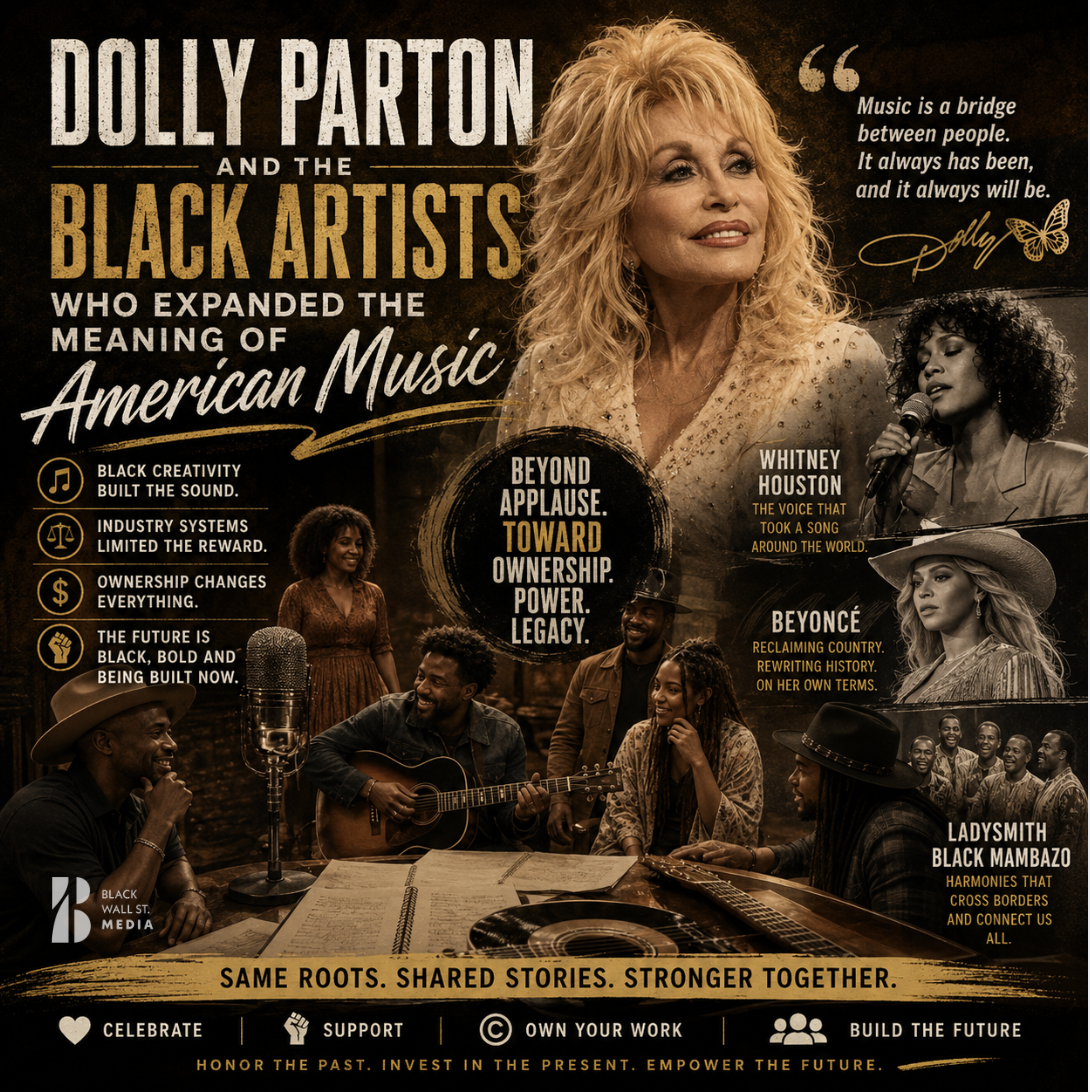
Dolly Parton and the Black Artists Who Expanded the Meaning of American Music
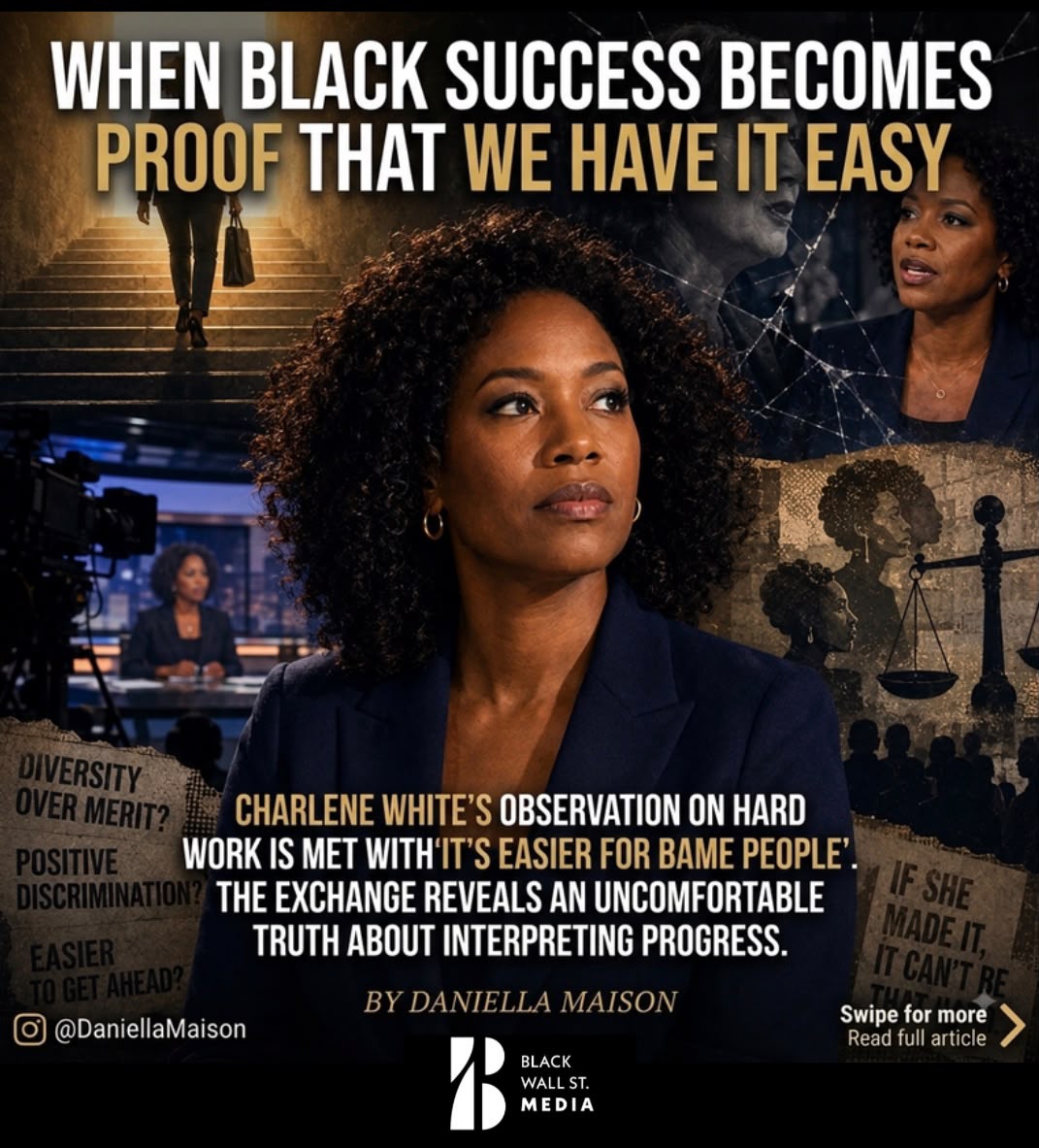
When Black Success Becomes Proof That We Have It Easy
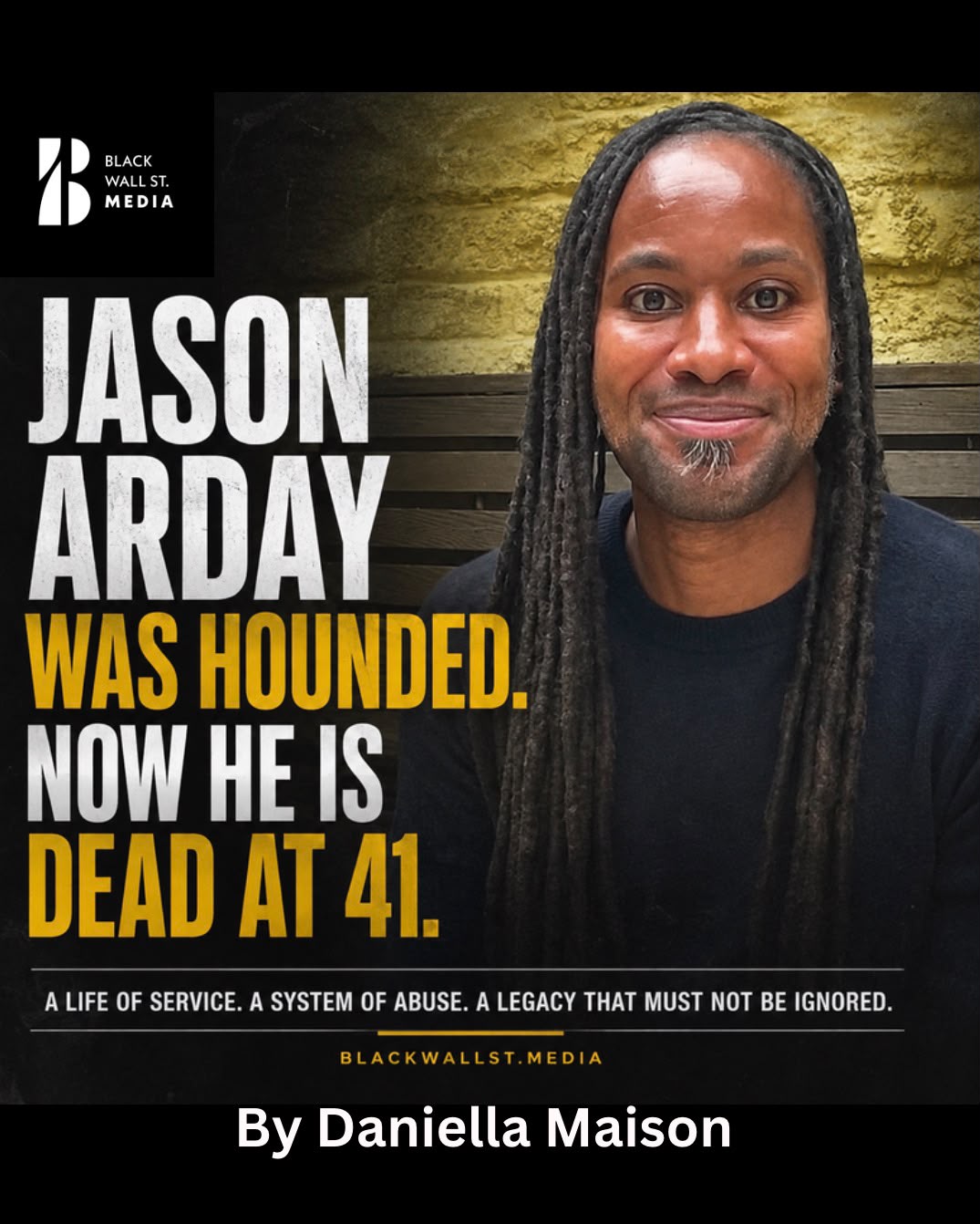
Jason Arday Was Hounded. Now He Is Dead at 41
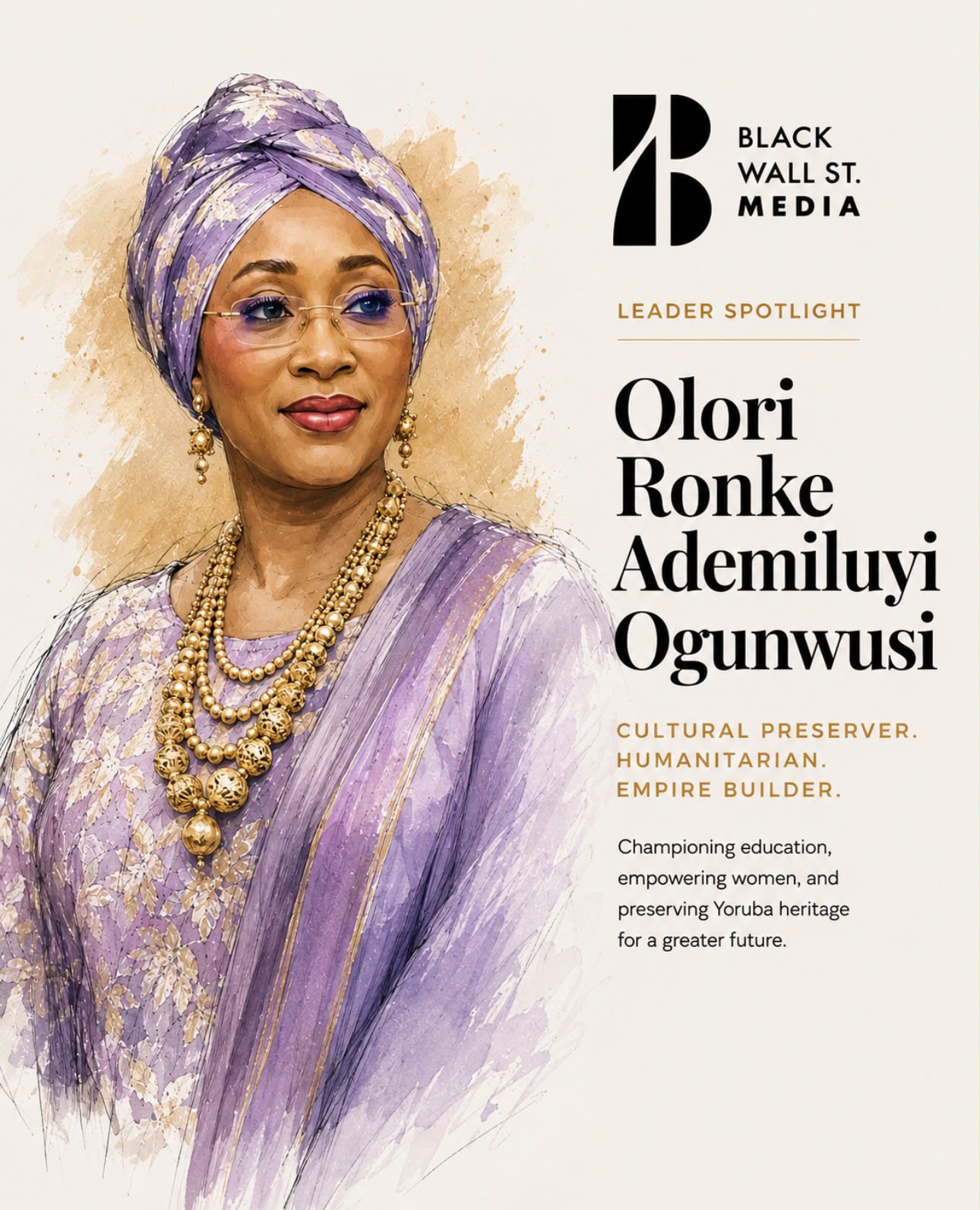
Beyond the Catwalk: How Olori Ronke Ademiluyi Ogunwusi Built an Economic Engine for African Fashion

African Fashion Week London Returns: Where Heritage Meets the Future of Fashion
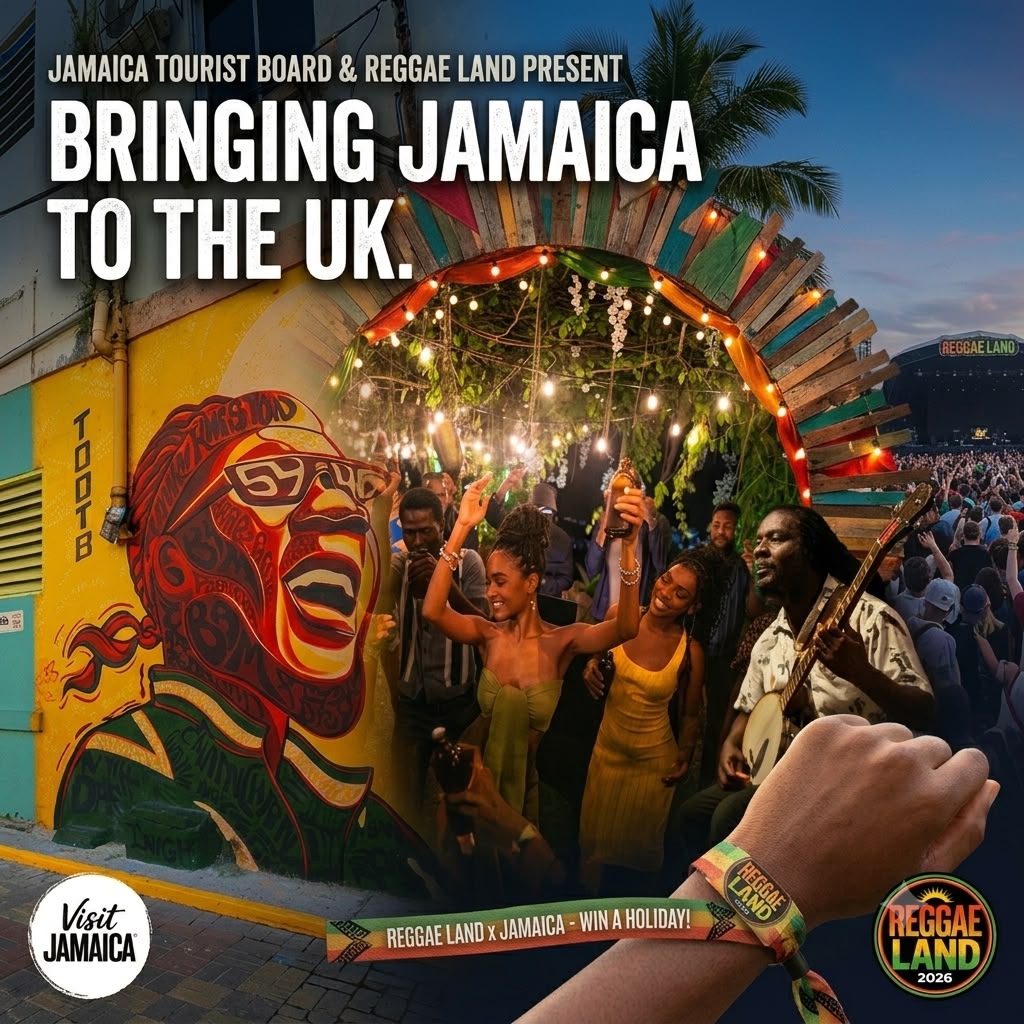
Jamaica Tourist Board Partners with Reggae Land Bringing Jamaica to the UK’s Biggest Reggae Festival
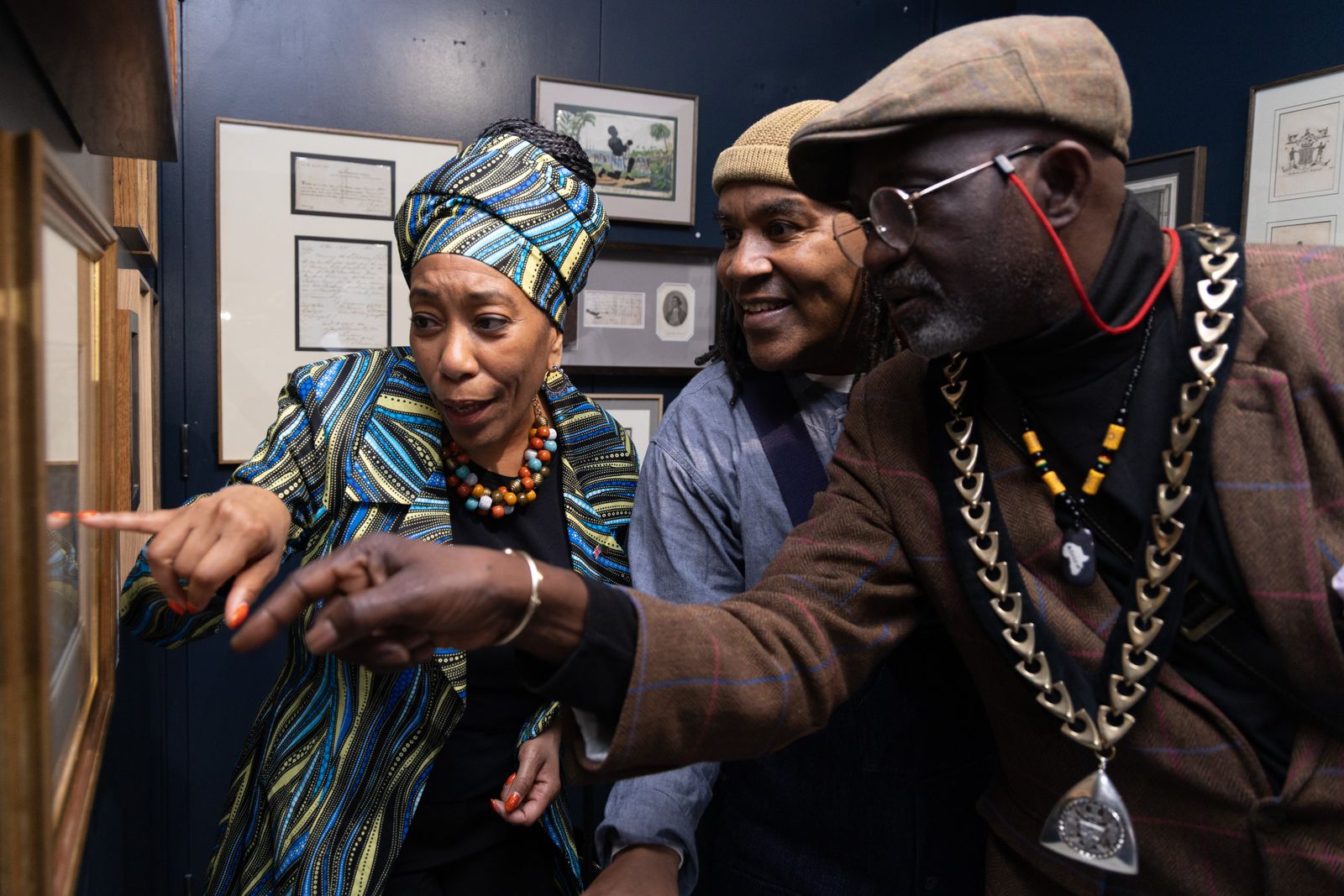
The Africa Centre’s 60th Anniversary Exhibition: a landmark celebration of history, presence and legacy

