
Domestic Abuse Awareness / Gender-Based Violence
Breaking the Silence on Coercive Control
““Control is not care. Protection is not love.”
BWSMContributor
During Domestic Abuse Awareness Month, we’re breaking the silence around coercive control — the quiet violence that hides behind strength, love, and culture in Black communities.
This isn’t just a women’s issue. It’s a community issue. It’s time to unlearn silence and build a culture rooted in truth, respect, and real love.
Read the full story on Black Wall Street Media.”
We design A Perfect Fit for Black Women
We’re breaking barriers of one-size-fits-all culture of mainstream fashion to a more customised fit for you.
Contemporary African design
54kibo brings you exclusive luxury African decor for the home, office and other lifestyle spaces.
WHERE HERITAGE HITS HOME
The Cornrow is a homeware curation dedicated to celebrating a modern Black aesthetic.
In our communities, we know about survival. We know about resilience.
We know how to push through pain and keep moving. But sometimes that strength — the same one that has carried generations through racism, poverty, and loss becomes the mask that hides our hurt.
We protect everyone but ourselves. And too often, behind closed doors, that hurt takes shape as control.
What Coercive Control Looks Like
“He doesn’t let me see my family because they don’t respect him.”
“She checks his phone every night because she’s been cheated on before.”
“He gives her an allowance and says, ‘It’s just easier this way.’”
No shouting. No bruises. Just slow, silent control that drains the spirit drop by drop.
Coercive control is a form of domestic abuse where one person uses power, fear, and manipulation to dominate another. It can be financial, emotional, or psychological but the goal is always the same: to break a person’s independence and isolate them from support.
It is now a criminal offence in the UK, but laws alone do not shift culture. And in the Black community, the culture around control runs deep.
The Weight of Silence
“What happens in this house, stays in this house.”
That sentence has silenced generations.
In many Black families, we do not talk about domestic abuse, especially when it does not look like violence. We tell ourselves he’s just protective, she’s just jealous, they’re just going through things. We are raised to handle things privately. To pray through pain. To hold it together for the children.
One survivor I spoke with, a woman in her fifties from Birmingham, whispered,
“I didn’t realise I was being abused. He never hit me, but I stopped recognising myself. I stopped laughing. I stopped seeing friends. That’s when I knew something was wrong.”
Because of this silence, so many never name what is happening until it is too late.
Why It’s Harder for Black Survivors to Speak Out
The fear is layered.
We know what happens when Black men are labelled violent. We have seen how the system treats us. So when a Black woman or man faces abuse, they often stay silent to protect the very person causing their pain.
The fear is not just of the abuser, it is of what will happen if the police come. It is of being judged by your own people. It is of being told you are weak, dramatic, or that “you should have known better.”
A young woman I interviewed from London said quietly,
“I didn’t want to call the police. He’s a youth worker. Everyone loves him. Who would they believe?”
And when the abuser is a respected member of the church, the community, or the home the silence grows even louder.
Control Masquerading as Culture
Some forms of control have been normalised in our relationships. We mistake dominance for leadership. We call control “discipline.”
We say, “That’s just how Black love is — passionate, fiery, intense.”
But love that thrives on fear is not love. The belief that you must suffer to prove your loyalty has no place in a healthy relationship.
We need to name what is happening, because until we do, it keeps happening.
What the Media Has Shown Us
Recent headlines have shed light on how coercive control operates in plain sight. From high-profile influencers describing “protective partners” who later turned out to be controlling, to cases like Sally Challen’s, where years of emotional domination were finally recognised by the courts, we have learned that control does not need fists to be fatal.
Within Black communities, the pain is reflected more often in silence than in headlines.
Organisations such as Southall Black Sisters and Imkaan have long worked with Black women who describe years of being monitored, having their money restricted, or being shamed through religion or family expectations.
One survivor said,
“He’d read Bible verses about submission whenever I spoke up. The church told me to pray harder, not leave.”
These are not isolated experiences. They are part of a wider pattern, one rooted in both gender and race.
The Legacy of Control
Control has been a constant thread through Black history from slavery to policing, from workplace discrimination to everyday micro-aggressions.
When control follows us home, it can feel like just another burden to carry. But we must recognise: this kind of control is not survival, it is suffocation.
Generational trauma has made us strong, but healing demands something deeper than strength. It demands honesty.
Healing, Accountability, and Community Care
Healing begins when we stop protecting pain. When we stop calling silence “dignity.” When we believe survivors without judgment and hold those who harm accountable with love and truth.
That means building spaces for:
Black-led, trauma-informed support, so survivors are not retraumatised by systems that do not understand them.
Faith leaders and men’s circles that speak out against control and redefine what strength looks like.
Cultural education that teaches our children that love is not control and protection is not fear.
We cannot dismantle coercive behaviour if we refuse to talk about it.
If you or someone you know is experiencing coercive or controlling behaviour:
Imkaan – Black and minoritised women’s organisation: www.imkaan.org.uk
Southall Black Sisters – 0208 571 9595 / www.southallblacksisters.org.uk
Refuge – 24-hour National Domestic Abuse Helpline: 0808 2000 247
Men’s Advice Line – 0808 801 0327 You are not alone. Speaking up is not weakness — it’s an act of freedom.
S.W.I.M – Strength With In Me – If you or someone you know is in danger, the 24hr freephone National Domestic Violence Helpline is available on 0808 2000 247 24 hours a day, 7 days a week.
 A Call to Us All “We can’t heal what we keep hidden.” Domestic abuse isn’t just a women’s issue. It’s a community issue. It’s a cultural issue.
It’s a silence issue. We owe it to our mothers, our brothers, our daughters, and our sons to talk about what’s really happening behind closed doors.
During Domestic Abuse Awareness Month, let’s break that silence. Let’s unlearn the idea that control equals care. And let’s build a new culture — one rooted in respect, freedom, and real love.

- Alzheimer’s the Black doctor who helped decode the disease
 🧠✨ Celebrating an Unsung Hero! Dive into the captivating journey of Dr. Solomon Fuller, a pioneer in Alzheimer's research and a standout figure in Black history. From his roots in Liberia to groundbreaking discoveries, discover the legacy of a medical trailblazer who defied adversity. 🌟
 - The Voice of the Child, Young Person and; Service User
 Whose voices are we really hearing? And what happens when we truly listen? The 3rd DARDR/DVA & Criminal Justice Summit 2026 will bring together professionals, practitioners, community organisations, academics and people with lived experience to place children, young people and service users at the heart of the conversation. Under the theme “The Voice of the Child, Young Person & Service User,” this year’s Summit will explore domestic abuse, violence, safeguarding, exploitation, trauma and criminal justice — but most importantly, how listening can move beyond consultation and become meaningful action. 📅 Friday 27 November 2026 📍 Brent Civic Centre, Wembley 💻 Hybrid Event | CPD Accredited Read more about the Summit, the conversations it will explore and how to book your place.
 - The Crown in the Ledger: What Finding Britain’s Slave Traders Asked Us to Face
 What happens when Britain’s history is no longer told through monuments, wealth and institutions, but through the ledger behind them? Finding Britain’s Slave Traders with David Olusoga brings names, companies, royal connections and fortunes into focus, forcing us to confront how deeply the transatlantic slave trade was embedded in British society. In “The Crown in the Ledger,” we explore what these records reveal about wealth, power, responsibility and the legacy that remains today. Read the full article and ask yourself: who owns what, who benefited, and what does honest accounting look like?
 - Is ‘Othello’ relevant today?
 Othello: A Timeless Exploration of Jealousy, Racism, and Ambition
 - A life lived beyond the limits of representation
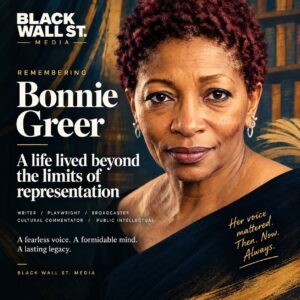 Bonnie Greer was never simply a writer, playwright or broadcaster. She was a cultural force who refused to be confined by the expectations placed on Black women in public life. From Chicago to Britain, from theatre and literature to television and institutional leadership, she built a life defined by intellect, independence and an unapologetic right to occupy space. As Britain remembers her following her death at 77, this article looks beyond the achievements and asks what her life represented: the power of cultural authority, the importance of institutional access, and the freedom to be fully human rather than simply inspirational.





Redefining Leadership Beyond Burnout
Read More
Black Men and Breast Cancer
Read More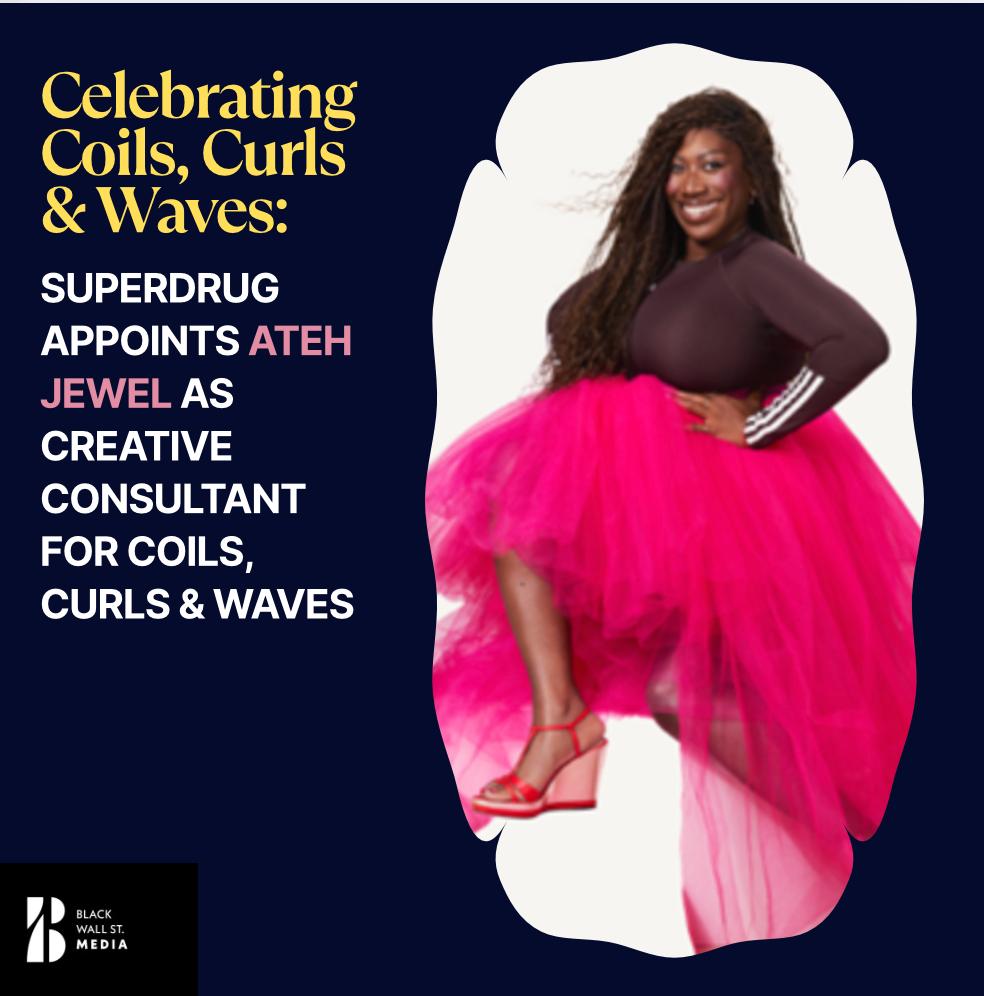
Celebrating Coils, Curls & Waves as Ateh Jewel Takes the Helm
Read More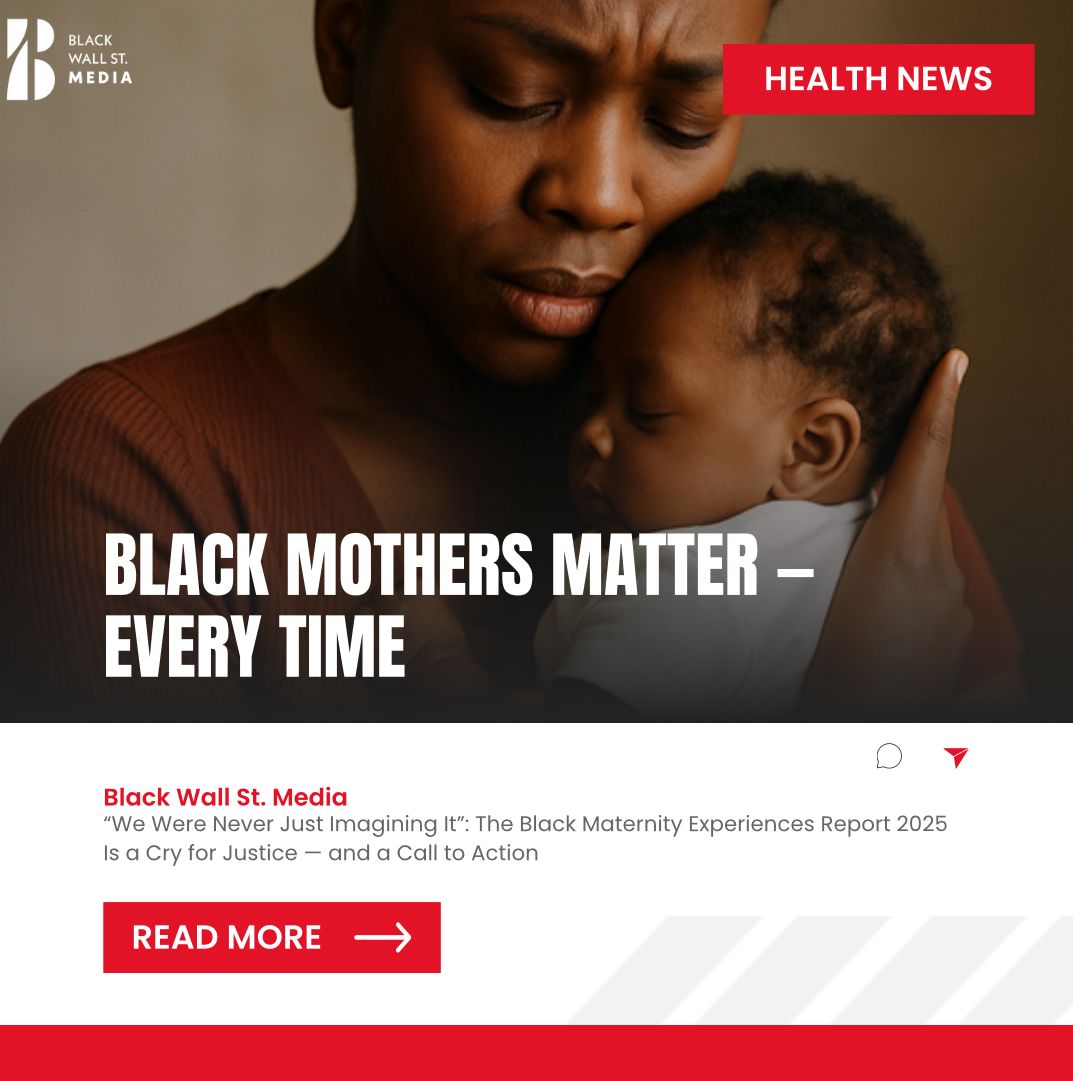
BLACK MOTHERS MATTER – EVERY TIME
Read More
Single or Not
Read More
All-Black Influencer Trip to Grenada
Read More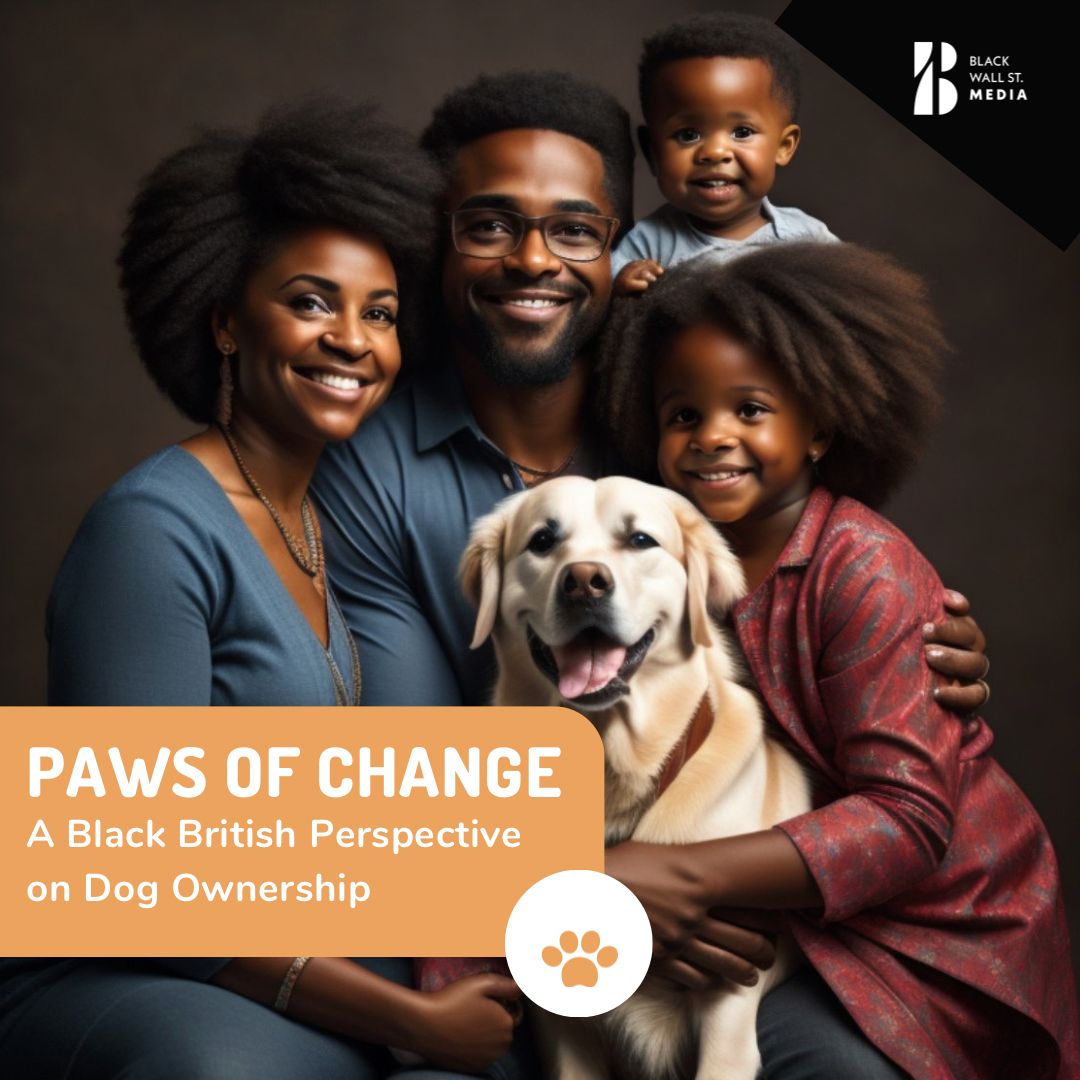
PAWS OF CHANGE
Read More
“Education expert shares advice for families navigating SEN journey”
Read More
DON’T BE EMBARRASSED | Black men and prostate cancer
Read More