
Health & Wellbeing
Unseen. Unspoken. Untreated.
“When we talk about breast cancer, most people picture women. But men — especially Black men — are also at risk. And too often, their stories go untold.
BWSMContributor
Black men face a higher risk of developing breast cancer yet are the least likely to know it. The silence around this issue isn’t just cultural — it’s costing lives.
In our latest feature, “Black Men and Breast Cancer: Breaking the Silence on a Hidden Battle,” we explore the racial disparities, the personal stories, and the urgent need for awareness in our communities.
It’s time to broaden the conversation — because breast cancer isn’t just a women’s issue. It’s a human one.”
We design A Perfect Fit for Black Women
We’re breaking barriers of one-size-fits-all culture of mainstream fashion to a more customised fit for you.
Contemporary African design
54kibo brings you exclusive luxury African decor for the home, office and other lifestyle spaces.
WHERE HERITAGE HITS HOME
The Cornrow is a homeware curation dedicated to celebrating a modern Black aesthetic.
 When most people hear the words breast cancer, they think of women. Pink ribbons, mammograms and women’s health campaigns have rightly saved countless lives.
Yet what is often missing from the conversation is that men can also develop breast cancer. Within that already small group, Black men face a higher risk but remain the least likely to know it.
This silence is costing lives.
A Rare but Real Disease
Each year in the United Kingdom, around 350 to 400 men are diagnosed with breast cancer. That represents less than one percent of all breast cancer cases, but behind every statistic is a man blindsided by a diagnosis he never expected. Many men do not realise that they have breast tissue, let alone that it can become cancerous.
According to Cancer Research UK, male breast cancer most often occurs in men between the ages of 60 and 70, although younger men can also be affected.
It usually presents as a painless lump beneath the nipple, sometimes accompanied by discharge, nipple inversion or puckering of the skin. In most cases, it is an invasive ductal carcinoma, similar to the type found in women.
What makes this more concerning for Black men is that the evidence suggests a higher risk and much lower awareness.
The Racial Disparity: What We Know
In the United States, research from the American Cancer Society shows that Black men are 52 percent more likely to develop breast cancer than white men. While ethnicity-based data in the United Kingdom is less comprehensive, the pattern is alarming and should not be ignored.
For many years, cancer data in Britain has failed to capture detailed information about race and ethnicity in the way American studies do. This lack of research does not mean that Black men in the United Kingdom are safer. It likely means that their experiences are being overlooked or underreported.
When a disease is rare and you belong to a community that is already marginalised, you risk being made invisible twice over.
The Stories Behind the Statistics
Graeme Brooks, a 62-year-old nurse from Liverpool, discovered a lump above his nipple and was later diagnosed with breast cancer. Following surgery, chemotherapy and hormone treatment, he began raising awareness, saying, “Breast cancer does not only affect women. I never imagined it could happen to me.”
David McCallion from Manchester had a similar experience. He was not only diagnosed with male breast cancer but was also dismissed from support groups because of his gender. “When I told the receptionist I had breast cancer,” he said, “she turned to my wife and apologised to her. She could not believe it was me.”
Although there are few public stories of Black men in the United Kingdom facing breast cancer, we know the cultural barriers they face. Many Black men already struggle with stigma in healthcare settings, lower trust in medical institutions and a reluctance to speak openly about personal health concerns, especially those seen as feminine.
That silence can be deadly.
What the Research Tells Us
A study by Coventry University explored the experience of a 55-year-old British man living with breast cancer.
He said, “I never dreamt it could happen to me.” That disbelief is common among men who are diagnosed.
In addition to low awareness, genetic factors play a role. Around one in ten men diagnosed with breast cancer carry a BRCA2 mutation, the same gene that significantly increases risk in women. Men with BRCA mutations should receive genetic counselling and regular check-ups, particularly if there is a family history of the disease.
Other known risk factors include:
• High oestrogen levels, often linked to obesity or liver disease
• Klinefelter’s syndrome, a genetic condition
• Radiation exposure
• Heavy alcohol use
• Hormonal imbalance
For Black men, these risks are magnified by social and structural inequalities such as limited outreach, lower participation in screening programmes and underrepresentation in clinical research.
Symptoms Men Should Never Ignore
Regardless of race, the symptoms of breast cancer in men are similar to those in women. Seek medical advice immediately if you notice:
• A lump or swelling in the chest area
• Nipple discharge, sometimes with blood
• Nipple inversion or changes to its appearance
• Skin dimpling, puckering or redness
• Lumps or swelling in the armpit
Because breast cancer is so closely associated with women, many men delay seeking help. By the time they do, the disease may already have advanced. Early diagnosis is essential. Awareness can mean the difference between life and death.
Why This Matters for Black Men
For the Black community, breast cancer among men sits at the intersection of race, gender and health inequality.
The higher risk among Black men may be linked to genetics, environment or biological factors, but the lack of awareness is a crucial part of the problem.
The parallels with prostate cancer are clear. Black men in England are twice as likely to be diagnosed late with prostate cancer, often due to a lack of information, limited access to healthcare and mistrust of medical systems. The same structural issues apply here.
Breast cancer should not be seen as a women’s issue. It is a human issue, one that affects brothers, fathers, sons and friends.
Building Awareness in Our Communities
To change outcomes, awareness campaigns must include men and must specifically reach Black men.
Community organisations, faith groups and barbershops have long been trusted spaces for open conversation. These spaces can help challenge stigma and normalise dialogue about health.
Imagine a poster in a barbershop or cultural centre that reads:
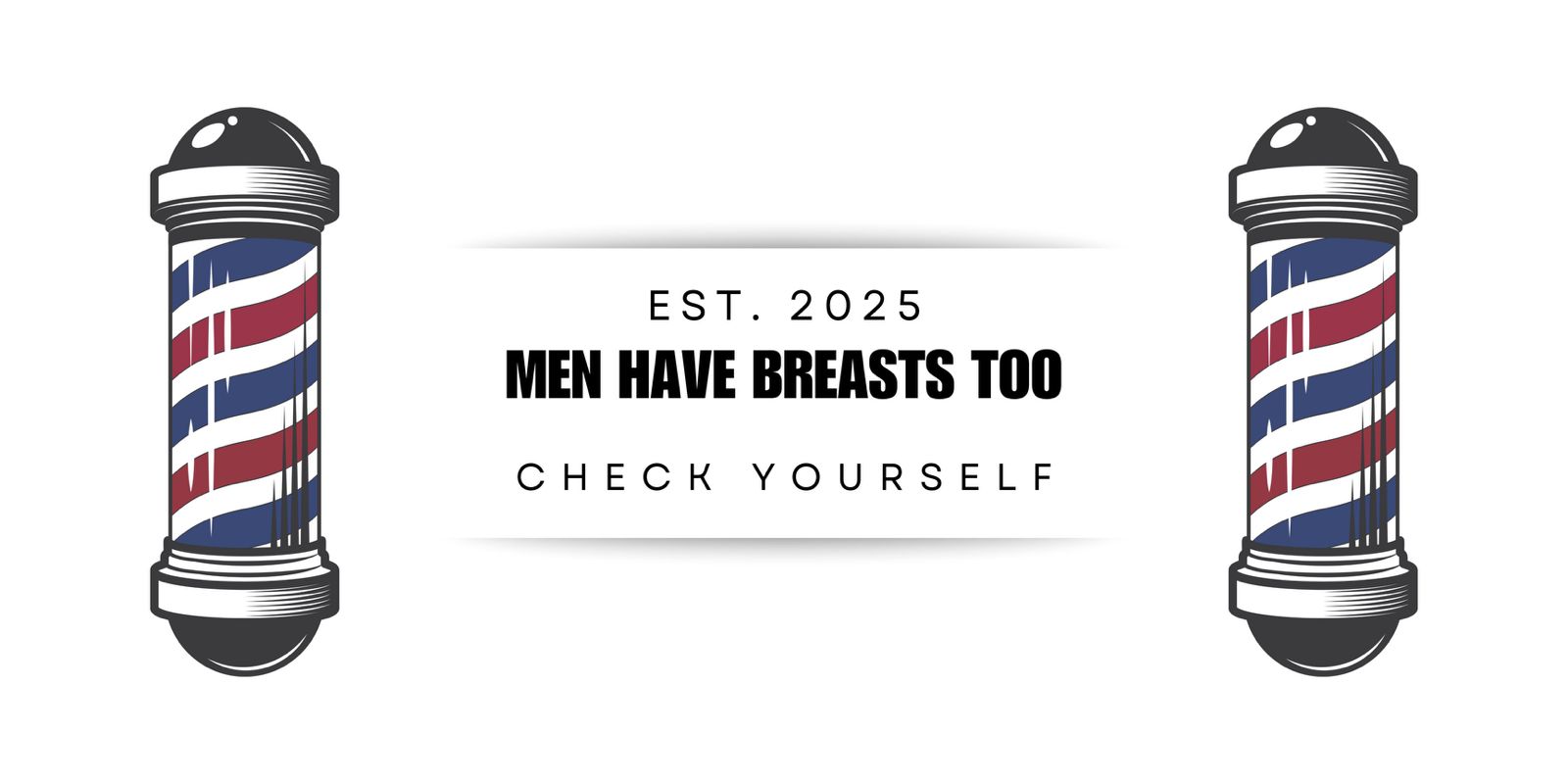
“Men Have Breasts Too. Check Yourself.”
This is not about fear. It is about empowerment. The earlier a man recognises the signs, the greater his chance of survival.
A Call to Action
Check yourself. Once a month, feel for lumps or changes around your chest area.
Know your family history. If breast cancer runs in your family, even among women, speak to your GP.
Challenge the stigma. Talk about male breast cancer in your circle. Awareness saves lives.
Demand equity in data. Push for research that includes ethnicity breakdowns for men.
Join the conversation. Whether online or at community events, share your story and listen to others.
What Comes Next
The lack of data about Black men and breast cancer in the United Kingdom is a form of inequality in itself. It reveals who is visible and who is not.
Through storytelling, advocacy and education, we can change that.
Breast cancer is not defined by gender or race. The sooner we speak that truth, the more lives we will save.
Black Wall St. Media remains committed to amplifying the stories that matter. We stand with those who are unseen, unspoken and unheard, because awareness saves lives and knowledge is power.
- Alzheimer’s the Black doctor who helped decode the disease
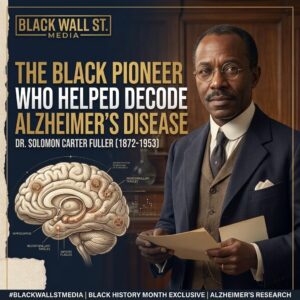 🧠✨ Celebrating an Unsung Hero! Dive into the captivating journey of Dr. Solomon Fuller, a pioneer in Alzheimer's research and a standout figure in Black history. From his roots in Liberia to groundbreaking discoveries, discover the legacy of a medical trailblazer who defied adversity. 🌟
 - The Voice of the Child, Young Person and; Service User
 Whose voices are we really hearing? And what happens when we truly listen? The 3rd DARDR/DVA & Criminal Justice Summit 2026 will bring together professionals, practitioners, community organisations, academics and people with lived experience to place children, young people and service users at the heart of the conversation. Under the theme “The Voice of the Child, Young Person & Service User,” this year’s Summit will explore domestic abuse, violence, safeguarding, exploitation, trauma and criminal justice — but most importantly, how listening can move beyond consultation and become meaningful action. 📅 Friday 27 November 2026 📍 Brent Civic Centre, Wembley 💻 Hybrid Event | CPD Accredited Read more about the Summit, the conversations it will explore and how to book your place.
 - The Crown in the Ledger: What Finding Britain’s Slave Traders Asked Us to Face
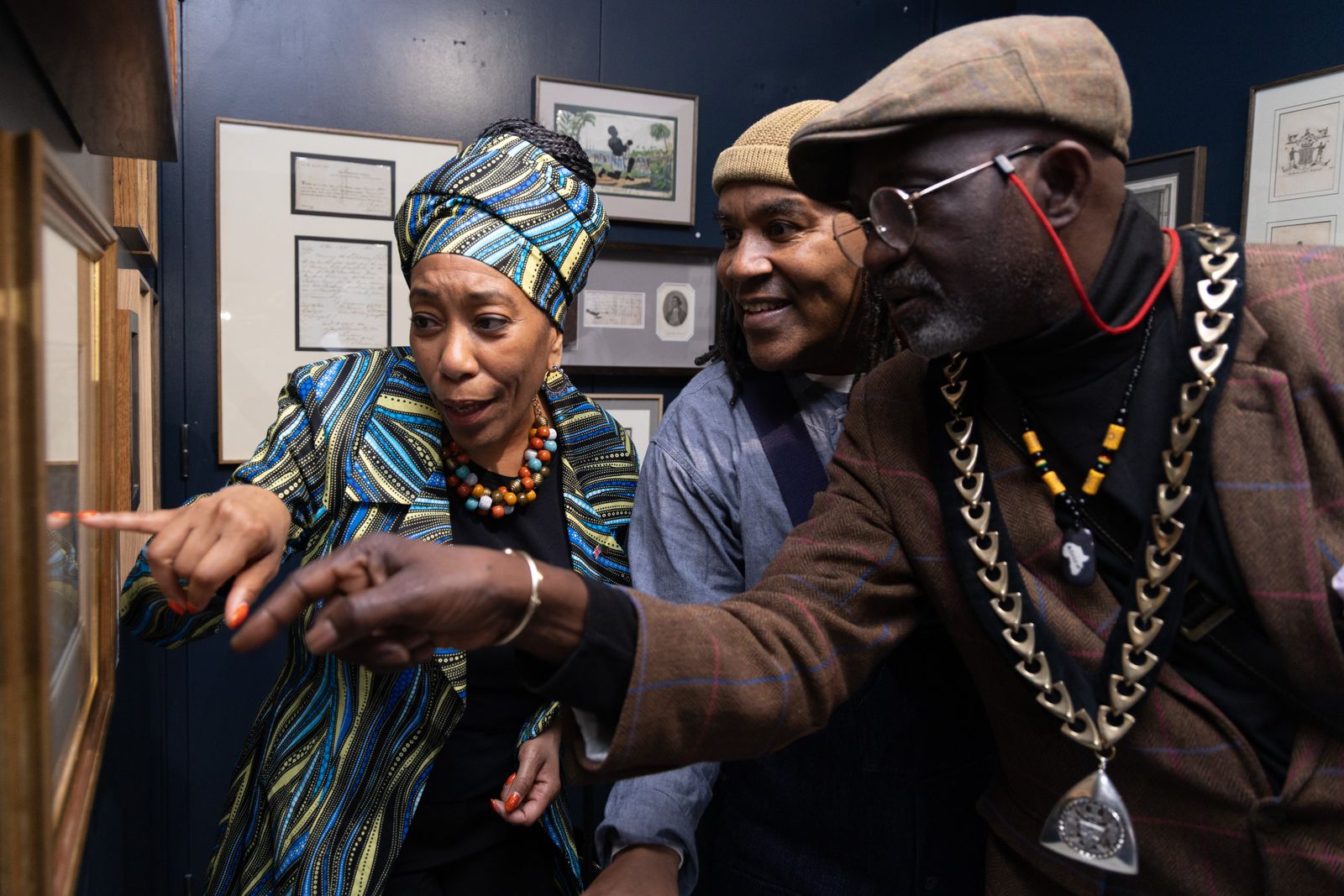
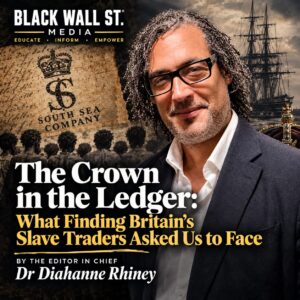 What happens when Britain’s history is no longer told through monuments, wealth and institutions, but through the ledger behind them? Finding Britain’s Slave Traders with David Olusoga brings names, companies, royal connections and fortunes into focus, forcing us to confront how deeply the transatlantic slave trade was embedded in British society. In “The Crown in the Ledger,” we explore what these records reveal about wealth, power, responsibility and the legacy that remains today. Read the full article and ask yourself: who owns what, who benefited, and what does honest accounting look like?
 - Is ‘Othello’ relevant today?
 Othello: A Timeless Exploration of Jealousy, Racism, and Ambition
 - A life lived beyond the limits of representation
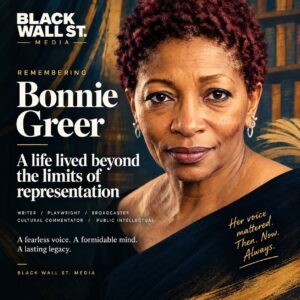 Bonnie Greer was never simply a writer, playwright or broadcaster. She was a cultural force who refused to be confined by the expectations placed on Black women in public life. From Chicago to Britain, from theatre and literature to television and institutional leadership, she built a life defined by intellect, independence and an unapologetic right to occupy space. As Britain remembers her following her death at 77, this article looks beyond the achievements and asks what her life represented: the power of cultural authority, the importance of institutional access, and the freedom to be fully human rather than simply inspirational.




Redefining Leadership Beyond Burnout
Read More
Black Men and Breast Cancer
Read More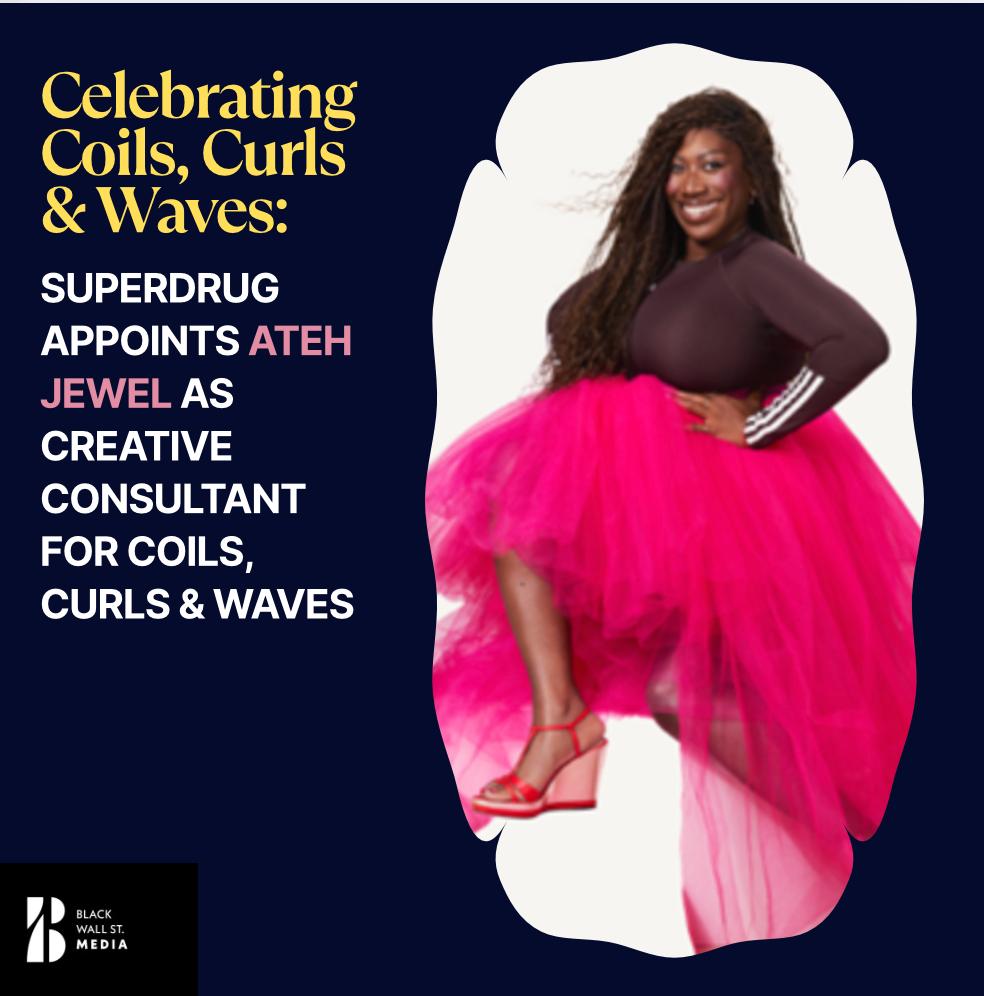
Celebrating Coils, Curls & Waves as Ateh Jewel Takes the Helm
Read More
BLACK MOTHERS MATTER – EVERY TIME
Read More
Single or Not
Read More
All-Black Influencer Trip to Grenada
Read More
PAWS OF CHANGE
Read More
“Education expert shares advice for families navigating SEN journey”
Read More
DON’T BE EMBARRASSED | Black men and prostate cancer
Read More