History
Black History Month
“How did a boy from Kingston, Jamaica, become one of Britain’s most influential thinkers on race, culture and identity?
This Black History Month, discover the story of Stuart Hall, the man who challenged Britain to question its history, its identity and who gets to define what it means to be British.
Read his remarkable story and discover why his legacy still matters today.”
BWSMContributor
Dudley Thompson: The Pan-Africanist Lawyer Who Challenged British Colonial Power
Black Wall St. Media
There is a particular kind of courage required to stand beside someone whom a powerful government has decided must be defeated. It is the courage to recognise injustice when it is presented as law, to defend a man when the machinery of the state is working against him, and to understand that the struggle for one person’s freedom can become part of a much larger fight for the liberation of a people.
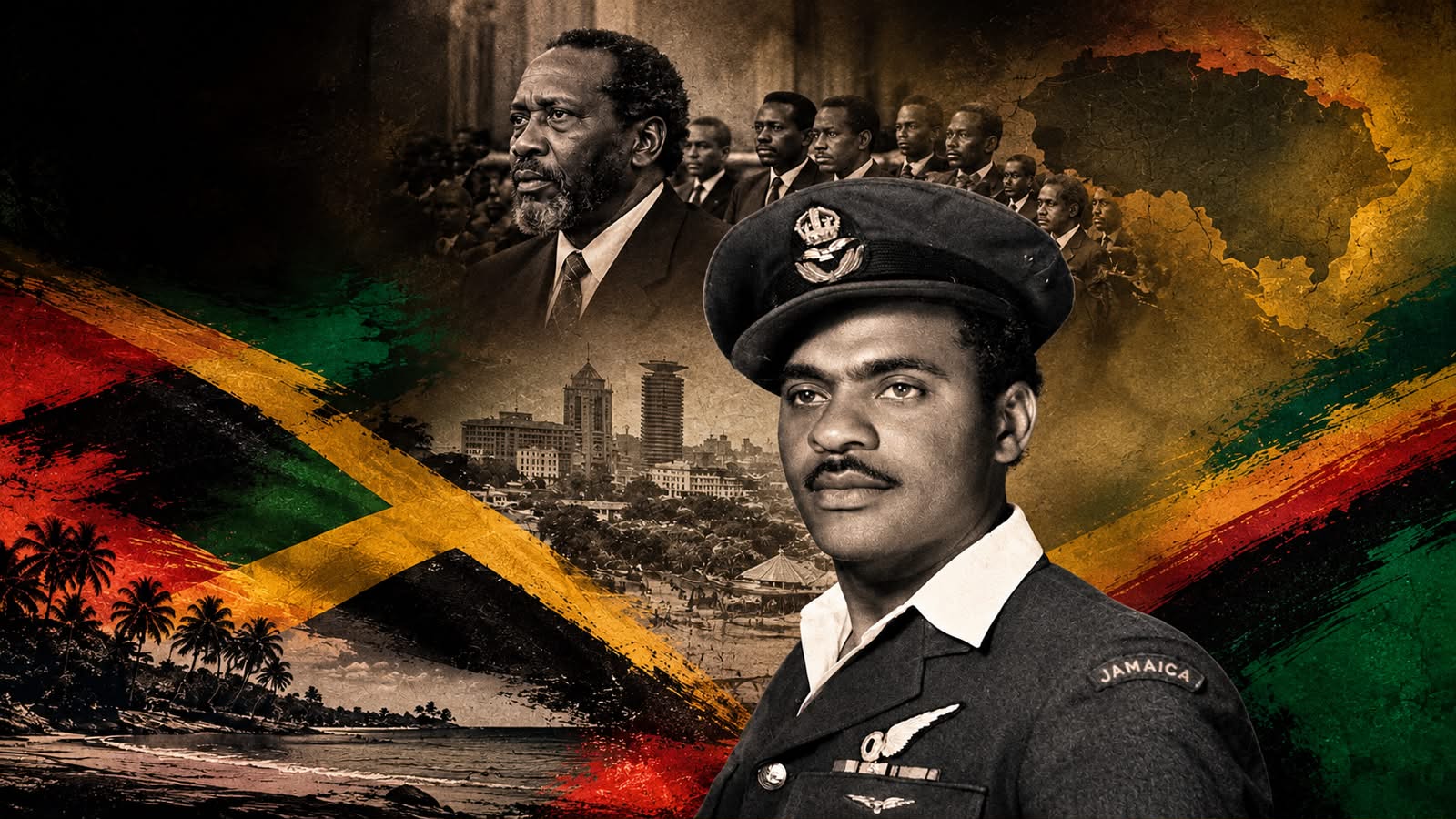
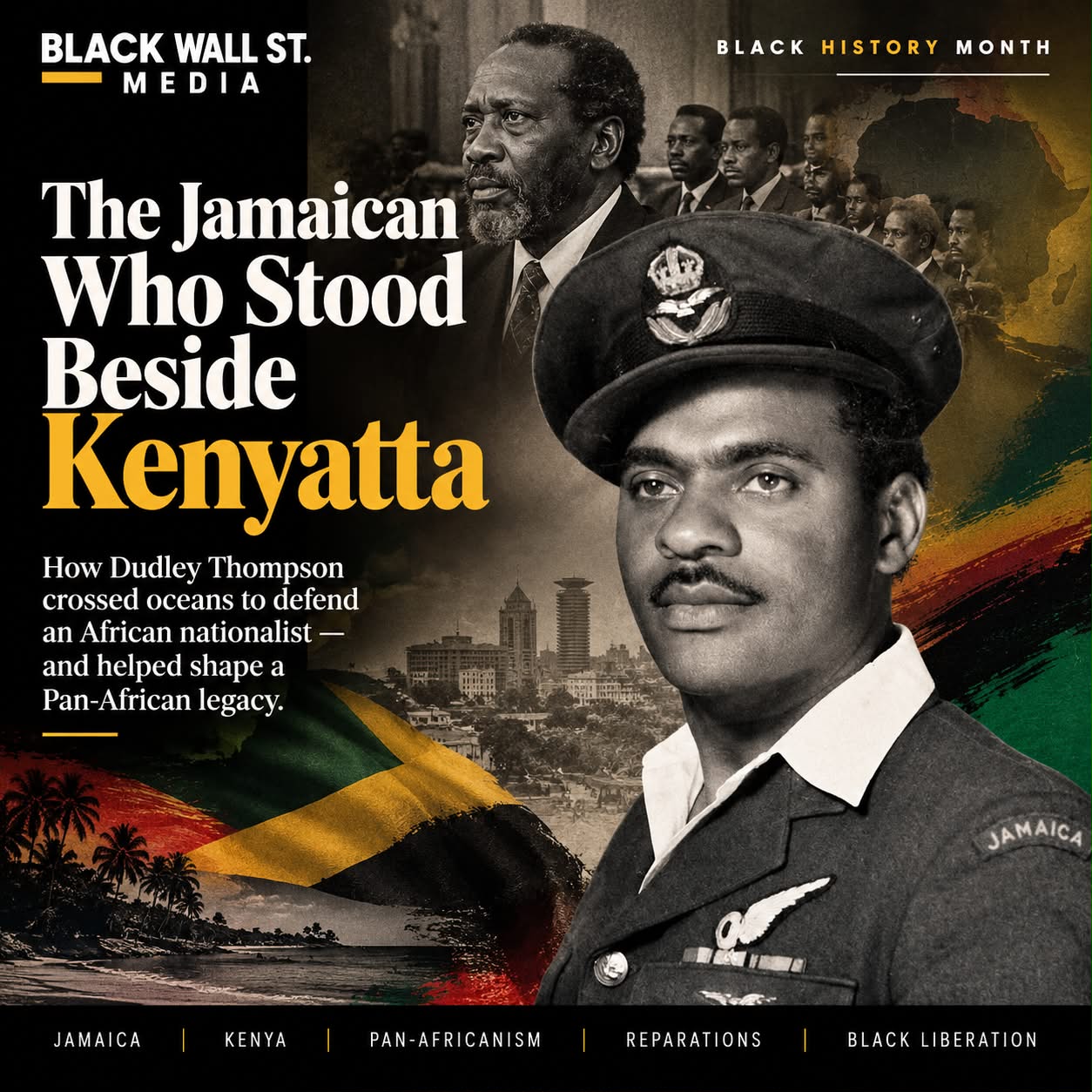
In the early 1950s, a Jamaican-born lawyer named Dudley Joseph Thompson found himself at the centre of one of the defining legal and political confrontations of Britain’s colonial history in Africa. He helped assemble the international legal team that defended Jomo Kenyatta, the Kenyan nationalist leader accused by the British colonial authorities of involvement in the Mau Mau uprising.
Kenyatta would later become Kenya’s first prime minister and president. But when Thompson became involved in his defence, Kenyatta was a detained nationalist leader facing a colonial government determined to suppress a movement demanding African self-government.
Thompson was not Kenyan. He was a Caribbean man whose own experiences of colonialism had helped shape his understanding of freedom, justice and African identity.
Yet he recognised that the struggle unfolding in Kenya was connected to something far greater than the fate of one political leader.
His story is one of the Caribbean’s important contributions to the African independence movement: a reminder that the fight against colonial rule was never confined by national borders.
From the Caribbean to the front lines of history
Dudley Joseph Thompson was born in Panama in 1917 to Jamaican parents. Although his birthplace was outside Jamaica, it was Jamaica that became his adopted homeland and the country with which his public life became most closely associated.
He grew up in Jamaica and attended Mico Teacher Training College, where he trained as a teacher. His early education laid the foundations for a life that would combine intellectual achievement with public service, political activism and an enduring commitment to African liberation.
Thompson’s journey was far from conventional. During the Second World War, he served in the Royal Air Force, becoming one of the early Black RAF pilots. He served as a flight lieutenant and undertook duties that included work with Bomber Command’s Pathfinder squadrons.
For a Black man from the Caribbean, serving in the British armed forces during a global war against fascism was itself part of a wider historical contradiction. Men and women from Britain’s colonies were asked to defend freedom abroad while many of their own communities continued to live under colonial rule.
Thompson’s wartime experience was followed by another significant opportunity. He won a Rhodes Scholarship to study at Oxford University, where he pursued legal studies and became increasingly involved in Pan-African political thought.
It was during this period that his understanding of the relationship between Africa and the Caribbean developed further.
The Caribbean was not simply a collection of islands separated from Africa by the Atlantic Ocean. For Thompson and other Pan-Africanists, it was part of a wider historical community connected by ancestry, colonialism, resistance and a shared determination to challenge racial subordination.
He moved among influential thinkers and activists, including George Padmore, C. L. R. James and Kwame Nkrumah. These relationships helped situate him within a generation of intellectuals and political organisers who believed that the future of people of African descent was inseparable from the liberation of Africa.
In 1945, Thompson attended the Fifth Pan-African Congress in Manchester, a landmark gathering that brought together activists and thinkers from Africa, the Caribbean, Britain and the wider diaspora. Among those associated with the congress were Nkrumah, Padmore, W. E. B. Du Bois and Jomo Kenyatta.
The congress strengthened the demand for African self-government and helped connect different strands of the international anti-colonial movement.
For Thompson, Pan-Africanism was not merely an intellectual position. It was a commitment that would shape the decisions he made throughout his life.
Kenya under British colonial rule
To understand why Thompson’s involvement in Kenyatta’s defence mattered, it is necessary to understand the political circumstances in Kenya during the early 1950s.
British colonial rule had produced profound inequalities in land ownership, political representation and economic opportunity. Land alienation and restrictions on African political participation contributed to growing resentment, particularly among the Kikuyu, Kenya’s largest ethnic community.
The Mau Mau uprising emerged from this wider context of colonial dispossession and resistance. It was a complex and violent struggle involving insurgents, colonial security forces and African civilians caught within the conflict. The violence included killings by Mau Mau fighters and extensive repression by British colonial authorities.
In October 1952, the British colonial government declared a state of emergency. Kenyatta and other nationalist leaders were arrested as the authorities moved against those they believed were connected to the rebellion.
Kenyatta had become a prominent advocate of African political rights and was associated with the Kenya African Union. The colonial authorities accused him of directing or encouraging the Mau Mau movement, allegations he denied.
His arrest was followed by a trial at Kapenguria, a remote location in north-western Kenya. The proceedings became a major confrontation between the colonial administration and the African nationalist movement.
The case was not simply about the guilt or innocence of an individual. It took place at a time when the legitimacy of British colonial rule was being challenged across Africa.
For many nationalists, the prosecution of Kenyatta represented an attempt to weaken the political movement demanding an end to colonial domination.
It was in these circumstances that Dudley Thompson became involved.
The Jamaican lawyer who stood beside Kenyatta
After qualifying as a barrister at Gray’s Inn in London in 1950, Thompson practised law in East Africa, including Tanganyika and Kenya. His legal career brought him into contact with emerging nationalist movements and leaders seeking political independence.
When Kenyatta was arrested in 1952, Thompson helped assemble the international legal team that represented him at the Kapenguria trial. The defence included other prominent lawyers, among them British barrister Denis Nowell Pritt, who led the team, alongside African and Indian legal figures.
Thompson’s participation was significant. He was a Jamaican-born lawyer working within a colonial legal system to defend a man whose political aspirations threatened the established order.
The case demanded legal skill, but it also required an understanding of the political environment in which the proceedings were taking place.
Colonial authorities presented the trial as a matter of criminal responsibility. The nationalist movement saw Kenyatta as a leader whose imprisonment could weaken the demand for self-government.
Thompson’s involvement placed him at the intersection of these competing narratives.
It would be misleading to suggest that he alone defended Kenyatta or that the defence secured an immediate acquittal. Kenyatta was convicted in 1953 and remained detained until 1961. Thompson’s contribution was part of a wider legal effort that brought international attention to the case and became an enduring part of his Pan-African legacy.
Yet the significance of his role cannot be measured only by the outcome in court.
He had chosen to stand alongside a man facing the power of a colonial state, at a moment when the consequences of that decision extended beyond the courtroom.
Thompson understood that the struggle for justice in Africa was connected to the historical experiences of people of African descent throughout the world.
His own background made that connection deeply personal.
“This man saved my life”
One of the most memorable stories associated with Thompson concerns an encounter with Kenyatta after Kenya’s independence.
According to accounts of Thompson’s life, Kenyatta later placed his hand on Thompson, who was sitting beside him, and declared: “This man saved my life.”
The remark has become an enduring expression of the relationship between the two men and the importance Kenyatta attached to Thompson’s support.
It is a powerful moment because it captures something that formal accounts of legal proceedings can struggle to convey: the personal significance of standing beside someone during a period of profound danger and uncertainty.
However, the story should not be mistaken for evidence that Thompson single-handedly secured Kenyatta’s release. Kenyatta’s eventual emergence as an independent African leader followed years of detention, political struggle, changing circumstances and sustained pressure for constitutional change.
Thompson’s contribution formed part of that broader history.
The reported words nevertheless offer a glimpse into the respect Kenyatta held for a Jamaican lawyer who had become involved in his defence during one of the most difficult periods of his life.
For Thompson, the relationship also reflected a larger conviction: that the future of Africa mattered to the Caribbean, and that solidarity between people of African descent had practical consequences.
More than a lawyer: A Pan-Africanist in action
It would be easy to remember Thompson solely through his association with Kenyatta. Yet doing so would reduce a remarkable life to a single episode.
His work in East Africa extended beyond the courtroom. He developed relationships with nationalist leaders and became involved in the wider political organising that accompanied the movement towards independence.
He was also associated with the founding of the Tanganyika African National Union, the political movement led by Julius Nyerere that helped guide Tanganyika towards independence in 1961.
These connections demonstrate the breadth of Thompson’s commitment to African self-determination.
He was not simply a Caribbean visitor who happened to defend a prominent African leader. He was part of an international network of lawyers, intellectuals and political activists who believed that colonial rule had to give way to the right of peoples to govern themselves.
The relationships he developed with Kenyatta, Nyerere and Nkrumah reflected the international nature of that struggle.
The future of one country could influence the prospects of another. The success of one independence movement could inspire political change elsewhere. And the experiences of Caribbean people could contribute to the debates taking place across the African continent.
Thompson’s life illustrated how those connections operated in practice.
His Pan-Africanism was not confined to speeches about shared ancestry. It was expressed through legal representation, political relationships, public service and sustained efforts to strengthen ties between Africa and the Caribbean.
Returning to Jamaica: A life of public service
Thompson eventually returned to Jamaica, where he built a distinguished legal and political career.
He became president of the Jamaica Bar Association and was appointed Queen’s Counsel in 1963. He also helped establish the Office of the Ombudsman, contributing to the development of Jamaica’s public institutions.
His work extended into national politics. He became a senior figure in the People’s National Party and served in government under Prime Minister Michael Manley during the 1970s.
His responsibilities included foreign affairs, mining and energy, and national security. He also served Jamaica diplomatically, representing the country in African states and helping maintain the relationships he had developed through his Pan-African work.
Thompson’s international outlook was particularly evident in his commitment to the rights of developing countries and his advocacy for greater recognition of the historical and economic injustices associated with colonialism.
He argued that the relationship between Africa and the Caribbean should not be understood only through the history of slavery and colonial exploitation. It should also be shaped by cooperation, political independence, cultural exchange and shared economic ambitions.
His commitment to reparations reflected this wider understanding of historical responsibility. He believed that the legacy of slavery and colonialism required serious international attention rather than being treated as a closed chapter.
In this respect, Thompson’s public life connected the immediate demands of national development with the longer struggle for dignity and equality among people of African descent.
Why his story matters to the African diaspora
Dudley Thompson’s life challenges the tendency to tell the history of African independence as though it unfolded entirely within the borders of the African continent.
The struggle against colonialism was international. It involved Africans fighting for freedom at home, Caribbean intellectuals challenging imperial ideology, activists organising in Britain, and political networks that crossed oceans and national boundaries.
The Caribbean played an important role in these exchanges.
People of Caribbean heritage contributed to Pan-African thought, anti-colonial organising, education, law and diplomacy. Their experiences of slavery, colonialism and racial inequality informed their understanding of the political struggles taking place in Africa.
Thompson embodied this relationship.
Born in Panama to Jamaican parents, educated in Jamaica and Britain, and active in East Africa, he moved through different societies without treating their struggles as separate causes.
His work helped demonstrate that the Caribbean’s relationship with Africa was not merely symbolic. It could involve direct participation in the legal and political battles through which independence movements sought to challenge colonial rule.
For Black communities in Britain and elsewhere, his story also offers a reminder that the African diaspora has produced individuals whose influence extends well beyond the places in which they were born or raised.
The history of Black achievement cannot be understood only through national categories. It must also recognise the networks of solidarity that have connected communities across generations and continents.
Thompson’s legacy belongs to Jamaica, to Kenya, to the wider African continent and to the global African diaspora.
Remembering the man behind the history
Dudley Thompson died in January 2012, aged 95. His life had taken him from Jamaica to the Royal Air Force, from Oxford to East Africa, and from the courtroom to the highest levels of Jamaican public service.
He had lived through the Second World War, the decline of European colonial empires, the emergence of independent African states and Jamaica’s own journey into independence.
Across those changing circumstances, his commitment to Pan-Africanism remained a defining feature of his public life.
His story deserves to be remembered not simply because he stood beside Jomo Kenyatta, but because he understood why that act of solidarity mattered.
He recognised that the demand for freedom in Kenya was connected to the wider struggle for dignity, self-determination and equality among people of African descent.
He used his education, legal expertise and international relationships in pursuit of those principles.
And he demonstrated that the Caribbean’s contribution to African liberation was not limited to ideas or expressions of cultural kinship. It included people who crossed oceans to participate directly in the struggles of their African brothers and sisters.
The Jamaican who stood beside Kenyatta
History often remembers the leaders who become presidents, the revolutionaries whose names enter schoolbooks and the political figures whose decisions reshape nations.
But behind these figures are others whose contributions deserve equal attention: the lawyers who defend them, the intellectuals who challenge colonial thinking, and the international allies who recognise that a struggle for justice cannot always be confined to one country.
Dudley Thompson was one of those people.
He was a Jamaican-born lawyer who stood alongside Jomo Kenyatta when British colonial authorities sought to prosecute him. He was a Pan-Africanist who believed that Africa’s future mattered to the Caribbean. He was a public servant who carried those convictions into Jamaica’s legal, political and diplomatic life.
His story reminds us that solidarity is most meaningful when it becomes action.
It is easy to speak of unity across the African diaspora. It is more demanding to put one’s skills, reputation and opportunities behind that belief when the circumstances are difficult.
Thompson did so through his legal work, his political relationships and his lifelong commitment to African and Caribbean cooperation.
His legacy asks us to look beyond familiar names and reconsider the wider cast of people who helped shape the struggle for independence.
A Jamaican-born lawyer helped defend the man who would become Kenya’s first president. In doing so, he became part of a history that connected the Caribbean to one of Africa’s defining struggles against colonial rule.
Dudley Thompson’s story is Jamaican history. It is Kenyan history. It is Pan-African history. And it is part of the wider story of a people who continued to struggle for freedom across borders, oceans and generations.
This Black History Month, we remember the Jamaican who stood beside Kenyatta—and the principles that brought him there.
- The Jamaican Who Stood Beside Kenyatta
 How did a boy from Kingston, Jamaica, become one of Britain’s most influential thinkers on race, culture and identity? This Black History Month, discover the story of Stuart Hall, the man who challenged Britain to question its history, its identity and who gets to define what it means to be British. Read his remarkable story and discover why his legacy still matters today.
 - Professor Folarin Shyllon — Reclaiming Africa’s History
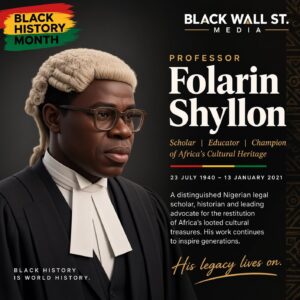 Black History Month: Professor Folarin Shyllon — Reclaiming Africa’s History From uncovering the forgotten history of Black people in Britain to championing the return of Africa’s looted cultural treasures, Professor Folarin Shyllon dedicated his life to truth, justice and reclaiming heritage. Discover the remarkable legacy of a pioneering Nigerian legal scholar who challenged historical erasure and championed Africa’s right to its own history. Because reclaiming our history is reclaiming our power. Read the full article with Black Wall St. Media. Black history is world history.
 - ALLISTER VICTOR BAIN: THE MAN, THE ARTIST AND THE HISTORY WE MUST NOT FORGET
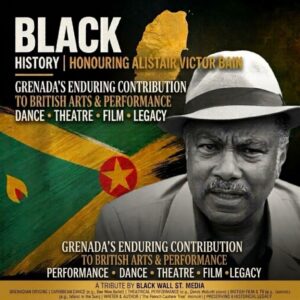 This Black History Month, Black Wall St. Media pays tribute to Allister Victor Bain, the Grenadian-born artist, storyteller and cultural pioneer whose creativity helped shape Caribbean and Black British cultural life. Through the heartfelt memories of his friends, colleagues and family, we celebrate not only his remarkable contribution to the arts, but the man behind the legacy. His story is a powerful reminder that our pioneers deserve more than to be remembered after they are gone, their lives, work and history must be preserved for generations to come. Read the tribute. Discover his legacy. Help keep his story alive.
 - When Your Achievements Are Treated as a Question
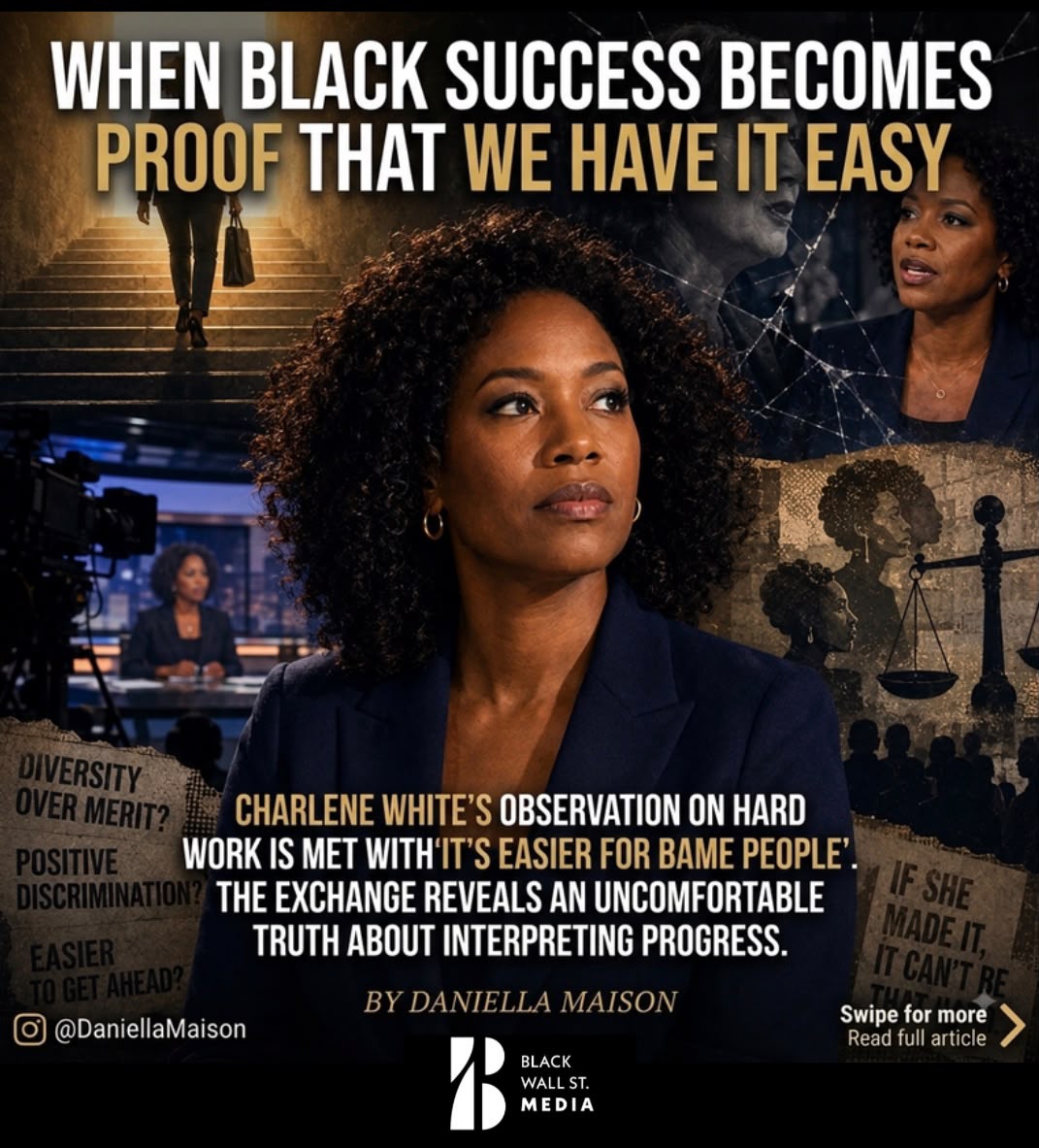
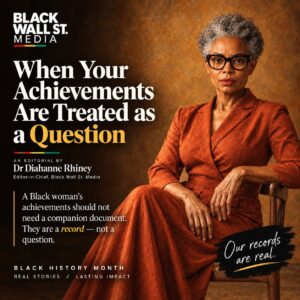 When a Black Woman Has to Prove Her Worth What happens when decades of achievement are met with doubt, and a Black woman finds herself having to justify not just her work, but her right to be in the room? This powerful and deeply personal reflection explores race, credibility, the emotional cost of constant scrutiny, and why being told to “let it go” is not always enough. This Black History Month, it is time to look beyond celebration and confront the realities Black women continue to face in the workplace.
 - The Jamaican Sculptor Who Carved His Way Into History
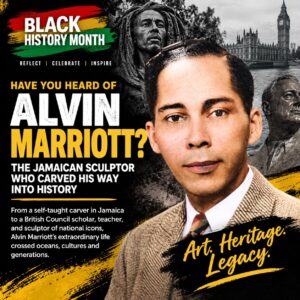 Have you heard of Alvin Marriott? A Jamaican sculptor whose extraordinary talent took him from carving limestone in Jamaica to helping restore the Houses of Parliament in Britain, teaching a new generation of artists and creating a monument to Bob Marley in his eighties. This Black History Month, discover the remarkable story of a man whose hands helped shape history, yet whose name remains unfamiliar to so many. It is time to look again, remember his contribution and give Alvin Marriott the recognition he deserves.





ALLISTER VICTOR BAIN: THE MAN, THE ARTIST AND THE HISTORY WE MUST NOT FORGET
Read More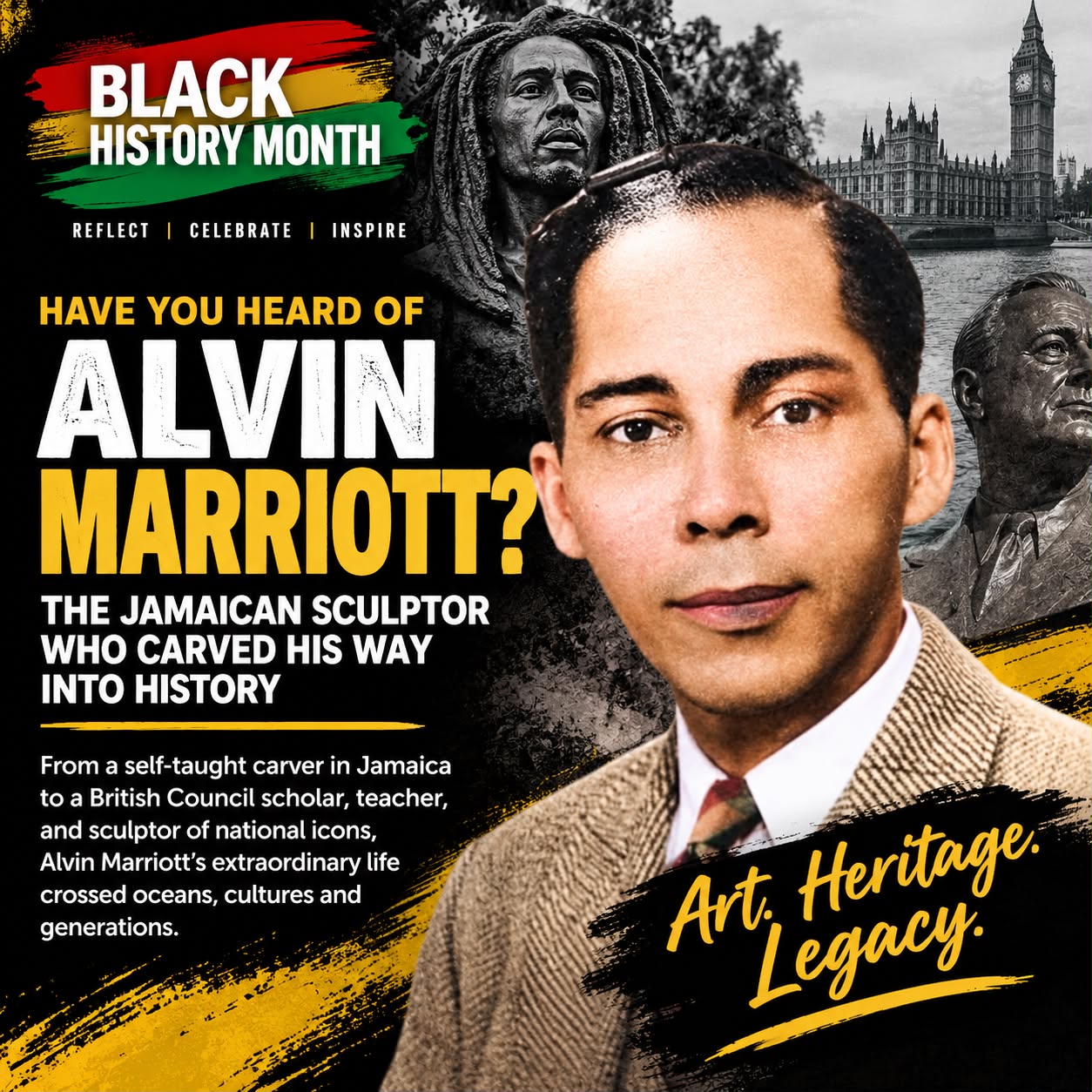
The Jamaican Sculptor Who Carved His Way Into History
Read More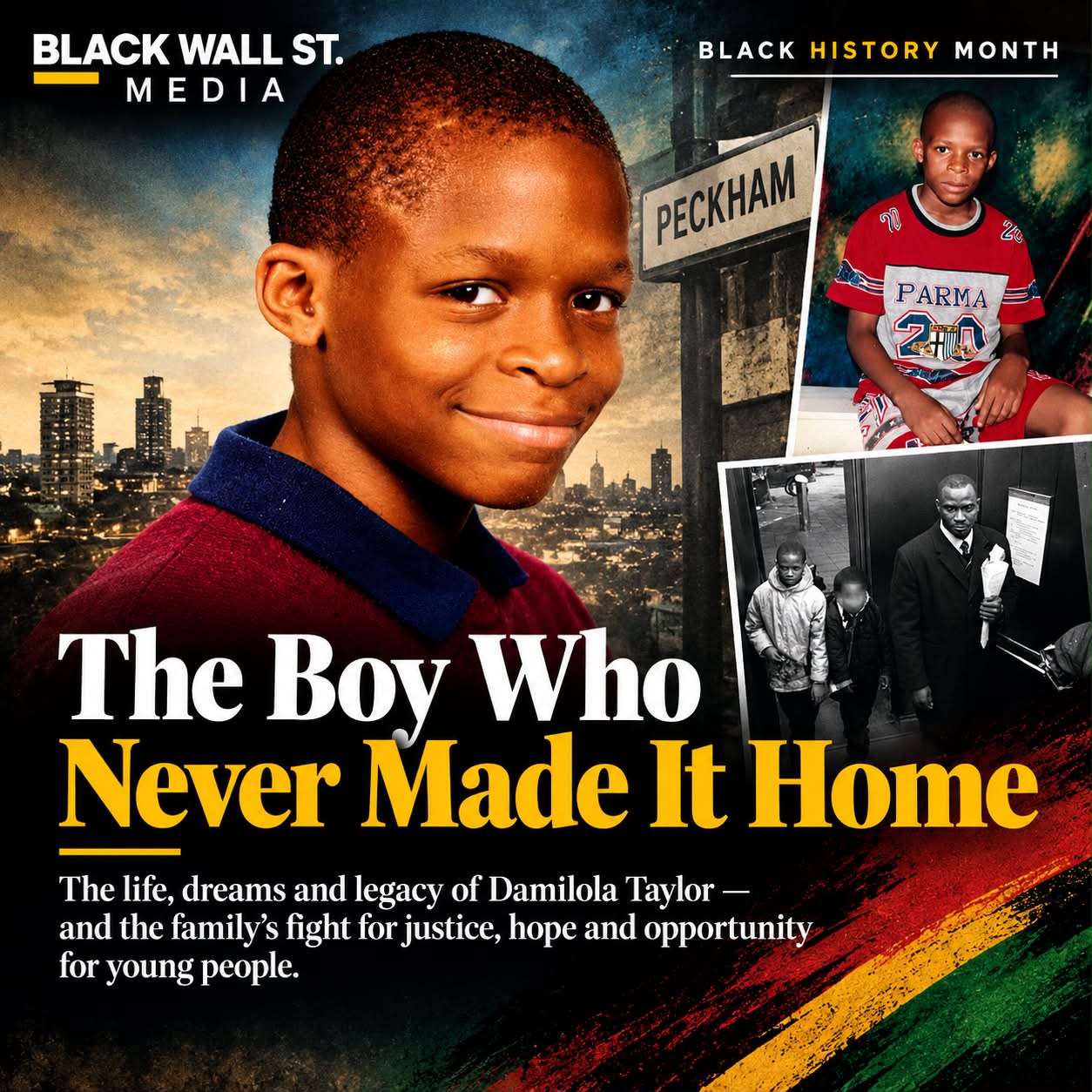
Damilola Taylor: The Boy Who Never Made It Home
Read More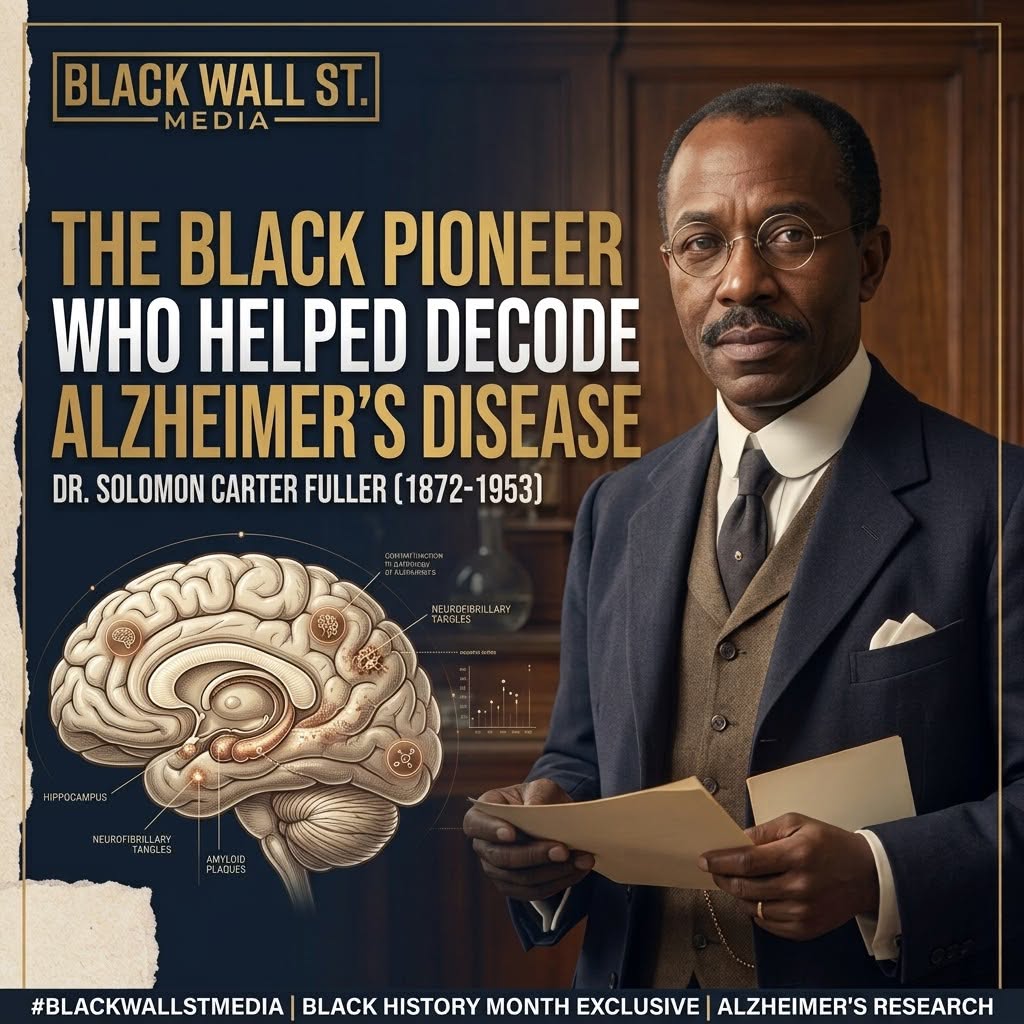
Alzheimer’s the Black doctor who helped decode the disease
Read More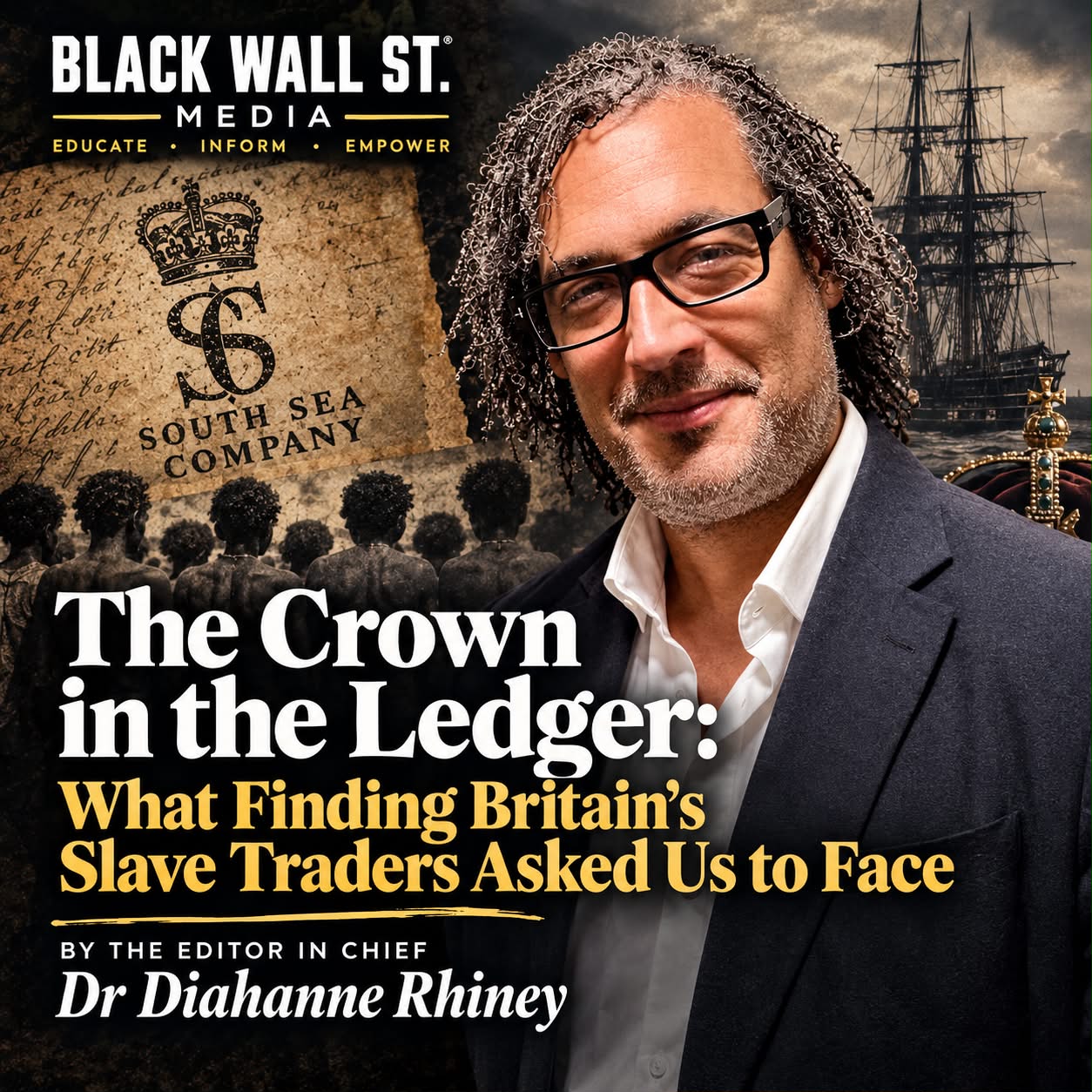
The Crown in the Ledger: What Finding Britain’s Slave Traders Asked Us to Face
Read More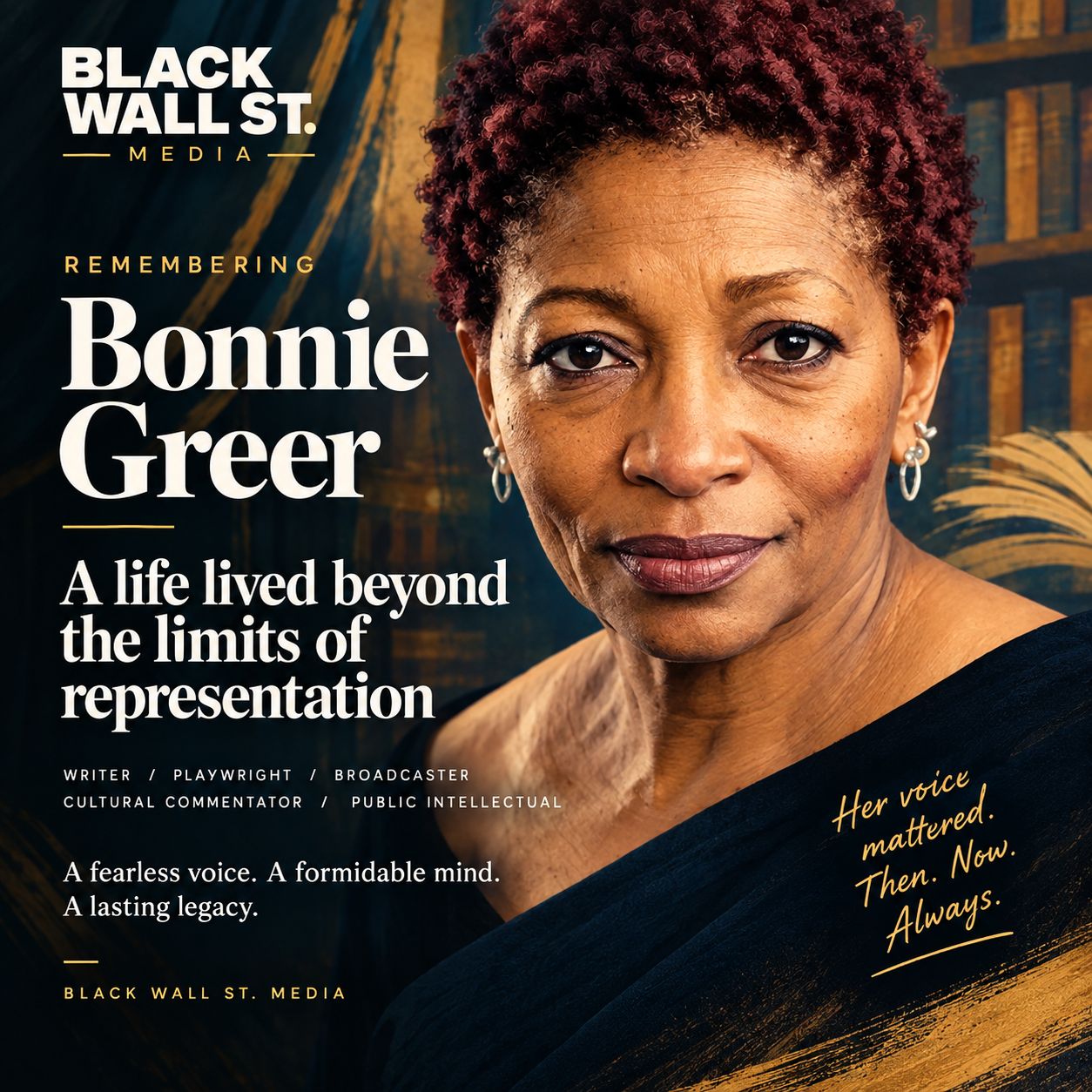
A life lived beyond the limits of representation
Read More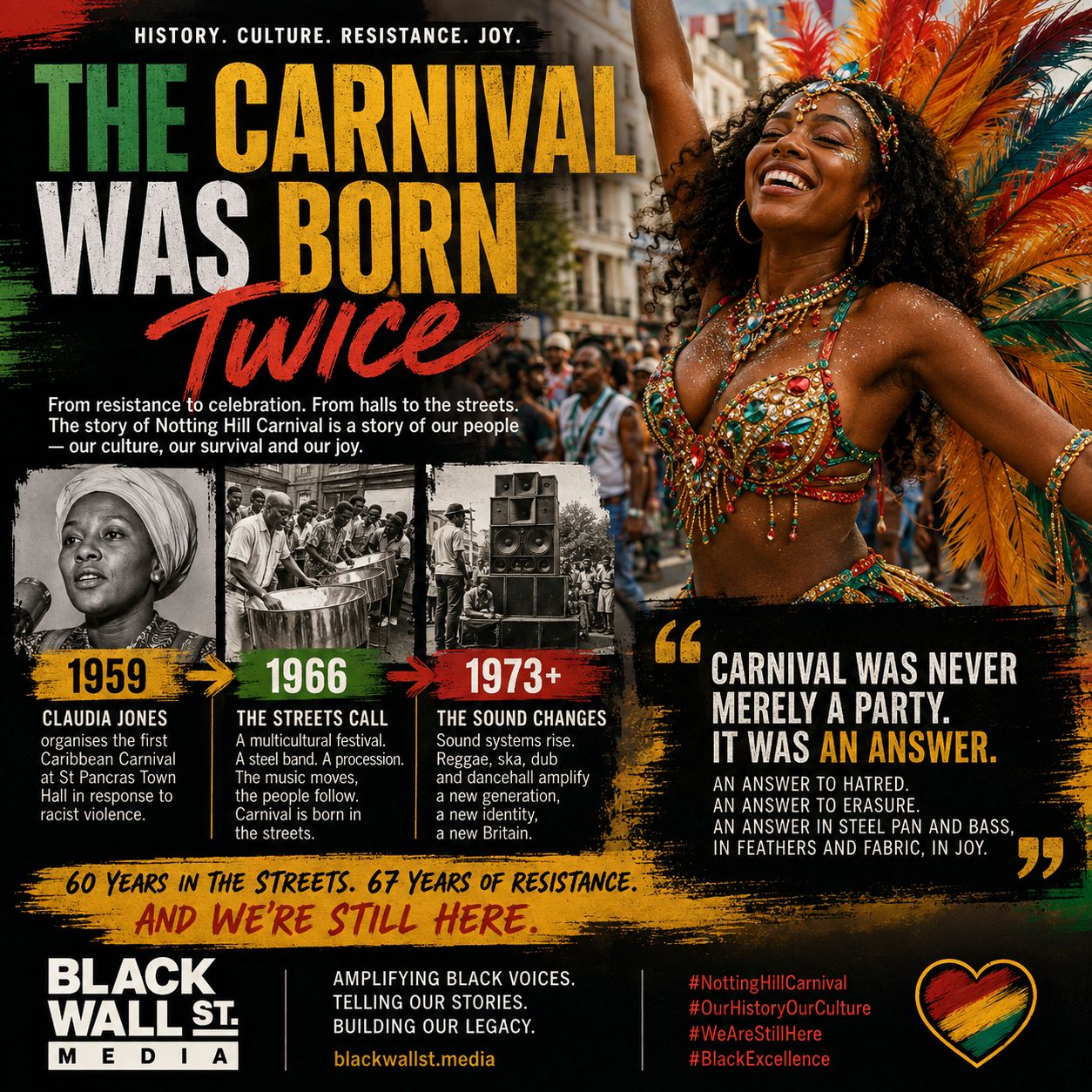
The Carnival Was Born Twice
Read More
Afterlives of Looted Heritage
Read More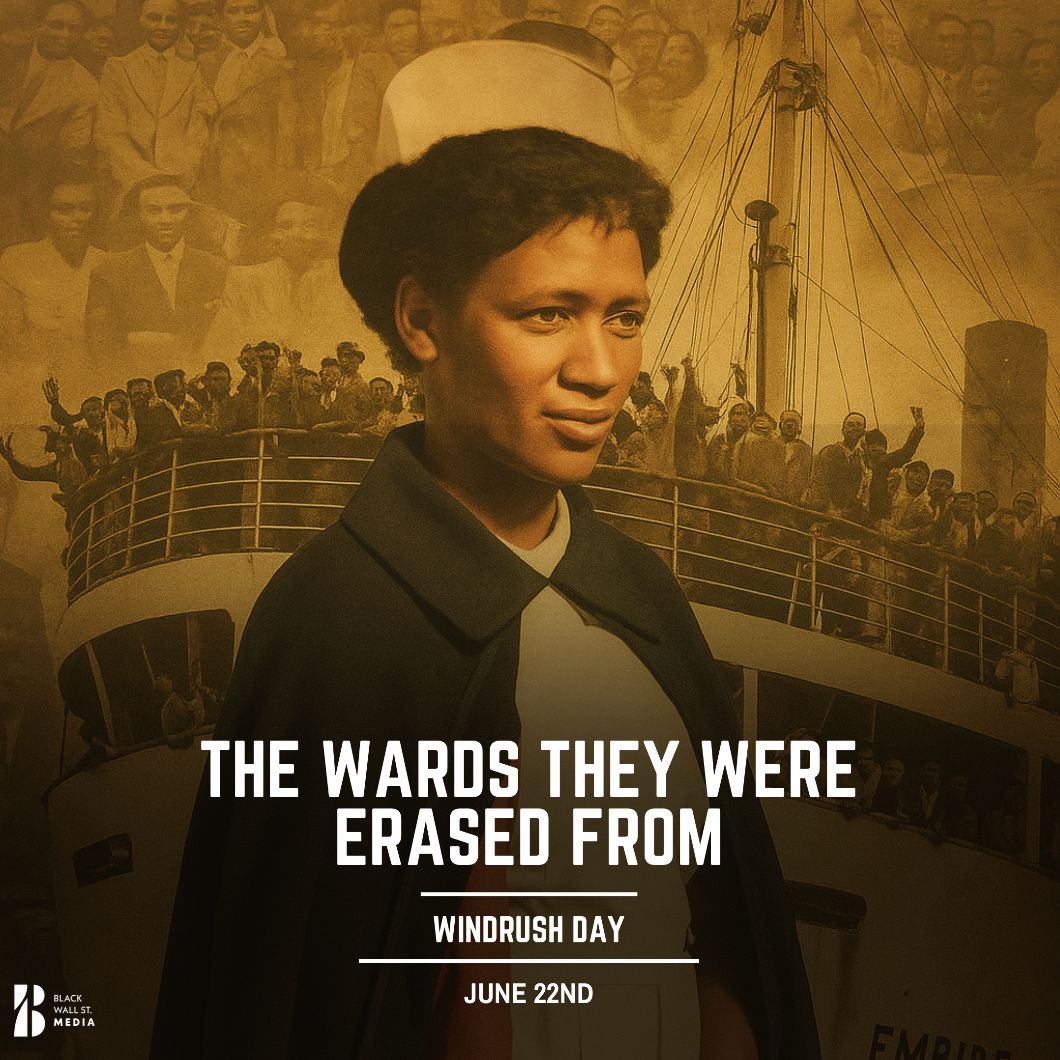
The Wards They Were Erased From
Read More