
Social Justice
The Need for Black Pride in a Hostile Climate
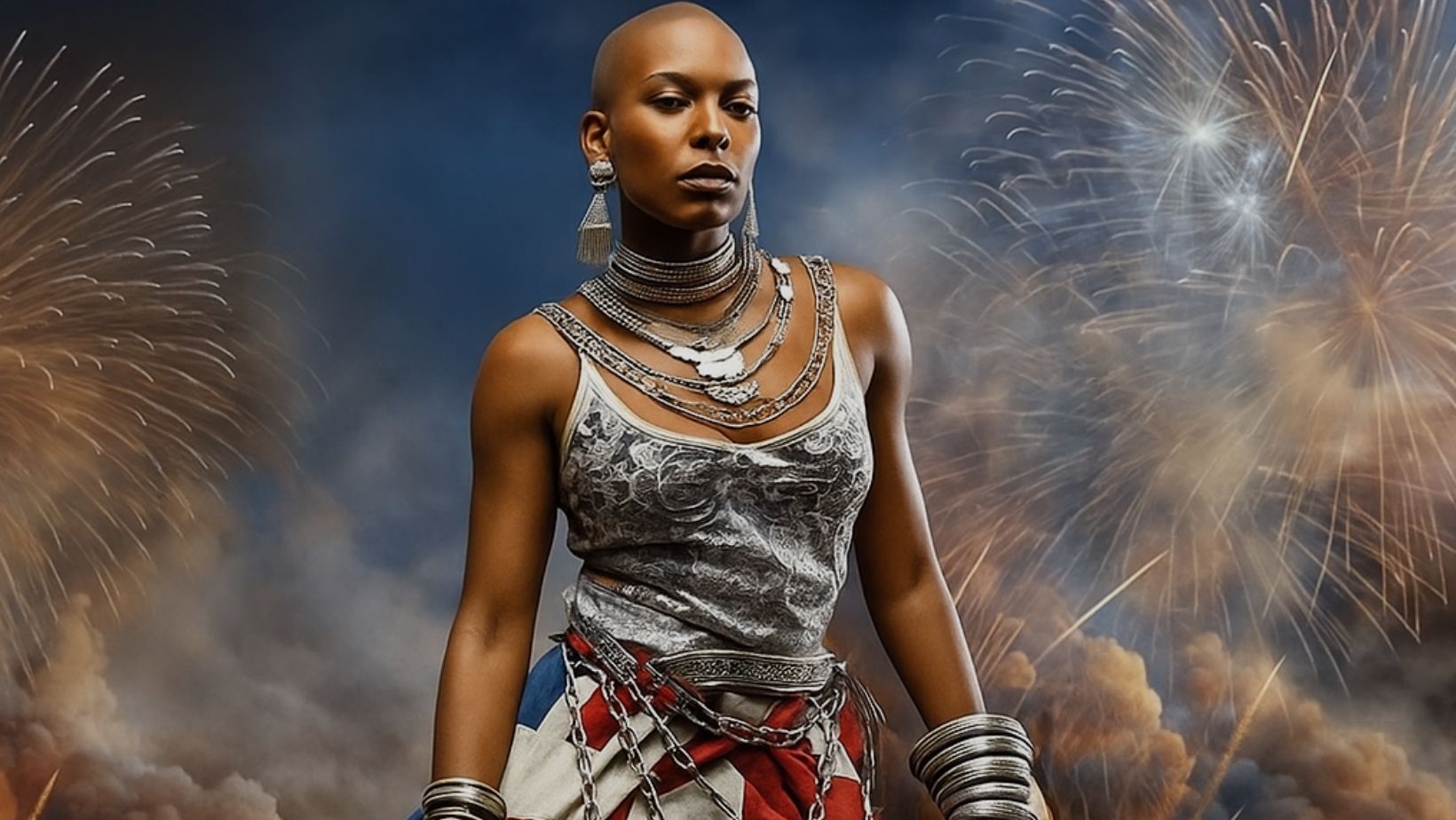
“In a climate where flags wave not in unity but in division, our pride must speak louder than hate.
Daniella MaisonEditor of Social Cause Issues
When “patriotism” becomes a weapon, when diversity is treated as a threat — it is time to stand firm in our power and our pride.
This Black History Month, we remember: we are not guests in this country — we are builders of its very foundation. Our ancestors laboured, our parents endured, and we continue to shape Britain with brilliance, courage, and grace.
Our pride is not defiance. It’s survival. It’s truth. It’s love for who we are and all we’ve given to this nation.
Read more in The Need for Black Pride in a Hostile Climate — a call to reclaim identity, truth, and belonging.”

The Need for Black Pride in a Hostile Climate
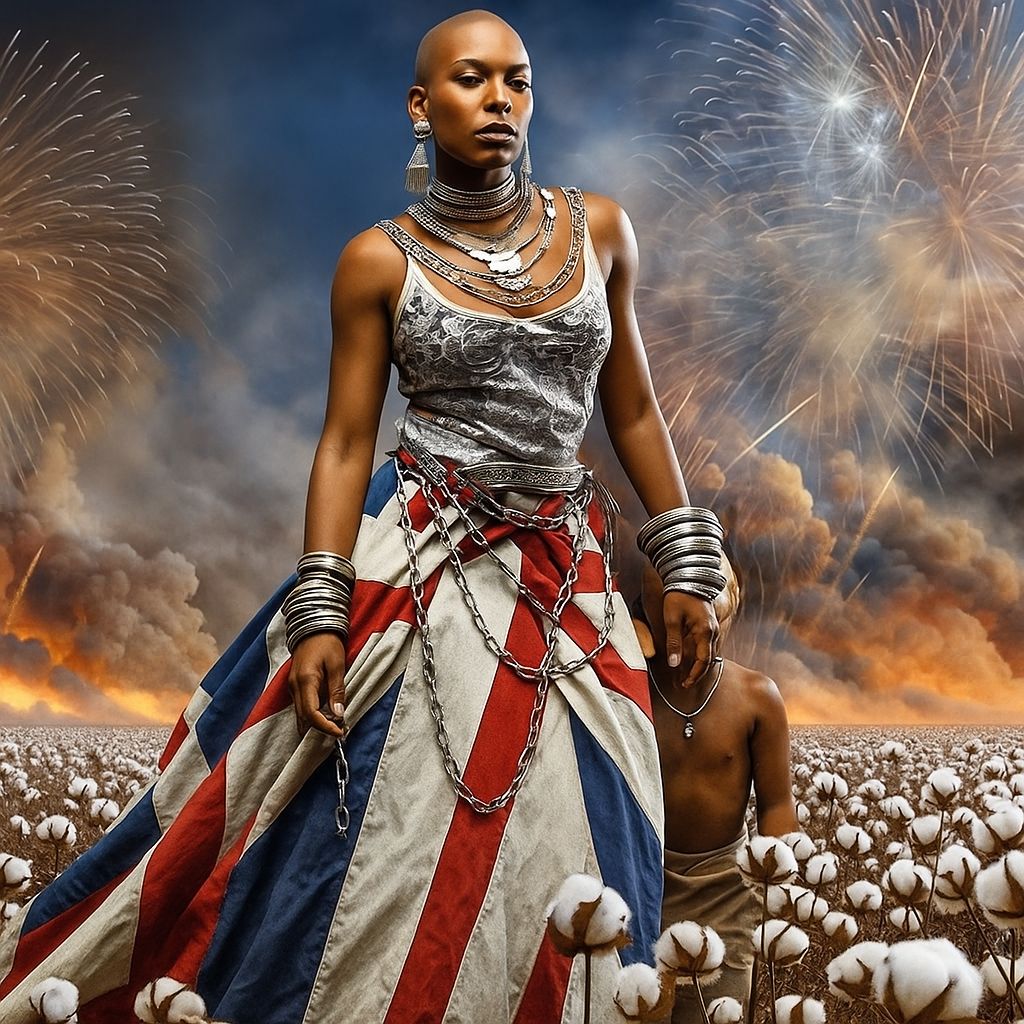
In recent weeks, the U.K. has witnessed the unsettling resurgence of nationalism through the ‘Operation Raise the Colours’ initiative, where cheap Chinese-made Union Jacks have been hoisted across our towns and cities, and painted sloppily on roundabouts. Right-wing party Reform U.K. claims that the sentiment behind the flags is to express national pride and patriotism, but also to express concerns about immigration. Far from just that, this campaign has been accompanied by a sharp rise in racial tension across the U.K.
Amidst this backdrop of division and hostility, the upcoming Black History Month in 2025 takes on an even greater significance. The theme for this year is ‘Standing firm In Power and Pride’ is a powerful reminder that our history is rich and complex, filled with stories of excellence, achievement, and cultural richness that have shaped this country.
Last week, I pushed my son in his buggy beneath a row of flags flailing in the wind above our heads, and a middle-aged white man muttered under his breath that I should ‘go back to where I come from.’
My maternal grandmothers’ lineage can be traced back through London for more than 150 years. My great-great grandmother died in the WW2 Islington bombings. Of course, none of that matters, because ‘asylum seekers,’ ‘illegal immigrants’; really all translates to ‘if you’re brown/black, get back.’
When I was a child in the 1980’s, white men used to chant ‘there ain’t no black in the Union Jack,’ and, via this campaign, they are still chanting it now.
Reform U.K. claim that the flags are sign of British pride. In the aftermath of the flags goingup, a man and child in Worcester were sprayed with an unknown substance in what police described as a “racially aggravated” attack.
In Bristol a young girl was hit three times by air gun pellets in racially motivated incident. Four people have been injured with a garden tool after a racist attack outside of Bradford College.
Each incident reminds us that British pride does not encompass all of us; it excludes those who do not fit a narrow and blinkered definition of what it means to be British. Therefore, we must harness our own pride and stand strong in it.
Reform U.K. claims they will freeze immigration and stop the boats. In doing so, they will ‘restore law and order’ and keep British women safe from ‘sex offending’ foreigners. Yet, we must remember that the statistics tell a different story. Picture this: 85% of child sex abuse suspects are white, while 7% are Asian and 5% are Black.
The narrative that seeks to paint immigrants as the root of our societal issues is a distraction from the realities we face.
Charlie Kirk’s murder was a grim reminder that when America sneezes, Europe catches a cold. The fact that commentators rushed to offer warm tributes to Kirk while condemning political violence speaks volumes about the dissonance in our collective conscience.
Tommy Robinson seized upon the incident to rally his supporters, framing it as part of a larger struggle against what he perceives as a left-wing agenda that seeks to silence dissenting voices.
This connection helped galvanise his supporters, leading to organised protests that aimed to assert their rights and push back against what they view as a culture of political correctness. 110,000 people marched in London.
Let’s not mince words. When 110,000 people march through the streets of London waving flags and shouting slogans, they are not just ‘celebrating their identity’; they are articulating a collective desire to reclaim a Britain that they believe has been sullied by diversity.
One witness articulated the fears of many when she observed, “This protest was about race, about immigration, Muslims, religion, culture, about making Britain white again, and starting a race war.” Such statements resonate with the lived experiences of countless diaspora who find themselves in the crosshairs of a society that increasingly normalises hate. Her words are not just a lament; they are a rallying cry for those who refuse to be silenced.
Reform U.K. wants to freeze immigration to ‘restore law and order,’ but let’s not kid ourselves; the real danger isn’t arriving here on a boat; it’s sitting in plain sight, drinking a pint at the local pub.
Five out of six (86%) rapists are White British, yet somehow the narrative spins into a frenzy over ‘dangerous immigrants.’ It’s the ultimate irony, a farcical joke that’s as tragic as it is absurd.
After the protests, police investigated the alleged rape of a British-born Sikh woman in the West Midlands, who was allegedly told ‘you don’t belong here’ during her horrific ordeal.
The statistics speak volumes. Two out of every five individuals arrested during last summer’s riots had been previously reported to the police for domestic abuse.
So, 41% of those engaging in violent disorder under the pretence of protecting women had a history of intimate partner violence.
These are not freedom fighters; they are the very perpetrators of the violence that women face daily.
Their chants of “protect the women” ring hollow when we examine their own histories of abuse; actual bodily harm, stalking, coercive control.
This is not a movement for justice; it is a cover for the deeply ingrained misogyny that often goes unchecked.
Moreover, the impact of this growing polarisation is deeply felt by those of us who straddle multiple identities, British-born or mixed-race individuals who have been told we are ‘other,’ who grapple with what it means to belong in a country that is questioning its own values of inclusivity. Our very notion of belonging is under siege.
What, then, does ‘Operation Raise the Flag’ say to the children of the Windrush?
For my Caribbean grandparents, who were invited here as teenagers to help rebuild post-war Britain, the pride they felt in receiving a letter from the King on their 65th wedding anniversary is a testament to their unwavering loyalty and love for the country they helped to rebuild with their hands. Yet, this same country now seems intent on erasing their legacy, on denying the very fabric of what it means to be British.
What of those of African heritage, whose ancestors endured the horrors of colonisation? That particular irony is unforgiving.
The hypocrisy of being told to ‘go home’ by the descendants of those whose history is rife with those who arrived in Africa on boats to oppress and exploit countless many in their home countries.
How can we reconcile our identity with a narrative that seeks to erase our existence, our contributions, and our humanity?
We must remember that our pride is not a burden; it is our strength. It is a reminder that we are not just survivors of history; we are makers of history.
We have built communities that uplift one another, that celebrate our culture, and that inspire future generations.
In schools and workplaces, on stages and in boardrooms, we are constantly reshaping this society into one that reflects our values of equality, justice, and unity.
As Britain becomes more divided, the Black British community must reclaim its power and pride with a ferocity that echoes through the ages, reminding the world that we are not just a footnote in history; we are the architects of its future. Our pride is lis the antidote to the poison of division, a declaration that we belong and we will not be silenced.

- Mayor Margaret Greer’s Gala Unites Enfield in Purpose
 Mayor Margaret Greer’s Charity Gala was more than an evening of elegance—it was a powerful celebration of community, heritage, and purpose in the heart of Enfield. As the borough’s first Black woman of Caribbean heritage to serve as Mayor, Cllr Greer brought together residents, leaders, and supporters for a night dedicated to uplifting vital causes and strengthening the spirit of unity. Read how this unforgettable evening reflected the power of representation, resilience, and the collective strength of the Enfield community.
 - Five Black Women. Five Bodies of Water. And a History We Can No Longer Ignore
 The Silence is the Story Five Black women. Five bodies of water. And a national conversation that barely registered a ripple. In this searing and vital piece, Dr Diahanne Rhiney, Editor in Chief of Black Wall St Media, confronts the uncomfortable historical pattern of how Black women’s lives are valued and often made invisible by the systems meant to protect them. From the tragic disappearances of Blessing Olusegun and Samaria Ayanle to the urgent necessity of economic sovereignty as a form of safety, this article is a call to action for visibility, protection, and the refusal to let history repeat itself. Read the full article below to understand why we must say their names.
 - Mother’s Day and the Quiet Legacy of Our Mothers
 Beyond the bouquets, there is a "quiet legacy" that forms the true foundation of our lives. In this moving tribute, Dr. Diahanne Rhiney, Editor-in-Chief of Black Wall St Media, explores the profound inheritance of resilience and cultural wealth passed down by mothers across the diaspora. Whether celebrating her presence or honouring her memory, read why a mother’s work is the ultimate blueprint for generational wealth.
 - International Women’s Day: The Diaspora Women Who Carry the World on Their Shoulders
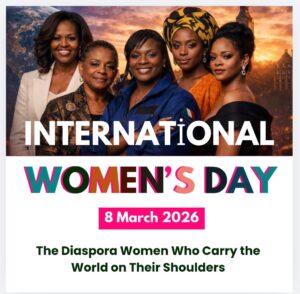 On International Women’s Day we celebrate the achievements of women around the world. Yet across the African and Caribbean diaspora, women have long been leading, building and transforming communities often without recognition. From figures such as Michelle Obama and Doreen Lawrence to countless women working quietly within their communities, this piece honours the resilience, leadership and enduring impact of diaspora women.
 - The Hidden Tax of Being Black
 In her latest piece as Behavioural Finance Editor for Black Wall St. Media, Krystle McGilvery explores how professionals can begin to recognise these hidden costs and, more importantly, how to push back against them. Her article outlines practical strategies to build leverage, extract real value from workplace opportunities, and develop the kind of exit power that ensures you are never trapped in a role that diminishes your worth.



When Inclusion and Impact Collide at the BAFTAs
Read More
When Oversight Falls Silent
Read More
Ras Judah: The Elder Who Stood So We Could Stand
Read More
A Giant Has Fallen. What Jesse Jackson Meant to the Diaspora
Read More
Landmark Ruling
Read More
Locked Out of the Purse Strings
Read More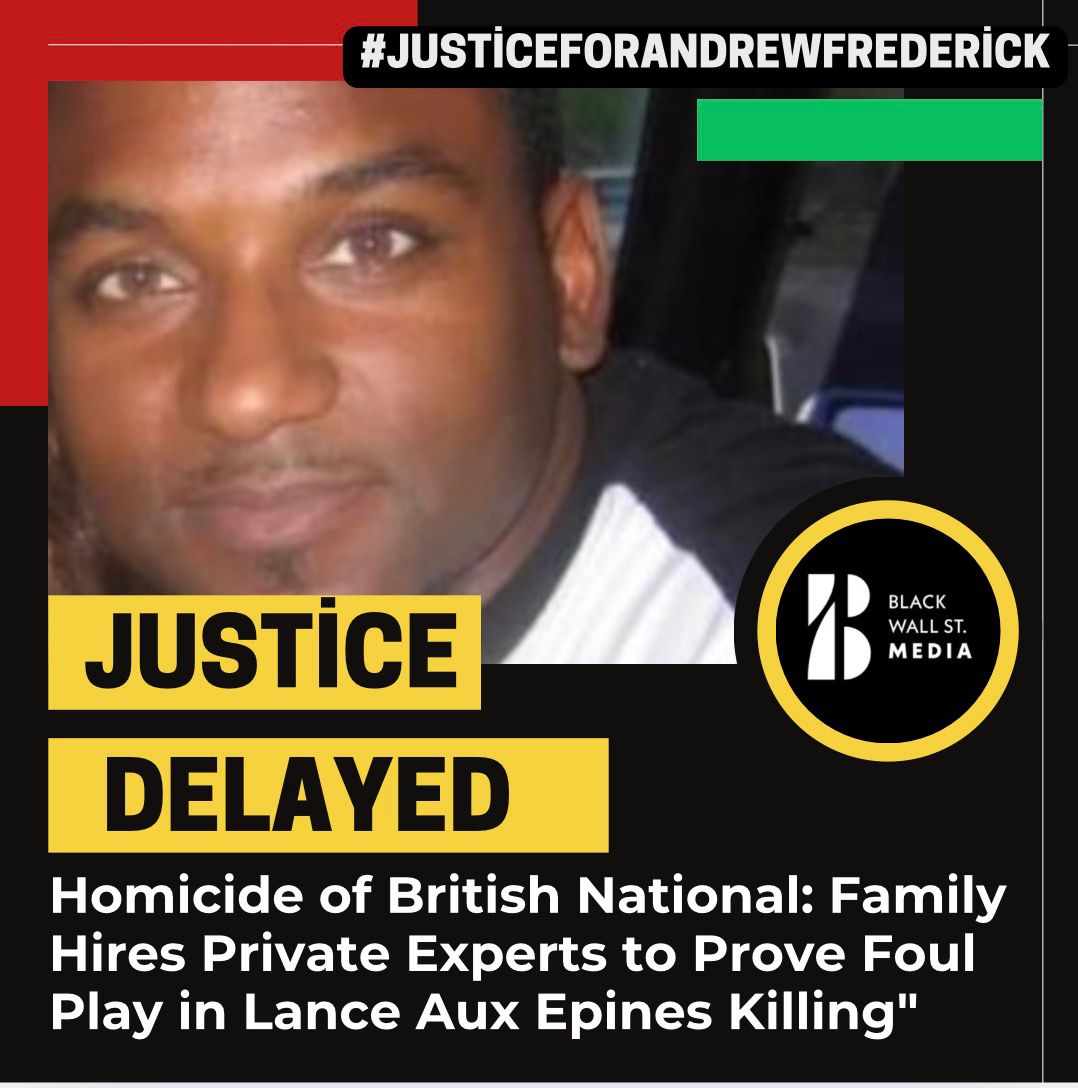
Who Killed British National Andrew Frederick?
Read More
Who Gets to Belong?
Read More
When Protection Becomes Possession
Read More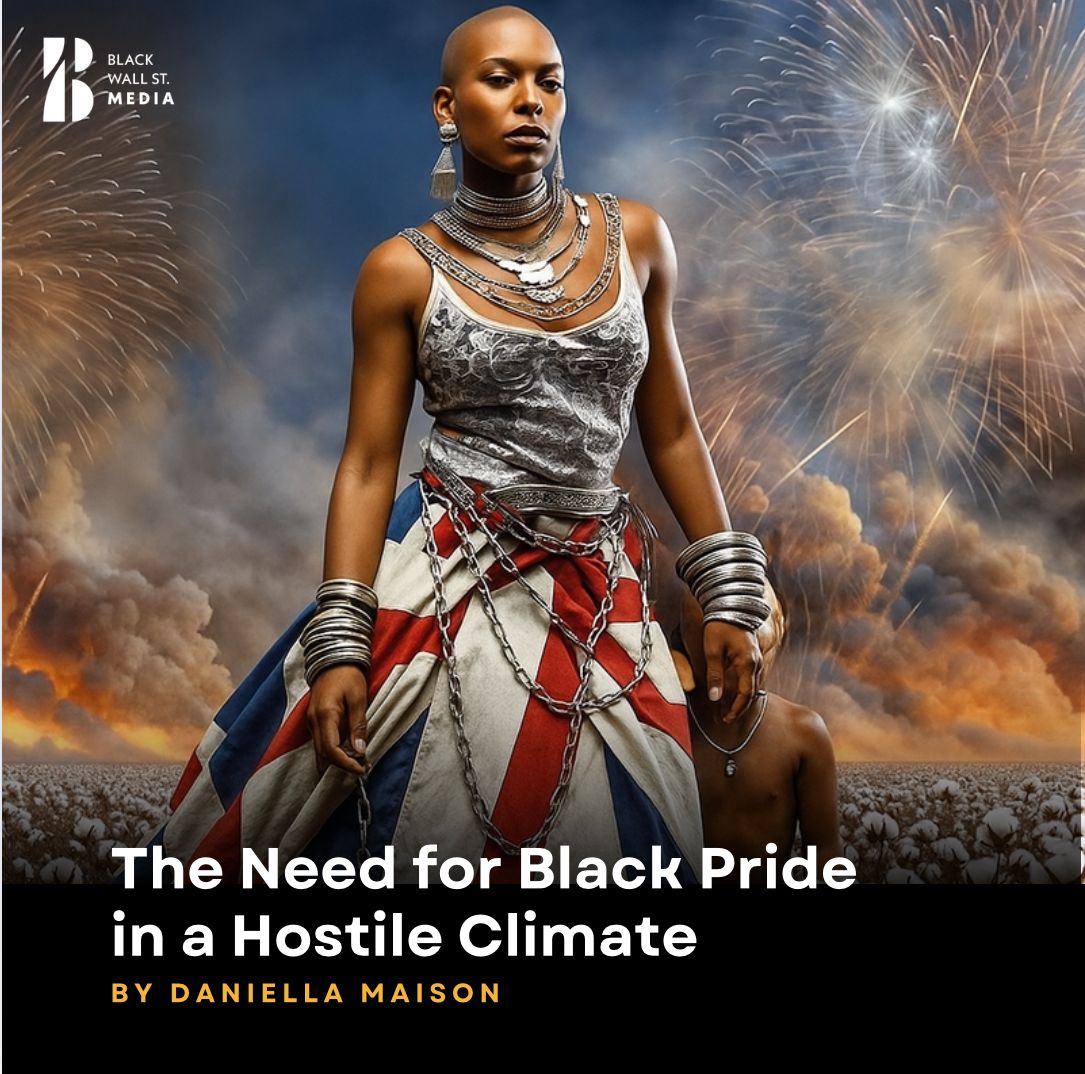
The Need for Black Pride in a Hostile Climate
Read More
Editor’s Letter March 2026

Dom Taylor’s Caribbean Renaissance in Dalston
When Inclusion and Impact Collide at the BAFTAs
When Oversight Falls Silent
Ras Judah: The Elder Who Stood So We Could Stand

Radio Bimshire – Bajan to the Bone
A Giant Has Fallen. What Jesse Jackson Meant to the Diaspora

Redefining Leadership Beyond Burnout
Landmark Ruling

