Crime & Justice
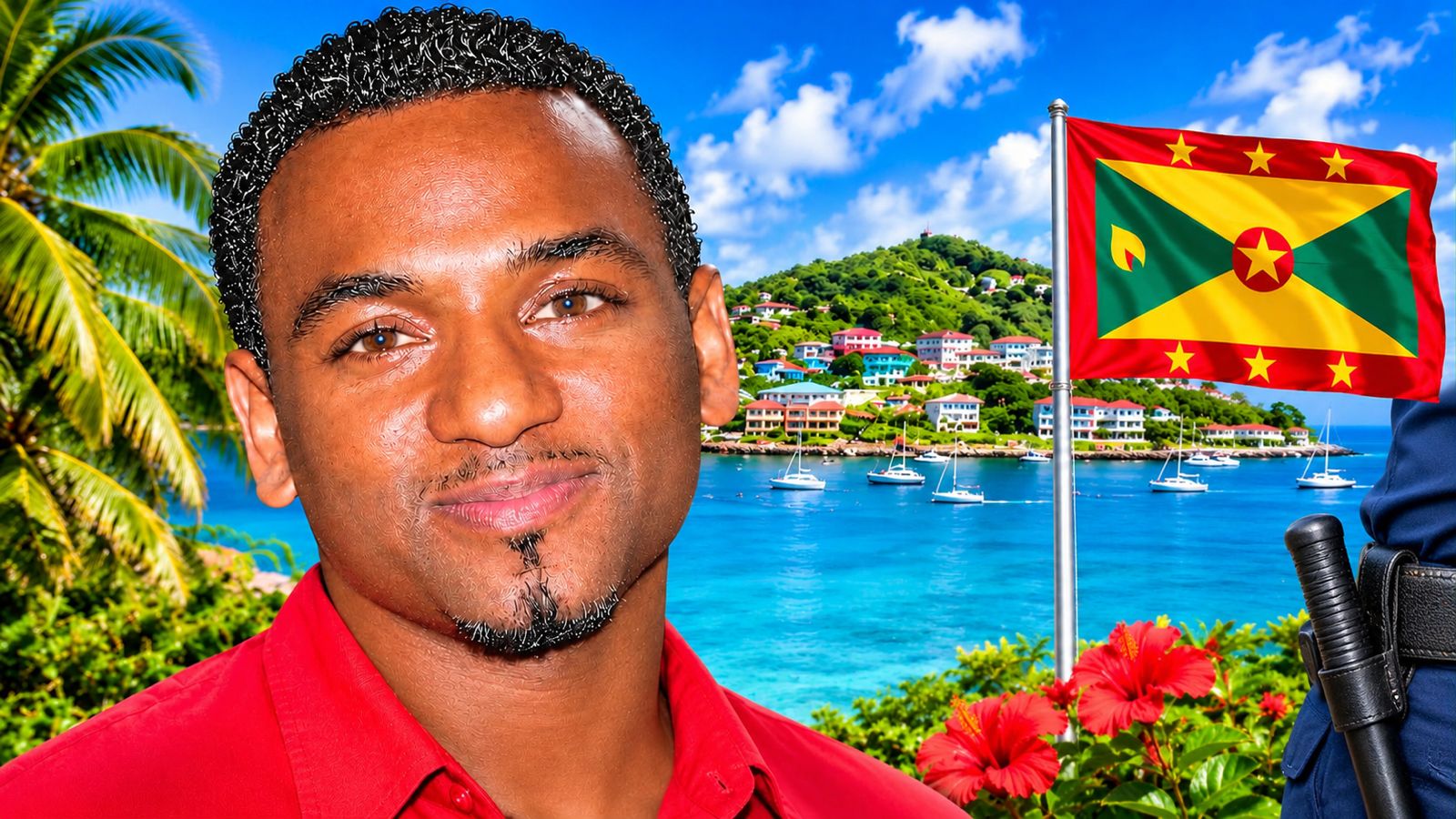
British Family Left Searching for Truth 10 Months After Father Is Found Dead in Grenada
“As Grenada prepares to go to the polls on 5 November, one family is still waiting for answers about the death of Andrew Donald Frederick. Despite reported assurances of cooperation from the highest level of government, important questions surrounding the investigation and a formal request for British assistance remain outstanding. In this powerful follow-up, we examine why this case must not be lost in election promises, political change or bureaucracy. The election will determine who governs Grenada. It must not determine whether a grieving family receives the truth. Read our report.”
BWSMContributor
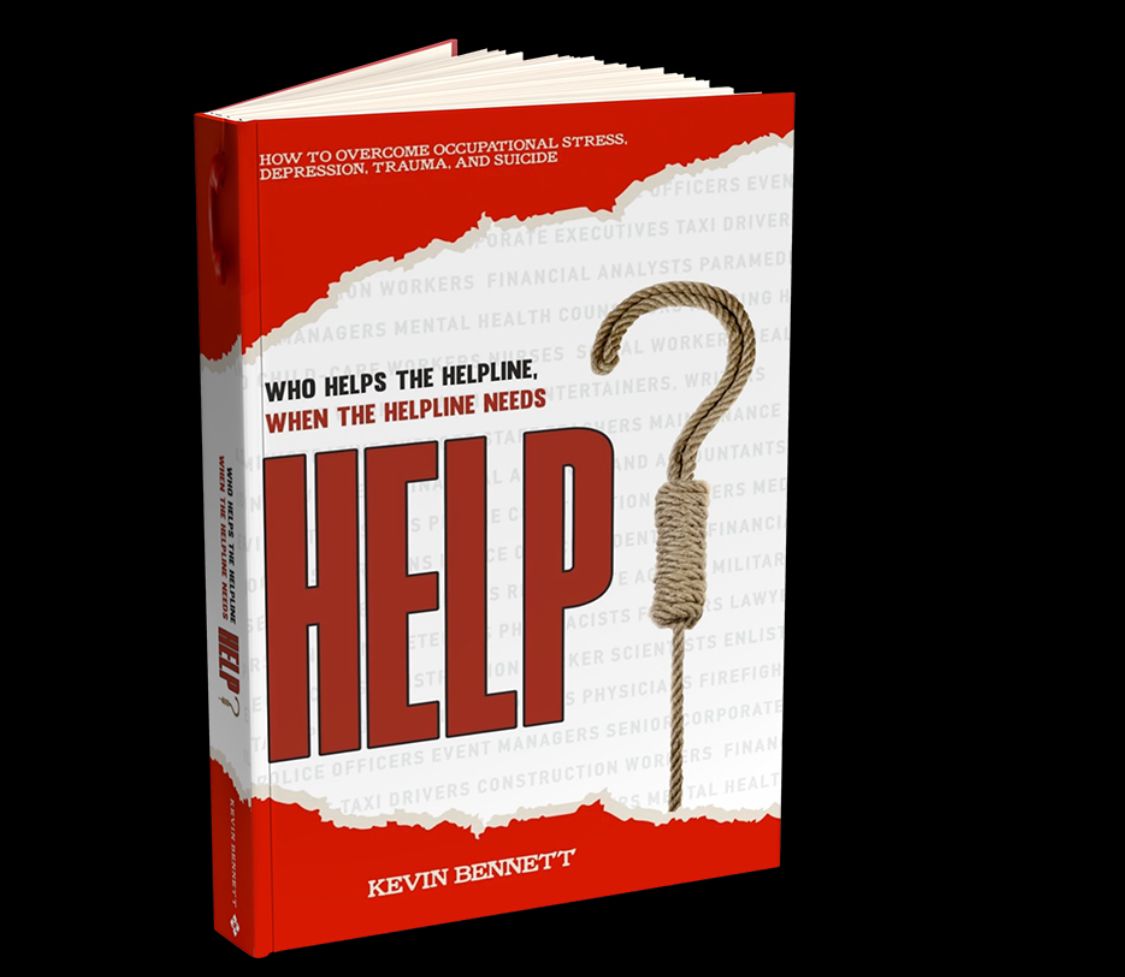
When assurances of cooperation are given at the highest level, what does it say when the promised action is still awaited?
There is something deeply troubling about a family having to ask, again and again, for answers about the death of someone they love. There is something more troubling still when those questions reach the highest offices of government, assurances are reportedly given, and yet the action that should follow remains outstanding.
As Grenada prepares to vote on 5 November, the case of Andrew Donald Frederick presents a question that cannot comfortably be put aside. It is not simply a question for the police, nor is it merely a matter of diplomatic correspondence. It is a question about responsibility, truth and the obligations of those who hold public office.
Andrew was a 47-year-old British father found dead at a property in Lance Aux Epines on 4 January 2026. His death has since become the subject of deeply troubling and conflicting developments.
An initial post-mortem examination in Grenada reportedly identified blunt force trauma and concluded that his death was a homicide. Injuries were described as consistent with torture. Yet Grenadian authorities subsequently closed the investigation, with the Director of Public Prosecutions reportedly finding insufficient grounds to conclude that murder had occurred.
Then Andrew’s body was returned to Britain in August. A privately commissioned post-mortem reportedly raised further disturbing questions, including the absence of internal organs and parts of his neck. In the UK, the cause of death was recorded as unascertained.
One is left to ask: how can a family begin to find peace when the very circumstances of a loved one’s death remain so uncertain?
The senior coroner subsequently requested a Metropolitan Police investigation. The Met approached the Royal Grenada Police Force to discuss cooperation, and the inquest was suspended pending the police investigation.
But there is another matter that demands attention.
According to reports, Grenada’s Prime Minister, Dickon Mitchell, gave the British High Commissioner a verbal assurance that his government would cooperate with the formal request from British authorities. Yet that request is reportedly still awaiting signature and approval.
A promise made at the highest level of government should carry weight. It should mean something to the people who hear it, and above all to the family whose hope rests upon it. But what meaning can a promise have when the action it requires does not follow?
A verbal assurance is important. But a family cannot build its search for truth on words alone.
This is not an invitation to condemn Grenada. It is not an accusation against its people, who have their own lives, struggles and hopes for the future. It is a demand that those entrusted with authority understand that public office is not simply about power, ceremony or the promises made during an election campaign. It is about what happens when a human being is vulnerable, when a family is grieving, and when institutions are called upon to do what is right.
The people of Grenada deserve institutions that are trusted. They deserve to know that difficult questions will not be avoided simply because they are uncomfortable. And Andrew’s family deserves to know that the pursuit of answers will not be lost in the machinery of bureaucracy or the changing fortunes of political leadership.
As Prime Minister Dickon Mitchell and his government face the electorate, these questions are legitimate:
Why does the formal request for cooperation reportedly remain unsigned? What is preventing the process from moving forward? And what will be done to ensure that Andrew’s family receives the answers it has been seeking?
These are not questions of party politics. They are questions of human decency and public accountability.
An election may decide who occupies the offices of government. It cannot decide whether a grieving family is entitled to truth. That entitlement does not expire when the ballot boxes are closed, nor should it depend upon which political party holds power.
Andrew Frederick was someone’s son, someone’s father and someone whose life mattered. His family is not asking for privilege. They are asking for answers, for transparency and for the opportunity for the evidence to be properly examined.
And perhaps that is the most important question of all: when a family asks for truth, and a government has promised to help them find it, what possible justification is there for allowing them to continue waiting?
The election will determine who governs Grenada. It must not determine whether this family receives justice.
Justice cannot be buried in silence.
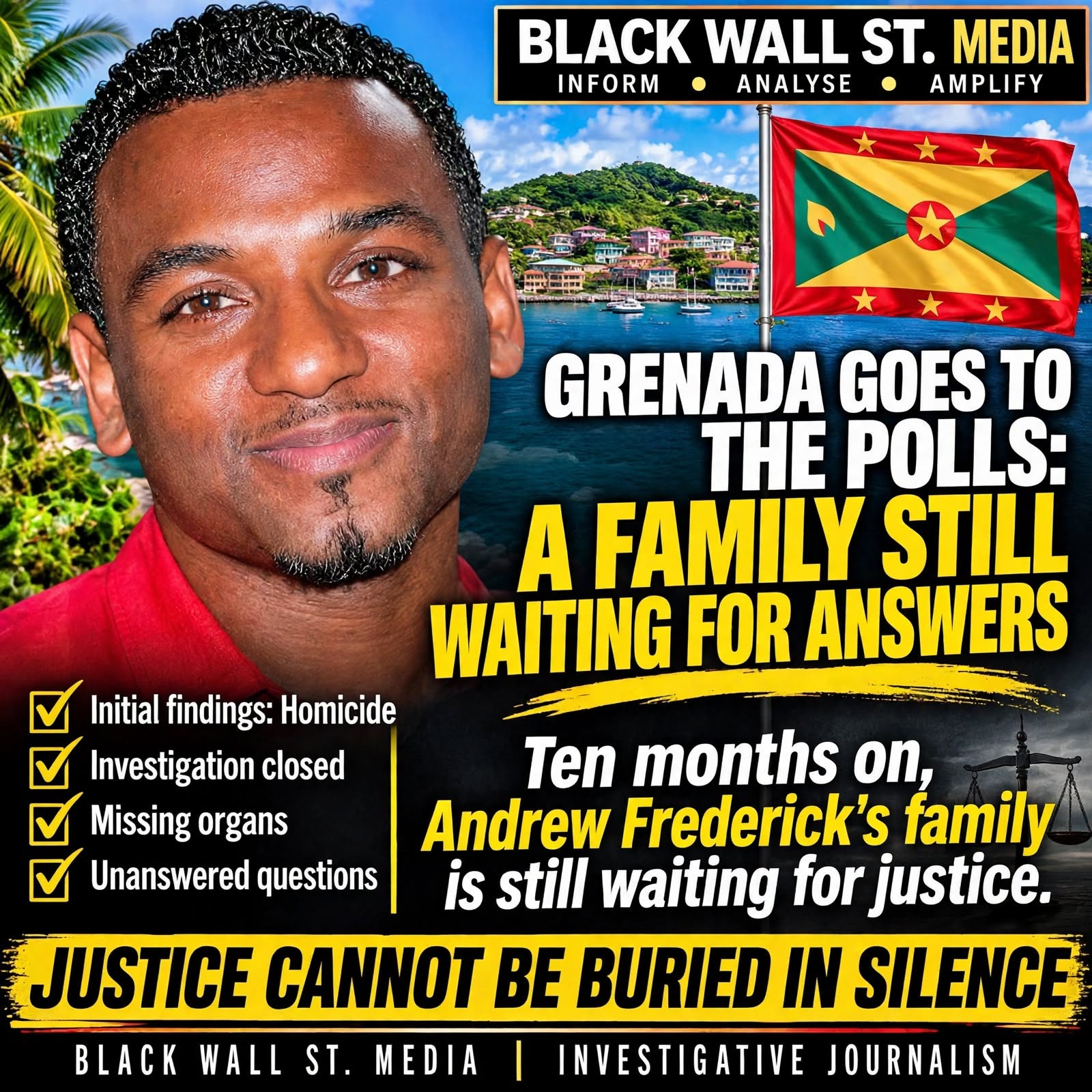
- GRENADA GOES TO THE POLLS: A FAMILY STILL WAITING FOR ANSWERS
 Ten months after Andrew Donald Frederick was found dead in Grenada, his family is still searching for answers. With conflicting conclusions surrounding his death, troubling questions raised by a second post-mortem and concerns about international cooperation, why are the questions still unanswered? Black Wall St. Media investigates the circumstances and calls on the Grenadian authorities to address the family's concerns. Justice cannot be buried in silence. Read our full report.
- BRITISH JAMAICAN CHAMBER OF COMMERCE APPOINTS INAUGURAL LEADERSHIP TEAM TO STRENGTHEN UK–JAMAICA TRADE AND INVESTMENT
 Britain and Jamaica share a rich history, but what does the future of their economic relationship look like? The newly established British Jamaican Chamber of Commerce is looking to turn shared heritage into meaningful trade, investment and enterprise. Meet its inaugural leaders, Claudine Reid MBE and Mahari Hay, and discover the ambition behind BritJACC. Read the full story.
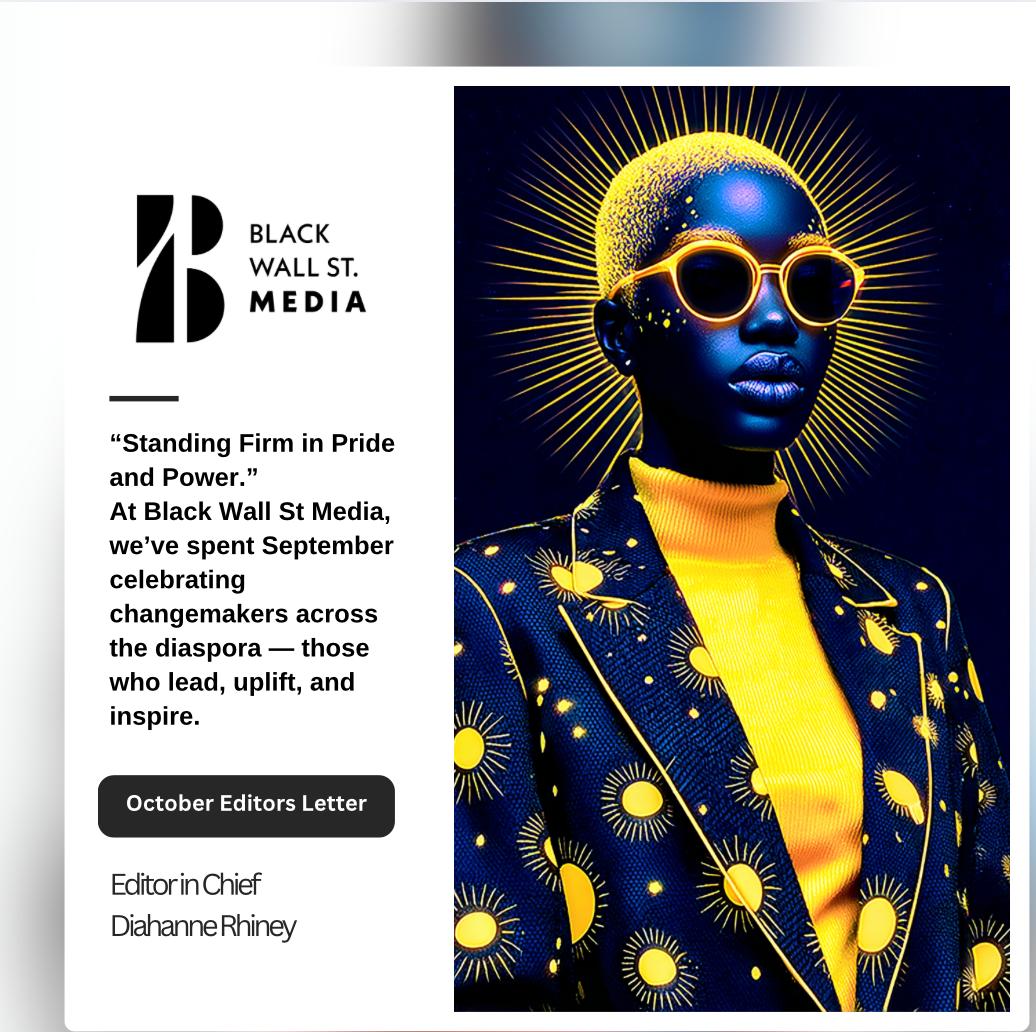
- October Editor’s Letter: The Month That Holds Everything
 October is a month that asks us to remember, reflect and take action. In her Editor’s Letter, Diahanne Rhiney brings together Black History Month, World Menopause Month and Breast Cancer Awareness Month, reminding us that our history, our health and our wellbeing are deeply connected. She also pays tribute to Professor Jason Arday, whose remarkable life challenged expectations and opened doors for others. A powerful and personal reflection on representation, health, resilience and the importance of looking after ourselves and one another. Take a moment to read Diahanne’s October Editor’s Letter.
- The Woman Building a Fairer Table
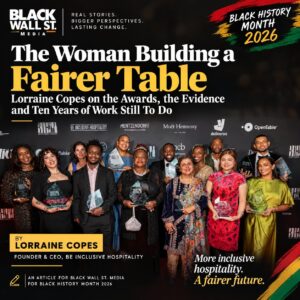 What does a fairer future for the hospitality industry really look like? In this compelling feature, Diahanne Rhiney JP speaks with Lorraine Copes, founder of Be Inclusive Hospitality, about breaking barriers, challenging inequality and creating opportunities for the next generation of talent. From the BIH Spotlight Awards to the realities behind the statistics, this is a conversation about recognition, representation and the work still to be done. Read the full article, published by Black Wall St. Media for Black History Month 2026.
- Being in One Place, Thinking About Another
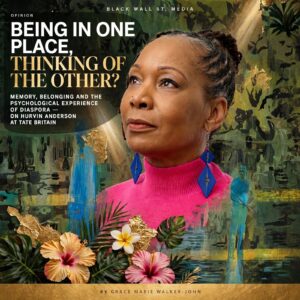 What does it mean to belong when your heart, memories and identity are connected to more than one place? In Being in One Place, Thinking About Another, Grace Marie Walker-John reflects on diaspora, cultural identity and the psychological meaning of home, drawing inspiration from Hurvin Anderson’s exhibition at Tate Britain. She explores the pressures Black people can face to make themselves smaller to fit in, and why belonging should never require us to shrink who we are. Read this thoughtful and deeply personal reflection on memory, identity and the freedom to belong on our own terms.




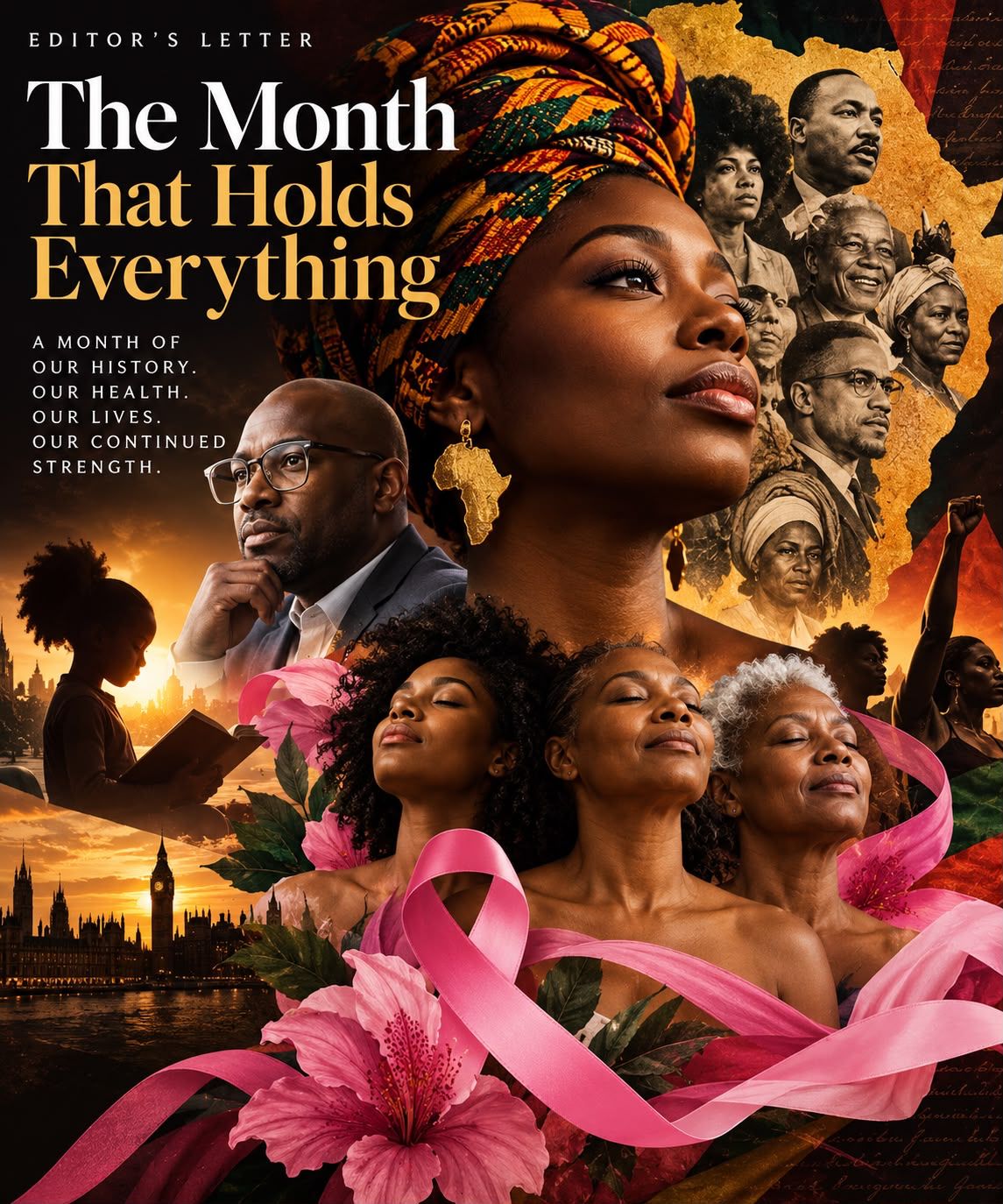
October Editor’s Letter: The Month That Holds Everything
Read More
When Your Achievements Are Treated as a Question
Read More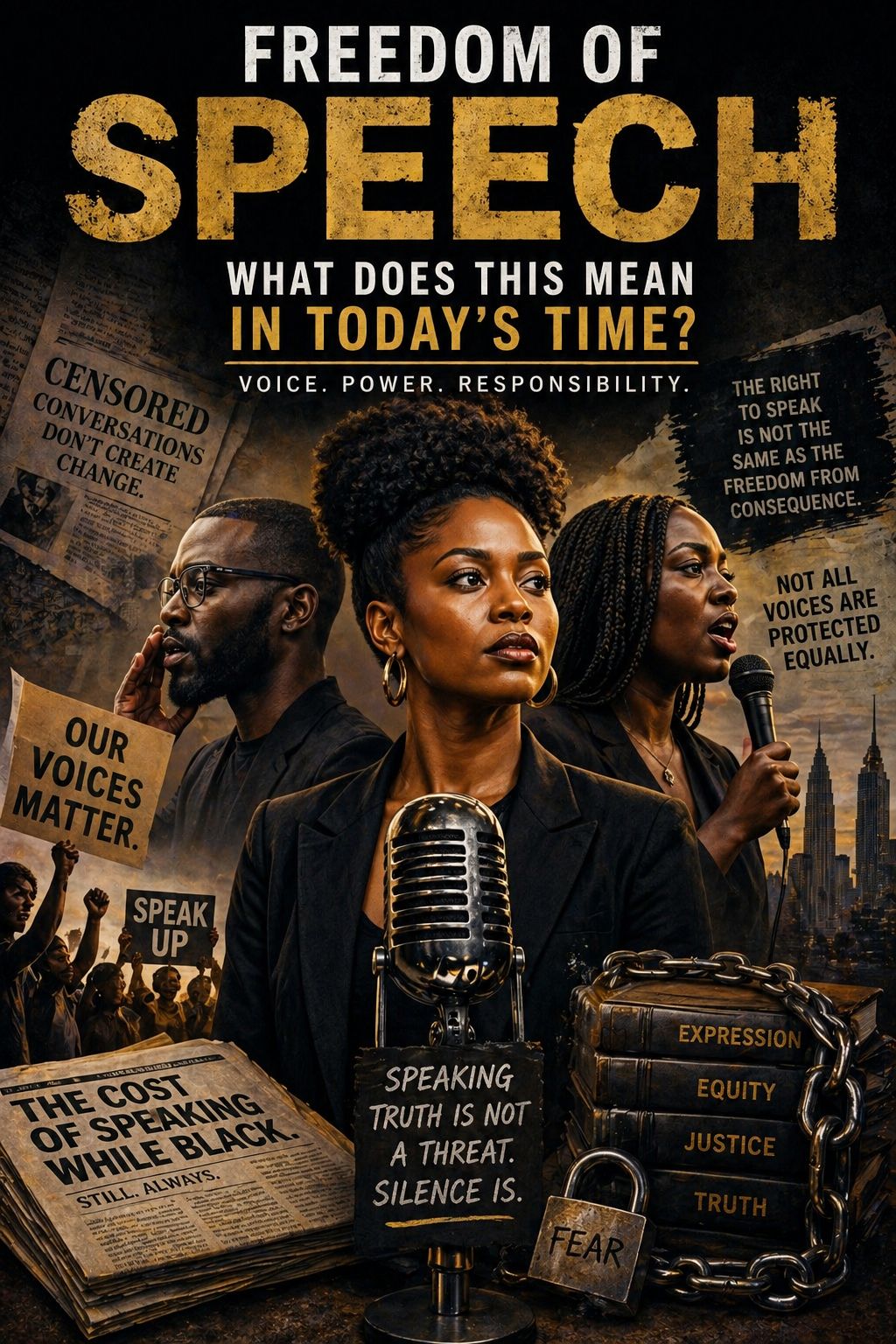
Editor’s Letter May 2026
Read More
Editor’s Letter April 2026
Read More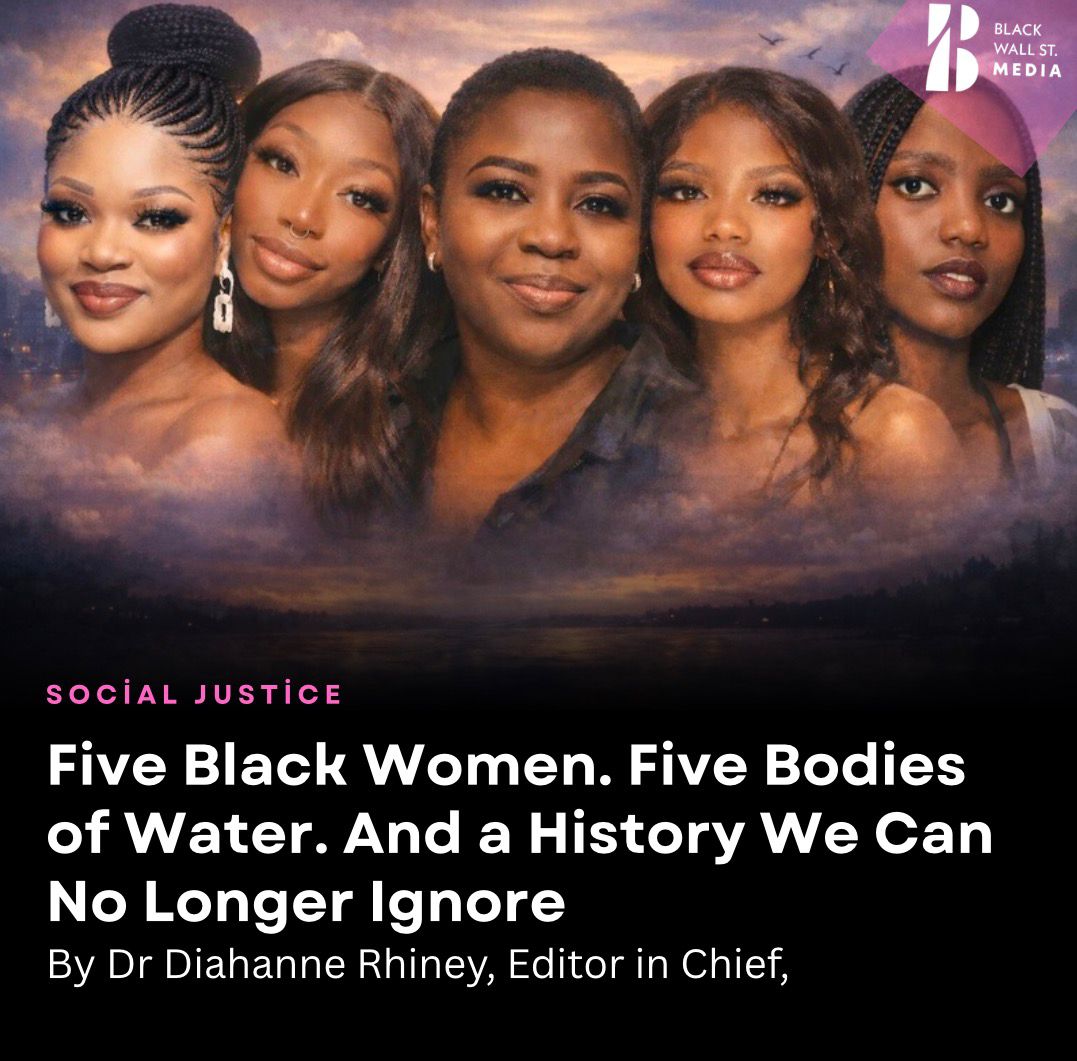
Five Black Women. Five Bodies of Water. And a History We Can No Longer Ignore
Read More
Mother’s Day and the Quiet Legacy of Our Mothers
Read More
Editor’s Letter March 2026
Read More
Locked Out of the Purse Strings
Read More
Editors Letter – January 2026
Read More