
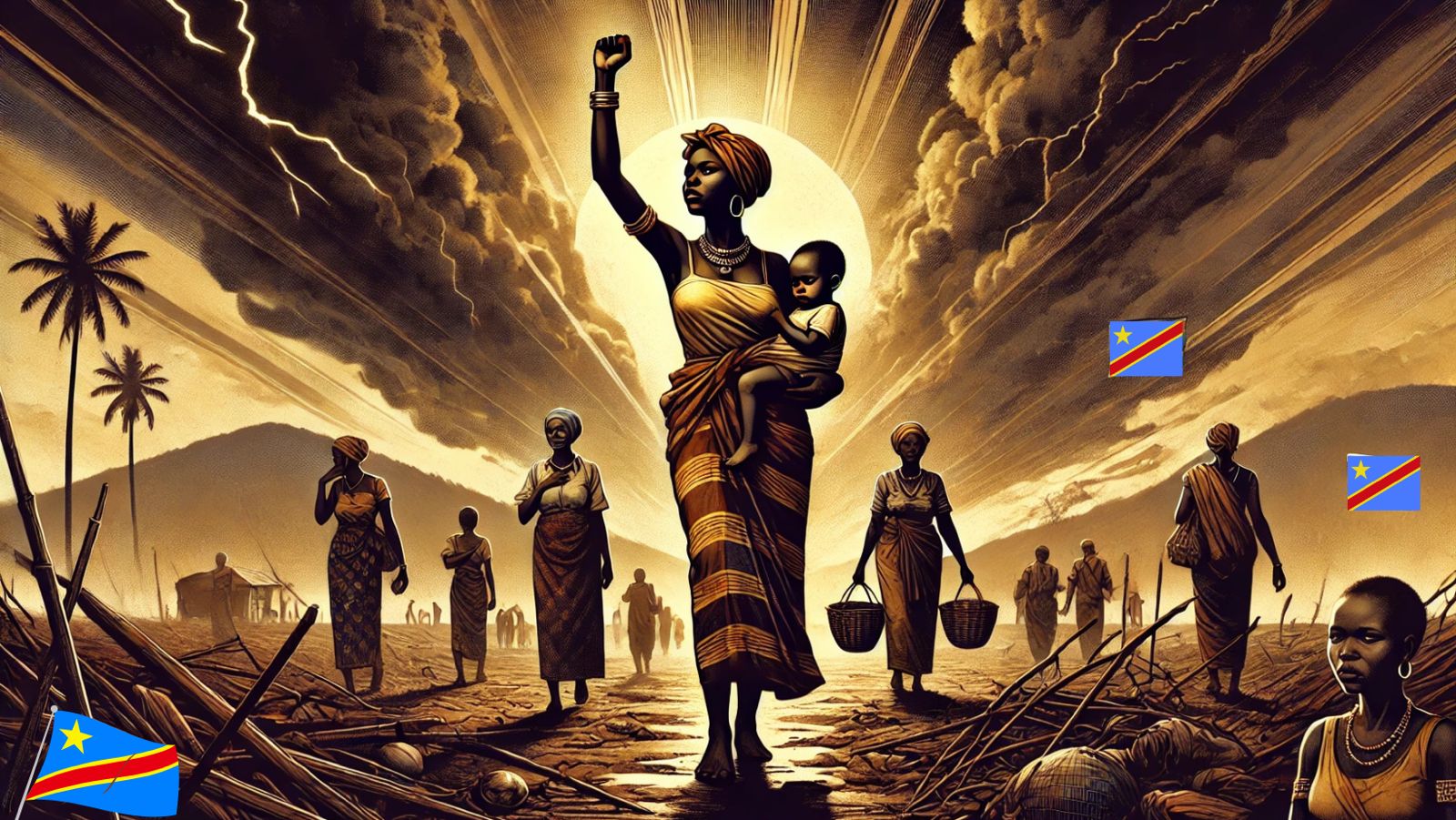
#IWD25 Under the Spotlight
Amplifying The Voices of Women’
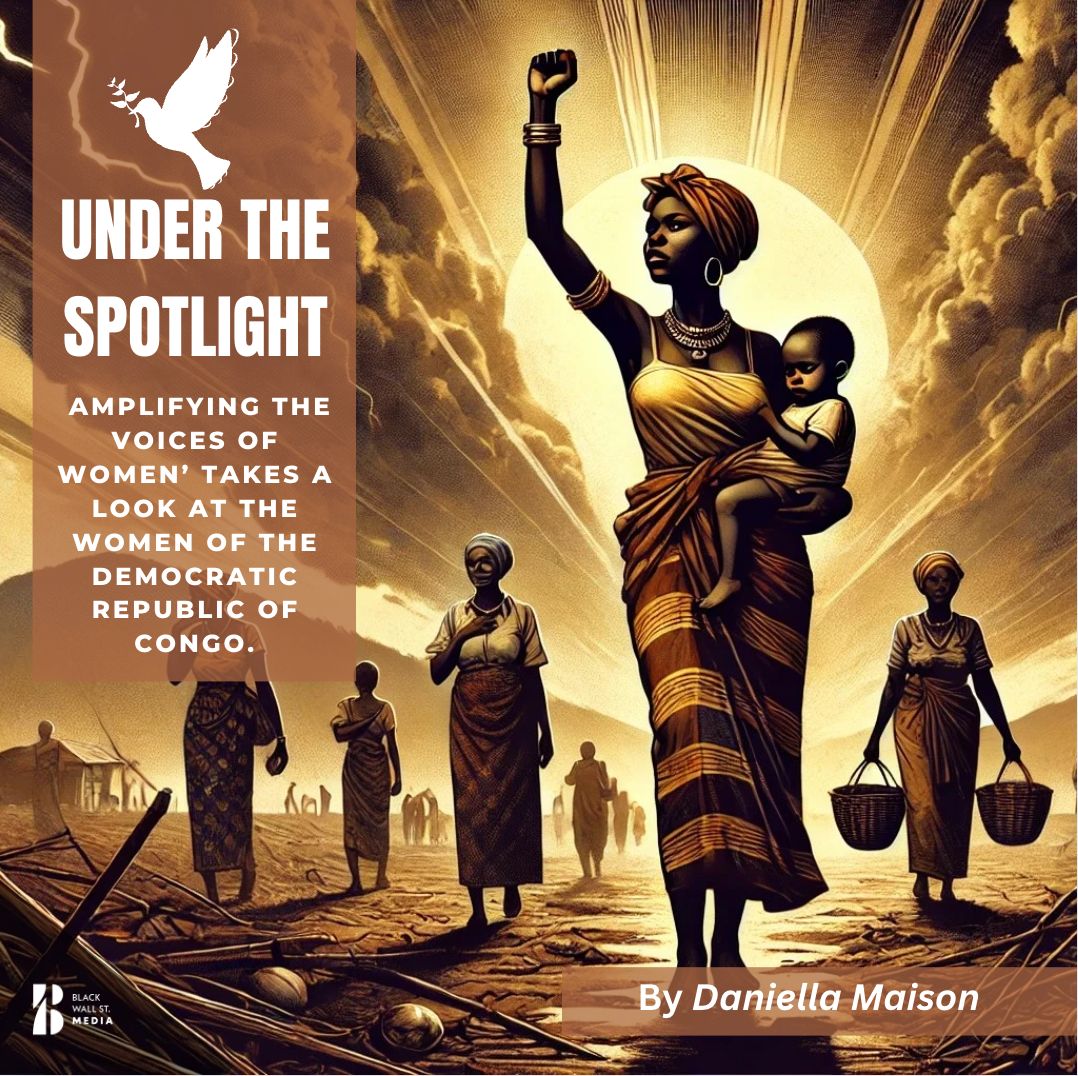
“The third in Daniella Maison’s four part Women's History Month series ‘Under The Spotlight: Amplifying The Voices of Women’ takes a look at the women of the Democratic Republic of Congo.”
DANIELLA MAISONEditor of Social Cause Issues






The third in Daniella Maison’s four part Women’s History Month series ‘Under The Spotlight: Amplifying The Voices of Women’ takes a look at the women of the Democratic Republic of Congo.
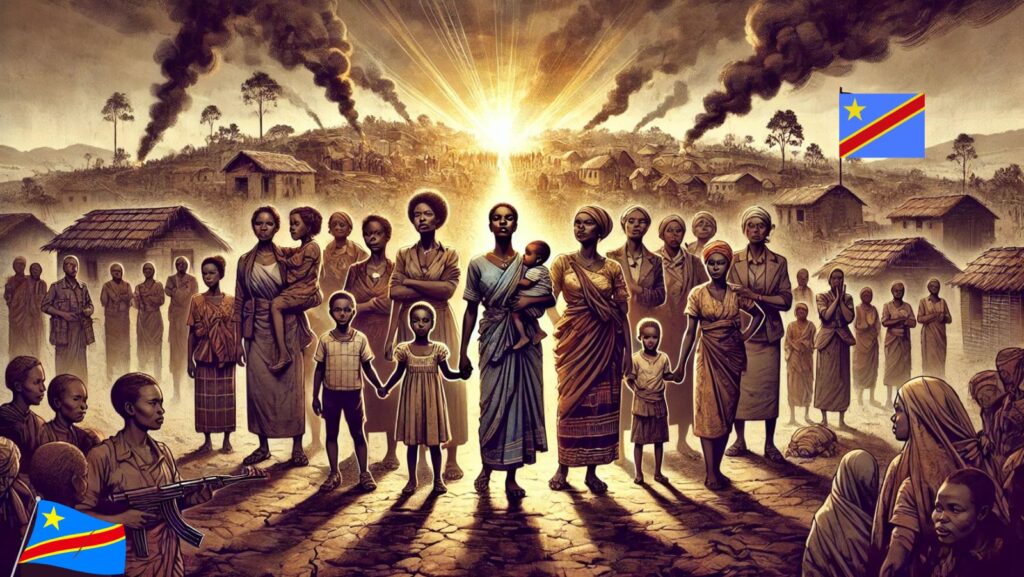
A Call To Conscience
In the heart of Africa, a land so rich in resources and potential that it inspired Black Panthers ‘Wakanda’, the Democratic Republic of the Congo stands at a crossroads, besieged by a crisis that demands the attention of the Diaspora.
In the Democratic Republic of the Congo, murder and violence have forced 6.9 million (equivalent to the entire population of the north east of England) people into utter destitution, and more than half of them are women. The plight of women in the DRC has reached a critical juncture.
In a grim statistic that underscores a deepening humanitarian crisis, it has been revealed that 46 women are raped every hour in the Democratic Republic of the Congo. That is every 1.3 minutes. It’s an alarming frequency that is almost equivalent to the rate at which babies are born in the United Kingdom. These shocking numbers highlight the urgent need for international attention and action to combat sexual violence and protect vulnerable populations in the region.
Recent reports reveal that the DRC continues to grapple with one of the highest rates of sexual violence in the world, with an estimated 1 in 3 women experiencing sexual assault in their lifetime. Armed conflict, fuelled by a competition for mineral wealth, has further exacerbated this crisis. Women are not only victims of violence but also bear the brunt of economic instability, with skyrocketing unemployment rates pushing them into precarious situations for survival.
In a country where traditional gender roles are deeply entrenched, women face immense barriers in accessing education and healthcare. Nearly 40% of girls do not complete primary school, and maternal mortality rates remain shockingly high. The lack of resources is crippling, with many healthcare facilities lacking basic supplies and trained staff.
International attention has flickered back to the DRC, with global advocacy groups urging for increased support and intervention. However, promises made often fall flat, as funding and resources remain woefully inadequate. The women of the Congo are calling for more than sympathy; they demand action.
As the world celebrates International Women’s History month, the plight of Congolese women serves as a stark reminder of the work that remains.
The resilience of women in the DRC is undeniable. They are not merely statistics; they are mothers, daughters, and leaders. As they continue to rise against the odds, it is time for the global community to listen, to act, and to support the transformation of a nation that has long been held in the grip of despair.
Some have taken up arms and joined the fighting themselves or been wounded by bombs and bullets. Others are caring for fellow displaced women raped in war. Still others have emerged as peace activists striving to build a better future for their homeland. Together, their experiences reveal the difficult decisions women must make in wartime and how, day by day, they are trying to break the DRC’s cycle of conflict.
The shadow of King Leopold II looms large over the Democratic Republic of the Congo. Leopold reign over the Congo was marked by horrific brutality, where rape was systematically employed as a weapon of terror and subjugation.
Under his colonial regime, women were not only stripped of their dignity but also used as instruments of oppression to instil fear and maintain control over the Congolese population.
This tactic of sexual violence served to reinforce the dehumanisation and exploitation of an entire people, leaving deep psychological scars that echo through generations. The haunting legacy of colonialism is not just a historical footnote; it is a present-day reality that continues to stifle the Congo’s potential.
The last three weeks alone displaced more than 1.3 million people as M23 rebels battled the DRC armed forces for control of Goma, a key city in the east. 400,000 people fled their houses, villages, and communities, leaving with their clothes on their back and leaving their lives for an uncertain future.
In humanitarian situations and in the case of DRC, supply corridors are blocked, cutting off access to food, water, and medical aid for up to 2 million people. Pregnant women, adolescent girls, and survivors of gender-based violence (GBV) are among the most vulnerable. Many face life-threatening conditions with little to no access to healthcare and protection services.
This is not merely a plea for attention; it is a summons to action. We must heed the call of those who have been silenced, those who have endured violence and displacement while the world looks away.
As we consider our collective responsibility, let us remember that justice delayed is justice denied. The time has come for us to stand in solidarity with the people of the Congo, to advocate for their rights, and to demand accountability from those who profit from their pain.
As Congolese wisdom reminds us: “Biso moko tosala makasi, tokokende liboso”. Together, with strength, we will move forward.
Let us not forget that the struggle for freedom and dignity transcends borders and binds us together in a shared quest for a just and equitable world. The time to act is now. The people of the Congo are watching, waiting, and hoping for our response. Let us not fail them.
Shining a spotlight: Amid this bleak landscape, a glimmer of hope shines through. Grassroots organisations are working tirelessly to empower women, providing them with tools for economic independence and education. Initiatives like “Women Rise” train women in trades, enabling them to become self-sufficient and challenging the status quo.

Voices of the Congo
In the heart of Africa, rivers run deep,
Carrying stories the world does not keep.
A land so rich, yet torn by war,
Where mothers weep and daughters soar.
The echoes of footsteps on weary ground,
Marked by scars that know no bound.
Yet through the pain, they rise again,
With hands that heal, with hearts that mend.
Their voices silenced, yet never gone,
A song of strength still lingers on.
Through broken homes and shattered dreams,
They weave resilience at the seams.
The world looks away, but they stand tall,
Warriors of hope who will not fall.
So hear their cry, their whispered plea,
For justice, for peace, for dignity.
For Congo’s daughters, fierce and true,
The night is dark, but dawn breaks through.
_








- Why Did Britain Need to See Jane, Christina, and Rebecca as Little Girls?
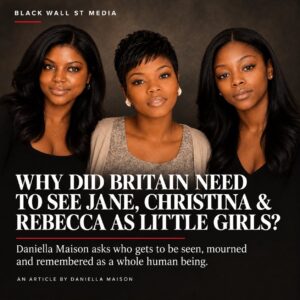 Why did Britain need to see Jane, Christina and Rebecca as little girls to recognise their humanity? In this powerful and thought-provoking article, Daniella Maison challenges us to confront how race, media representation and perceptions of Black womanhood shape whose pain we recognise and whose vulnerability we acknowledge. Their childhood photographs may move us, but they should never have been necessary for us to see their humanity. Read Daniella Maison’s compelling article and join the conversation. Why should Black women have to be seen as children to receive the tenderness and compassion they deserve?
 - The Jamaican Who Stood Beside Kenyatta
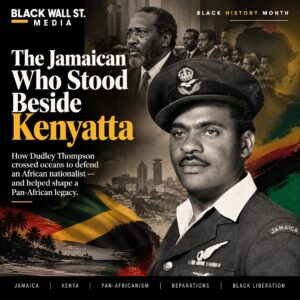 How did a boy from Kingston, Jamaica, become one of Britain’s most influential thinkers on race, culture and identity? This Black History Month, discover the story of Stuart Hall, the man who challenged Britain to question its history, its identity and who gets to define what it means to be British. Read his remarkable story and discover why his legacy still matters today.
 - Professor Folarin Shyllon Reclaiming Africa’s History
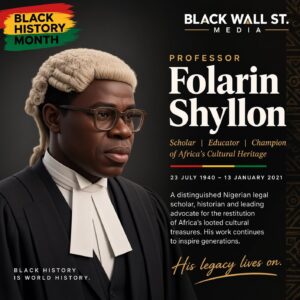 Black History Month: Professor Folarin Shyllon — Reclaiming Africa’s History From uncovering the forgotten history of Black people in Britain to championing the return of Africa’s looted cultural treasures, Professor Folarin Shyllon dedicated his life to truth, justice and reclaiming heritage. Discover the remarkable legacy of a pioneering Nigerian legal scholar who challenged historical erasure and championed Africa’s right to its own history. Because reclaiming our history is reclaiming our power. Read the full article with Black Wall St. Media. Black history is world history.
 - ALLISTER VICTOR BAIN: THE MAN, THE ARTIST AND THE HISTORY WE MUST NOT FORGET
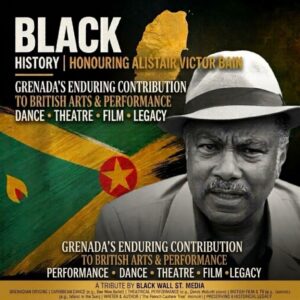 This Black History Month, Black Wall St. Media pays tribute to Allister Victor Bain, the Grenadian-born artist, storyteller and cultural pioneer whose creativity helped shape Caribbean and Black British cultural life. Through the heartfelt memories of his friends, colleagues and family, we celebrate not only his remarkable contribution to the arts, but the man behind the legacy. His story is a powerful reminder that our pioneers deserve more than to be remembered after they are gone, their lives, work and history must be preserved for generations to come. Read the tribute. Discover his legacy. Help keep his story alive.
 - When Your Achievements Are Treated as a Question
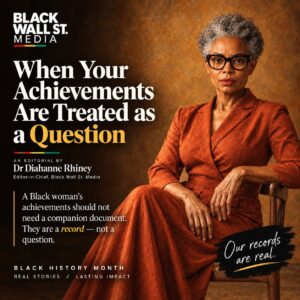 When a Black Woman Has to Prove Her Worth What happens when decades of achievement are met with doubt, and a Black woman finds herself having to justify not just her work, but her right to be in the room? This powerful and deeply personal reflection explores race, credibility, the emotional cost of constant scrutiny, and why being told to “let it go” is not always enough. This Black History Month, it is time to look beyond celebration and confront the realities Black women continue to face in the workplace.

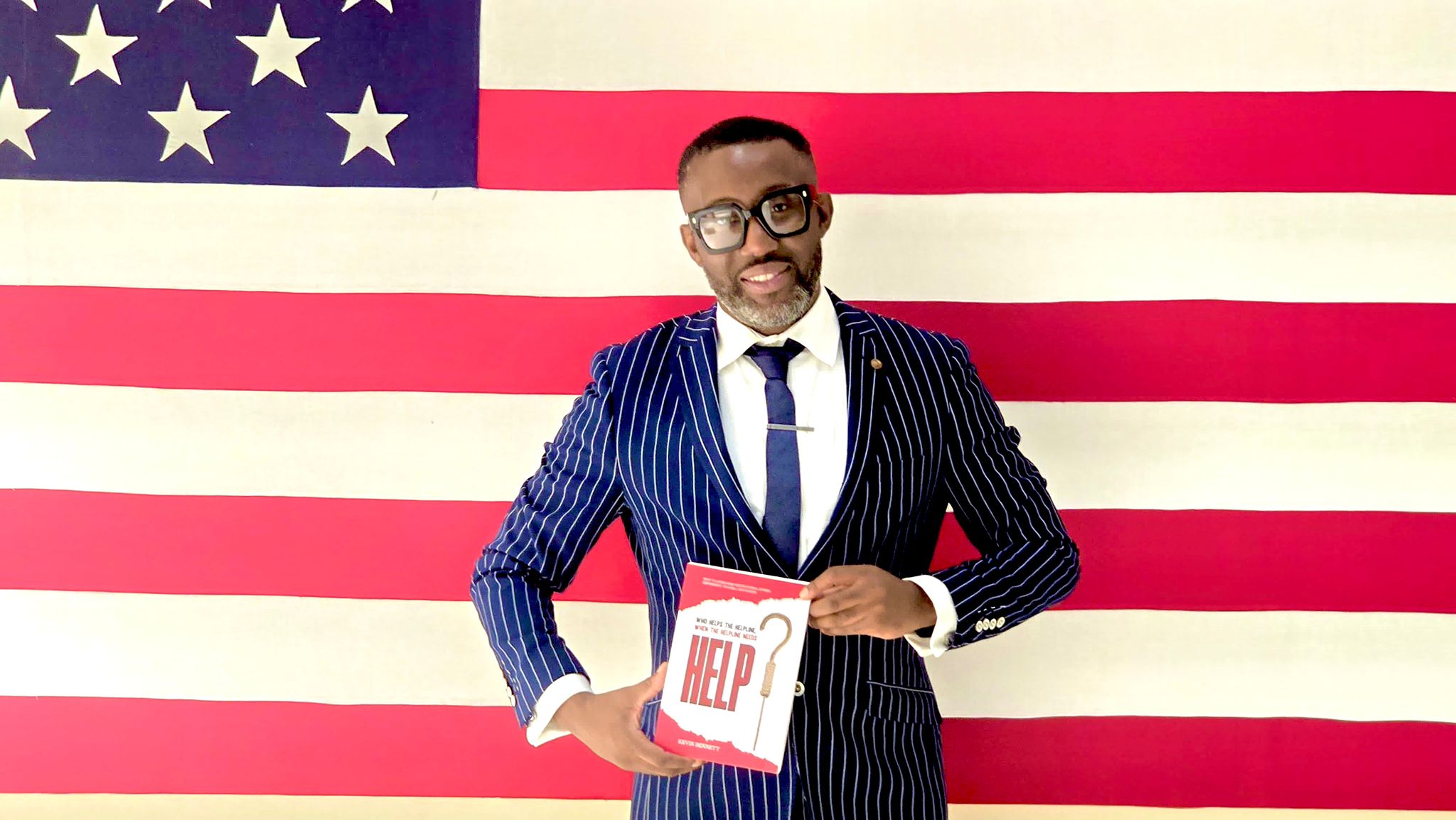
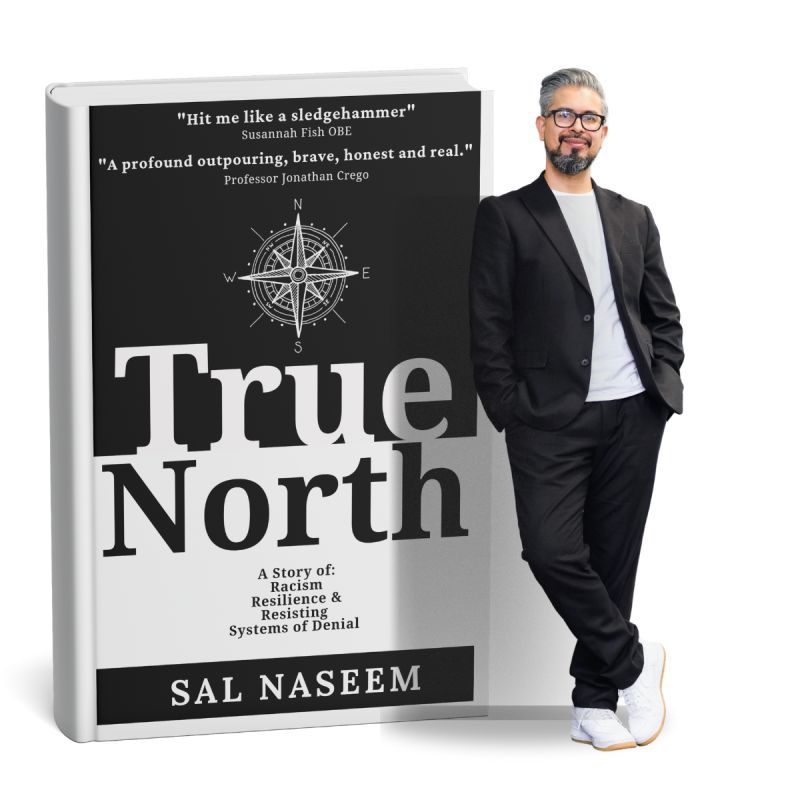












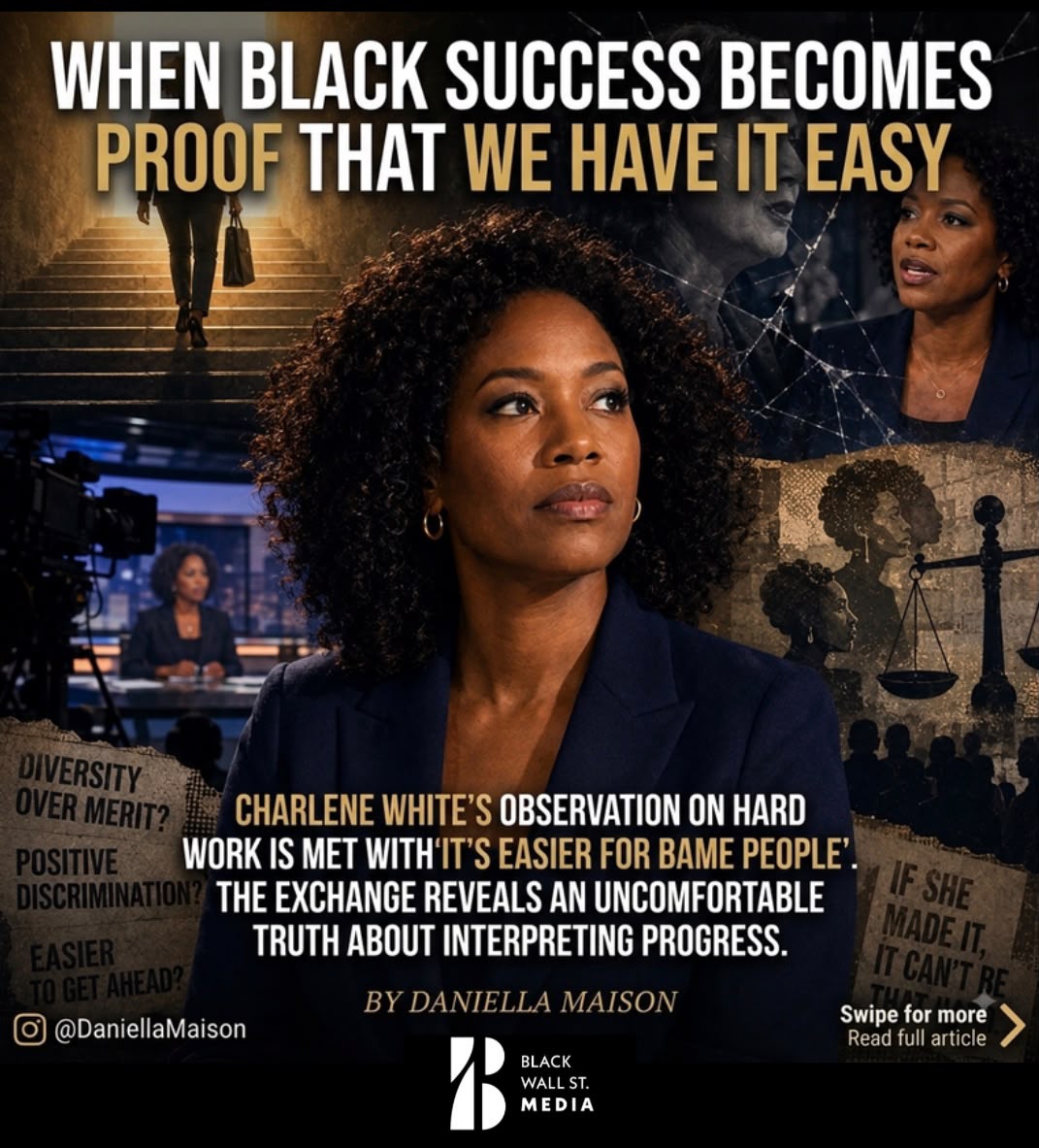
When Black Success Becomes Proof That We Have It Easy
Read More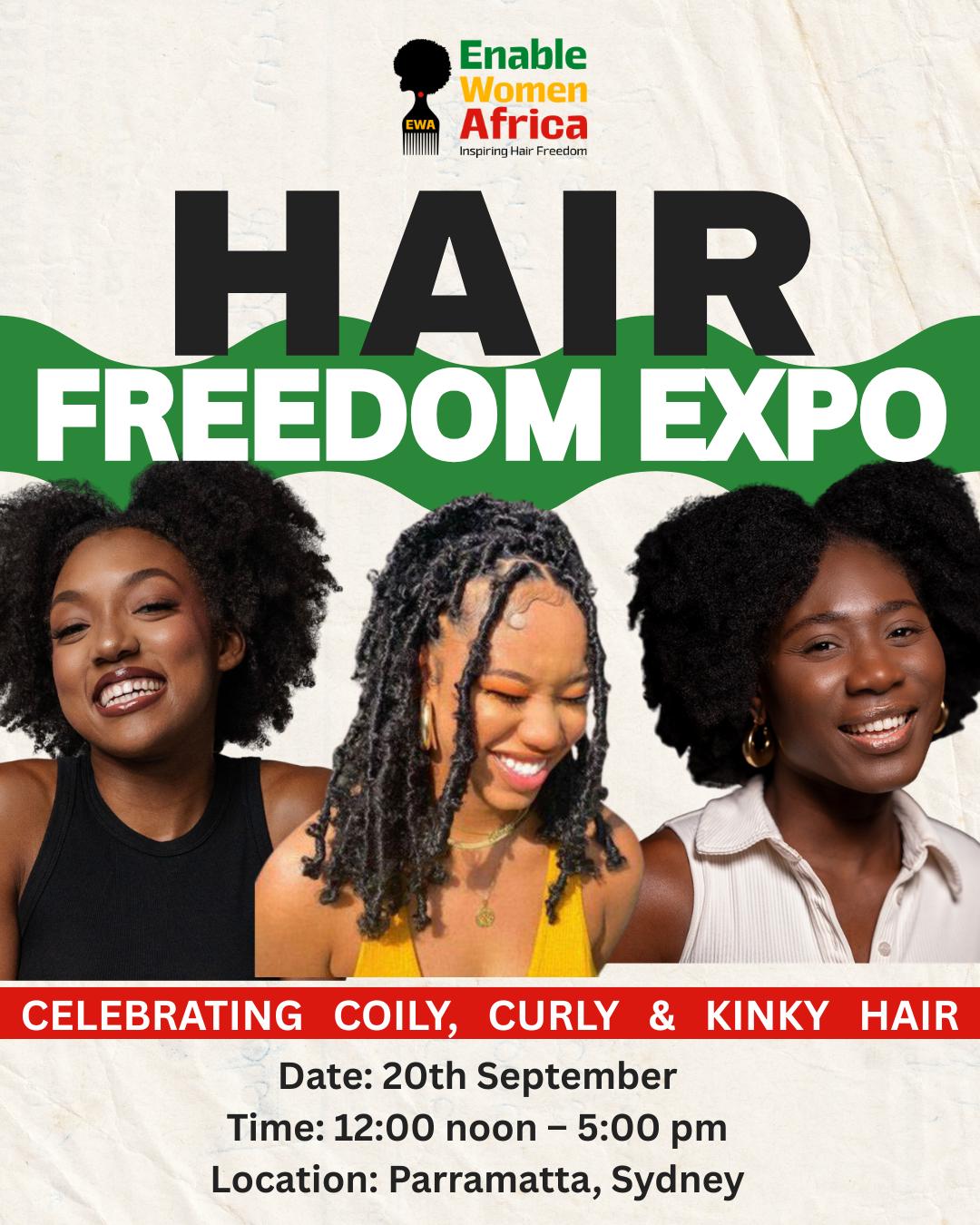
Hair Freedom EXPO 2026
Read More
100 Black Women Campaign
Read More
Black Parenting: Discipline as Protection
Read More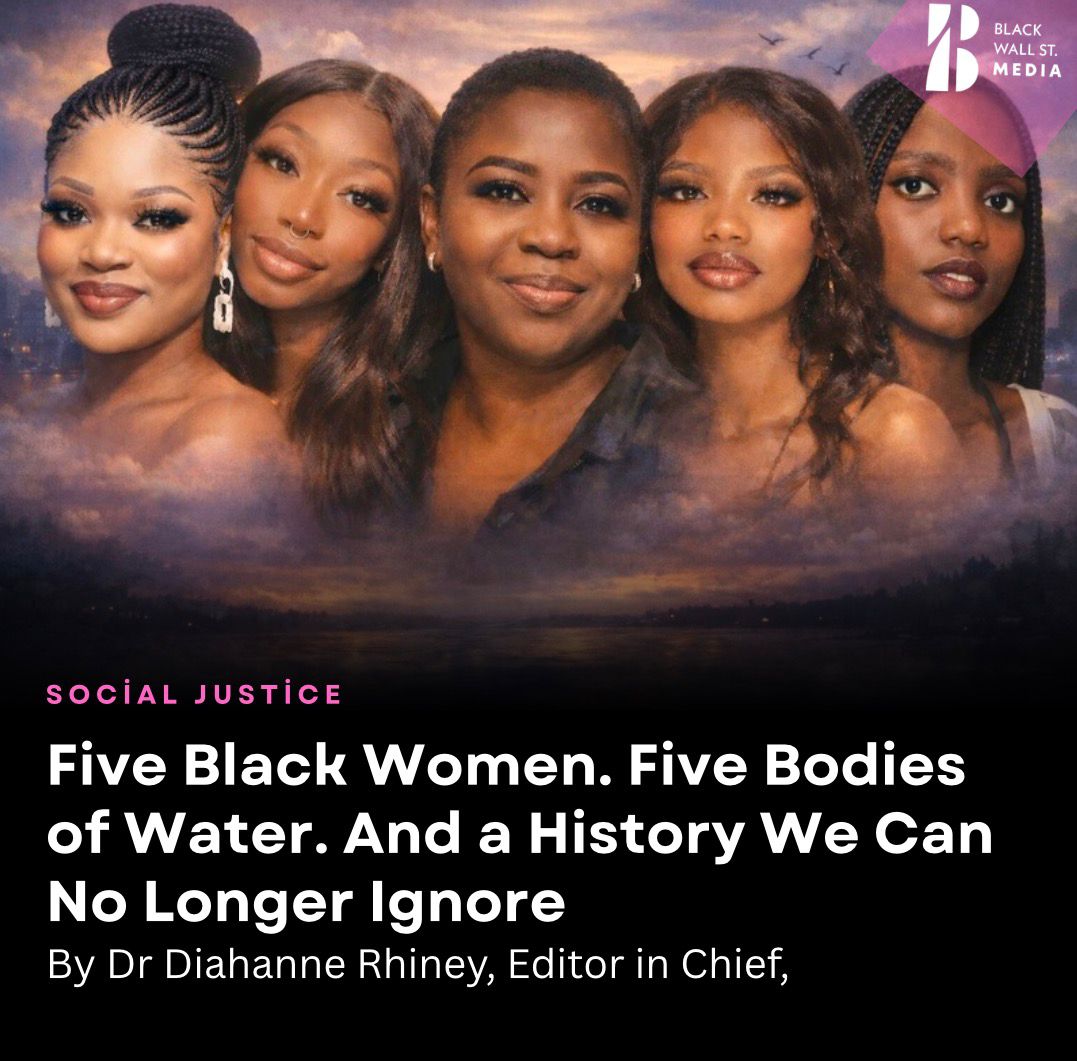
Five Black Women. Five Bodies of Water. And a History We Can No Longer Ignore
Read More
International Women’s Day: The Diaspora Women Who Carry the World on Their Shoulders
Read More

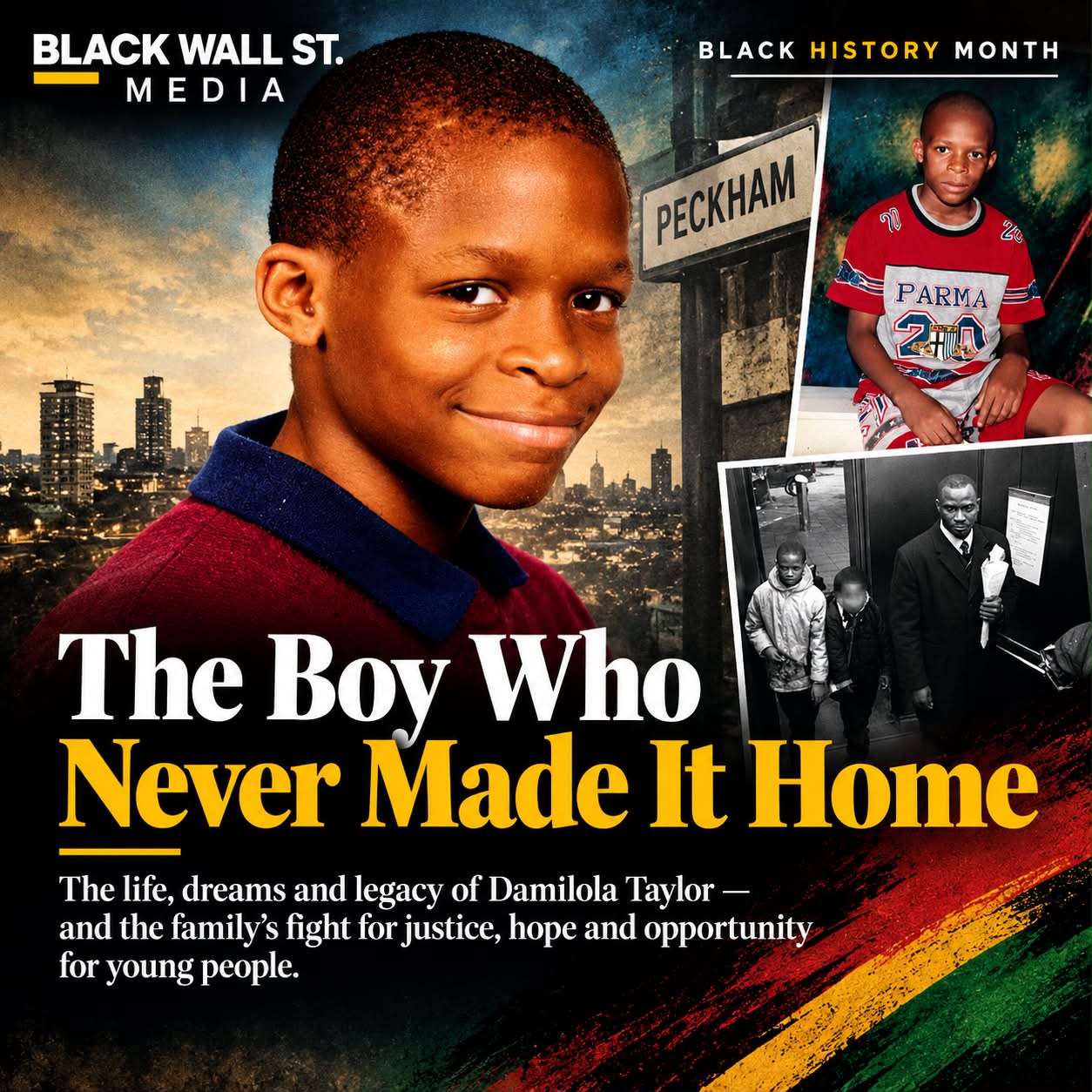
Damilola Taylor: The Boy Who Never Made It Home
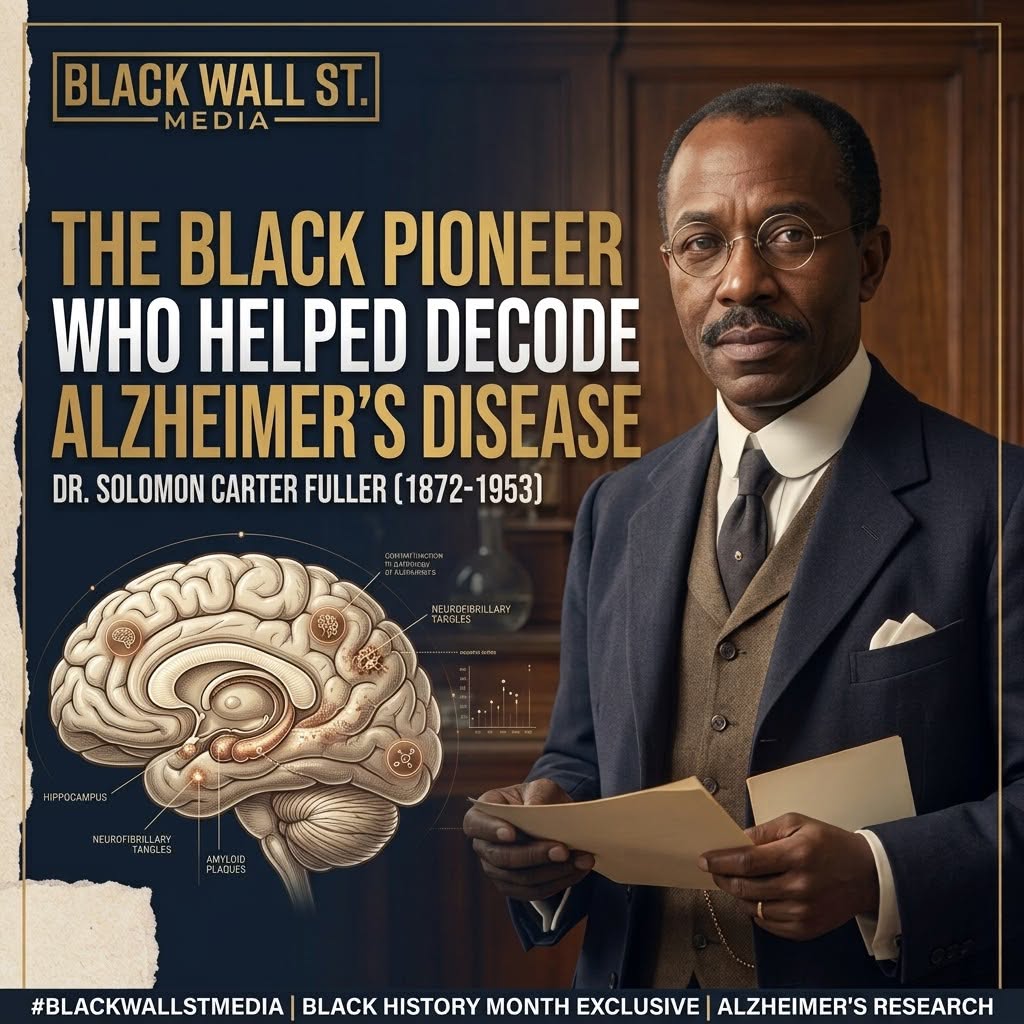
Alzheimer’s the Black doctor who helped decode the disease

The Voice of the Child, Young Person and; Service User
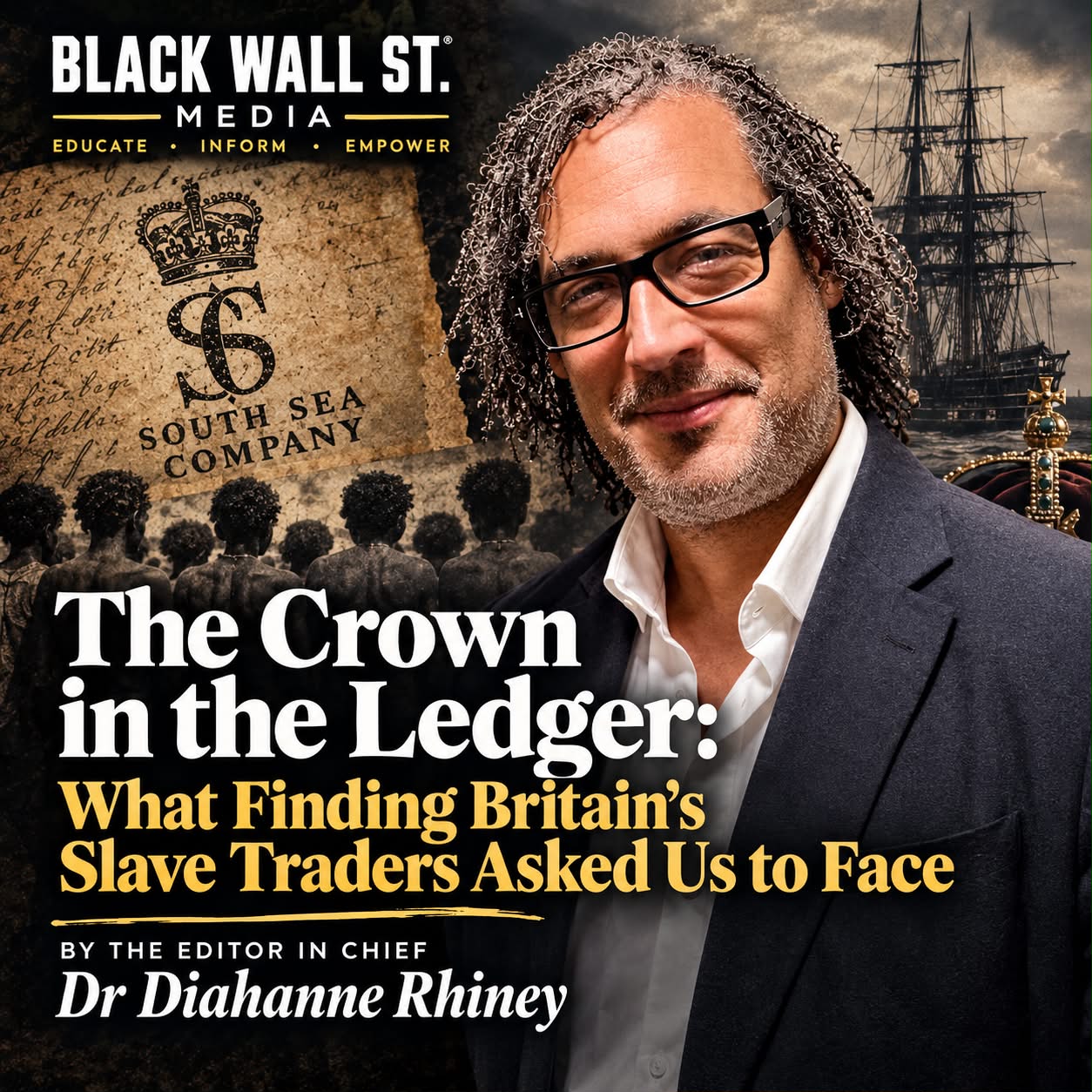
The Crown in the Ledger: What Finding Britain’s Slave Traders Asked Us to Face
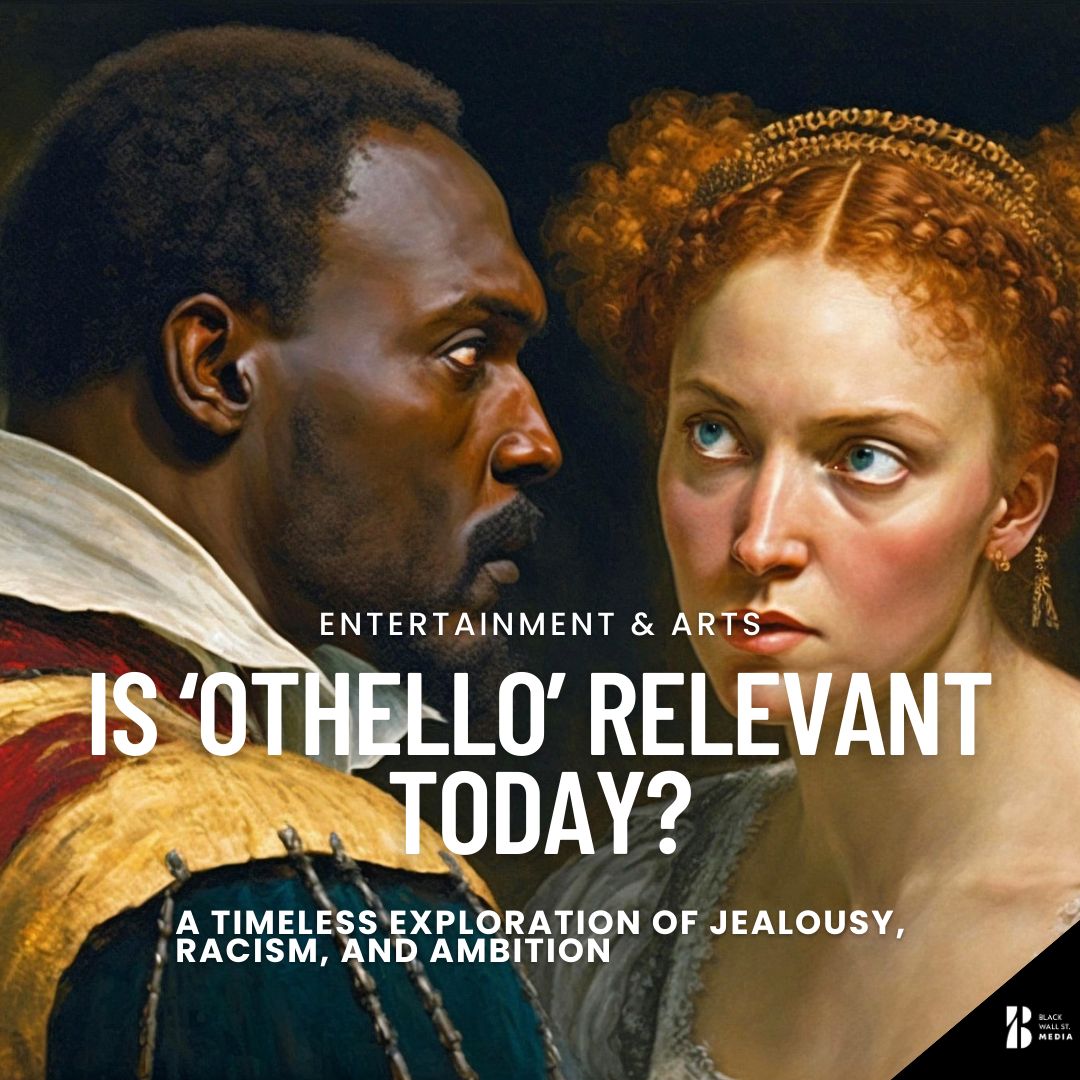
Is ‘Othello’ relevant today?
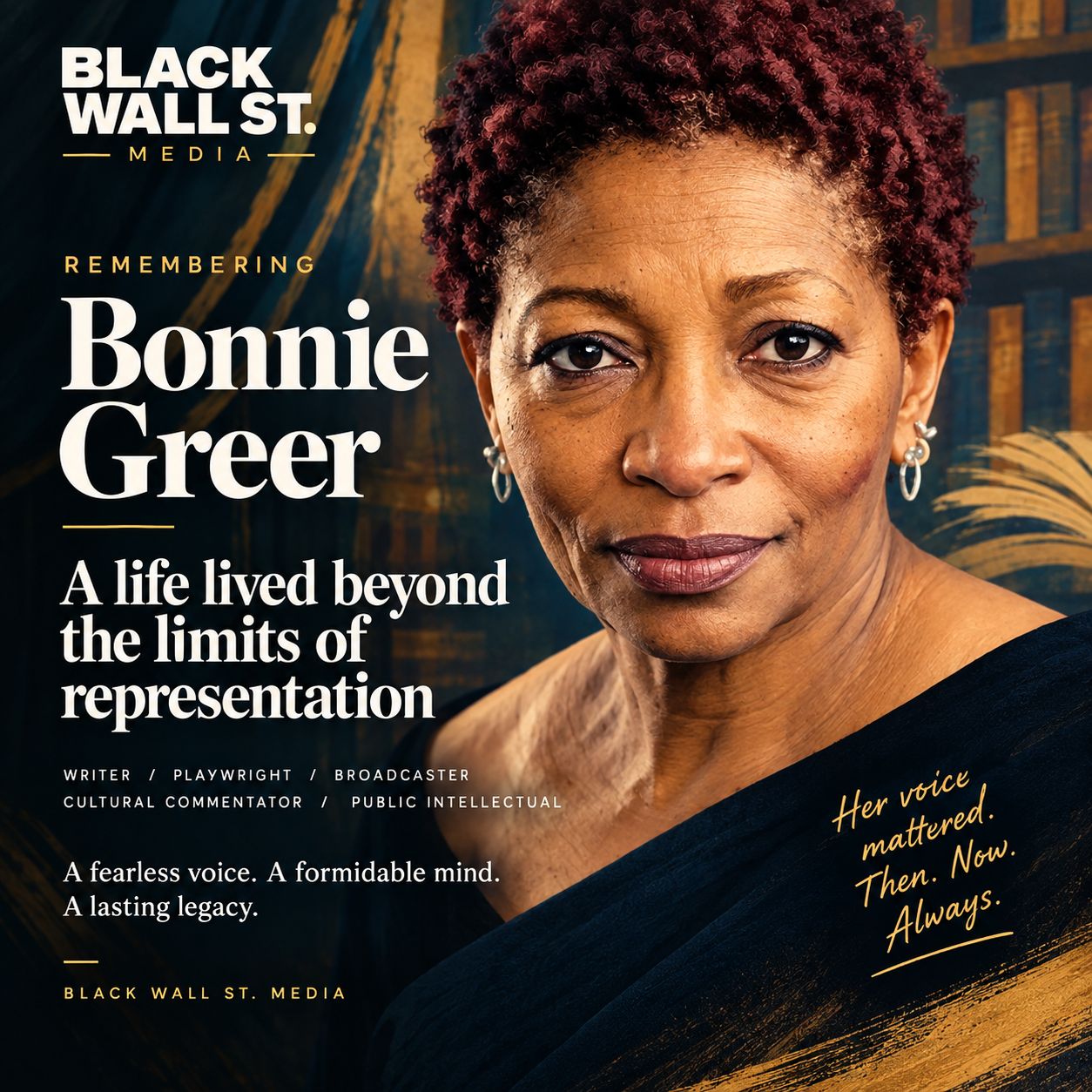
A life lived beyond the limits of representation

INSANE ENERGY INCOMING!
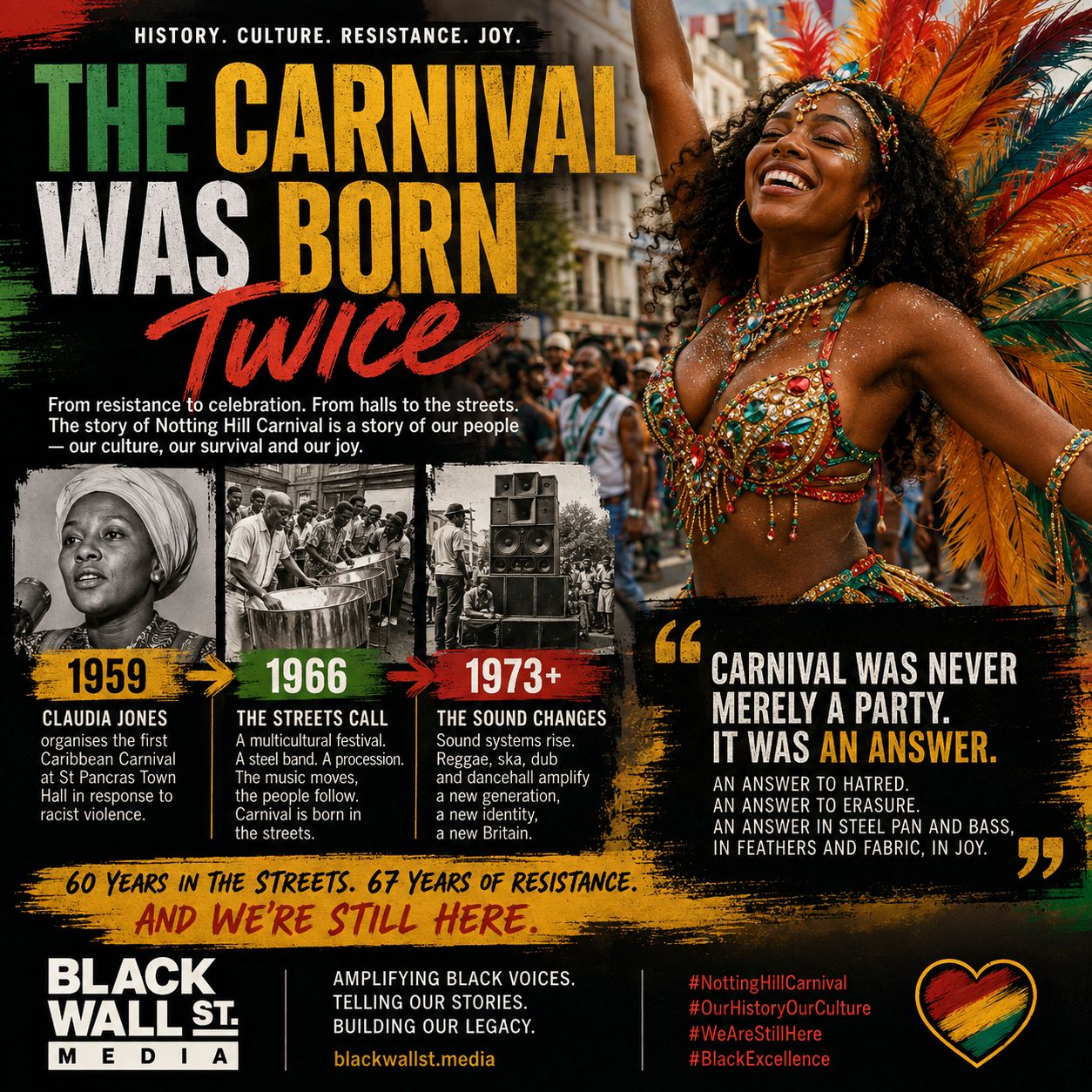
The Carnival Was Born Twice
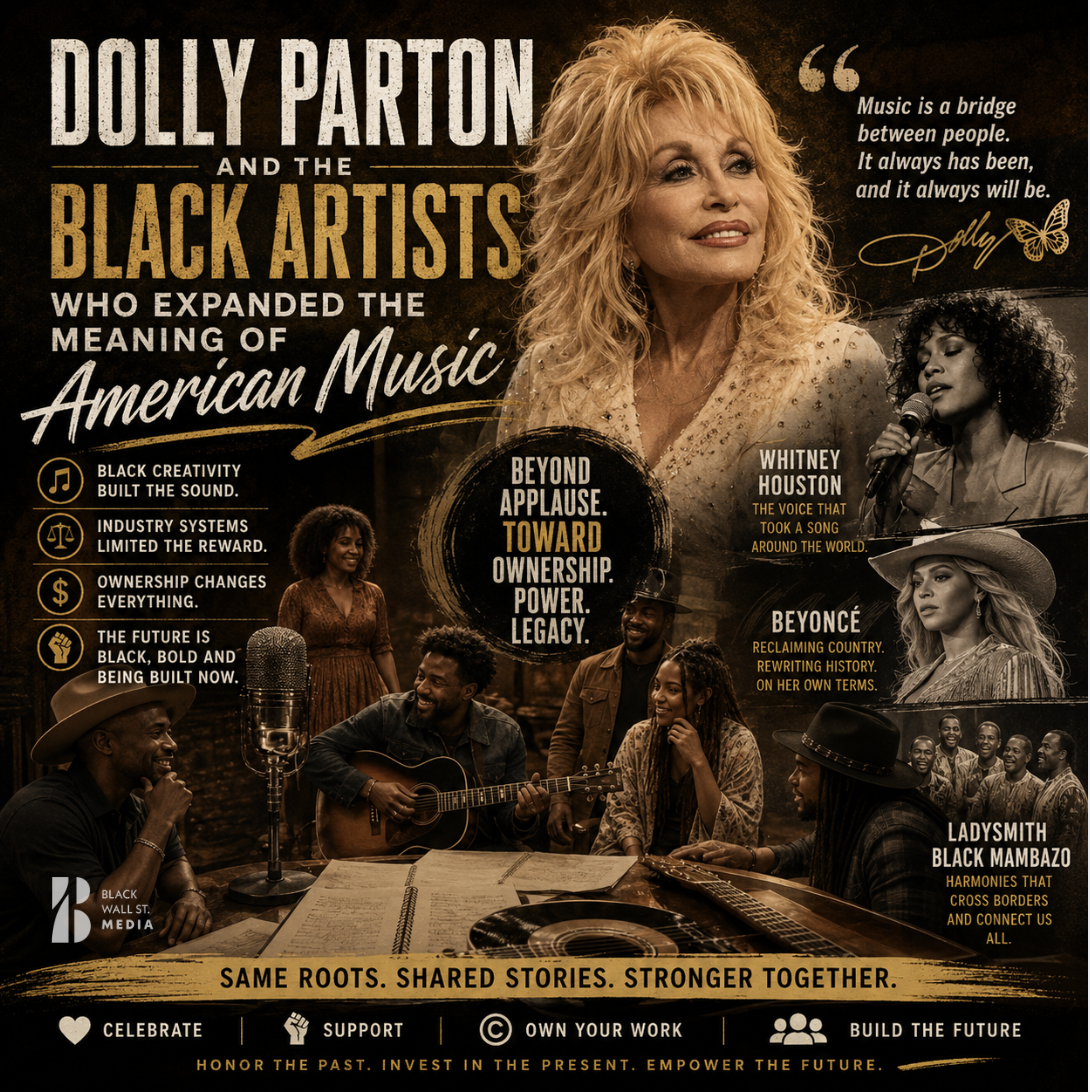
Dolly Parton and the Black Artists Who Expanded the Meaning of American Music