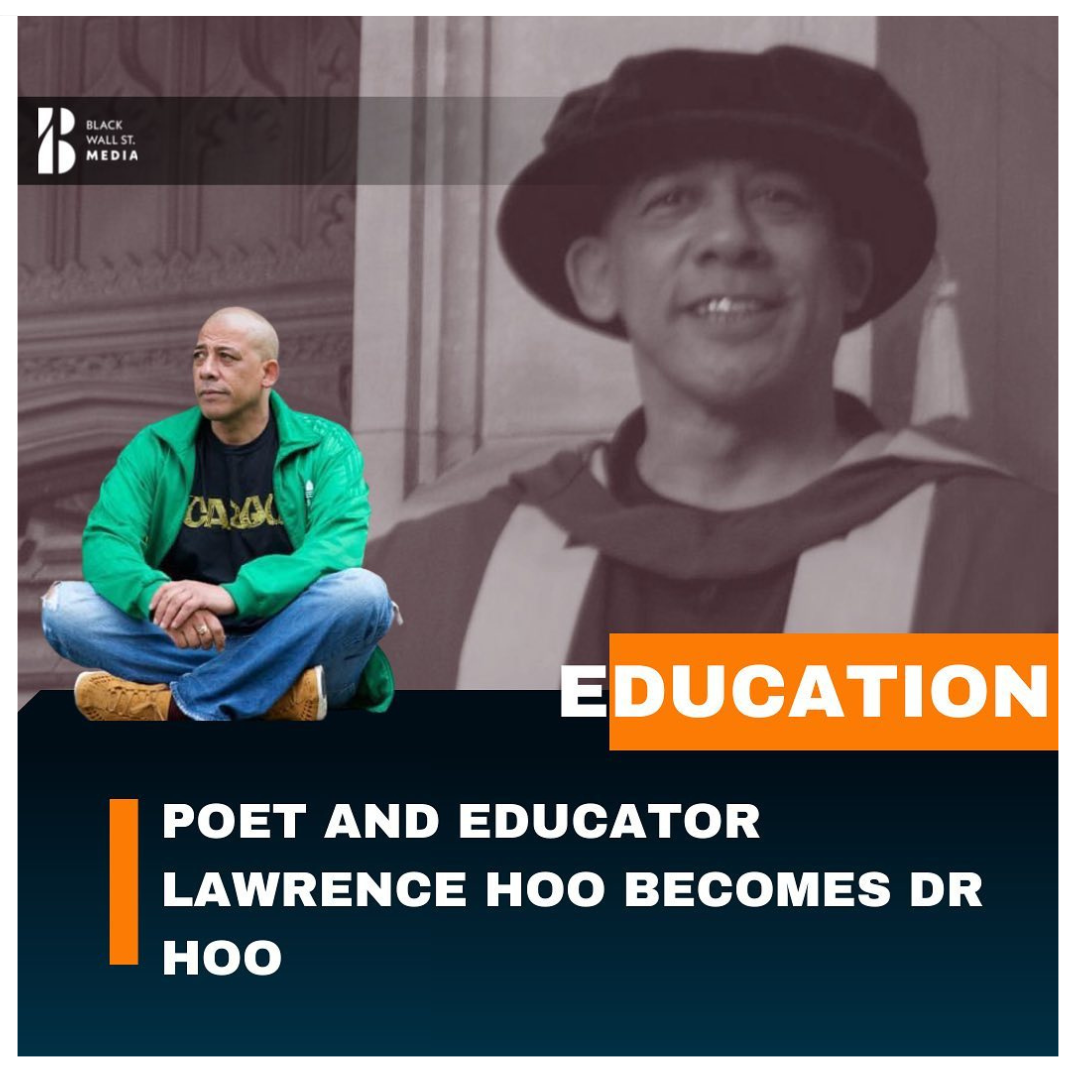
By BETTY WOOLERTON Poet and educator Lawrence Hoo has received an honorary degree from the University of Bristol – officially making him Dr Hoo. He was awarded the Doctor of Letters degree in recognition of…
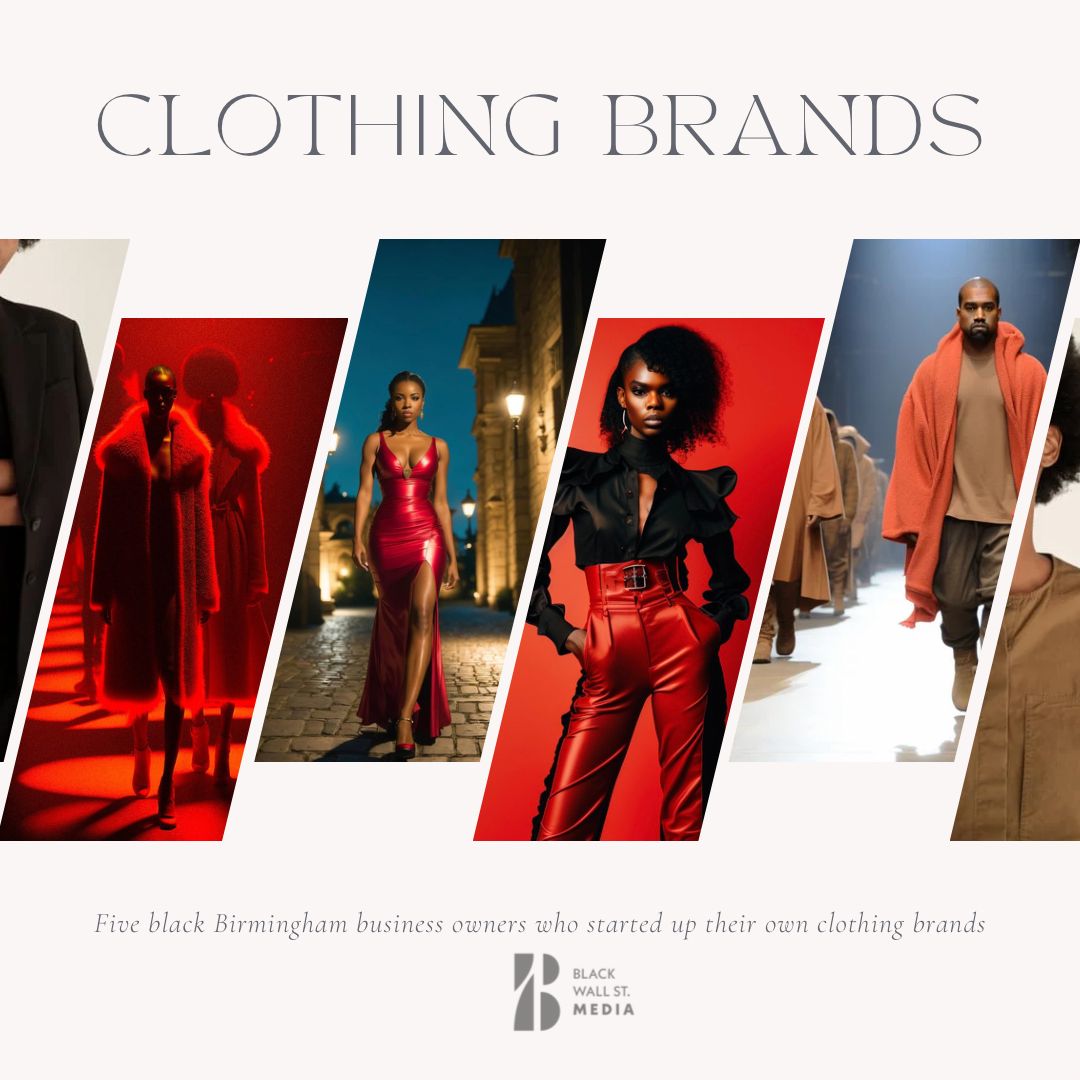
By Khrista Davis We went to visit some of Birmingham's black-owned clothing brands We went to visit some of the black-owned clothing brand businesses in Birmingham for Black History Month. The…
When taking an organizational behavior seminar in graduate school, Angelica Leigh came across several studies that found when it came to negotiations, men fared better than women and white negotiators outperformed Black negotiators.
Diahanne Rhiney Chief in Editor We’ve come to the end of Black History Month, and I’ll be the first to tell you that I didn’t celebrate this month the way…
By Peter A Walker The company is looking to expand after launching its first crowdfunding campaign, which aims to raise £300,000 The co-founder of a rum distillery has criticised the…
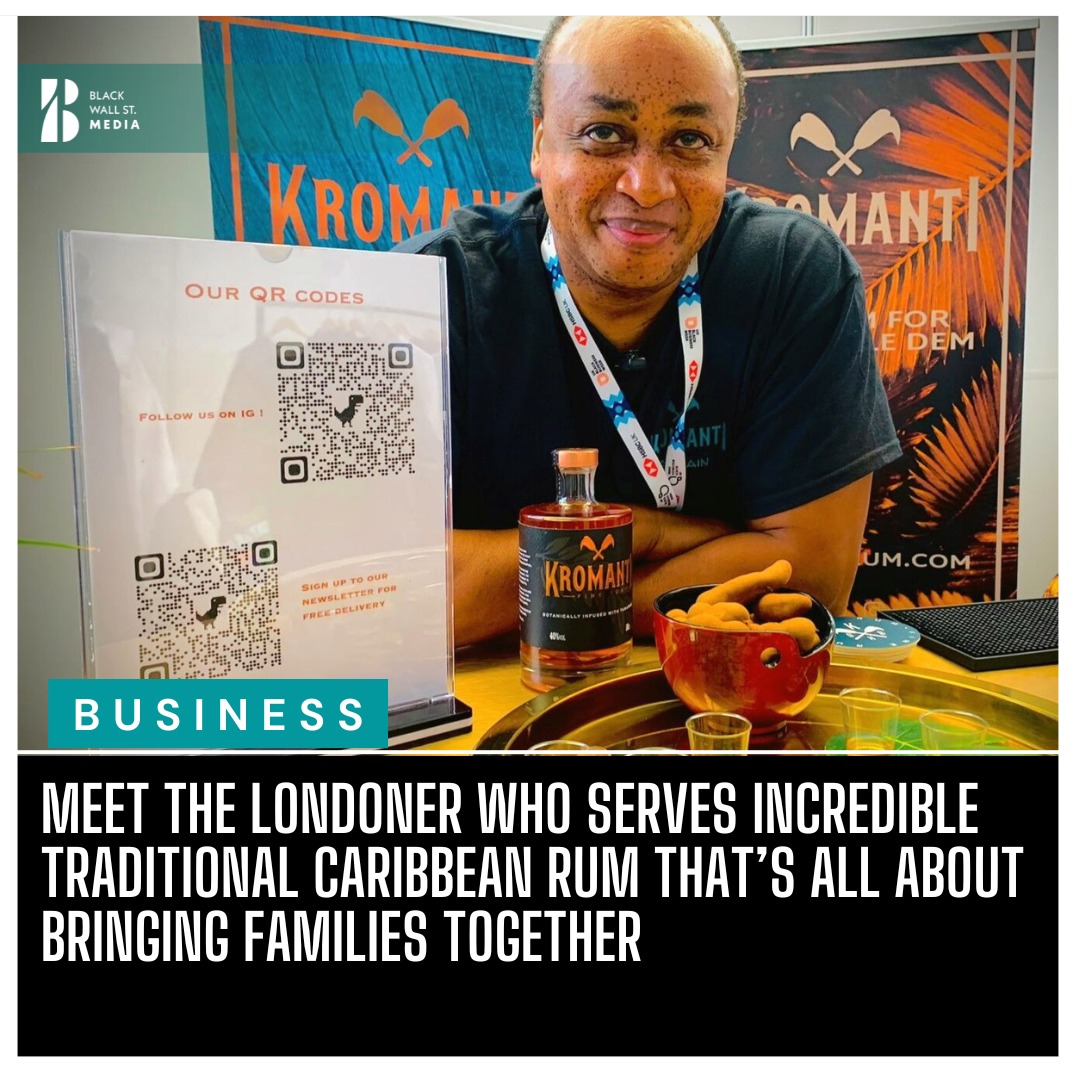
"Double rum and Coke please," is a phrase heard in every London bar and pub every night of the week. The rich, spicy, treacly and sometimes fruity spirit is a…
Diahanne Rhiney Chief in Editor I love the diversity of news geographically, ethnically, and culturally. Having diversity and inclusion will always promote the balance of opinions, and views in any…
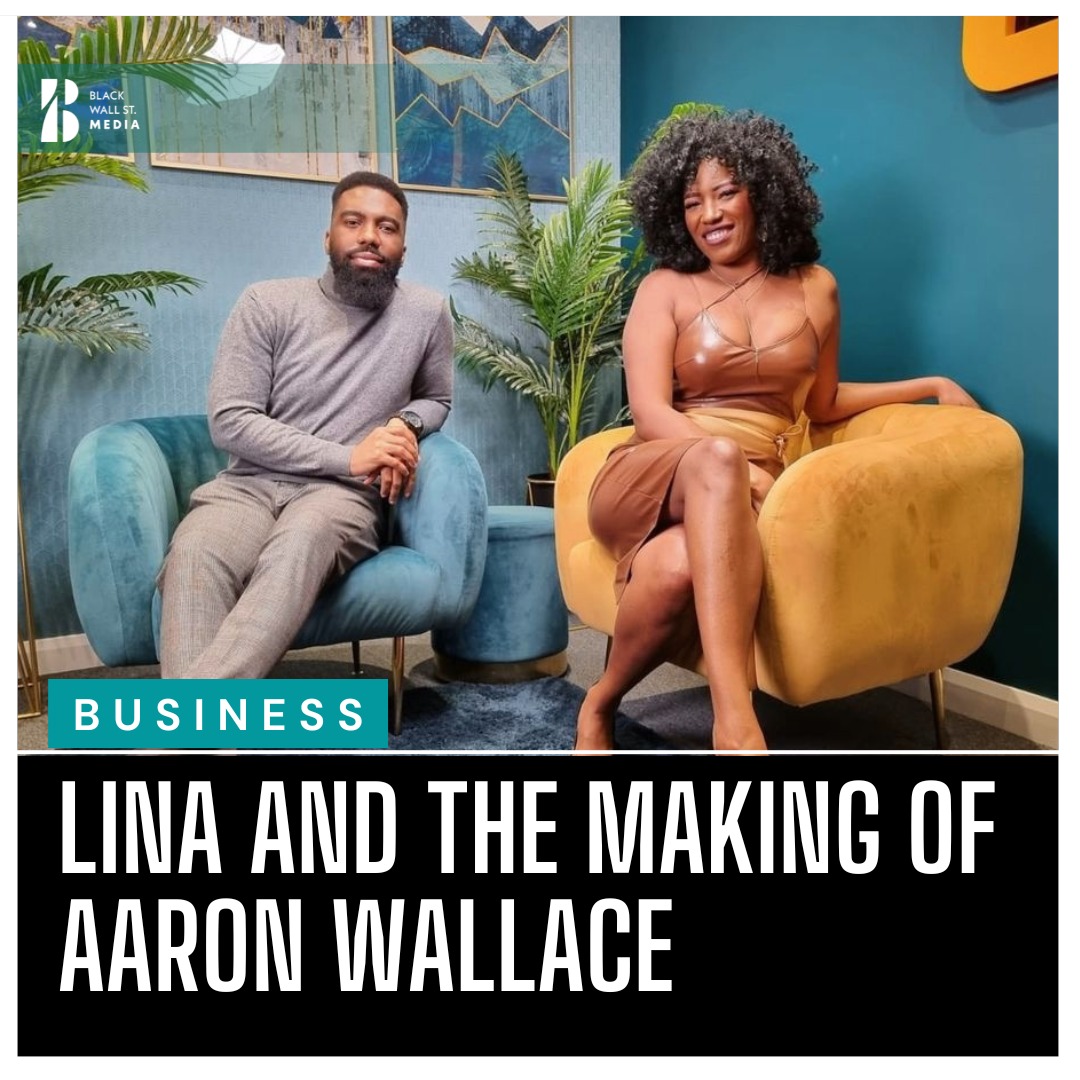
Glowing Skin Lina is the co-founder and the marketing director of the fast-growing men’s grooming brand for black men, Aaron Wallace. The brand is fast on its way to becoming a…
Few figures have had a greater impact on British publishing than Margaret Busby. As the UK's first Black woman publisher and a lifelong champion of diverse voices, her influence has shaped generations of writers and readers. In this review, John Stevenson explores Part of the Story, Busby's remarkable new collection of essays, reviews, speeches and reflections, which chronicles more than fifty years of literary and cultural history while illuminating the legacy of one of publishing's most important pioneers.
Hair Freedom EXPO 2026 is more than an event—it is a movement. Bringing together industry leaders, educators, advocates, and multicultural communities in Sydney, this landmark gathering will challenge hair discrimination, celebrate textured hair, and champion the right of women and girls to embrace their natural identity with confidence. Through powerful conversations, practical education, and inspiring personal stories, Hair Freedom EXPO is set to redefine inclusion, representation, and hair freedom in Australia.
Barnaby Phillips’s The African Kingdom of Gold: Britain and the Asante Treasure is a timely exploration of empire, cultural loss, and restitution. Combining meticulous research with compelling storytelling, Phillips traces the looting of Asante treasures and examines how their legacy continues to shape debates about historical justice today.
As the world celebrates International Doubles Day, London's favourite Caribbean beach bar is serving up a delicious reason to visit. This weekend, LIMIN Southbank is offering buy-one-get-one-free doubles, giving guests the chance to enjoy Trinidad & Tobago's iconic street food while soaking up riverside views, vibrant soca music, live entertainment and authentic Caribbean hospitality. With sunshine, rum punch and carnival vibes on the menu, it's set to be a celebration to remember.
Travel has the power to bring people together, but when combined with music, it can create something truly unforgettable. In this heartfelt review, travel editor Sarah Tetteh explores how a stay with Daish's Holidays at the Abbey Lawn Hotel became far more than just a family getaway. From live entertainment and inclusive hospitality to cherished moments shared across generations, the trip highlighted the importance of accessible travel and the joy of making memories together, especially for families with diverse and additional needs.