

Mental Health & Wellbeing
Unseen, Unheard, Unwell: The Cost of Not Believing
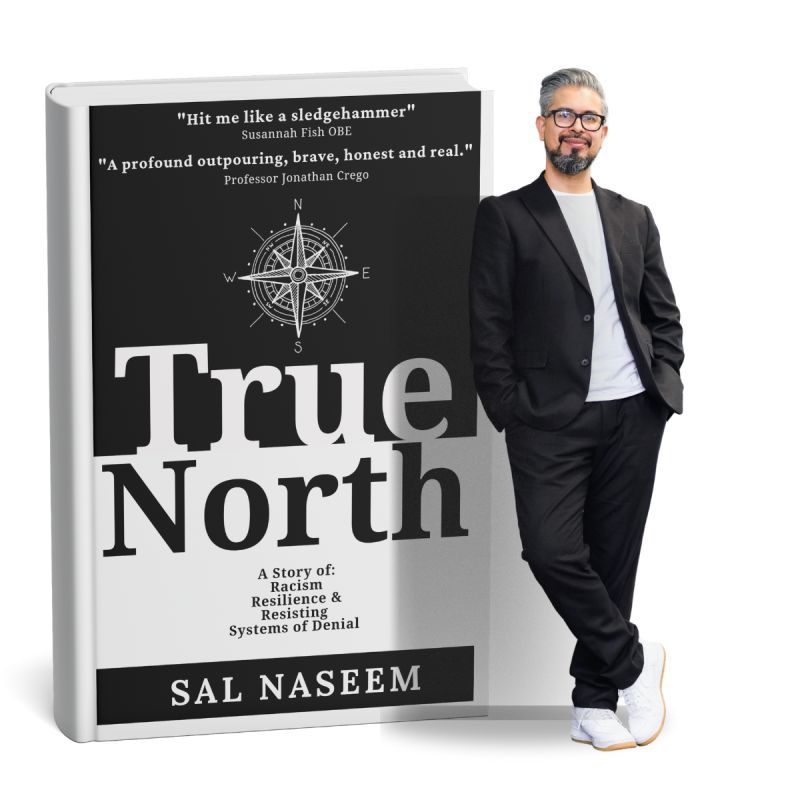
“Racism doesn’t just hurt feelings — it impacts health. This #StressAwarenessMonth, we explore how lifelong exposure to racism and systemic stress contributes to real health disparities in Black and minority communities. It’s time to connect the dots between inequality and illness.”
BWSMContributor







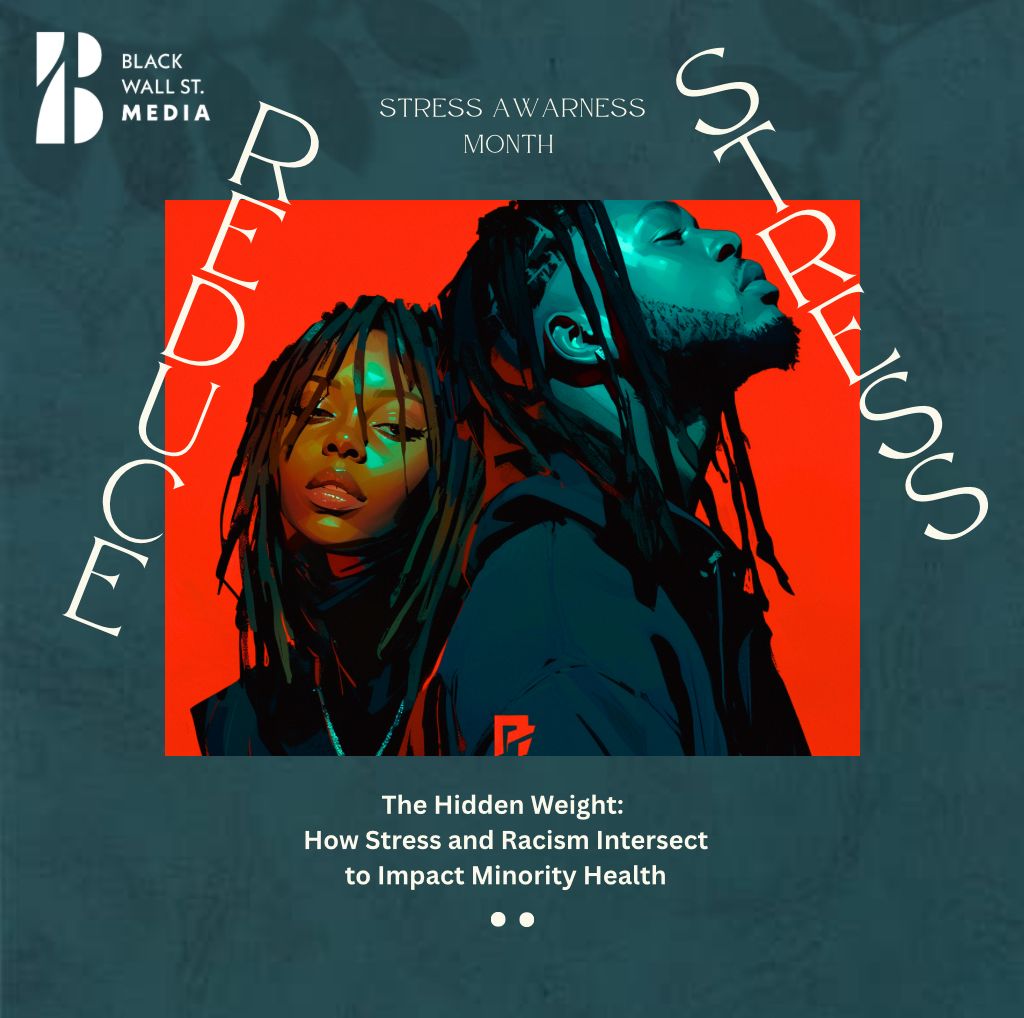
The Hidden Weight: How Stress and Racism Intersect to Impact Minority Health
April marks Stress Awareness Month, a time to reflect on the silent burdens many carry—especially those shaped by lived experiences of inequality. While conversations around stress often focus on workplace burnout or personal life challenges, it is vital that we also shine a light on the chronic, systemic stress experienced by racial and ethnic minority groups, and how this has serious, long-term effects on health.
Racism: A Chronic Stressor
One widely supported explanation for the disparities in health outcomes among racial and ethnic minority communities is the cumulative impact of stress—especially the kind that stems from racism, discrimination, and socio-economic disadvantage. The hypothesis rests on three key ideas:
Stress directly impacts physical and mental health.
Minority groups experience greater and more frequent stress than white populations.
This greater exposure to stress explains a large part of the health disparities observed.
Stress isn’t just a fleeting emotional reaction—it triggers real biological changes. Prolonged stress increases the risk of heart disease, hypertension, diabetes, and premature death. This is well-documented in studies ranging from caregiving strain to occupational stress. But when stress is chronic, pervasive, and rooted in systemic inequality—like racism—the toll it takes is even deeper.
Racial Stress in the Workplace
The workplace should be a place of growth and opportunity, yet for many people of colour, it is also a space of microaggressions, underrepresentation, unequal pay, and scrutiny. These daily experiences add up. When workers are expected to perform while silently managing the emotional labour of racism, it becomes a form of coercive control—unacknowledged, but deeply felt.
One of the most alarming issues is what happens when people of colour speak out. When even statistics supporting racism in the workplace are questioned or diminished, the credibility of victims is undermined. This invalidation becomes a second layer of stress, compounding the psychological harm and further distancing those affected from justice or healing.
Belief and Bias
Interestingly, society is often more willing to believe white victims of domestic violence or sexual assault than people of colour who report experiences of racism. This discrepancy is rooted in societal bias—where certain experiences are seen as more “real,” more deserving of empathy. This disbelief has a chilling effect: it silences, isolates, and harms.
We must ask—how can we teach police officers, educators, and employers to challenge their own biases, when even facilitators of training on race are unable to recognise or confront their own? If leaders and gatekeepers can’t put their biases aside, the systems they shape will continue to reproduce harm.
A Call for Research—and Responsibility
We urgently need more research into how lifetime exposure to stress and racism affects long-term health—particularly in older adults, who have endured decades of injustice, from Windrush to workplace discrimination. But beyond research, we need responsibility.
It starts with believing people when they speak about racism. It means recognising that racism itself is a chronic stressor that deserves as much concern as any other form of trauma. And it demands that we dismantle the structures that keep marginalised communities in a constant state of psychological vigilance.
Healing as Resistance
While justice may be slow, inner healing and reclaiming power can begin now. Whether through therapy, community care, or programmes like peace education, finding ways to support mental wellbeing in racialised communities is an act of resistance. It equips people not just to survive stress—but to challenge the systems that cause it.
This Stress Awareness Month, let’s expand the conversation to include those living under the weight of racism—and commit to lightening that load.










- Alzheimer’s the Black doctor who helped decode the disease
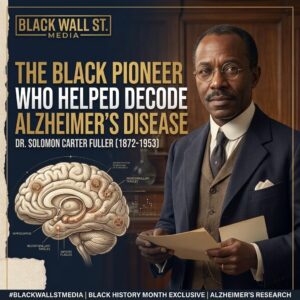 🧠✨ Celebrating an Unsung Hero! Dive into the captivating journey of Dr. Solomon Fuller, a pioneer in Alzheimer's research and a standout figure in Black history. From his roots in Liberia to groundbreaking discoveries, discover the legacy of a medical trailblazer who defied adversity. 🌟
 - The Voice of the Child, Young Person and; Service User
 Whose voices are we really hearing? And what happens when we truly listen? The 3rd DARDR/DVA & Criminal Justice Summit 2026 will bring together professionals, practitioners, community organisations, academics and people with lived experience to place children, young people and service users at the heart of the conversation. Under the theme “The Voice of the Child, Young Person & Service User,” this year’s Summit will explore domestic abuse, violence, safeguarding, exploitation, trauma and criminal justice — but most importantly, how listening can move beyond consultation and become meaningful action. 📅 Friday 27 November 2026 📍 Brent Civic Centre, Wembley 💻 Hybrid Event | CPD Accredited Read more about the Summit, the conversations it will explore and how to book your place.
 - The Crown in the Ledger: What Finding Britain’s Slave Traders Asked Us to Face
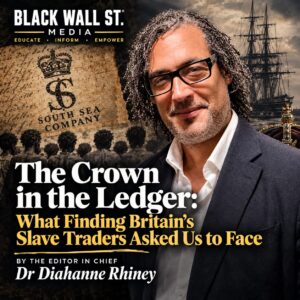 What happens when Britain’s history is no longer told through monuments, wealth and institutions, but through the ledger behind them? Finding Britain’s Slave Traders with David Olusoga brings names, companies, royal connections and fortunes into focus, forcing us to confront how deeply the transatlantic slave trade was embedded in British society. In “The Crown in the Ledger,” we explore what these records reveal about wealth, power, responsibility and the legacy that remains today. Read the full article and ask yourself: who owns what, who benefited, and what does honest accounting look like?
 - Is ‘Othello’ relevant today?
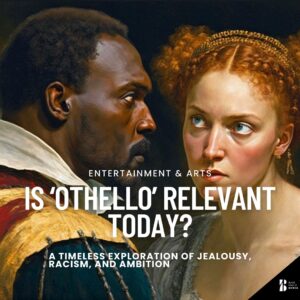 Othello: A Timeless Exploration of Jealousy, Racism, and Ambition
 - A life lived beyond the limits of representation
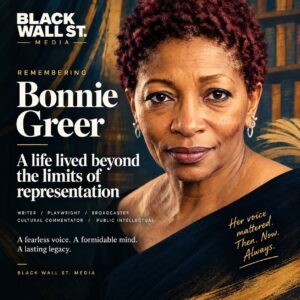 Bonnie Greer was never simply a writer, playwright or broadcaster. She was a cultural force who refused to be confined by the expectations placed on Black women in public life. From Chicago to Britain, from theatre and literature to television and institutional leadership, she built a life defined by intellect, independence and an unapologetic right to occupy space. As Britain remembers her following her death at 77, this article looks beyond the achievements and asks what her life represented: the power of cultural authority, the importance of institutional access, and the freedom to be fully human rather than simply inspirational.














INSANE ENERGY INCOMING!
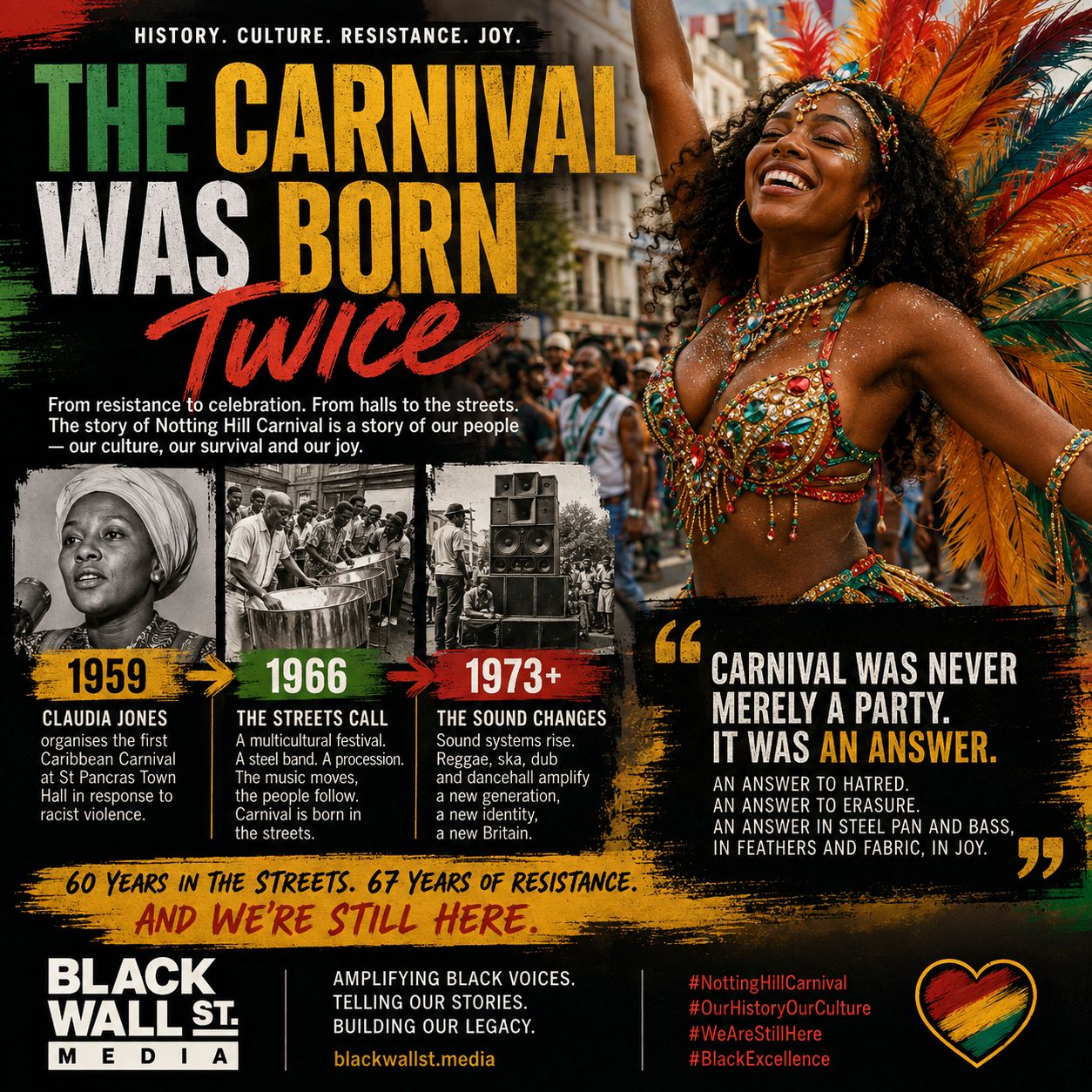
The Carnival Was Born Twice
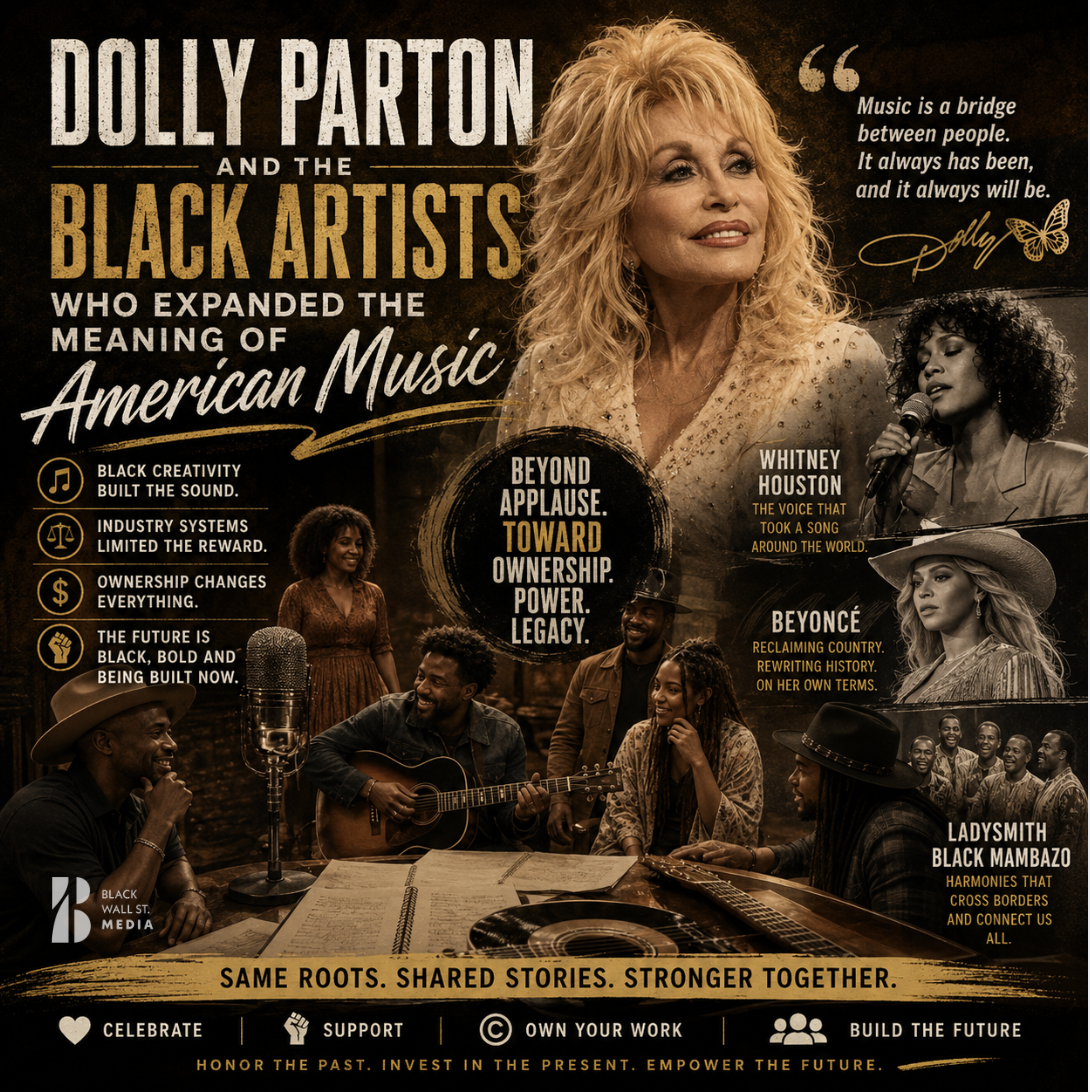
Dolly Parton and the Black Artists Who Expanded the Meaning of American Music
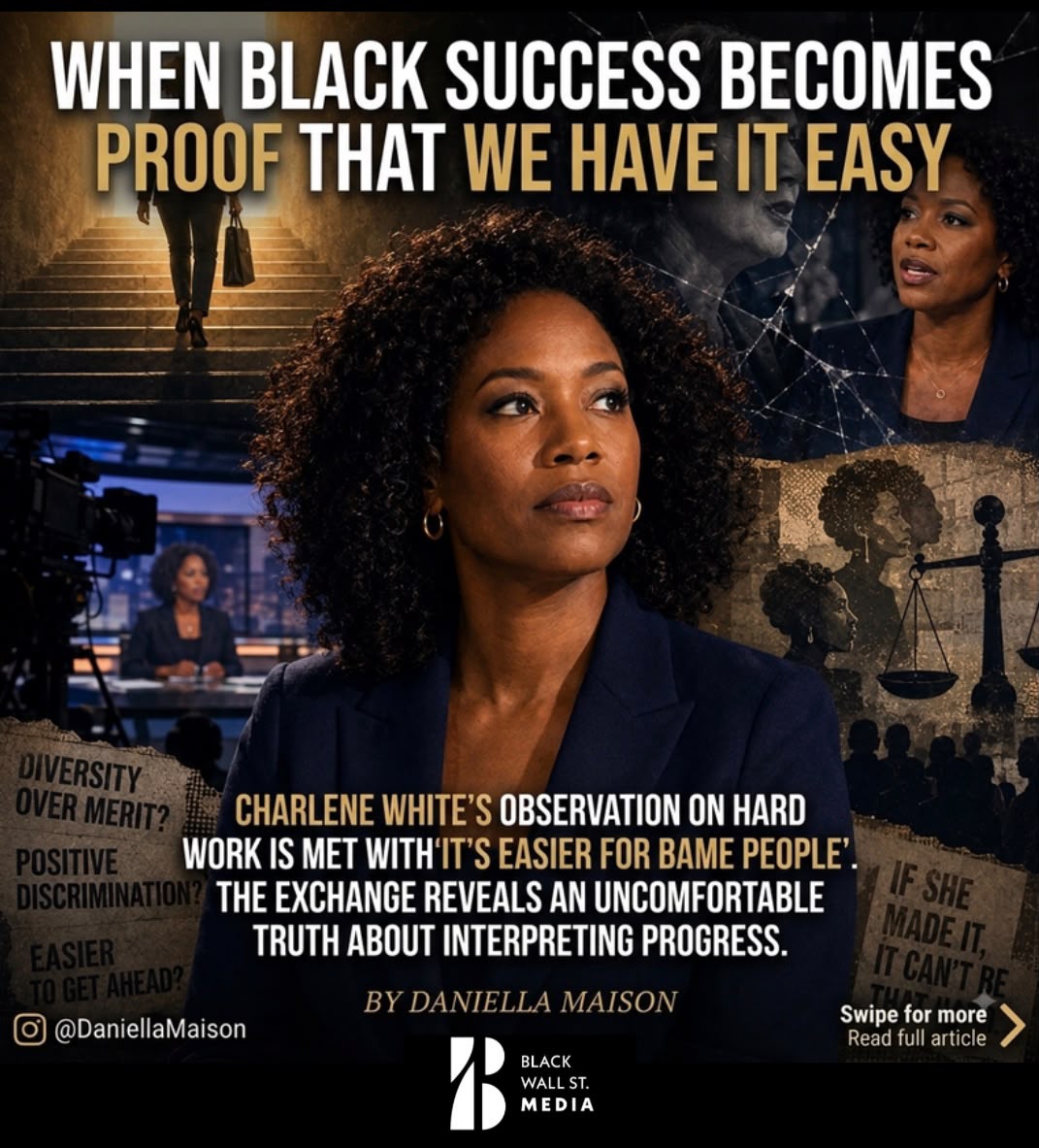
When Black Success Becomes Proof That We Have It Easy
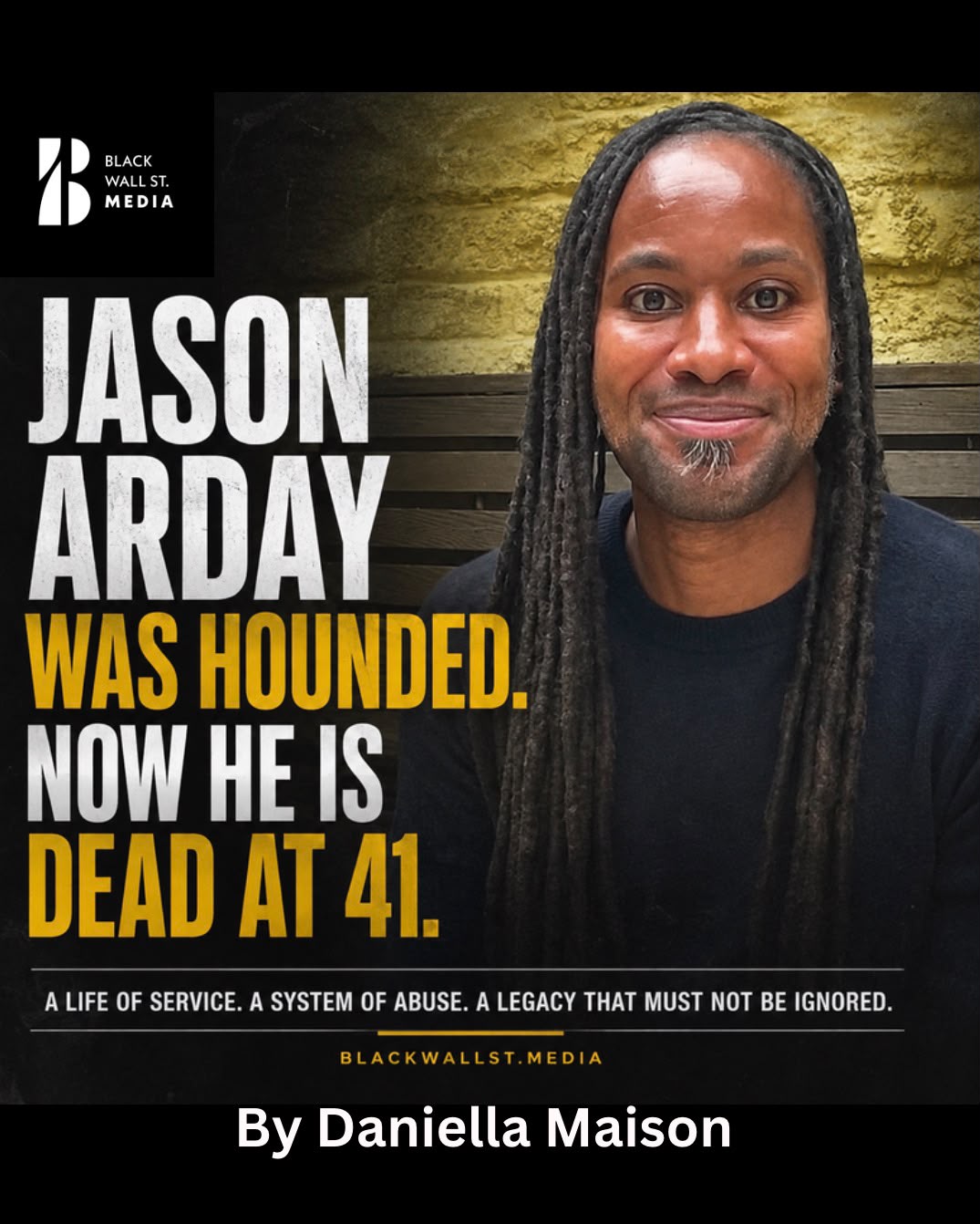
Jason Arday Was Hounded. Now He Is Dead at 41
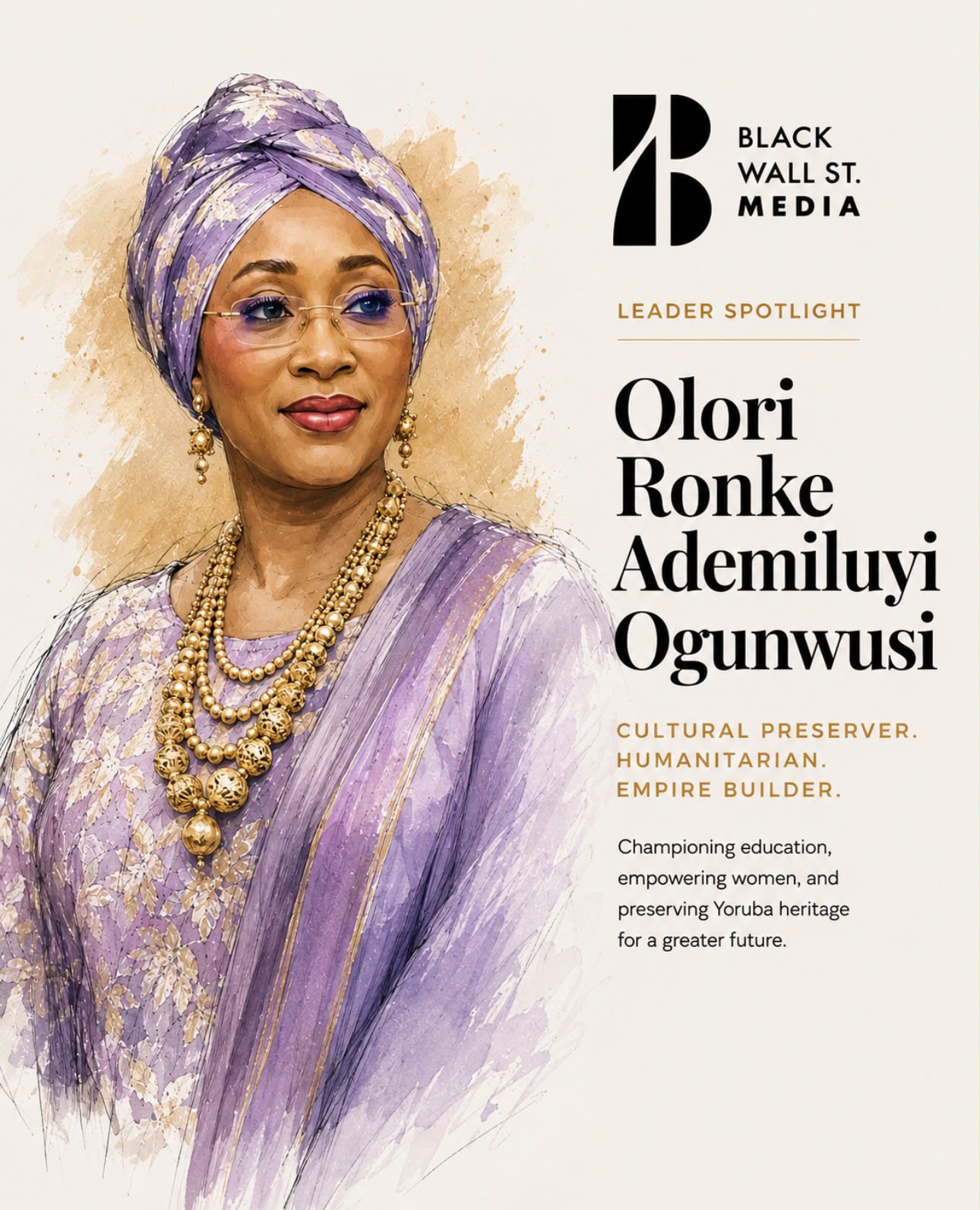
Beyond the Catwalk: How Olori Ronke Ademiluyi Ogunwusi Built an Economic Engine for African Fashion

African Fashion Week London Returns: Where Heritage Meets the Future of Fashion
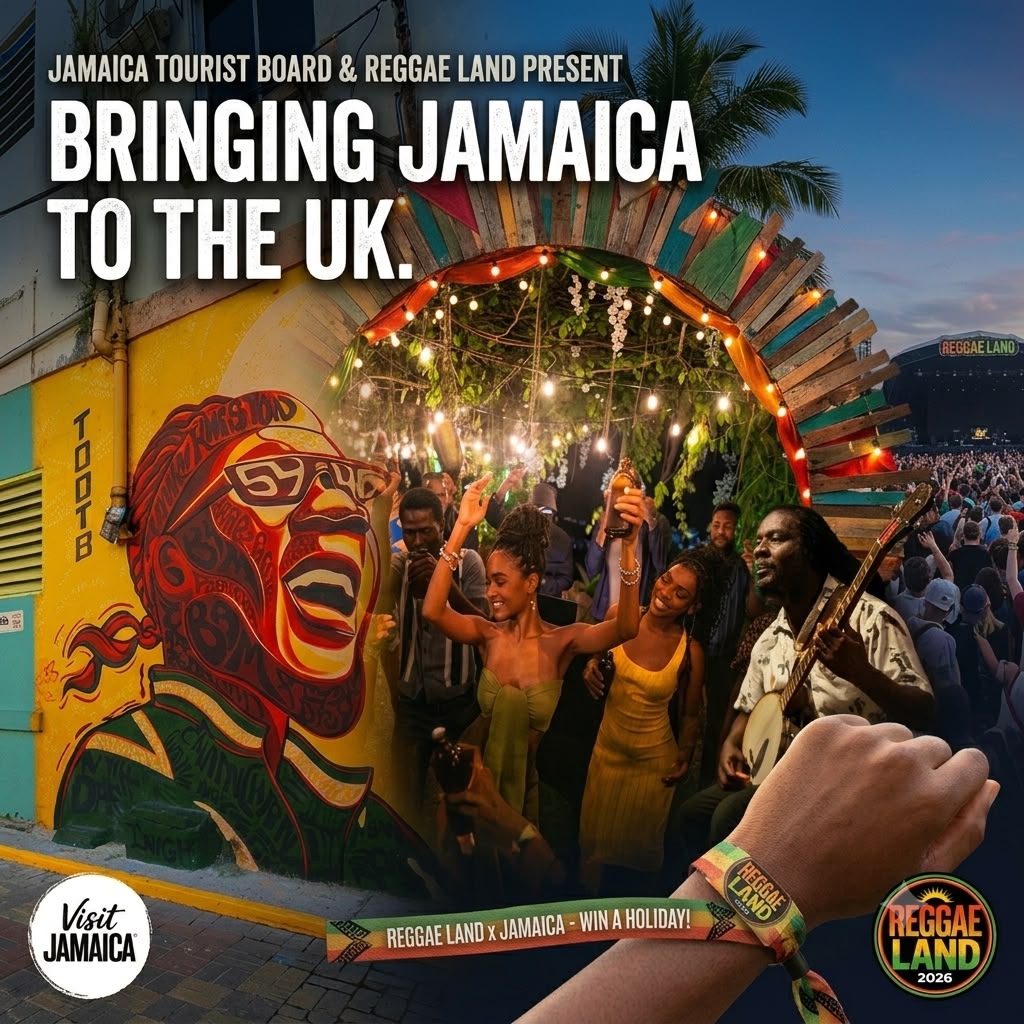
Jamaica Tourist Board Partners with Reggae Land Bringing Jamaica to the UK’s Biggest Reggae Festival
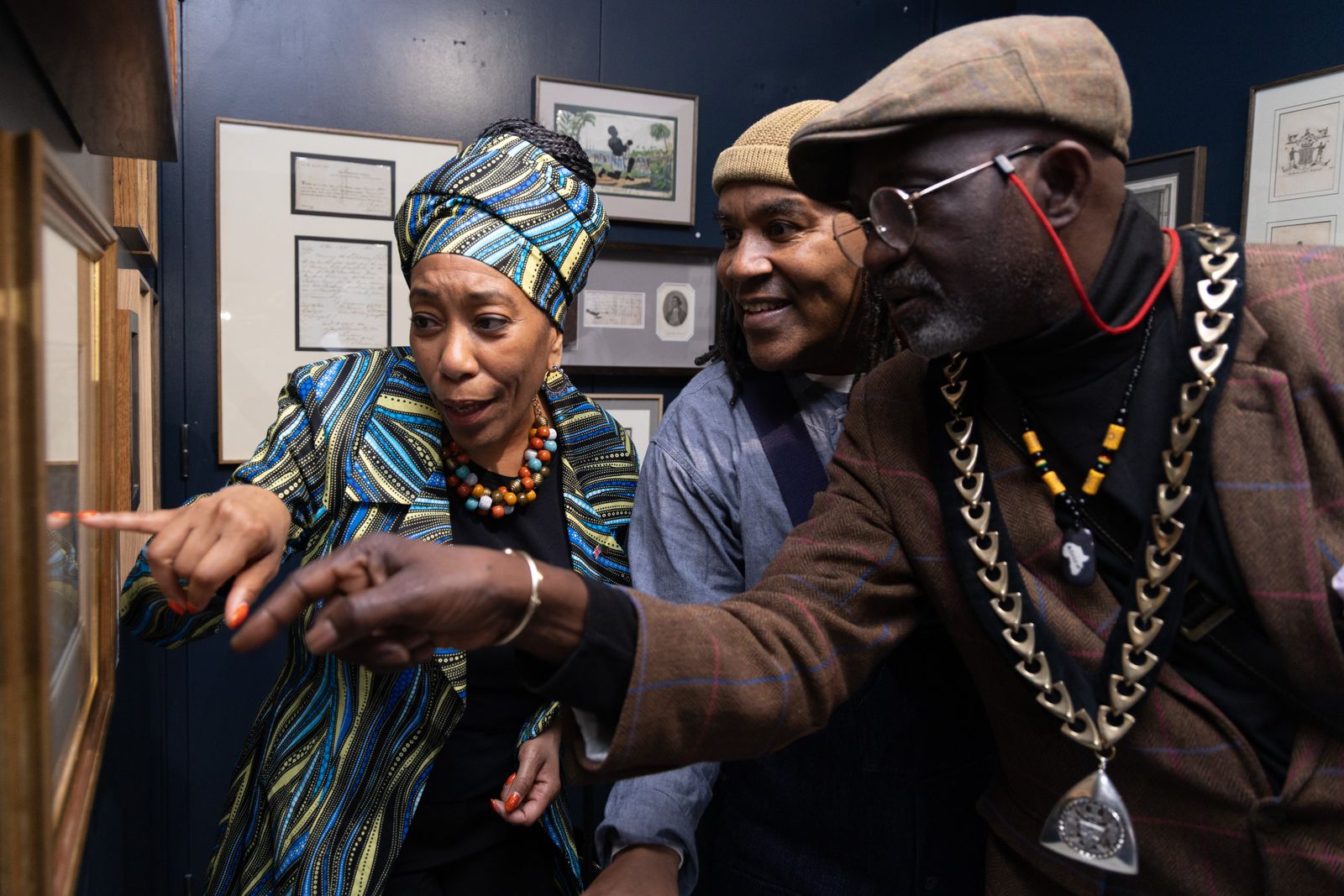
The Africa Centre’s 60th Anniversary Exhibition: a landmark celebration of history, presence and legacy