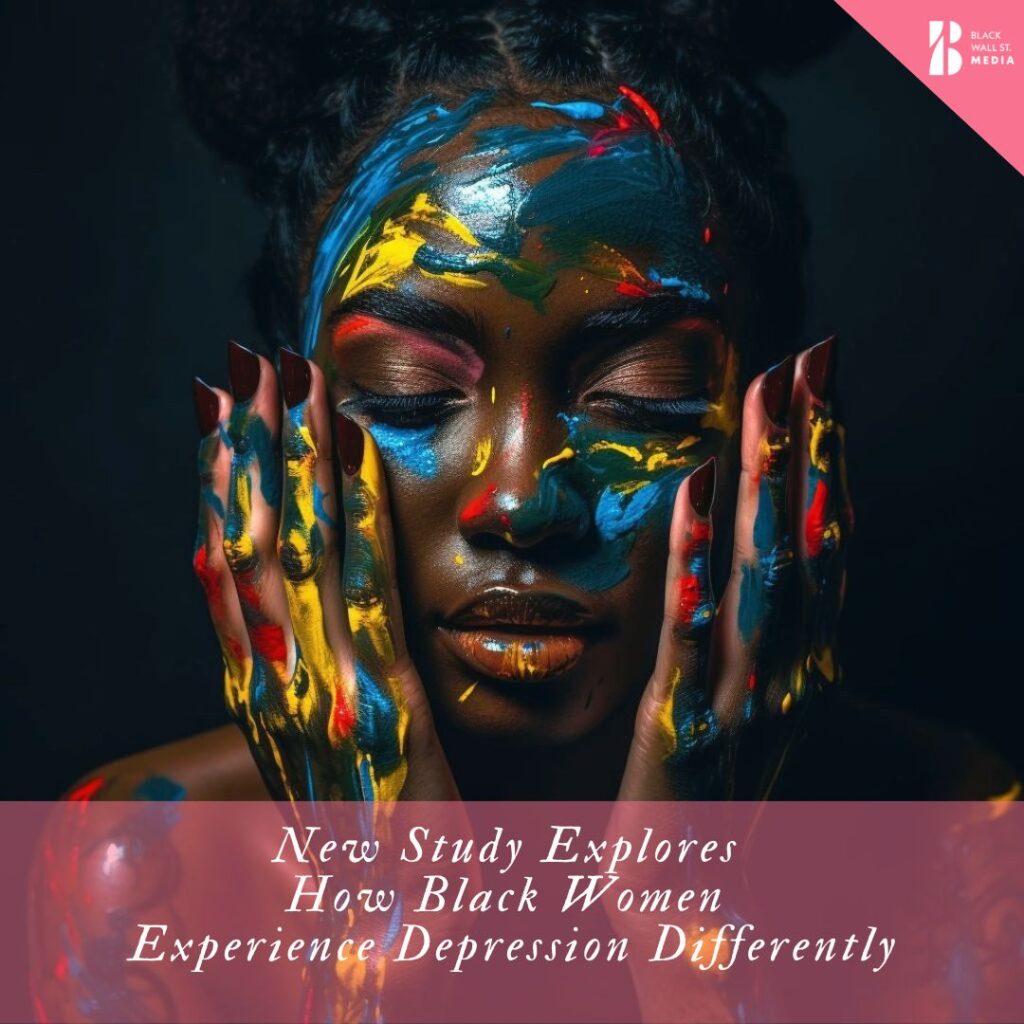
According to a recent study published in the Nursing Research journal, Black women may experience depression symptoms that are “poorly recognized and undertreated” within the larger medical community.
According to a recent study published in the Nursing Research journal, Black women may experience depression symptoms that are “poorly recognized and undertreated” within the larger medical community.
Unveiling the struggles faced by Black girls with neurodivergence, often overlooked and invalidated. Let’s break the silence and challenge the stereotypes.
While there is no concrete data on how many people live with invisible disabilities, at least 10 percent of the U.S. population is reported to have such illnesses.
For Black folks, the data is more clear.
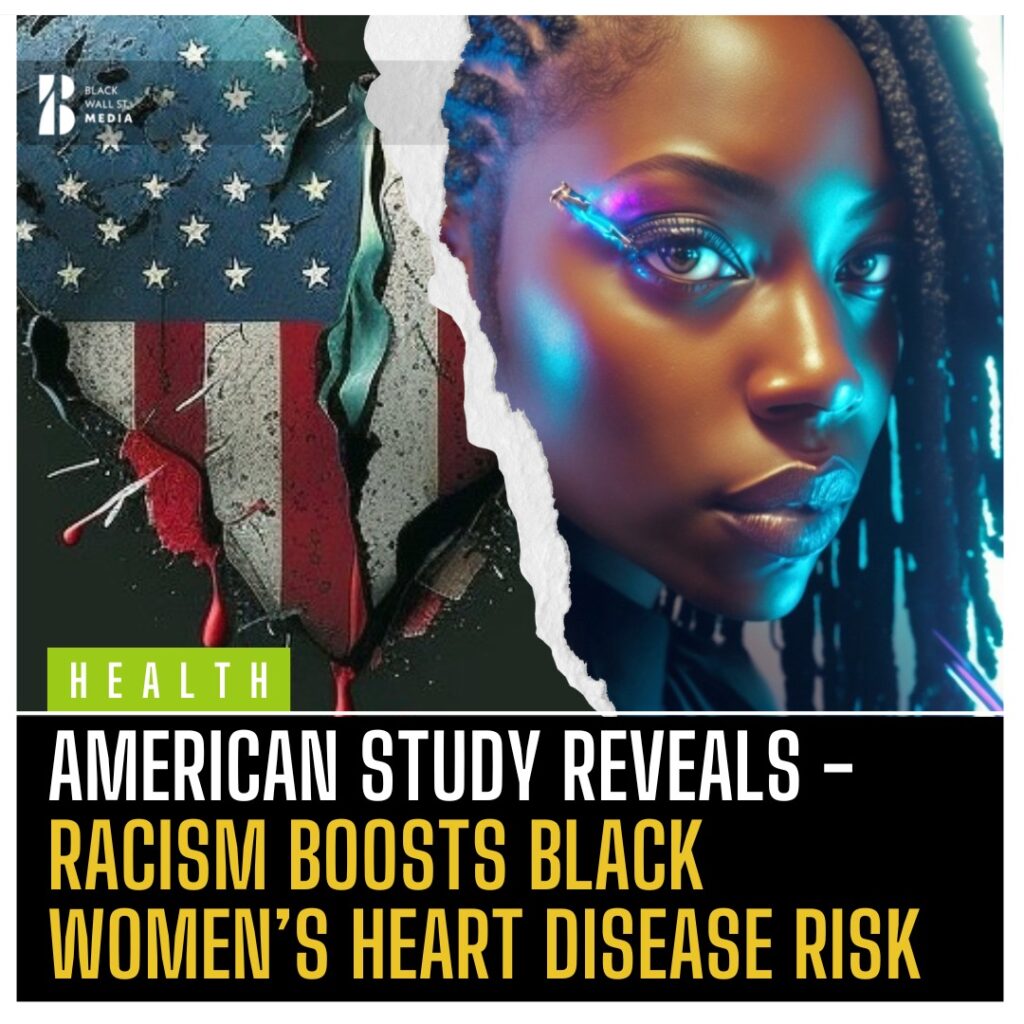
In the intricate mosaic of health research, a new study unveils a disconcerting connection between lived experiences of racism and the heightened risk of stroke among Black women. Delving into the extensive data of Boston University’s Black Women’s Health Study (BWHS), researchers expose a concerning reality—perceived racism as a potential precursor to an increased risk of stroke. As we navigate the nuanced landscape of health disparities, this study sparks a crucial conversation about the broader implications of systemic racism on the well-being of Black women in the United States.
Major Mandisa Nomcebo Mfeka: Breaking Barriers as South Africa’s First Black Female Fighter Pilot
RACISM BOOSTS BLACK WOMEN’S HEART DISEASE RISK
The UK’s astronomy field faces a significant challenge in attracting black women, despite the prominence of Dr Maggie Aderin-Pocock, co-host of The Sky at Night.