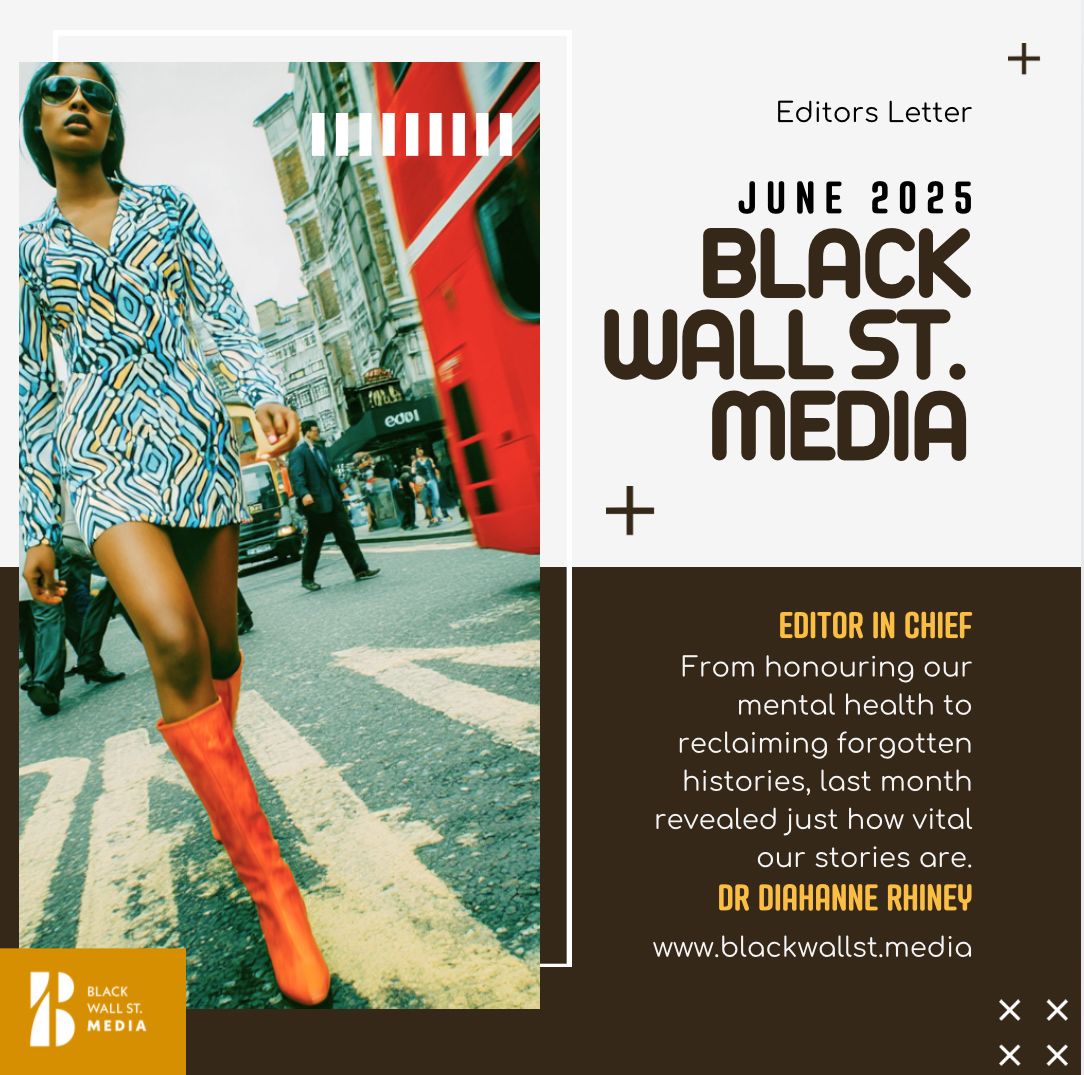
Editors Letter – May 2026
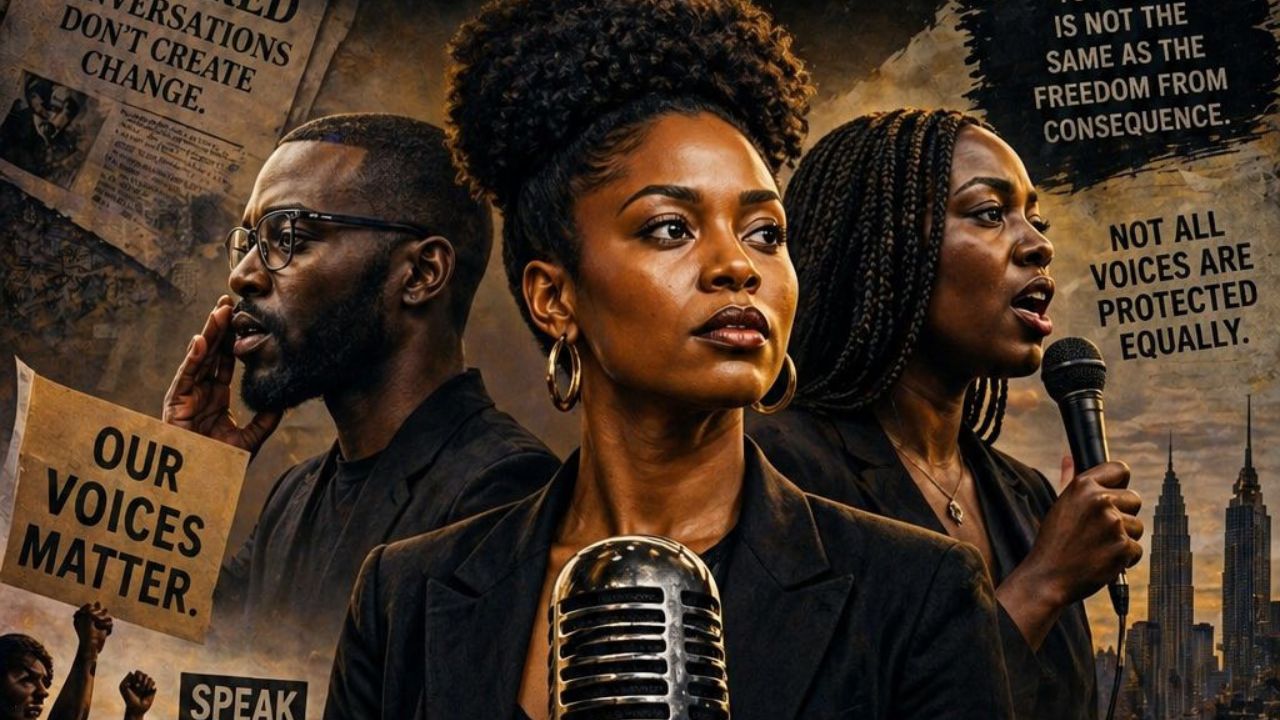
Who gets heard and who pays the price for speaking?
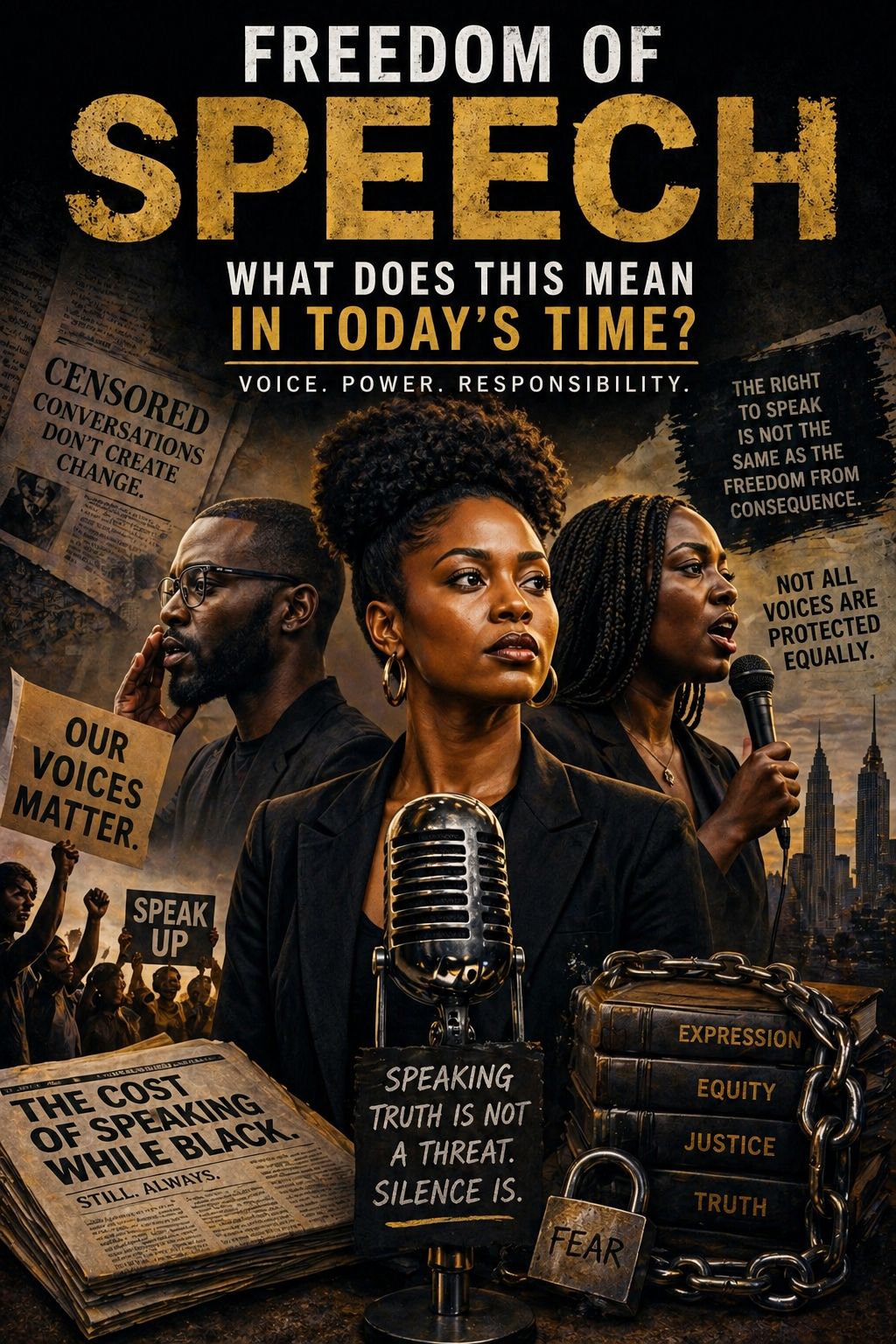
“Freedom of speech has always sounded simple in theory but who really has the freedom to speak without consequence?
Dr Diahanne RhineyEditor in Chief
This month, we examine the true cost of having a voice across the Black diaspora, from code switching and economic power to censorship, accountability and resistance. A thought-provoking reflection on who is heard, who is protected, and who pays the price for speaking out.
Read the full article now.”
Freedom of speech has always sounded simple in theory.
In practice, it has never been evenly distributed.
As we move through May, reflecting on the conversations that defined April, it becomes increasingly clear that freedom of speech is not just about the right to speak. It is about whose voice is heard, whose is protected, and whose is challenged, silenced or reframed when it becomes inconvenient.
April’s coverage at Black Wall St Media returned, again and again, to this tension.
In our continued exploration of the economics of being Black, we examined how language itself becomes a currency. Who is allowed to speak freely in professional spaces without consequence. Who must constantly calibrate tone, expression and delivery to remain “acceptable.” Code switching is often discussed as adaptability, but it is also a negotiation of safety. And safety, in itself, is a form of economic and social power.
Freedom of speech, then, is not neutral.
It is shaped by consequence.
We saw this play out across public discourse in April. Conversations around race, inequality and global conflict became increasingly polarised, with certain voices elevated and others scrutinised. The expectation placed on Black commentators, creators and professionals to educate, to explain and to absorb backlash continues to grow, yet the protection afforded to those voices remains inconsistent.
The question is not simply whether we can speak.
It is what happens when we do.
Across the diaspora, this question carries weight. In the United States, ongoing debates around education, censorship and the rewriting of history continue to shape what can be taught and how. Across parts of Europe, including here in the UK, we are witnessing a tightening of discourse, where conversations around race and identity are often framed as divisive rather than necessary. In parts of Africa and the Caribbean, political expression continues to be influenced by both local governance and global pressures.
Freedom of speech exists, but it does not exist in a vacuum.
It exists within systems.
And those systems determine the cost of speaking.
In April, we also saw how economic power intersects with voice. In our pieces examining pay disparity, invisible labour and entrepreneurship, one truth remained consistent. Those with greater economic security often have greater freedom to speak without fear of consequence. For many within Black communities, particularly Black women, the stakes are higher. Speaking out can mean being labelled difficult. Being overlooked. Being excluded from opportunity.
Silence, in these contexts, is not always chosen. It is often strategic.
This is where the conversation must deepen.
Because freedom of speech without freedom from consequence is not true freedom. It is conditional expression.
And yet, despite this, the diaspora continues to speak.
We see it in activism. In journalism. In cultural expression. In the everyday courage of individuals who choose to name their reality even when it is uncomfortable. That is not just resilience. It is resistance.
At Black Wall St Media, our role is not simply to amplify voices, but to contextualise them. To understand not just what is being said, but what it costs to say it. Because the cost matters.
May also invites reflection on responsibility.
Freedom of speech is often discussed in terms of rights, but it must also be understood in terms of accountability. Words shape narratives. Narratives shape policy. And policy shapes lived experience. To speak freely is powerful. To speak responsibly is essential.
As Editor in Chief, I am mindful that our platform sits within this intersection. We are not here to silence, nor to sensationalise. We are here to interrogate, to challenge and to hold space for complexity in a time where nuance is often lost.
If April asked us to examine wealth, work and worth, May asks us to examine voice.
Who has it.
Who uses it.
And who pays the price for it.
As we move through this month, I encourage all of us to think critically about what freedom of speech means in practice, not just principle. To recognise that the ability to speak is one thing, but the ability to be heard, protected and valued is another.
And as always, to continue telling our stories with clarity, courage and intention.

- Editor’s Letter May 2026
 Freedom of speech has always sounded simple in theory — but who really has the freedom to speak without consequence? This month, we examine the true cost of having a voice across the Black diaspora, from code switching and economic power to censorship, accountability and resistance. A thought-provoking reflection on who is heard, who is protected, and who pays the price for speaking out. Read the full article now.
 - Black Parenting: Discipline as Protection
 They call it harsh. They rarely call it what it is. Black parenting has long been judged without context, misunderstood as severity rather than seen as protection. But in a world where Black children are too often viewed through a harsher lens, discipline becomes something deeper than control. It becomes preparation. It becomes survival. In the wake of events on Clapham High Street, the question of parenting has once again taken centre stage. But before we ask where the parents are, perhaps we should ask what they are up against. This piece explores the truth behind Black parenting, the tension between protection and perception, and the shift towards healing in a world that still demands resilience.
 - Editor’s Letter April 2026
 We need to talk about the truth behind being overqualified and underpaid. As we step into a new financial year, the same uncomfortable question keeps resurfacing: Who really benefits from our labour—and at what cost? From pay gaps to invisible work, from limited representation to the constant pressure to prove ourselves, the economics of being Black is lived every day. This month’s Editor’s Letter breaks it down with honesty, evidence, and urgency. Read on, because naming the truth is the first step to changing it.
 - The Homecoming, as MOBOs marks 30 years with epic celebration.
 It was a night of legacy, star power and cultural pride as the MOBO Awards marked an incredible 30 years with a landmark celebration in Manchester. Bringing together global icons like Pharrell Williams, Estelle and Tiwa Savage, the milestone event proved why the MOBOs remain a cornerstone of Black music and culture. At the heart of it all was Estelle’s powerful homecoming, a full-circle moment that perfectly captured the spirit of an evening dedicated not just to honouring the past, but shaping the future.
 - Mayor Margaret Greer’s Gala Unites Enfield in Purpose
 Mayor Margaret Greer’s Charity Gala was more than an evening of elegance—it was a powerful celebration of community, heritage, and purpose in the heart of Enfield. As the borough’s first Black woman of Caribbean heritage to serve as Mayor, Cllr Greer brought together residents, leaders, and supporters for a night dedicated to uplifting vital causes and strengthening the spirit of unity. Read how this unforgettable evening reflected the power of representation, resilience, and the collective strength of the Enfield community.



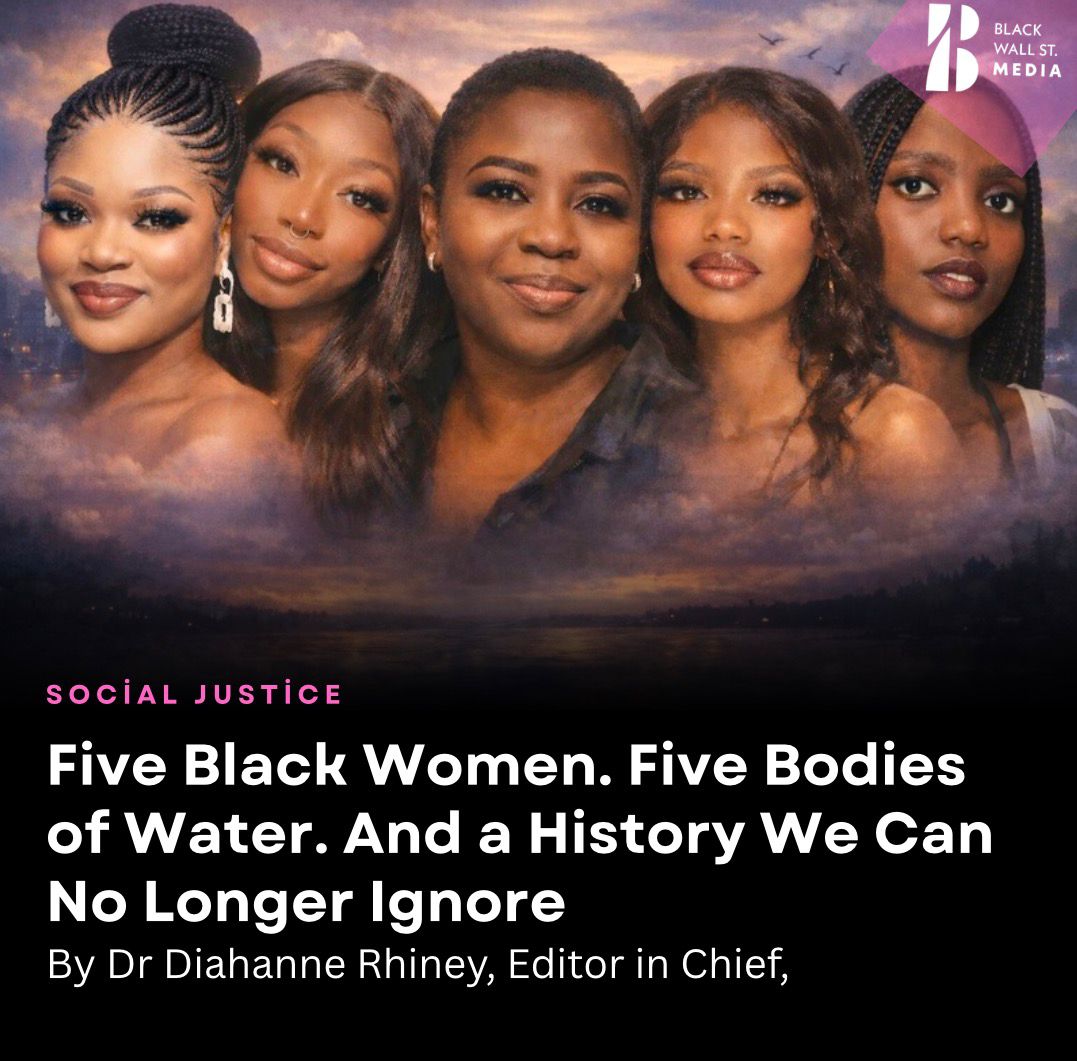
Five Black Women. Five Bodies of Water. And a History We Can No Longer Ignore
Read More
Mother’s Day and the Quiet Legacy of Our Mothers
Read More
Editor’s Letter March 2026
Read More
Locked Out of the Purse Strings
Read More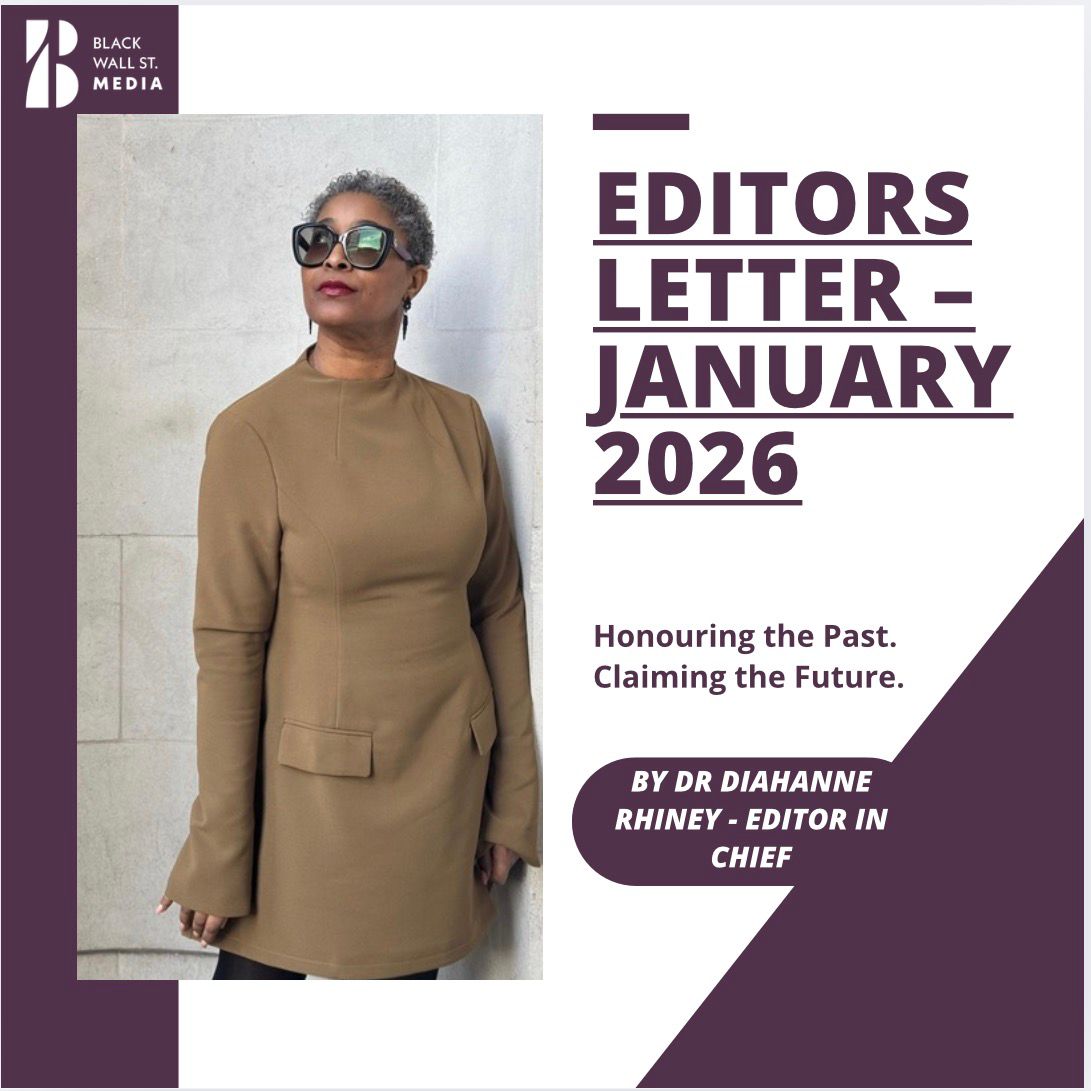
Editors Letter – January 2026
Read More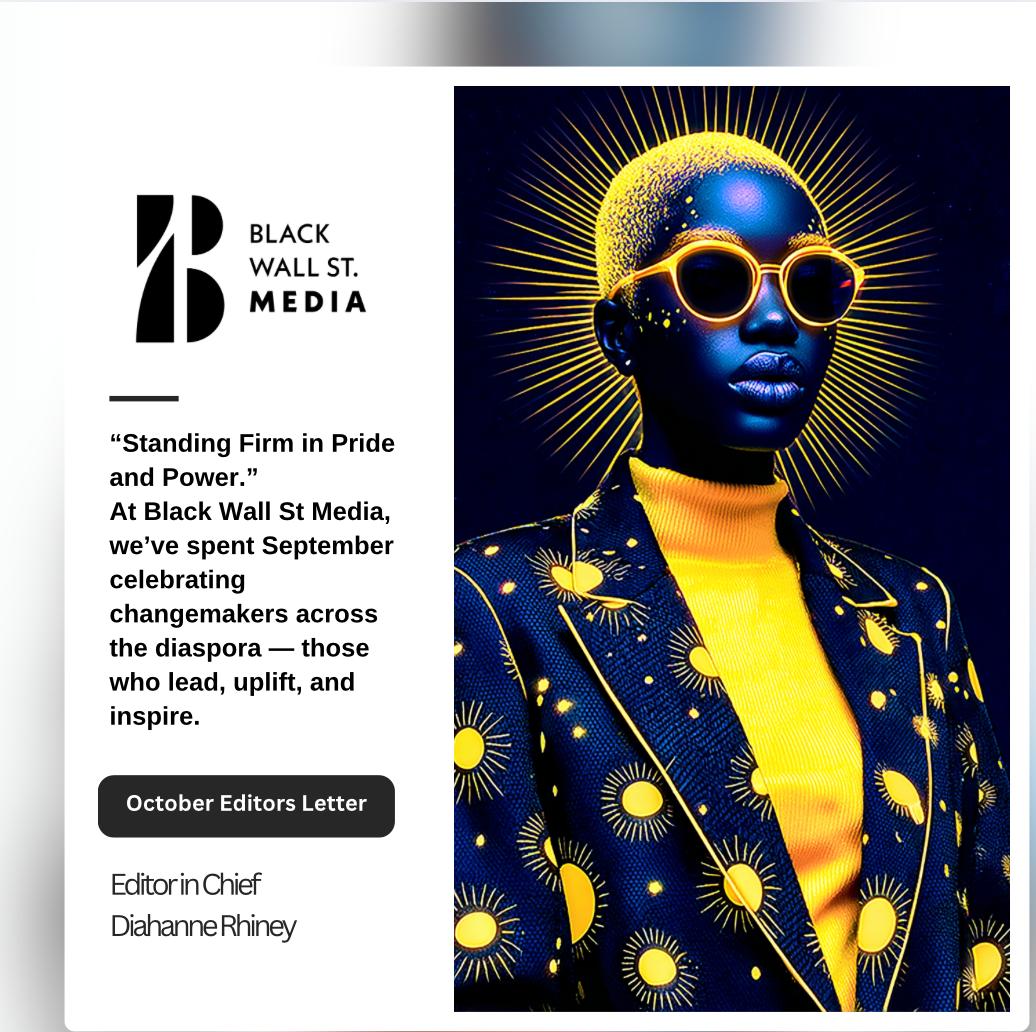
Editors Letter – October 2025
Read More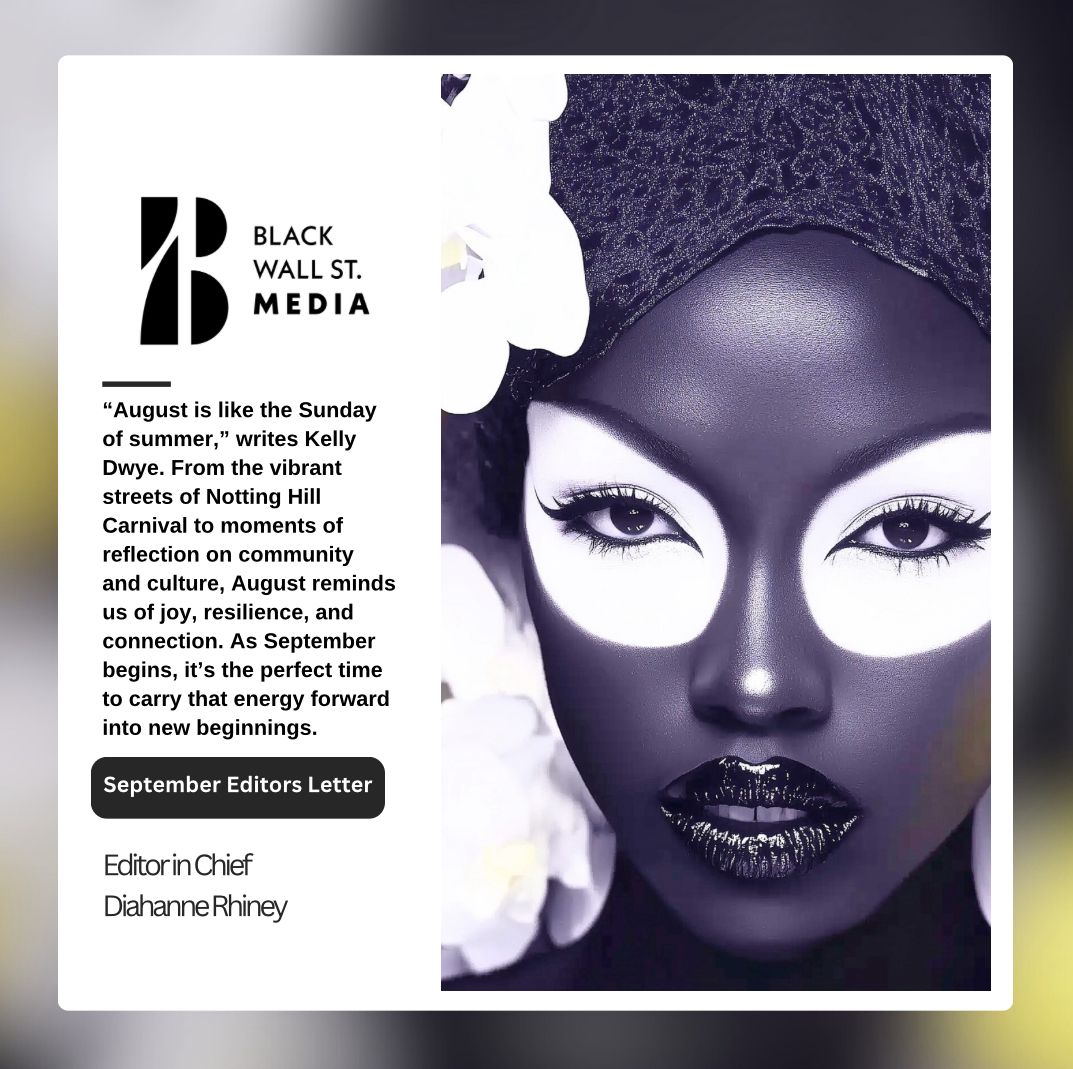
Editors Letter – September 2025
Read More
Editors Letter – August 2025
Read More
Editors Letter – July 2025
Read More