Black Excellence Starts in Your Basket — Buy With Purpose
Culture & Society
Mother’s Day and the Quiet Legacy of Our Mothers
“Beyond the bouquets, there is a "quiet legacy" that forms the true foundation of our lives. In this moving tribute, Dr. Diahanne Rhiney, Editor-in-Chief of Black Wall St Media, explores the profound inheritance of resilience and cultural wealth passed down by mothers across the diaspora.
Dr Diahanne RhineyEditor in Chief
Whether celebrating her presence or honouring her memory, read why a mother’s work is the ultimate blueprint for generational wealth.”


Mother’s Day arrives each year wrapped in flowers, cards and the gentle expectation of celebration.
Restaurants fill with families. Social media becomes a gallery of smiling photographs and heartfelt tributes. It is a day meant to honour the women who nurtured us, protected us and shaped the earliest chapters of our lives.
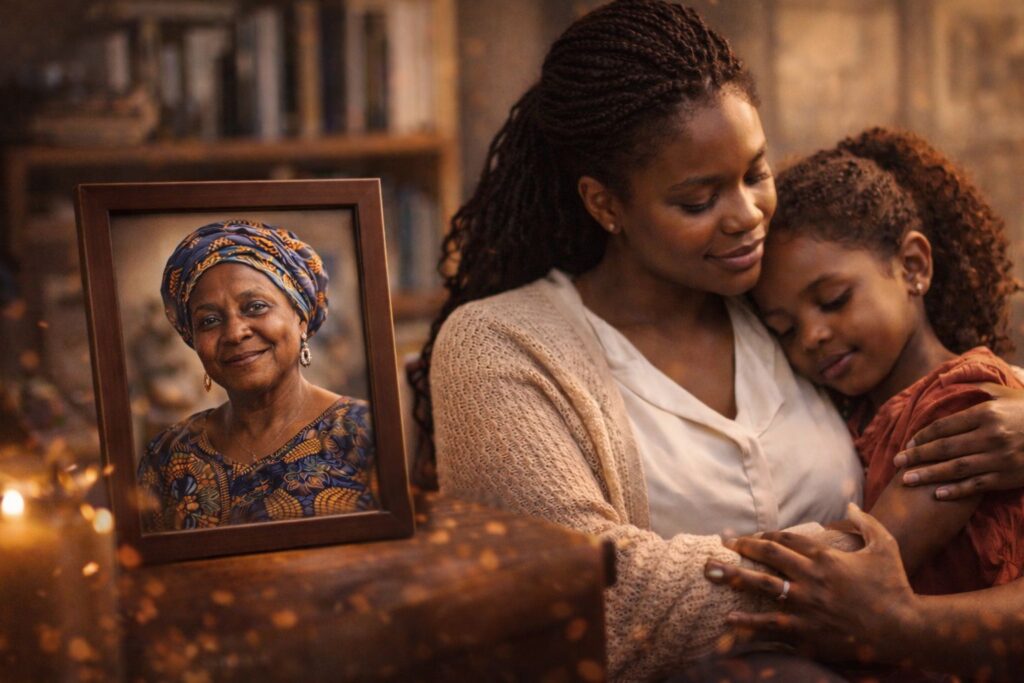
Yet for many of us, Mother’s Day carries another emotion that sits quietly alongside the celebration. It is the ache of absence.
For those of us whose mothers are no longer here, the day becomes something different. It becomes reflective. It becomes spiritual. It becomes a conversation across time.
I lost my mother some years ago. Like many daughters who have experienced that loss, I still find myself reaching for the phone to tell her something that has happened or to ask a question only she would understand. Grief changes shape over time but it never truly disappears. Instead it becomes woven into the fabric of who we are.
But with that grief comes something powerful. Perspective.
Motherhood is often spoken about through the lens of sacrifice and love, and rightly so. But what we do not speak about enough is the profound role mothers play in building generational wealth. Not just financial wealth but emotional wealth, cultural wealth and intellectual wealth.
In many communities across the African and Caribbean diaspora, our mothers were the first economists we ever knew.
They stretched resources when money was tight. They made sure the bills were paid even when it required personal sacrifice. They worked two jobs, studied late into the night or quietly built small businesses so their children could have opportunities they themselves never had.
That is generational wealth in its earliest form.
It is the transfer of resilience.
It is the passing down of values.
It is the belief that the next generation must stand on stronger ground than the one before it.
Across the diaspora there are countless women who never appeared on the covers of magazines but who built the foundations upon which their families would thrive. Women who left their home countries with little more than determination and faith. Women who cleaned offices, worked in hospitals, ran community kitchens or opened small shops so that their children could one day become doctors, teachers, entrepreneurs and leaders.
They may not have called it wealth building. But that is exactly what it was.
Generational wealth is often framed purely in terms of property, investments and financial portfolios. Those things matter. They create stability and security. But wealth also lives in knowledge, confidence and identity.
The mother who teaches her daughter to believe in her voice is creating wealth.
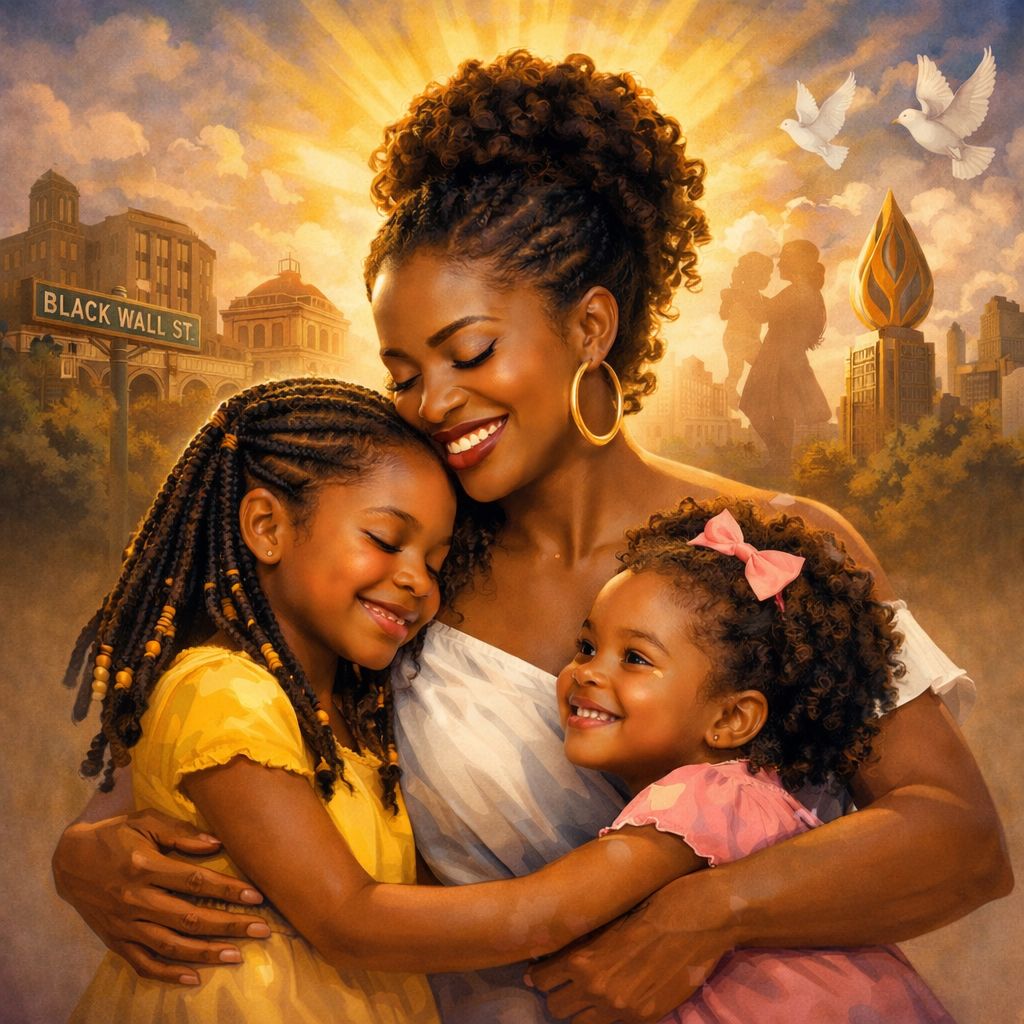
The mother who insists that education matters is creating wealth.
The mother who says you belong in rooms that others may try to exclude you from is creating wealth.
And sometimes the wealth mothers give us only becomes fully visible once they are gone.
When my mother passed, I realised just how much of my strength was rooted in her belief in me. The quiet encouragement she gave when things felt uncertain. The standards she held for herself and for us. The lessons she passed down not through speeches but through the way she lived her life.
That inheritance cannot be measured in pounds or dollars. But it is priceless.
For women who have lost their mothers, Mother’s Day can feel complicated. The world around you is celebrating something you can no longer experience in the same way. Yet there is also a deep recognition that the women who raised us are never truly absent.
They live in our choices.
They live in our resilience.
They live in the values we pass on to the next generation.
Many daughters eventually realise that grief transforms into responsibility. We carry forward what our mothers started. We protect the lessons they gave us. We ensure that their sacrifices were not in vain.
In that sense the work of generational wealth continues.
This is particularly significant for Black women and women across the diaspora. For generations our mothers have been the backbone of families and communities while often navigating structural inequality, economic barriers and societal expectations that demanded everything from them.
Yet they continued to build.
They built families.
They built community networks.
They built cultural pride.
They built pathways for their children to walk through.
The legacy of those women deserves more than a single day of recognition.
Mother’s Day should not simply be about bouquets and brunches. It should also be a moment to acknowledge the quiet architects of our futures. The women who invested in us long before we understood what that investment meant.
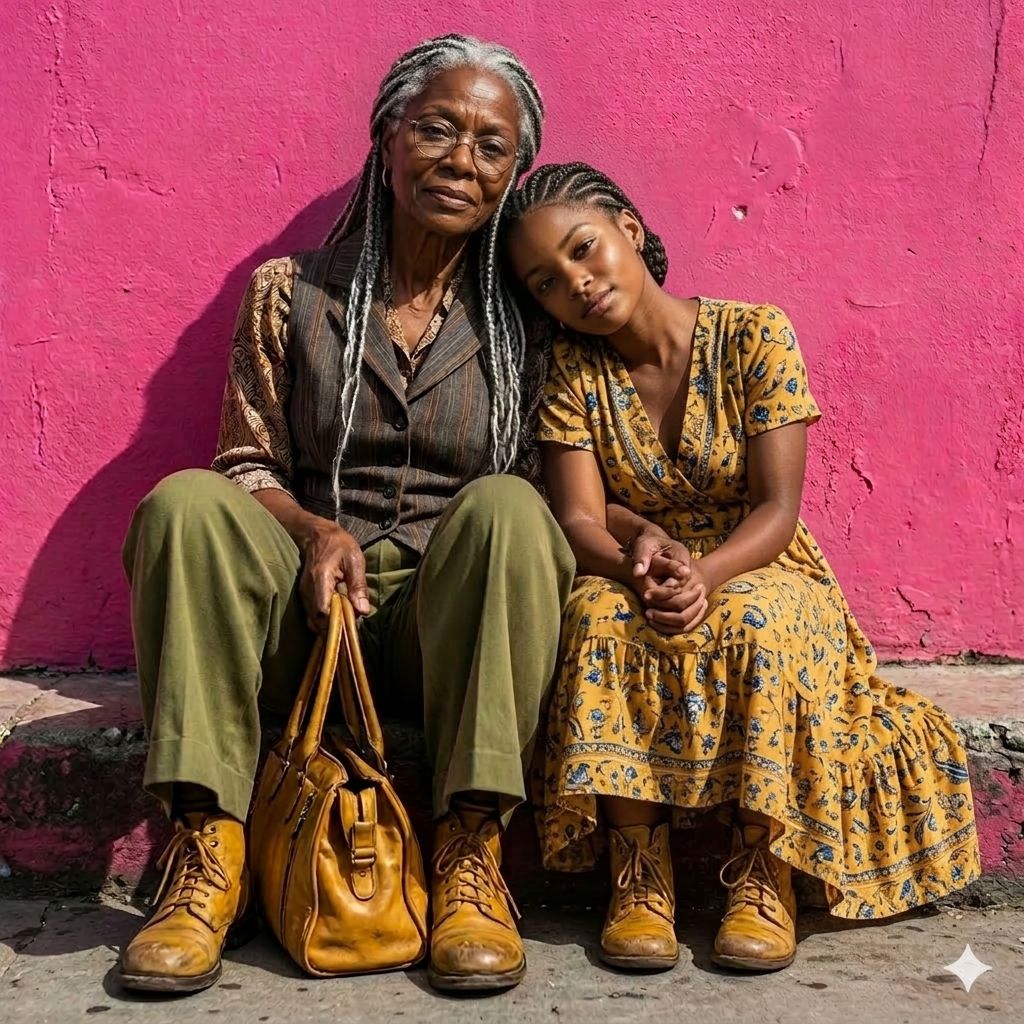
For those who are fortunate enough to still have their mothers here, cherish them. Listen to their stories. Ask the questions that one day you may wish you had asked.
For those of us whose mothers now live in memory, the day is an opportunity to honour them in a different way.
We honour them by continuing the work.
We honour them by building the generational wealth they dreamed of.
We honour them by ensuring that the strength they poured into us does not stop with our generation.
And in doing so we recognise something profound.
A mother’s legacy does not end when she leaves this world. It continues through every life she touched and every future she helped to create.

- INSANE ENERGY INCOMING!
 INSANE ENERGY INCOMING! ⚡️🎉 Get ready for the ultimate Notting Hill Carnival 2026 experience! 🚨 Streetmic and Black Wall St Media are bringing you live, uninterrupted coverage straight from the heart of the vibes all weekend long! 🥁🔊💃 Don’t miss a single beat, costume, or moment! 🙌✨ ⏰ When: Starting this weekend from 9:00 AM 🌐 Where: Streamed LIVE directly from our website! Tap the image at 9:00 AM to join the live stream!
 - The Carnival Was Born Twice
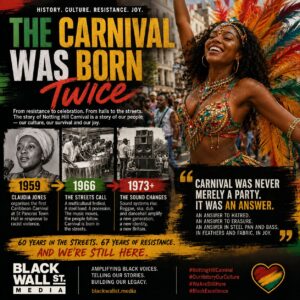 Notting Hill Carnival was never just a party. It was born from racism, shaped by migration and transformed into one of Britain’s most powerful expressions of Black Caribbean culture. But how old is Carnival really and who helped build it? From Claudia Jones and the pioneering 1959 Caribbean Carnival to Edric and Pearl Connor’s cultural activism, the 1964 turning point and the emergence of the street Carnival, this is a story of resistance, creativity, identity and belonging. The Carnival was born more than once. And the people who helped build it deserve to be remembered.
 - Dolly Parton and the Black Artists Who Expanded the Meaning of American Music
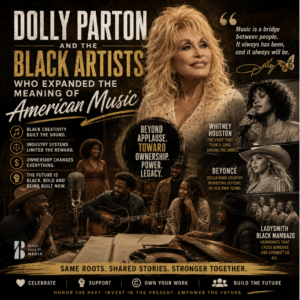 🎵 Dolly Parton, Black artists and the untold story of American music. What happens when a country music icon’s legacy intersects with the Black artists who helped shape the very sound of the genre? From Whitney Houston and Beyoncé to the Black musicians whose contributions were written out of country music’s mainstream history, this article explores music, race, ownership, collaboration and who truly benefits from creativity. Because appreciation is one thing. Power, credit and ownership are another. 👉 Read the full article and discover the deeper story behind Dolly Parton and the Black artists who expanded the meaning of American music.
 - When Black Success Becomes Proof That We Have It Easy
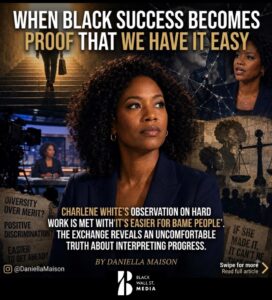 What happens when Black success is no longer seen as evidence of progress, but as proof that the barriers have disappeared? Daniella Maison examines the exchange between Charlene White and Jan Leeming and the uncomfortable assumptions behind it. Why does the success of a Black woman so often become evidence that the system must now be fair? Representation is not privilege. Progress does not erase the barriers that came before it. Read the full article and join the conversation about race, merit and what Black success really means.
 - Jason Arday Was Hounded. Now He Is Dead at 41
 The death of Professor Jason Arday at just 41 has brought a devastating new dimension to the intense media scrutiny he faced in the final weeks of his life. As questions continue to surround the circumstances of his death, Daniella Maison reflects on the relentless coverage of his career, childhood, disability and personal history and asks a difficult question: when does legitimate scrutiny become hounding?



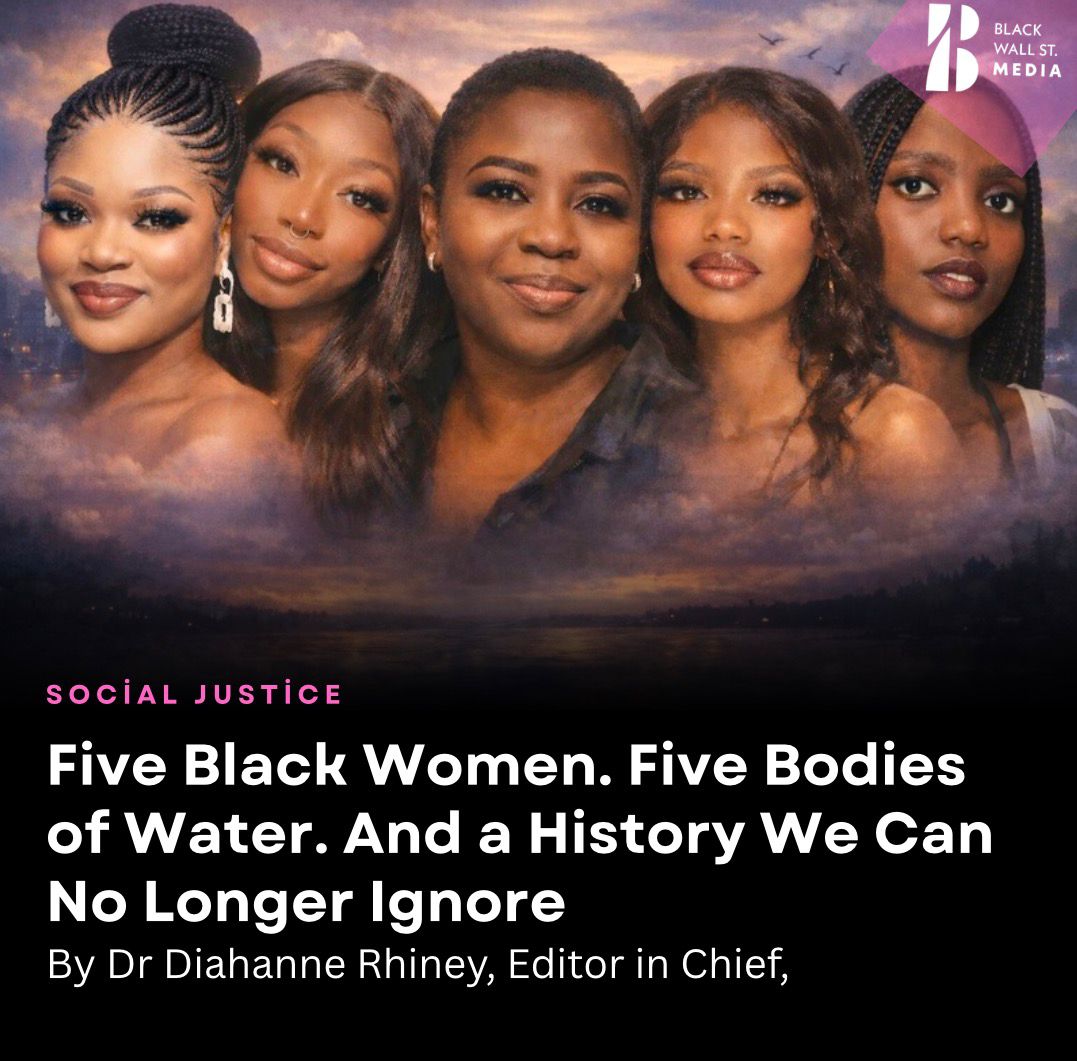
Five Black Women. Five Bodies of Water. And a History We Can No Longer Ignore
Read More
Mother’s Day and the Quiet Legacy of Our Mothers
Read More
Editor’s Letter March 2026
Read More
Locked Out of the Purse Strings
Read More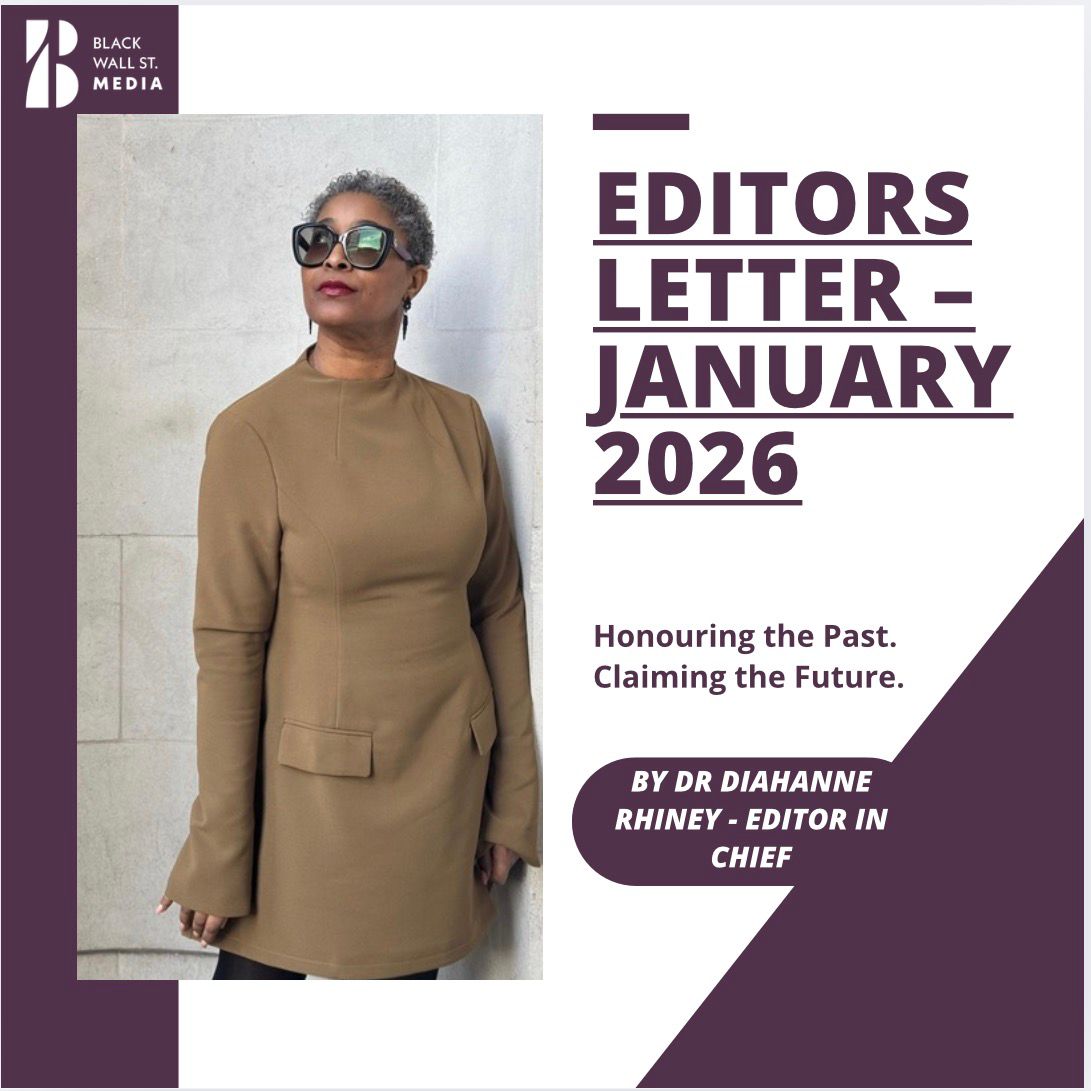
Editors Letter – January 2026
Read More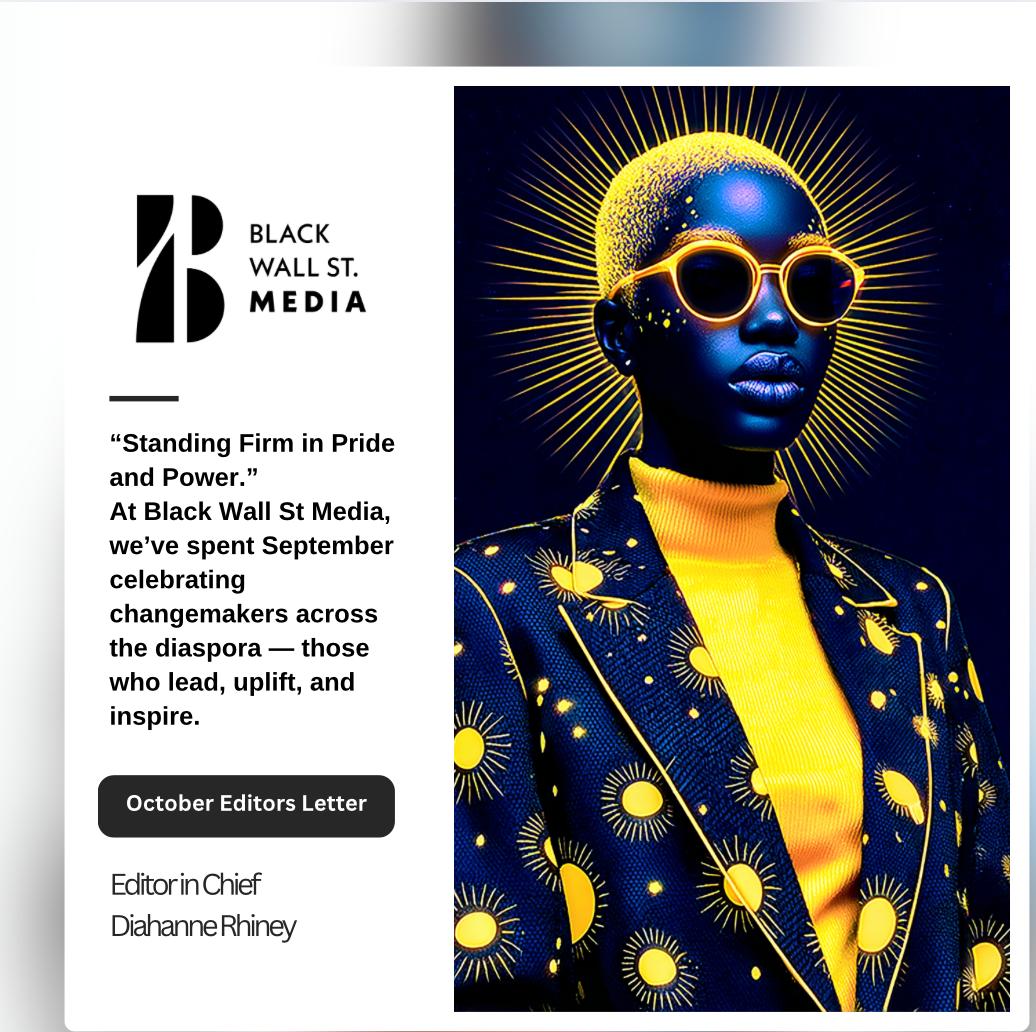
Editors Letter – October 2025
Read More
Editors Letter – September 2025
Read More
Editors Letter – August 2025
Read More
Editors Letter – July 2025
Read More