
Race & Social Justice Analysis
When Inclusion and Impact Collide at the BAFTAs
“It was meant to be a night of celebration at the British Academy of Film and Television Arts. Instead, the 2026 BAFTAs left many viewers with disbelief.
Dr Diahanne RhineyEditor in Chief
During a ceremony broadcast by the BBC, a racial slur rang out as Michael B. Jordan and Delroy Lindo stood on stage. The context was complex. The impact was not.
In this piece, Dr Diahanne Rhiney explores what happens when inclusion, race and institutional responsibility collide. Because representation without protection is not progress and foreseeable harm is still a choice.”
There are moments in culture that test us. Not because they are simple, but precisely because they are not.
At this year’s British Academy Film Awards, held at the British Academy of Film and Television Arts ceremony and broadcast by the BBC, a racial slur was audibly shouted from the audience while Michael B. Jordan and Delroy Lindo were on stage presenting.
The individual responsible lives with Tourette syndrome and has involuntary vocal tics. That context matters. Disability inclusion matters. Neurological conditions are real and deserve compassion.
But so does racial trauma.
What millions heard at home was a word soaked in centuries of violence, degradation and dehumanisation. What they did not hear was context. What they did not see was preparation. What they experienced instead was a jarring rupture in what was meant to be a celebration of cinematic excellence.
And that is where the real issue lies.
Institutions do not get to hide behind complexity when harm is predictable.
If organisers knew that an invited guest has involuntary vocal tics that include racially offensive language, then editorial safeguards should have been watertight. This was not a live, unfiltered broadcast. It was pre recorded. Decisions were made in edit suites. Choices were signed off.
Some comments were reportedly removed from the final cut. This one was not.
That decision, whether accidental or careless, landed heavily in Black homes across Britain and the diaspora. It landed in a year where conversations about equity in the creative industries remain fraught. It landed in an industry that has historically sidelined Black talent and then asked for patience when progress stalls.
Representation without protection is performative.
We cannot speak about diversity on the red carpet and then be surprised when communities expect diligence behind the scenes.
This is not about vilifying a man with a medical condition. Compassion and accountability can coexist. In fact, they must. It is possible to extend grace to someone living with Tourette syndrome while also asking why a major cultural institution failed to mitigate foreseeable harm.
What unsettles many of us is not the involuntary utterance. It is the institutional response. Apologies came. Statements were issued. Regret was expressed. Yet the deeper question remains untouched.
Who in that chain of command said this was acceptable to air?
Who assessed the impact on Black audiences?
Who asked whether the dignity of the two Black men standing on that stage had been sufficiently considered?
Because here is the uncomfortable truth. Black excellence often shares space with Black endurance. We celebrate achievements while bracing for insult. We smile through microaggressions and macro failures alike. We are asked to understand, to contextualise, to absorb.
At what point does the burden shift?
Award ceremonies are not simply glitzy evenings of gowns and applause. They are cultural signals. They tell the world who is valued and how carefully that value is handled.
This moment demands more than a review of editing processes. It demands a conversation about power, foresight and whose emotional safety is prioritised when inclusion strategies are designed.
True inclusion is layered. It anticipates complexity. It does not trade one community’s dignity for another’s accommodation. It does the work to protect both.
The BAFTAs now face an opportunity. Not a public relations hurdle. An opportunity.
An opportunity to engage directly with Black creatives and audiences in meaningful dialogue. An opportunity to demonstrate that safeguarding is not reactive but embedded. An opportunity to show that inclusion is not a slogan but a discipline.
We must resist the temptation to reduce this to a binary debate. This is not disability versus race. It is not compassion versus outrage. It is about competence. It is about care. It is about whether institutions that claim to champion storytelling understand the stories carried in the bodies of those they invite into their spotlight.
Because when the lights dim and the cameras stop rolling, what lingers is not the trophy. It is the memory of how people were made to feel.
And for many watching that night, the feeling was painfully familiar.
The question now is simple.
Will this be another moment that Black audiences are expected to move past quietly, or will it become a catalyst for deeper institutional reckoning?
At Black Wall St Media, we believe culture should challenge power, not protect it. Conversation is necessary. Debate is healthy. Accountability is essential.
The industry is watching.
So are we.

- Dom Taylor’s Caribbean Renaissance in Dalston
 When Dom Taylor quietly exited one of London’s most prestigious hotel kitchens, the whispers travelled fast. Now, two years later, he’s back and this time in Dalston, on his own terms. In this latest review, Paloma Lacy revisits The Good Front Room to discover whether the chef’s bold mission to elevate Caribbean cuisine still holds its magic. From refined jerk to reimagined ackee and saltfish, this is more than a comeback, it’s a statement.
 - When Inclusion and Impact Collide at the BAFTAs
 By Dr Diahanne Rhiney, Editor in Chief, Black Wall St Media It was meant to be a night of celebration at the British Academy of Film and Television Arts — a polished tribute to craft, creativity and cultural progress. Instead, the 2026 BAFTAs left many viewers sitting with an altogether different emotion: disbelief. During a ceremony broadcast by the BBC, a racial slur rang out while Michael B. Jordan and Delroy Lindo stood on stage. The context, we later learned, was complex. The impact was not. In this piece, Dr Diahanne Rhiney examines what happens when commitments to inclusion collide — when disability, race, editing decisions and institutional responsibility converge under the brightest lights. This is not a call for outrage. It is a call for competence, care and courage. Because representation without protection is not progress. And when harm is foreseeable, silence is not neutrality — it is a choice.
 - When Oversight Falls Silent
 Britain rarely announces regression. It administers it quietly. Across housing, policing, employment and public services, the institutions designed to confront discrimination are being thinned out, under-resourced, and politically restrained. Not abolished — just softened. This is a story about what happens when oversight falls silent, and why the cost of that silence will be paid by those with the least protection.
 - Ras Judah: The Elder Who Stood So We Could Stand
 Bristol has lost more than a community activist. It has lost a conscience. Ras Judah — born Judah Adunbi — stood at the crossroads of protest and purpose for more than four decades. From the fires of St Pauls in 1980 to the painful spotlight of 2017, he never stopped organising, mentoring, and holding institutions to account. This is not simply a tribute. It is a reminder of the standard he set — and the responsibility he leaves behind.
 - Radio Bimshire – Bajan to the Bone
 As Barbados celebrates 60 years of independence, a quiet cultural revolution is unfolding—not in parliament, but in the voices of everyday Barbadians. Radio Bimshire, the National Library Service’s new digital archive, is preserving and sharing the island’s oral history, from elders’ memories to music, comedy, and Nation Language. Guided by veteran broadcaster Julius Gittens, the platform transforms scattered recordings into a living national soundscape, connecting generations at home and across the diaspora.

Looking to celebrate the important females in your life this Mother's Day? Take a tip from the Swedish design experts at Gavagifting.co.uk.
Gåva or Gaw-vah is Swedish for gift. Gifts can be valuable without being expensive. They just needs to be chosen with care and beautifully presented.
Each Gåva product is designed with a purpose: to be refilled, reused, and cherished year after year, reducing waste and making gifting kinder to the planet. They’re perfect as thoughtful presents or adding a touch of Scandinavia style to someone's home.
The Kärlek ([Share-lek] n love) Collection of reusable heart-shaped tins, filled with delicious chocolate truffles are perfect for celebrating Mother's Day.
Free shipping on UK orders over £40.
Explore the range at www.gavagifting.co.uk
Here's your chance to win one of two Gavagifting.co.uk hearts, pre-filled with yummy goodies.
Please answer this question: what is the English translation for Gåva? Please send answers to letstalk@blackwallst.media by 28th February 2026.


Locked Out of the Purse Strings
Read More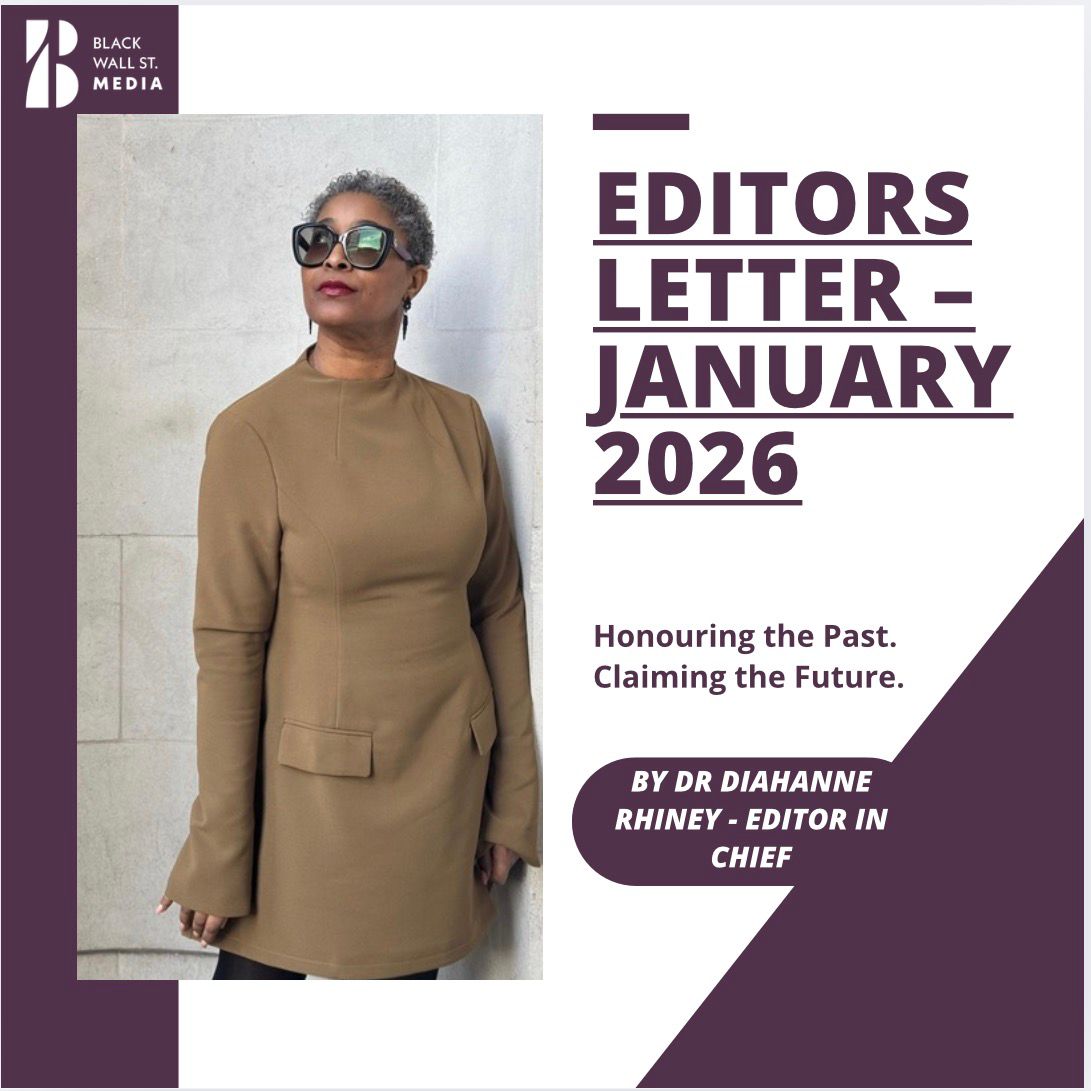
Editors Letter – January 2026
Read More
Editors Letter – October 2025
Read More
Editors Letter – September 2025
Read More
Editors Letter – August 2025
Read More
Editors Letter – July 2025
Read More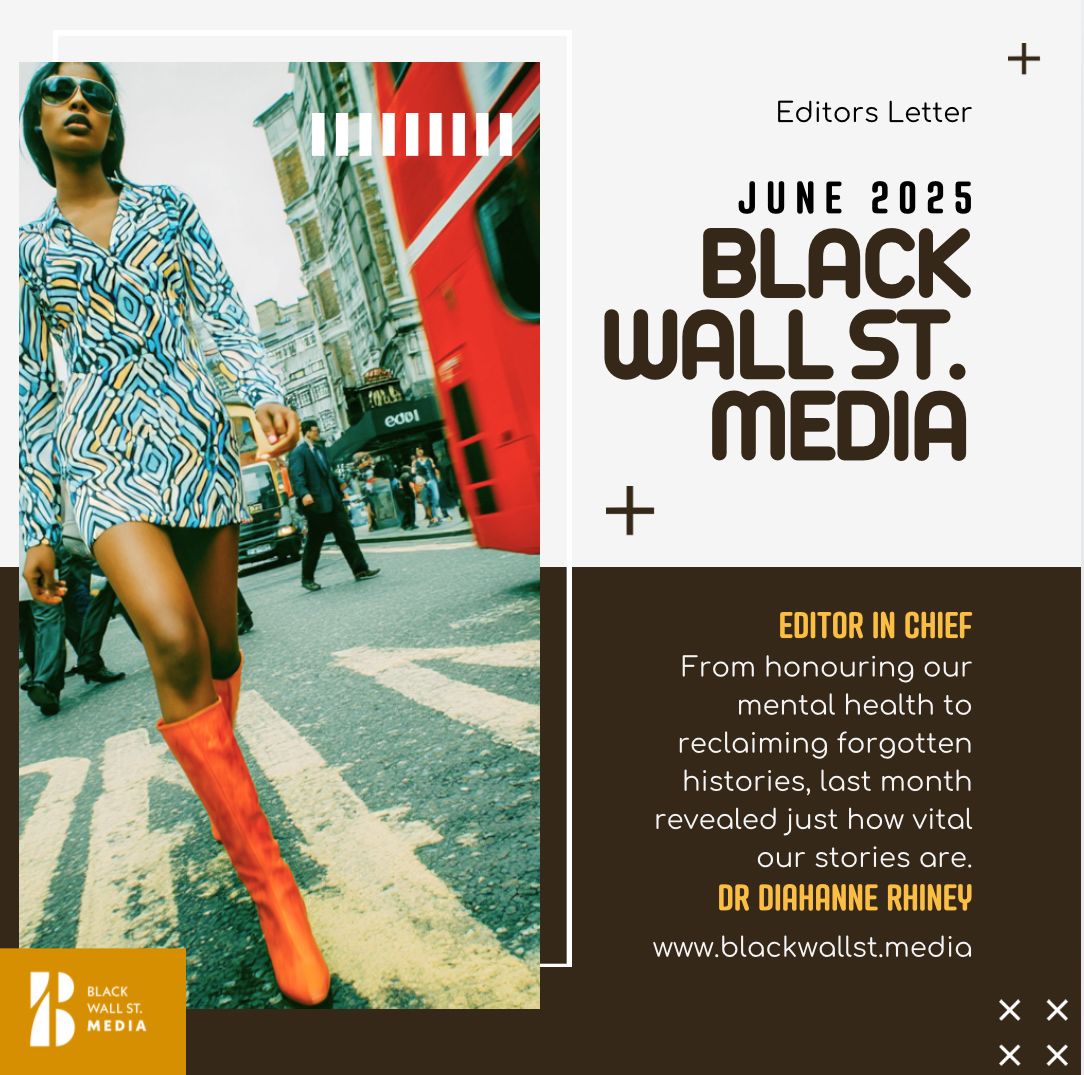
Editors Letter – June 2025
Read More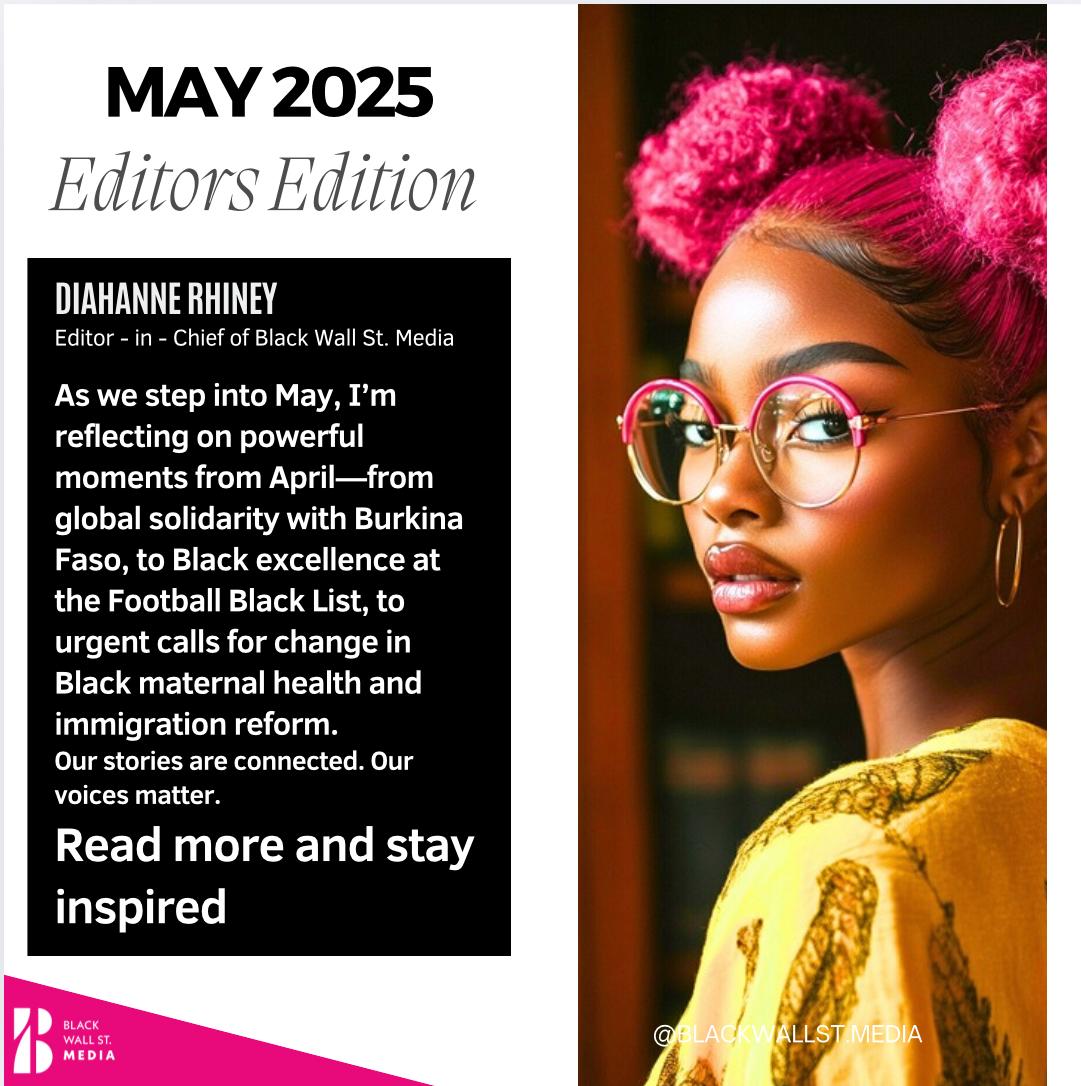
Editors Letter – May 2025
Read More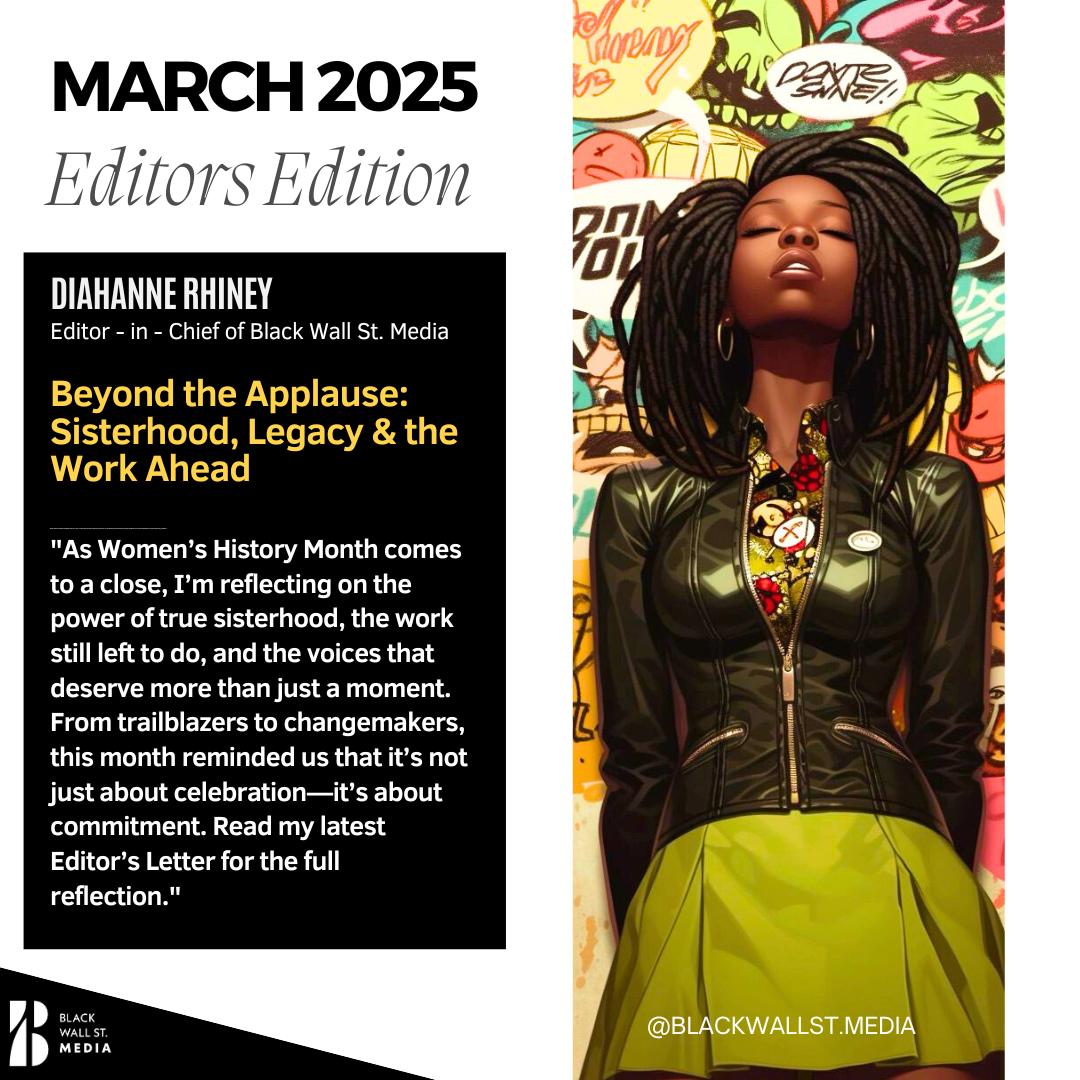
Editors Letter – March 2025
Read More