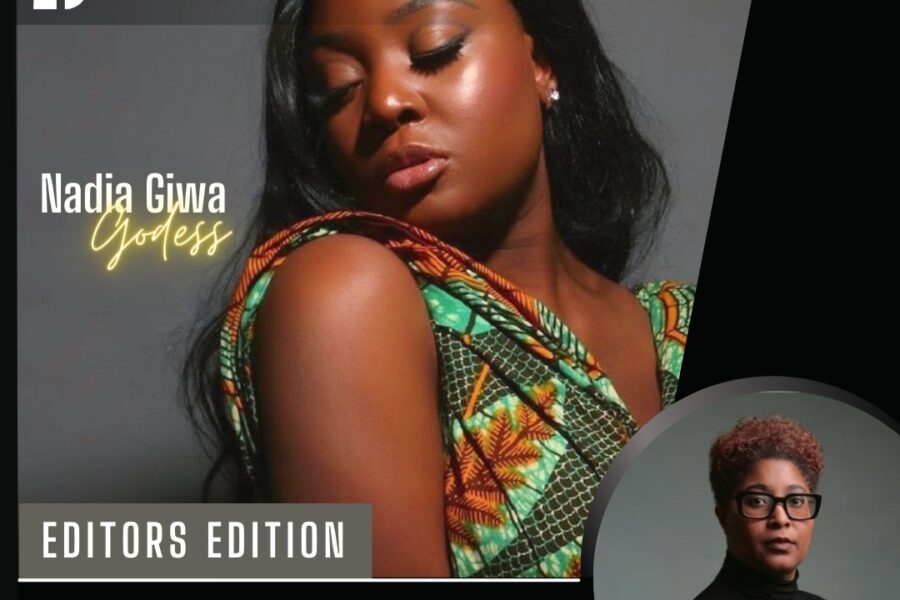
Diahanne Rhiney Chief in Editor I am not really one to make New Year’s resolutions, because I believe every day has the potential to be a new beginning, and any given…
By Khrista Davis We went to visit some of Birmingham's black-owned clothing brands We went to visit some of the black-owned clothing brand businesses in Birmingham for Black History Month. The…
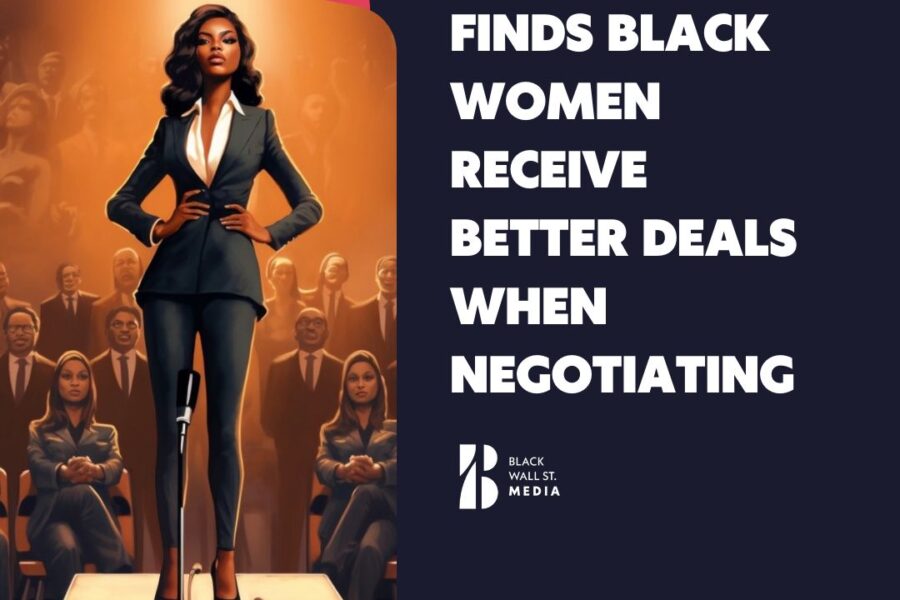
When taking an organizational behavior seminar in graduate school, Angelica Leigh came across several studies that found when it came to negotiations, men fared better than women and white negotiators outperformed Black negotiators.
BY AYOKUNLE OLUWALANA Dominic Norton created Missing Black People and the next step is utilising the community An East London man behind a group dedicated to finding missing Black people…
Diahanne Rhiney Chief in Editor We’ve come to the end of Black History Month, and I’ll be the first to tell you that I didn’t celebrate this month the way…
"Double rum and Coke please," is a phrase heard in every London bar and pub every night of the week. The rich, spicy, treacly and sometimes fruity spirit is a…
Hair is a topic I discuss with my girlfriends often. Half of the time it is based on joy around what the next hairstyle may be and experimenting with new…
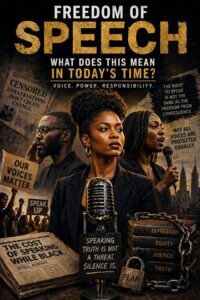
Freedom of speech has always sounded simple in theory — but who really has the freedom to speak without consequence?
This month, we examine the true cost of having a voice across the Black diaspora, from code switching and economic power to censorship, accountability and resistance. A thought-provoking reflection on who is heard, who is protected, and who pays the price for speaking out.
Read the full article now.
They call it harsh. They rarely call it what it is.
Black parenting has long been judged without context, misunderstood as severity rather than seen as protection. But in a world where Black children are too often viewed through a harsher lens, discipline becomes something deeper than control. It becomes preparation. It becomes survival.
In the wake of events on Clapham High Street, the question of parenting has once again taken centre stage. But before we ask where the parents are, perhaps we should ask what they are up against.
This piece explores the truth behind Black parenting, the tension between protection and perception, and the shift towards healing in a world that still demands resilience.
We need to talk about the truth behind being overqualified and underpaid.
As we step into a new financial year, the same uncomfortable question keeps resurfacing: Who really benefits from our labour—and at what cost?
From pay gaps to invisible work, from limited representation to the constant pressure to prove ourselves, the economics of being Black is lived every day.
This month’s Editor’s Letter breaks it down with honesty, evidence, and urgency.
Read on, because naming the truth is the first step to changing it.
It was a night of legacy, star power and cultural pride as the MOBO Awards marked an incredible 30 years with a landmark celebration in Manchester. Bringing together global icons like Pharrell Williams, Estelle and Tiwa Savage, the milestone event proved why the MOBOs remain a cornerstone of Black music and culture. At the heart of it all was Estelle’s powerful homecoming, a full-circle moment that perfectly captured the spirit of an evening dedicated not just to honouring the past, but shaping the future.
Mayor Margaret Greer’s Charity Gala was more than an evening of elegance—it was a powerful celebration of community, heritage, and purpose in the heart of Enfield. As the borough’s first Black woman of Caribbean heritage to serve as Mayor, Cllr Greer brought together residents, leaders, and supporters for a night dedicated to uplifting vital causes and strengthening the spirit of unity. Read how this unforgettable evening reflected the power of representation, resilience, and the collective strength of the Enfield community.