
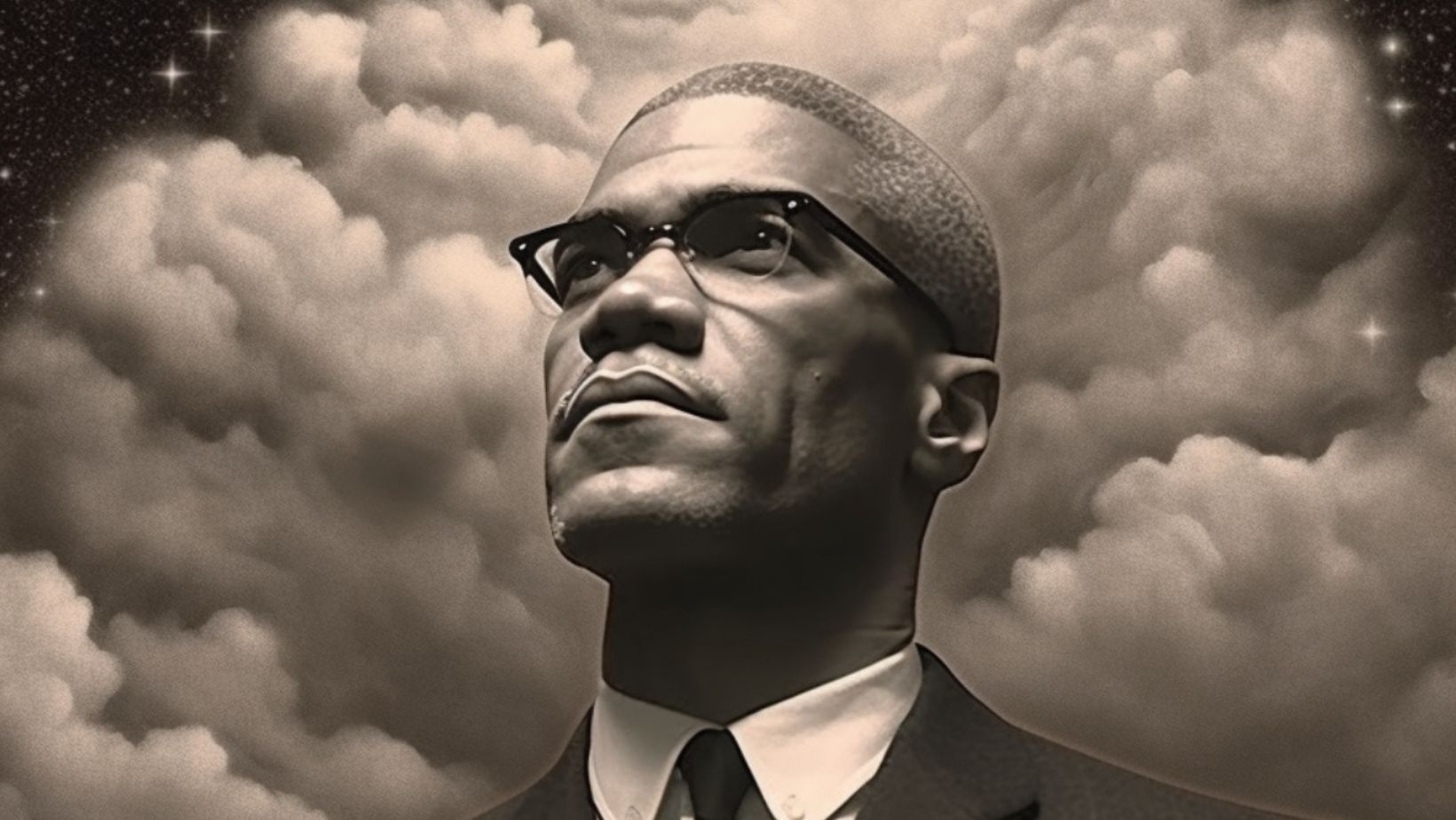
Historical Reflection
100 Years of Malcolm X
“There are moments—and men—that refuse to be buried by history. Malcolm X was not just of his time; he was a reckoning for all time. A century may have passed since his birth, but the questions he raised still stand, undiminished. His voice still cuts through the noise, not as echo but as challenge.
He did not ask to be remembered. He asked us to wake up.
To see the world not as it pretends to be, but as it is.
To ask not just what has changed—but what we’ve accepted.This is not a tribute.
BWSMCONTRIBUTOR
It’s a mirror.
And if we dare to look into it, we may find that his time has not passed at all.
In truth, Malcolm’s time is still ours.”







There are voices that time cannot silence—voices born not of comfort but of rupture, rising from the marrow of a people. Malcolm X was such a voice.
A century has passed since his birth on May 19, 1925, in Omaha, yet his echo still trembles through our streets. His silhouette stands at the crossroads of history, its edges flickering in the fire he set alight.
Malcolm Little was baptised in struggle. His mother, Louise, a Garveyite from Grenada, carried the salt-sting of empire in her blood and a Pan-African dream in her heart.
His father, Earl, a Baptist preacher and organiser, preached that dream through the American Midwest—and paid for it with his life.
From that lineage of resistance—Grenadian, Garveyite, African, American—Malcolm inherited not theory but conviction, coursing in his veins long before he opened the Qur’an or declaimed on street corners.
We have reduced him to caricature: the fierce one, the uncompromising one. But that is a betrayal of his journey. He was not driven by rage, but by clarity.
A boy called “Red,” tossed into Boston’s margins and America’s notorious prison system, emerged sharpened—a mirror to a nation that preferred to look away.
The Nation of Islam granted him structure; Mecca granted him vision; life taught him that power never concedes to politeness. It bows only to truth—spoken plainly, enacted without fear.
Building Our Own: A Blueprint for Self-Determination
Malcolm X’s story is more than biography; it is an instruction manual for collective liberation. He argued that true freedom would not come through access to existing power structures, but by building alternatives—new economies, new schools, new institutions designed and controlled by Black people themselves.
Education: From Indoctrination to Empowerment
“Only a fool would let his enemy educate his children,” Malcolm once declared. This wasn’t mere rhetoric—it was a strategy. Traditional schools, he observed, taught Black youth to admire the very systems that oppressed them, to internalise narratives of inferiority, and to aspire to proximity to whiteness.
Instead, Malcolm called for independent educational institutions rooted in self-knowledge, political consciousness, and collective responsibility. He dreamed of schools where students would study African history as proudly as they studied mathematics; where literature would uplift the stories of resistance as much as the classics of empire; where youth would be trained not to join white institutions, but to found and run their own.
In the charter of the Organisation of Afro-American Unity (OAAU), founded in 1964, he envisioned community learning centers, vocational workshops, and cultural academies that would equip Black people with the skills—and the pride—to reclaim their destiny.
Economics: Cultivating Black Wealth from the Ground Up
Long before “economic justice” became a rallying cry, Malcolm X was championing Black economic nationalism. He critiqued consumerism as a trap: Black labour fueled America’s prosperity, yet Black spending power was siphoned off to white-owned businesses. This imbalance, he argued, perpetuated dependency and poverty.
His solution was simple but revolutionary: “We need to own and operate and control the economy of our community.” He urged Black people to pool their resources, support Black-owned enterprises, and create financial institutions—banks, credit unions, investment cooperatives—that would circulate and grow Black capital.
By reinvesting within their own neighborhoods, Black communities could build factories, grocery stores, real-estate cooperatives, and insurance companies. Such enterprises would not only generate wealth but also foster a sense of collective ownership and purpose. Economic sovereignty, Malcolm taught, was a prerequisite for political and social emancipation.
Institutions: Forging Parallel Structures of Power
If education and economics formed the pillars of Malcolm’s vision, institutions were its backbone. He refused to court legitimacy from the very bodies that brutalised Black people: the police, the courts, the media. Instead, he set out to build parallel structures that served, protected, and uplifted his community.
The OAAU was modeled on newly independent African nations—an umbrella for cultural programs, legal aid clinics, housing initiatives, and international solidarity missions. In every project, the goal was the same: to reduce reliance on hostile systems and to prove that Black people could govern, educate, feed, and heal themselves.
Malcolm’s revolutionary institutions were not utopian fantasies but practical necessities. They would act as schools of leadership, training a new vanguard of organisers, teachers, entrepreneurs, and diplomats. They would create spaces where dignity was non-negotiable and where the machinery of oppression could be studied, understood, and eventually dismantled.
One Hundred Years On: Echoes and Imperatives
What would Malcolm see in our age, a hundred years on? He would see Blackness turned into brand, struggle reduced to slogan, “diversity” weaponised to cloak systemic rot. He would see token appointments heralded as transformation, while the machinery that destroyed his family rumbles on.
He would ask:
Have we strayed so far that we applaud our chains in new settings?
Do we celebrate access when what we need is arrival?
Yet Malcolm never despaired. He believed in becoming, in evolution, in redemption. He showed us that dignity is birthright, that liberation is non-negotiable, and that love is not sentiment but sustained action—the love that demands justice, builds institutions, shields the vulnerable, and tells the trembling truth.
He lived in thirty-nine years more fully than most do in a lifetime, standing with nothing but mind, faith, and integrity—and making a nation tremble. His man is gone, but not his fire.
Living by His Principles—Not Ours
We do not honour Malcolm by quoting him, but by hearing him. By carrying forward what he could not finish—not seeking seats at their table, but building our own.
The question, one hundred years on, is no longer whether we revere his memory, but whether we are ready to live by the principles he died to defend. Not in tribute, but in truth. Not in memory, but in motion. Not looking back, but moving forward—on his terms, not theirs.
Because Malcolm X was not ahead of his time. He was exactly on time. And now, it falls to us to catch up.










- Mayor Margaret Greer’s Gala Unites Enfield in Purpose
 Mayor Margaret Greer’s Charity Gala was more than an evening of elegance—it was a powerful celebration of community, heritage, and purpose in the heart of Enfield. As the borough’s first Black woman of Caribbean heritage to serve as Mayor, Cllr Greer brought together residents, leaders, and supporters for a night dedicated to uplifting vital causes and strengthening the spirit of unity. Read how this unforgettable evening reflected the power of representation, resilience, and the collective strength of the Enfield community.
 - Five Black Women. Five Bodies of Water. And a History We Can No Longer Ignore
 The Silence is the Story Five Black women. Five bodies of water. And a national conversation that barely registered a ripple. In this searing and vital piece, Dr Diahanne Rhiney, Editor in Chief of Black Wall St Media, confronts the uncomfortable historical pattern of how Black women’s lives are valued and often made invisible by the systems meant to protect them. From the tragic disappearances of Blessing Olusegun and Samaria Ayanle to the urgent necessity of economic sovereignty as a form of safety, this article is a call to action for visibility, protection, and the refusal to let history repeat itself. Read the full article below to understand why we must say their names.
 - Mother’s Day and the Quiet Legacy of Our Mothers
 Beyond the bouquets, there is a "quiet legacy" that forms the true foundation of our lives. In this moving tribute, Dr. Diahanne Rhiney, Editor-in-Chief of Black Wall St Media, explores the profound inheritance of resilience and cultural wealth passed down by mothers across the diaspora. Whether celebrating her presence or honouring her memory, read why a mother’s work is the ultimate blueprint for generational wealth.
 - International Women’s Day: The Diaspora Women Who Carry the World on Their Shoulders
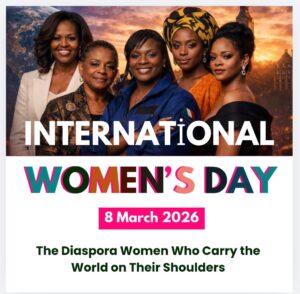 On International Women’s Day we celebrate the achievements of women around the world. Yet across the African and Caribbean diaspora, women have long been leading, building and transforming communities often without recognition. From figures such as Michelle Obama and Doreen Lawrence to countless women working quietly within their communities, this piece honours the resilience, leadership and enduring impact of diaspora women.
 - The Hidden Tax of Being Black
 In her latest piece as Behavioural Finance Editor for Black Wall St. Media, Krystle McGilvery explores how professionals can begin to recognise these hidden costs and, more importantly, how to push back against them. Her article outlines practical strategies to build leverage, extract real value from workplace opportunities, and develop the kind of exit power that ensures you are never trapped in a role that diminishes your worth.













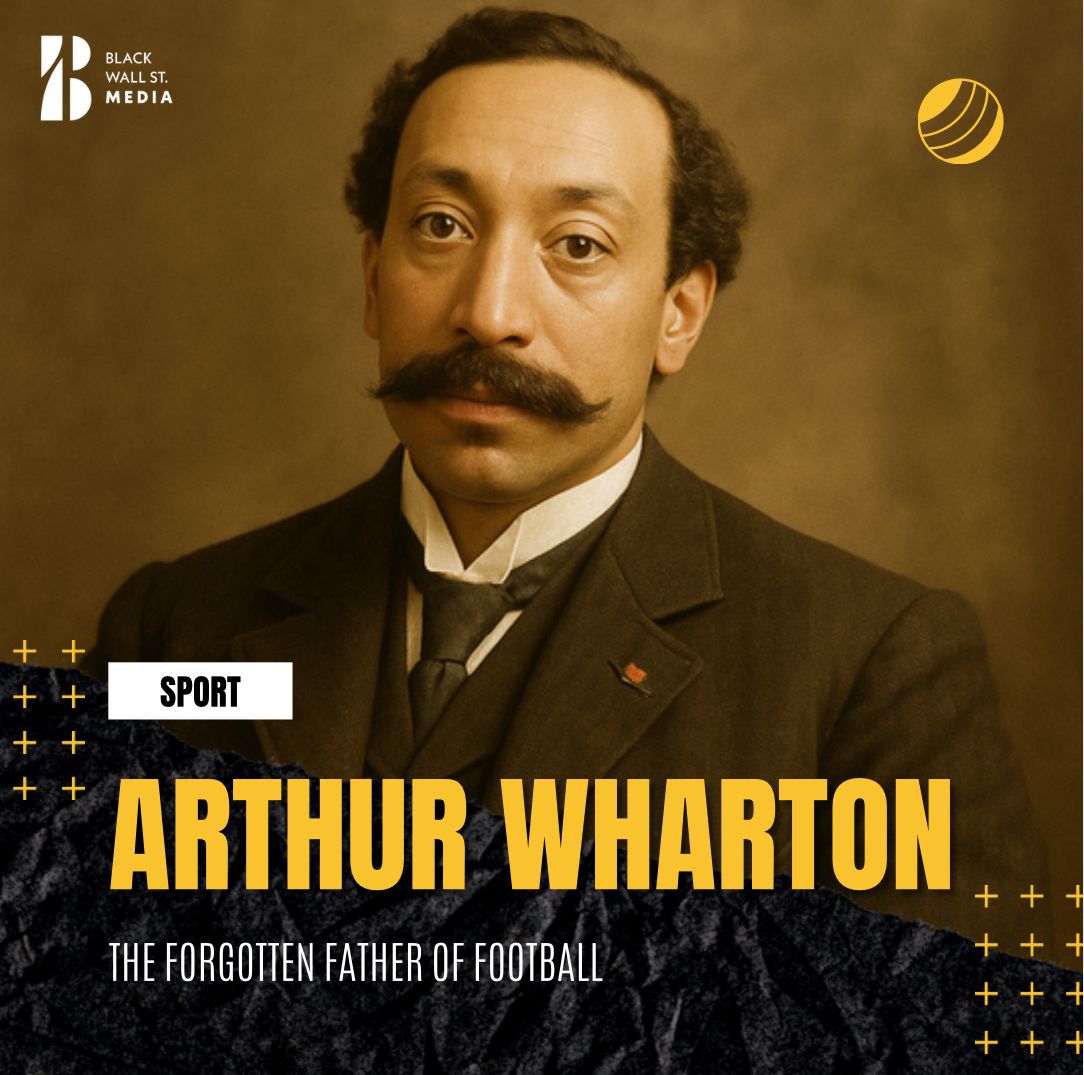
World’s first Black professional footballer
Read More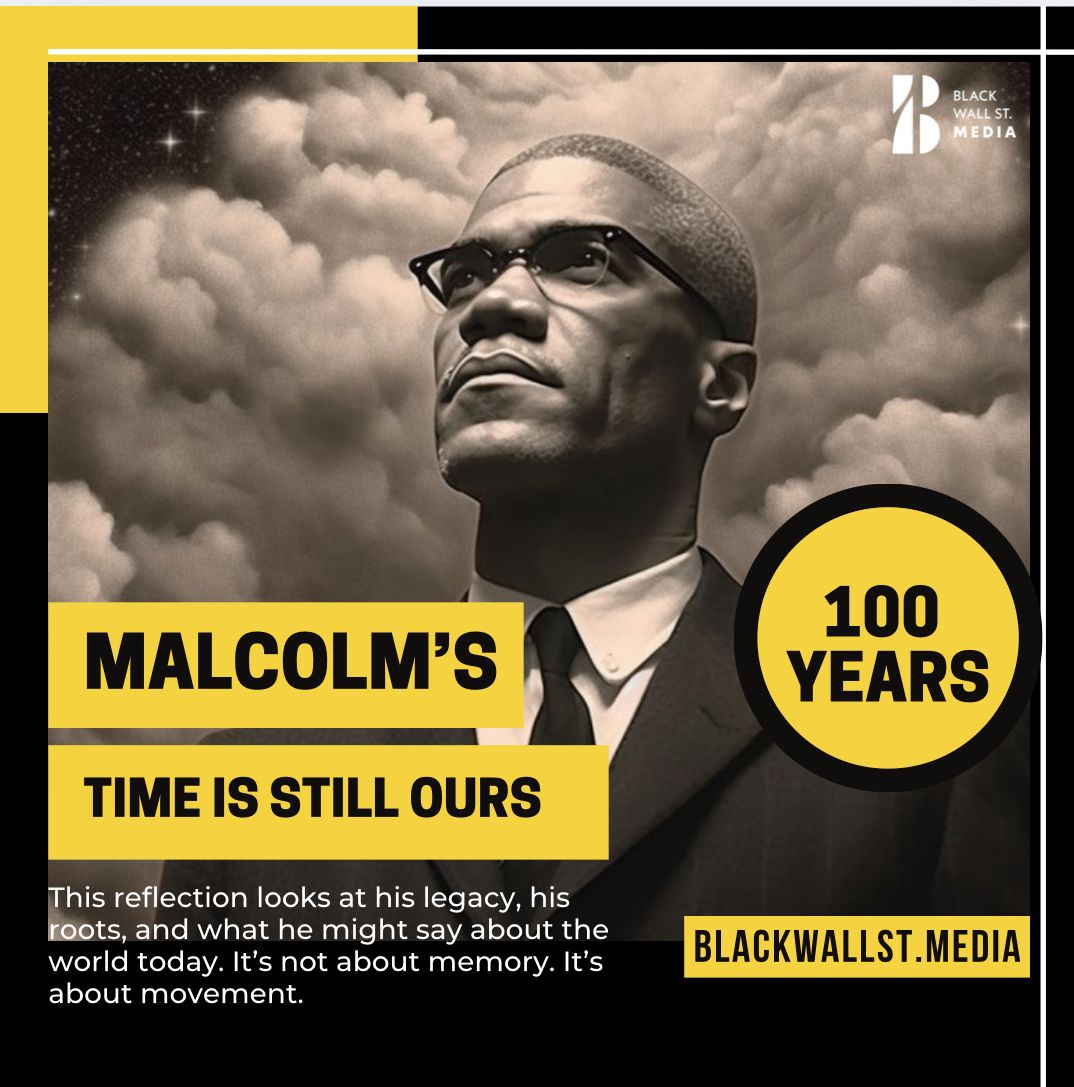
Malcolm’s Time Is Still Ours
Read More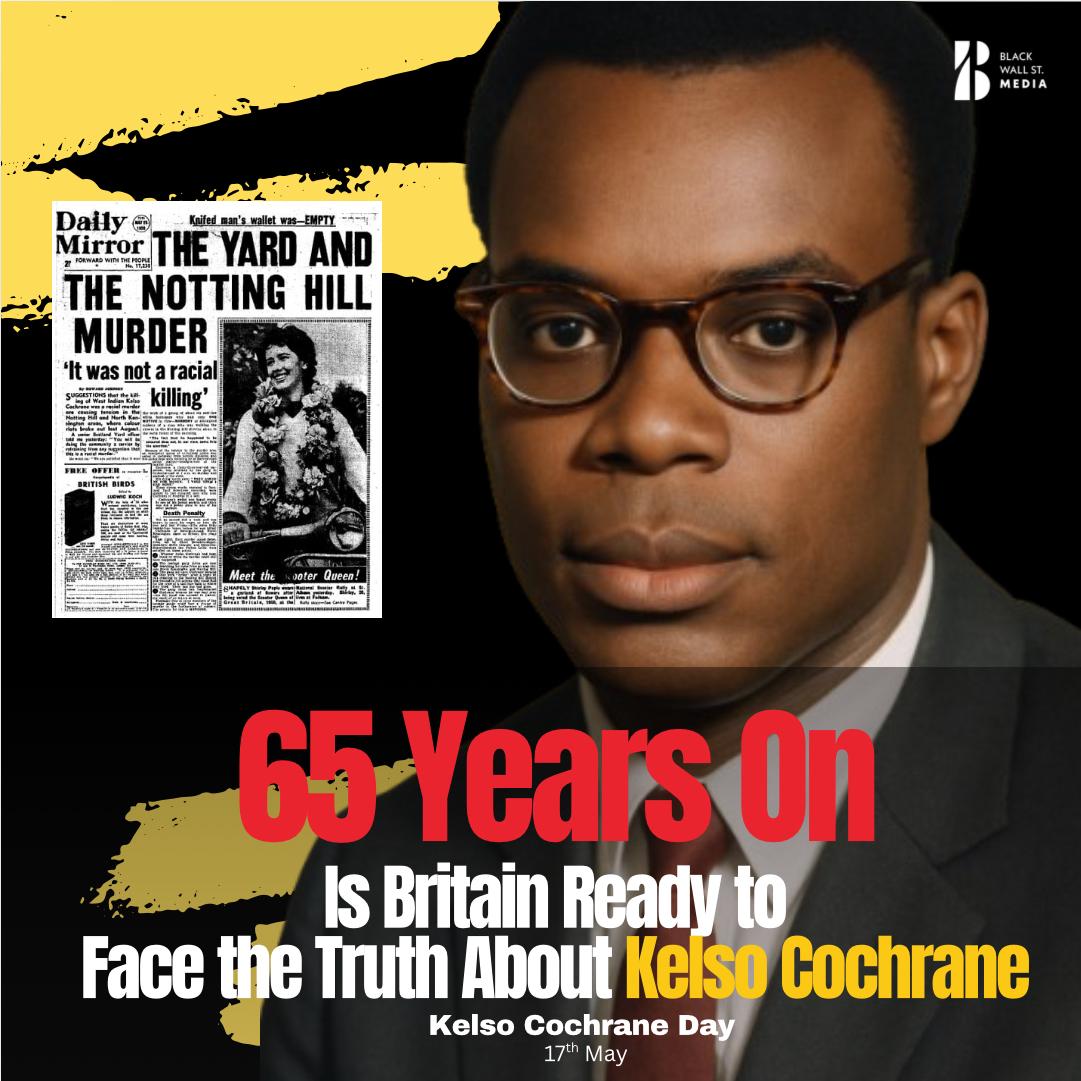
Kelso Cochrane: The Name Britain Tried to Forget
Read More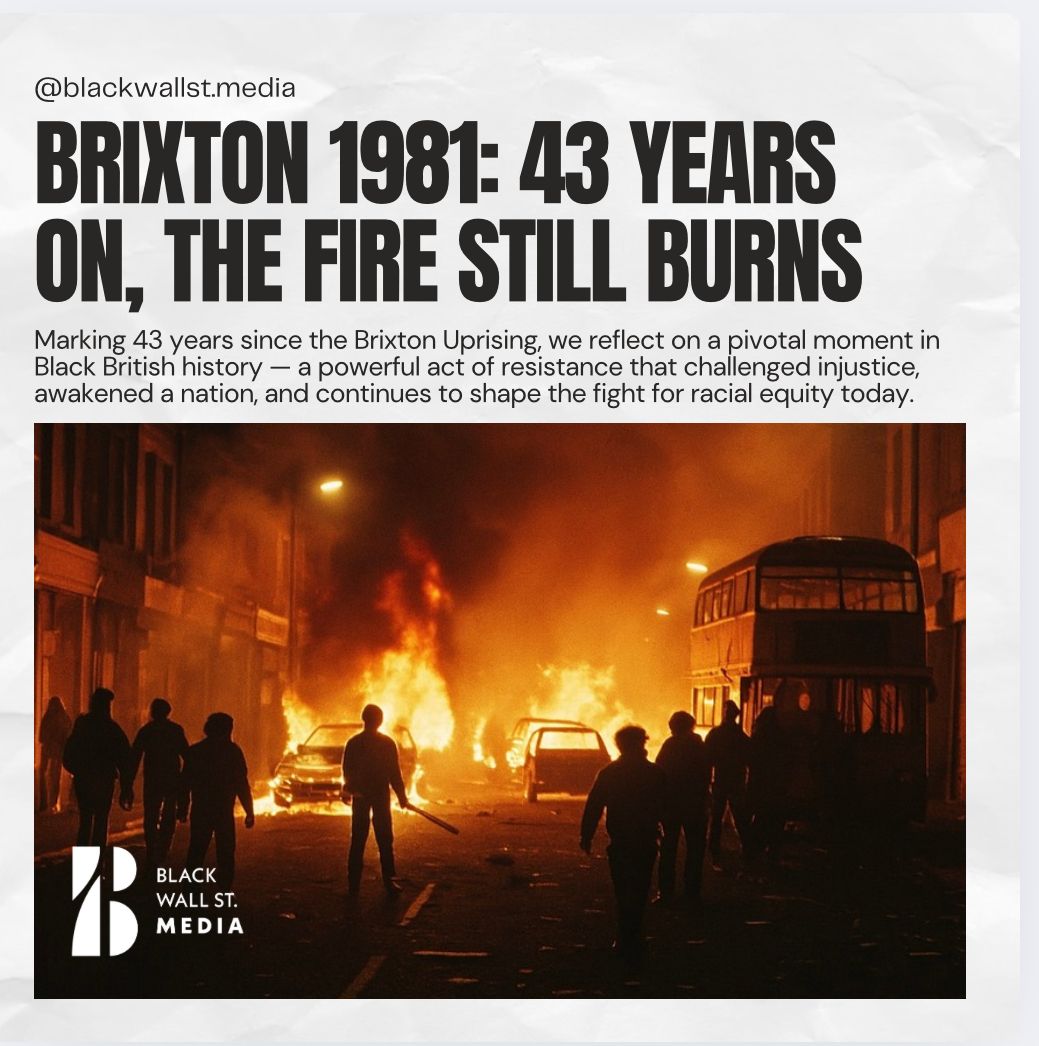
When Brixton Spoke Back
Read More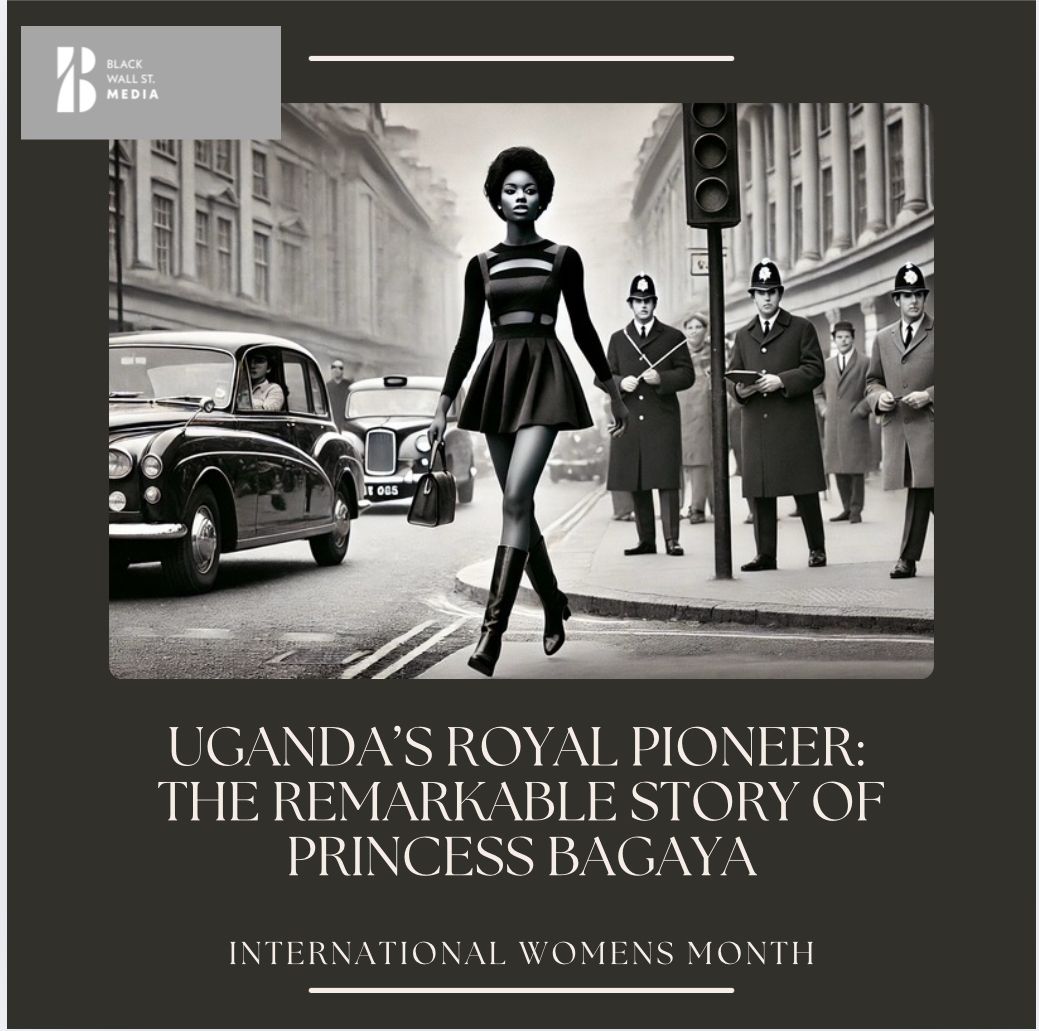
Princess of Power
Read More
Why are Africa’s Stolen Artefacts still in Western Museums?
Read More


Editor’s Letter March 2026

Dom Taylor’s Caribbean Renaissance in Dalston

When Inclusion and Impact Collide at the BAFTAs

When Oversight Falls Silent

Ras Judah: The Elder Who Stood So We Could Stand

Radio Bimshire – Bajan to the Bone

A Giant Has Fallen. What Jesse Jackson Meant to the Diaspora

Redefining Leadership Beyond Burnout

Landmark Ruling