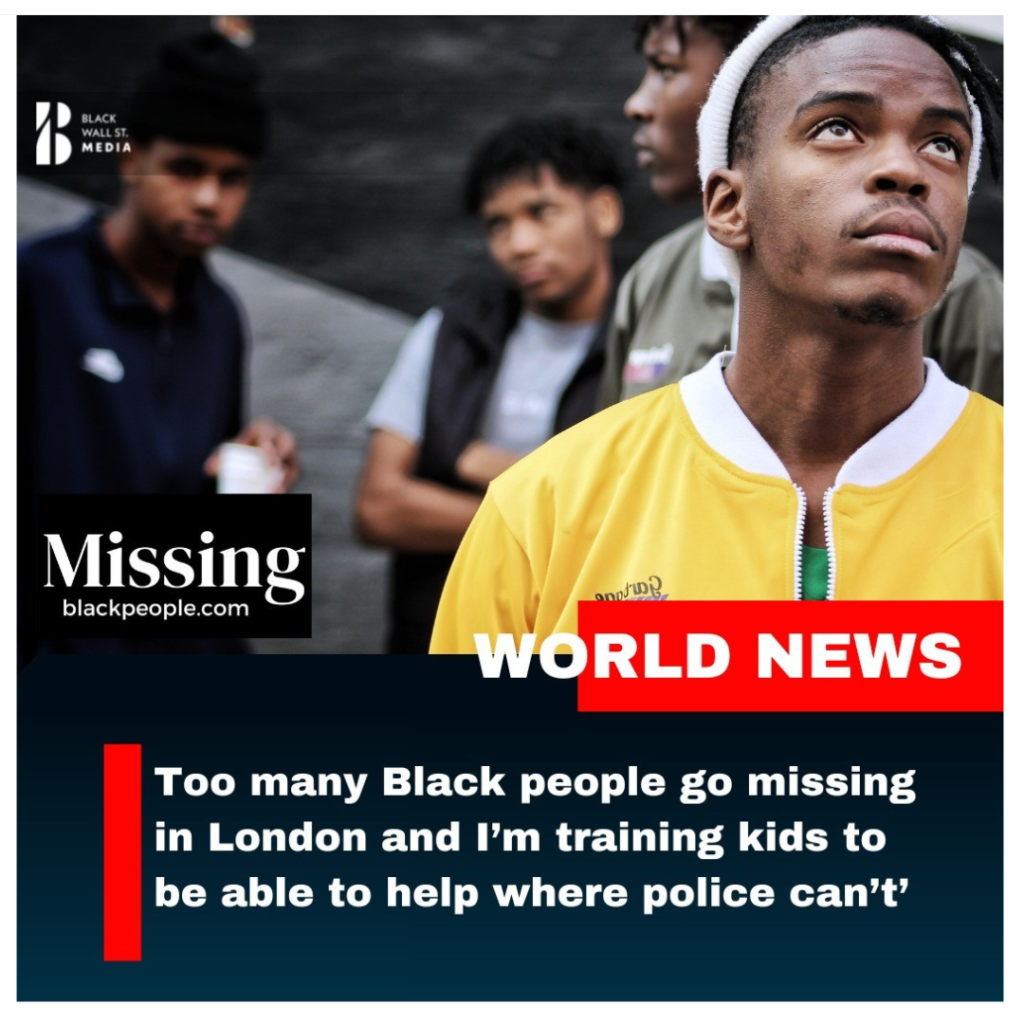
BY AYOKUNLE OLUWALANA Dominic Norton created Missing Black People and the next step is utilising the community An East London man behind a group dedicated to finding missing Black people…
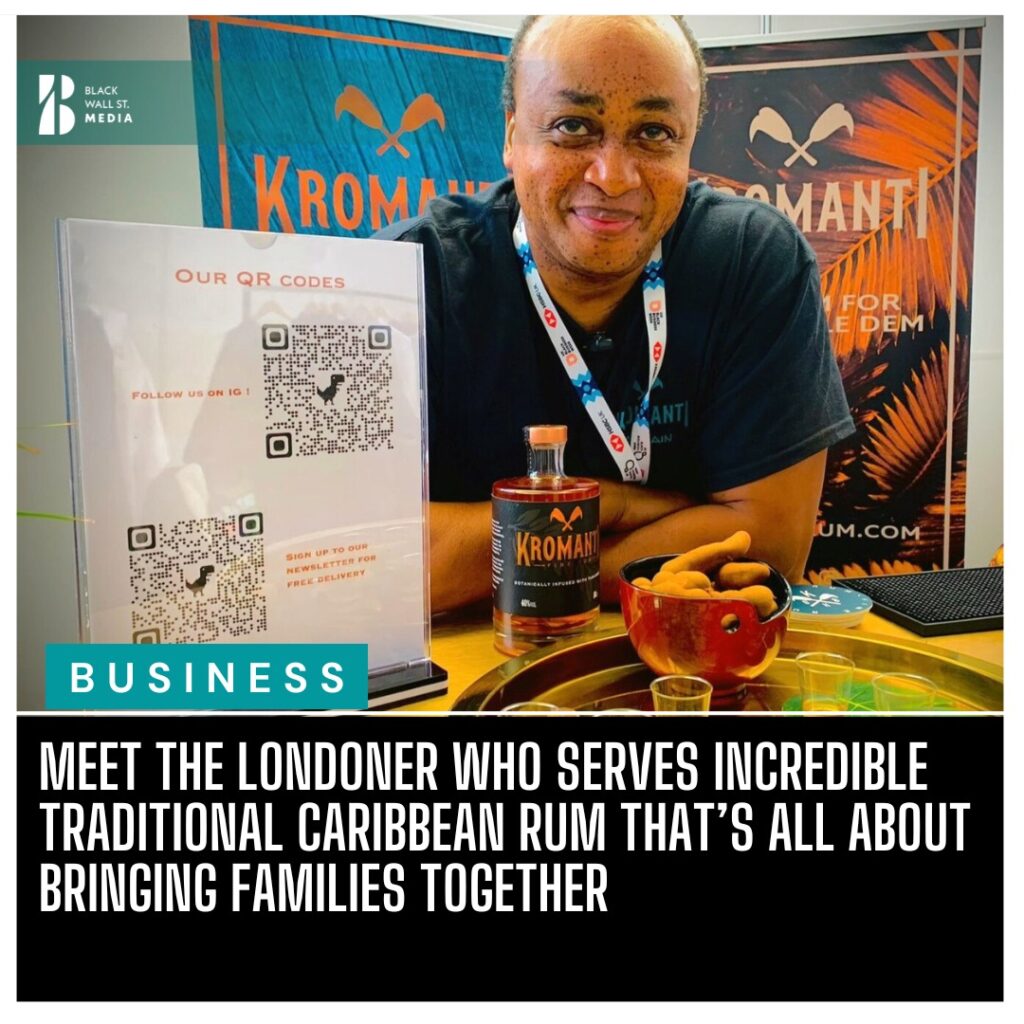
"Double rum and Coke please," is a phrase heard in every London bar and pub every night of the week. The rich, spicy, treacly and sometimes fruity spirit is a…
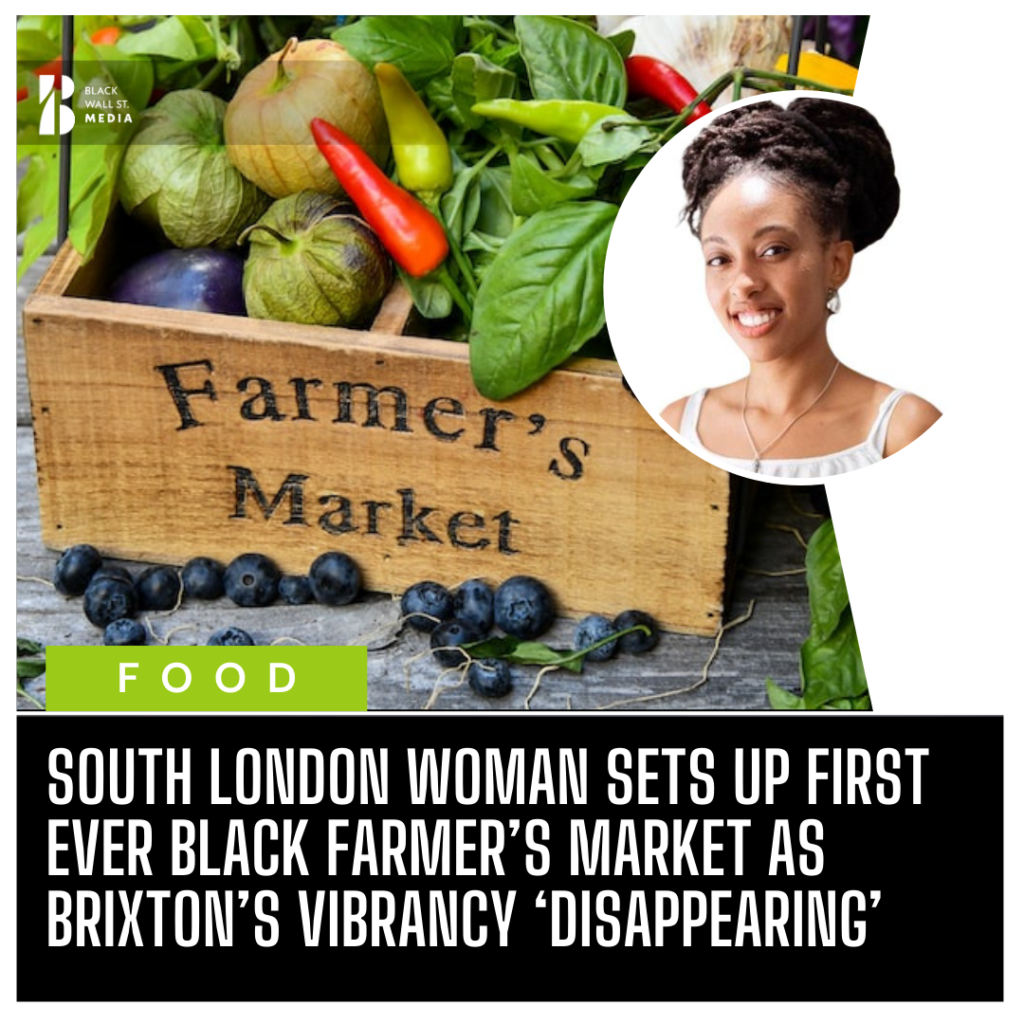
Natasha Pencil is worried for the future of Brixton's culture and communities of people of colour Bookmark Farmers' markets are a great day out and always worth a visit. They…
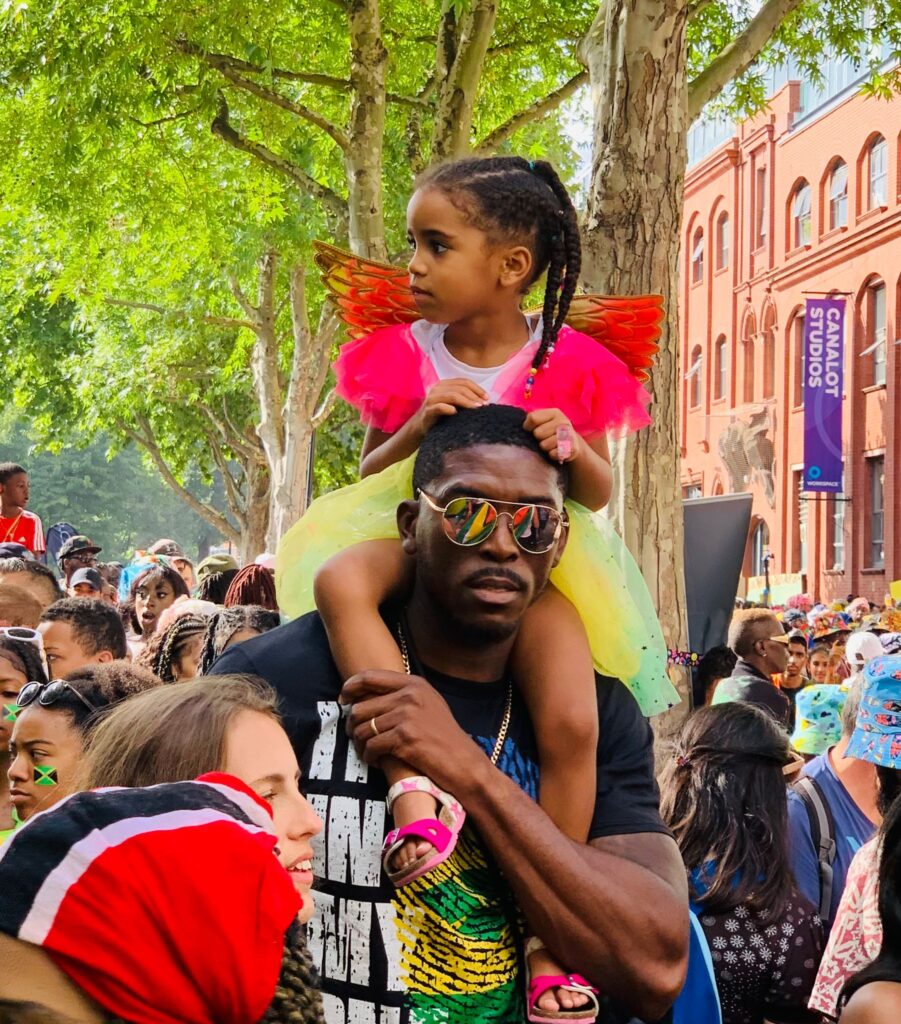
Carnival Highlights Carnival goers returned to the streets of west London for the first Notting Hill Carnival since 2019. For three years, Londoners have been pining for the return of…
Dominic Akers-Paul was not able to attend his grandma's funeral in Grenada due to an error Dominic Akers-Paul was not able to attend his grandma's funeral in Grenada due to…
Ben Lindsay TEDxFrensham By working with police, schools and social services, can we make an intrinsic change that will get young people the help and support they need before violence…
THIS MUST BE THE PLACE ``We will be working with young people who have gone through gang violence or sex trafficking. It is important for young girls especially to have…
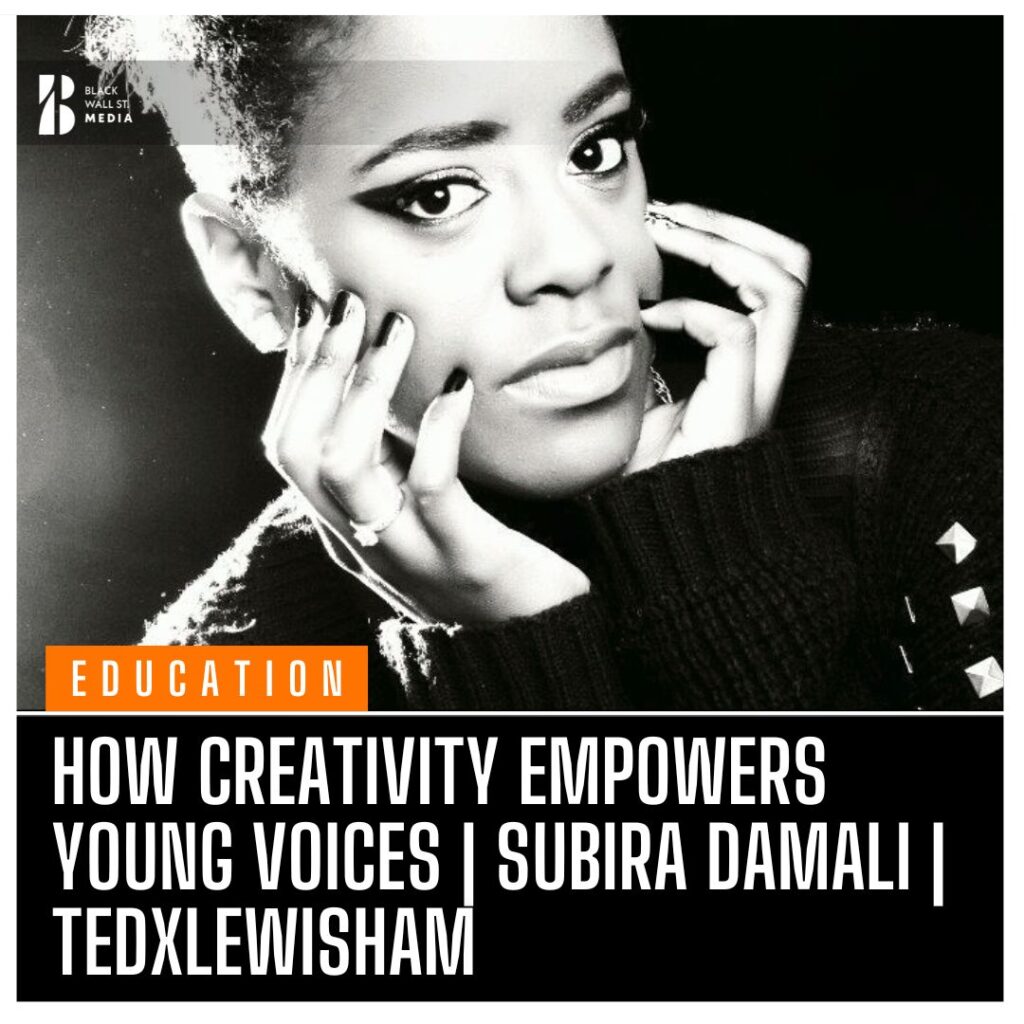
Lewisham Youth Theatre From a shy, unsure young girl that blossoms into a strong dynamic women unstoppable in her tracks. The power of creativity that helps to unleash internal power…
They call it harsh. They rarely call it what it is.
Black parenting has long been judged without context, misunderstood as severity rather than seen as protection. But in a world where Black children are too often viewed through a harsher lens, discipline becomes something deeper than control. It becomes preparation. It becomes survival.
In the wake of events on Clapham High Street, the question of parenting has once again taken centre stage. But before we ask where the parents are, perhaps we should ask what they are up against.
This piece explores the truth behind Black parenting, the tension between protection and perception, and the shift towards healing in a world that still demands resilience.
We need to talk about the truth behind being overqualified and underpaid.
As we step into a new financial year, the same uncomfortable question keeps resurfacing: Who really benefits from our labour—and at what cost?
From pay gaps to invisible work, from limited representation to the constant pressure to prove ourselves, the economics of being Black is lived every day.
This month’s Editor’s Letter breaks it down with honesty, evidence, and urgency.
Read on, because naming the truth is the first step to changing it.
It was a night of legacy, star power and cultural pride as the MOBO Awards marked an incredible 30 years with a landmark celebration in Manchester. Bringing together global icons like Pharrell Williams, Estelle and Tiwa Savage, the milestone event proved why the MOBOs remain a cornerstone of Black music and culture. At the heart of it all was Estelle’s powerful homecoming, a full-circle moment that perfectly captured the spirit of an evening dedicated not just to honouring the past, but shaping the future.
Mayor Margaret Greer’s Charity Gala was more than an evening of elegance—it was a powerful celebration of community, heritage, and purpose in the heart of Enfield. As the borough’s first Black woman of Caribbean heritage to serve as Mayor, Cllr Greer brought together residents, leaders, and supporters for a night dedicated to uplifting vital causes and strengthening the spirit of unity. Read how this unforgettable evening reflected the power of representation, resilience, and the collective strength of the Enfield community.
The Silence is the Story
Five Black women. Five bodies of water. And a national conversation that barely registered a ripple.
In this searing and vital piece, Dr Diahanne Rhiney, Editor in Chief of Black Wall St Media, confronts the uncomfortable historical pattern of how Black women’s lives are valued and often made invisible by the systems meant to protect them. From the tragic disappearances of Blessing Olusegun and Samaria Ayanle to the urgent necessity of economic sovereignty as a form of safety, this article is a call to action for visibility, protection, and the refusal to let history repeat itself.
Read the full article below to understand why we must say their names.