
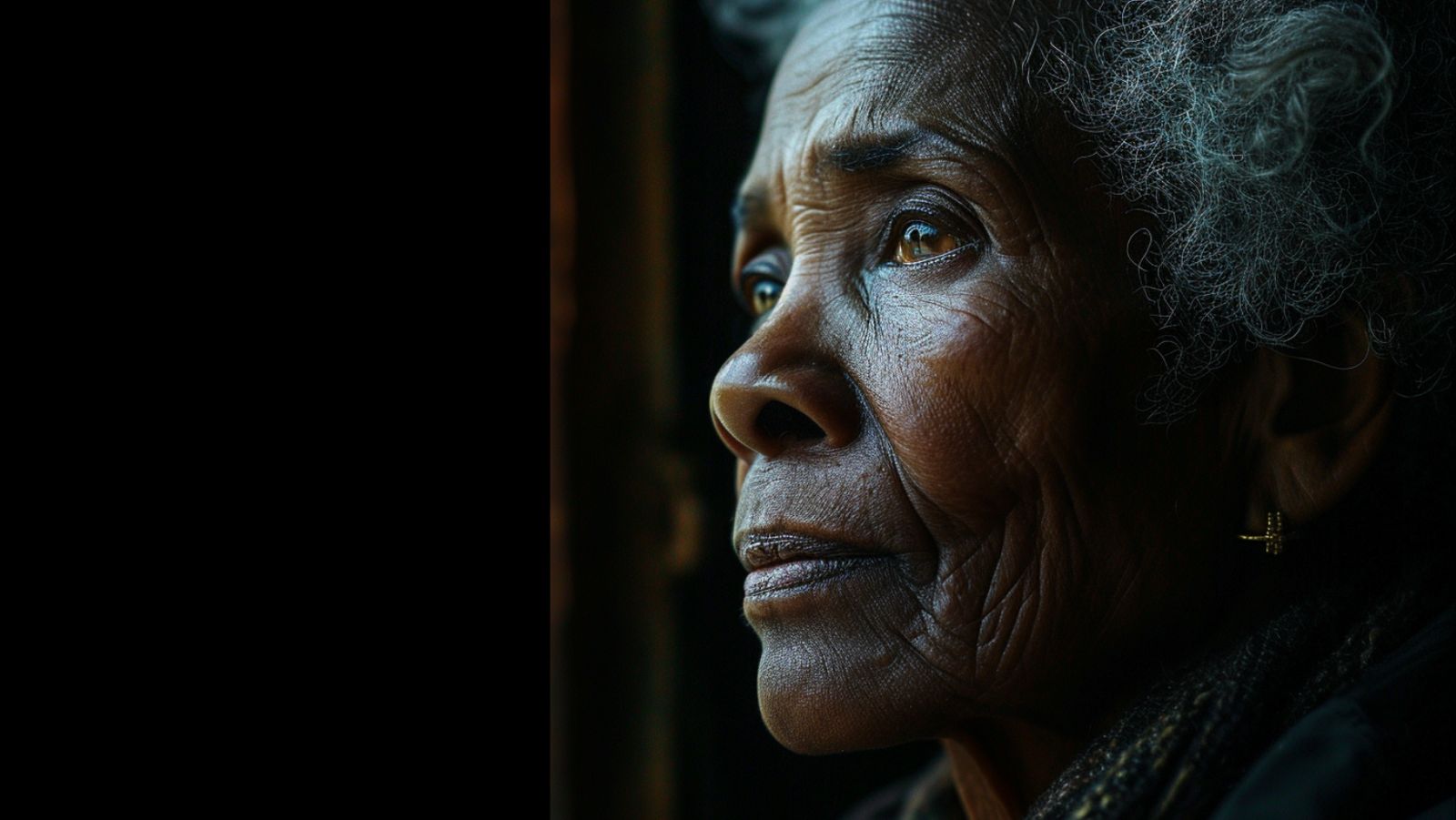
Healthcare Equity
Racial Disparities in Frontotemporal Dementia Awareness
“Let's shine a light on the overlooked issue of racial disparities in Frontotemporal Dementia awareness. Join the conversation as we explore the impact and importance of equitable healthcare access”
BWSMCONTRIBUTOR














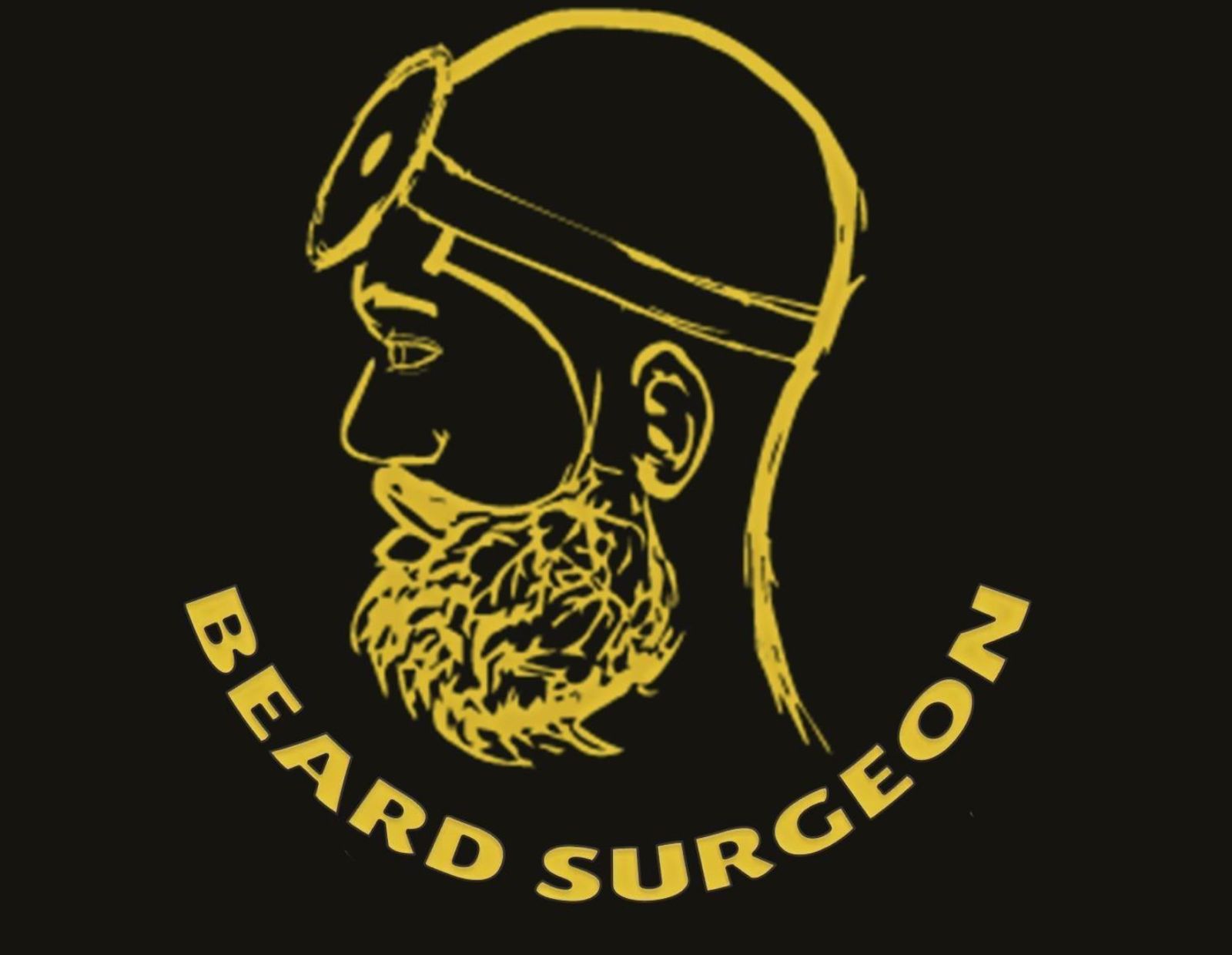




Understanding Frontotemporal Dementia: Addressing Racial Disparities and Promoting Awareness
Frontotemporal dementia (FTD) captured public attention in 2023 when actor Bruce Willis and, more recently, talk show host Wendy Williams disclosed their diagnoses. Unlike more familiar forms of dementia, FTD primarily affects individuals under 60 years old and manifests through changes in personality, behavior, and language.
Wendy Williams, who hosted her show for 13 seasons before stepping down in 2021 due to health reasons, publicly revealed her FTD diagnosis in February of the following year. Her case, played out in the public eye, sheds light on the disproportionate impact of this debilitating disease on Black Americans.
FTD is a complex neurodegenerative condition with unknown causes and no cure. It typically strikes individuals in their 50s or 60s, presenting either with behavioral changes or language comprehension difficulties. Despite affecting an estimated 60,000 people in the U.S., FTD often goes undiagnosed or misdiagnosed for years, with an average delay of 3.6 years before an accurate diagnosis.
Racial disparities exacerbate the challenges faced by FTD patients, particularly within Black and Latinx communities. Studies have indicated that Black individuals with FTD experience more severe symptoms and functional impairment, often leading to delayed diagnosis and inadequate access to care. Socioeconomic factors, including poverty and lack of health insurance, further contribute to disparities in healthcare access and outcomes.
Moreover, cultural beliefs and stigma surrounding mental health in some Black communities may discourage seeking medical help, leading to delayed diagnosis and treatment. Physician bias also plays a role, with Black and Latinx individuals with FTD being more likely to be misdiagnosed with a psychotic disorder, further delaying appropriate care.
Increasing awareness of FTD is crucial for timely diagnosis and intervention. Accessible screening tools, such as smartphone apps developed for early detection, have the potential to improve diagnostic accuracy and reduce disparities. Additionally, efforts to diversify medical research and develop culturally informed care practices are essential steps towards addressing racial inequities in FTD diagnosis and treatment.
Ultimately, policymakers and healthcare systems must prioritize addressing systemic barriers to healthcare access and promoting trust within marginalized communities. Wendy Williams’ story serves as a poignant reminder of the urgent need to raise awareness and mitigate the racial disparities that exacerbate the suffering of those affected by FTD.
“”
Natalie GodwinCONTRIBUTOR

- Damilola Taylor: The Boy Who Never Made It Home
 He was just ten years old. He loved football, supported Manchester United and dreamed of becoming a medical researcher so he could help his sister. On 27 November 2000, Damilola Taylor was fatally injured while walking home in Peckham. His death shocked Britain. His family endured years of waiting for justice. But his parents, Richard and Gloria Taylor, refused to let their son’s legacy be defined by the violence that took him. They established the Damilola Taylor Trust to help give other young people hope, opportunities and a better chance of a future. This Black History Month, we remember the child behind the headlines — his dreams, his family and the future he was never given the chance to live. Every child deserves to make it home. Every child deserves a future. Read our Black History Month feature with Black Wall St. Media.
 - Alzheimer’s the Black doctor who helped decode the disease
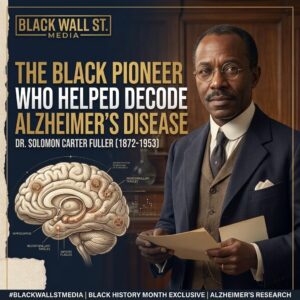 🧠✨ Celebrating an Unsung Hero! Dive into the captivating journey of Dr. Solomon Fuller, a pioneer in Alzheimer's research and a standout figure in Black history. From his roots in Liberia to groundbreaking discoveries, discover the legacy of a medical trailblazer who defied adversity. 🌟
 - The Voice of the Child, Young Person and; Service User
 Whose voices are we really hearing? And what happens when we truly listen? The 3rd DARDR/DVA & Criminal Justice Summit 2026 will bring together professionals, practitioners, community organisations, academics and people with lived experience to place children, young people and service users at the heart of the conversation. Under the theme “The Voice of the Child, Young Person & Service User,” this year’s Summit will explore domestic abuse, violence, safeguarding, exploitation, trauma and criminal justice — but most importantly, how listening can move beyond consultation and become meaningful action. 📅 Friday 27 November 2026 📍 Brent Civic Centre, Wembley 💻 Hybrid Event | CPD Accredited Read more about the Summit, the conversations it will explore and how to book your place.
 - The Crown in the Ledger: What Finding Britain’s Slave Traders Asked Us to Face
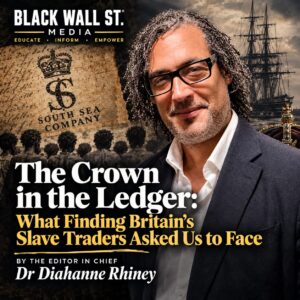 What happens when Britain’s history is no longer told through monuments, wealth and institutions, but through the ledger behind them? Finding Britain’s Slave Traders with David Olusoga brings names, companies, royal connections and fortunes into focus, forcing us to confront how deeply the transatlantic slave trade was embedded in British society. In “The Crown in the Ledger,” we explore what these records reveal about wealth, power, responsibility and the legacy that remains today. Read the full article and ask yourself: who owns what, who benefited, and what does honest accounting look like?
 - Is ‘Othello’ relevant today?
 Othello: A Timeless Exploration of Jealousy, Racism, and Ambition
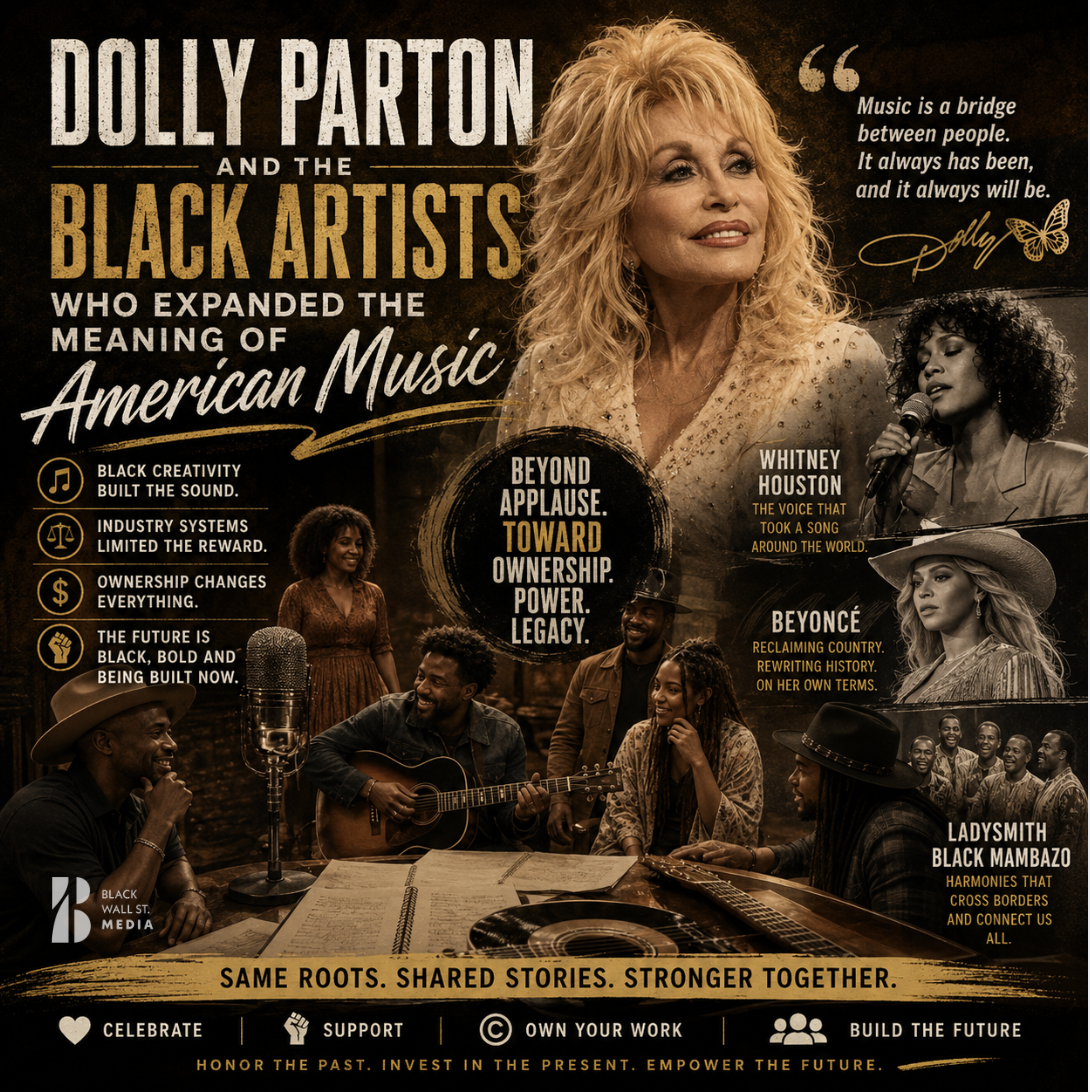
Dolly Parton and the Black Artists Who Expanded the Meaning of American Music
Read More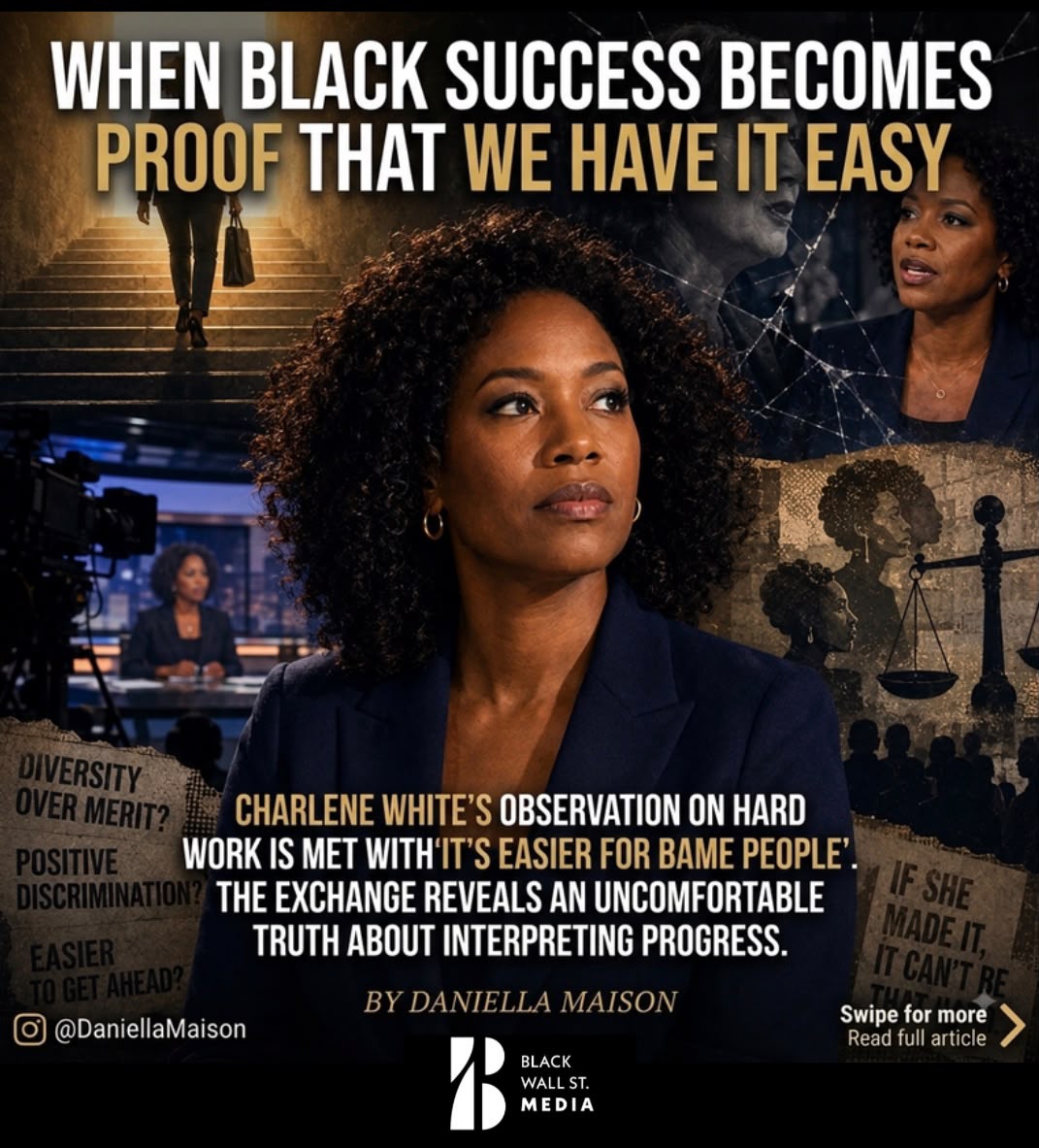
When Black Success Becomes Proof That We Have It Easy
Read More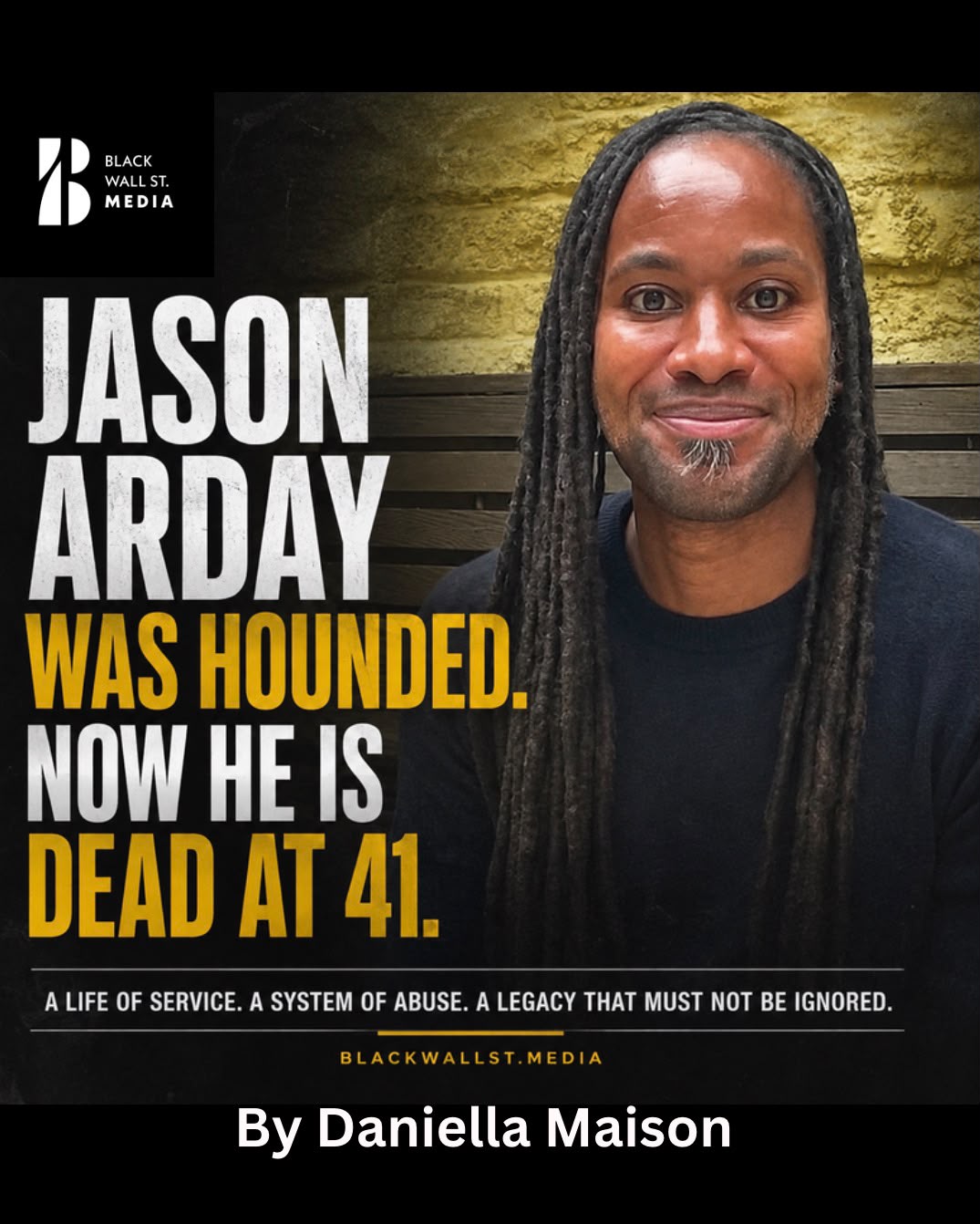
Jason Arday Was Hounded. Now He Is Dead at 41
Read More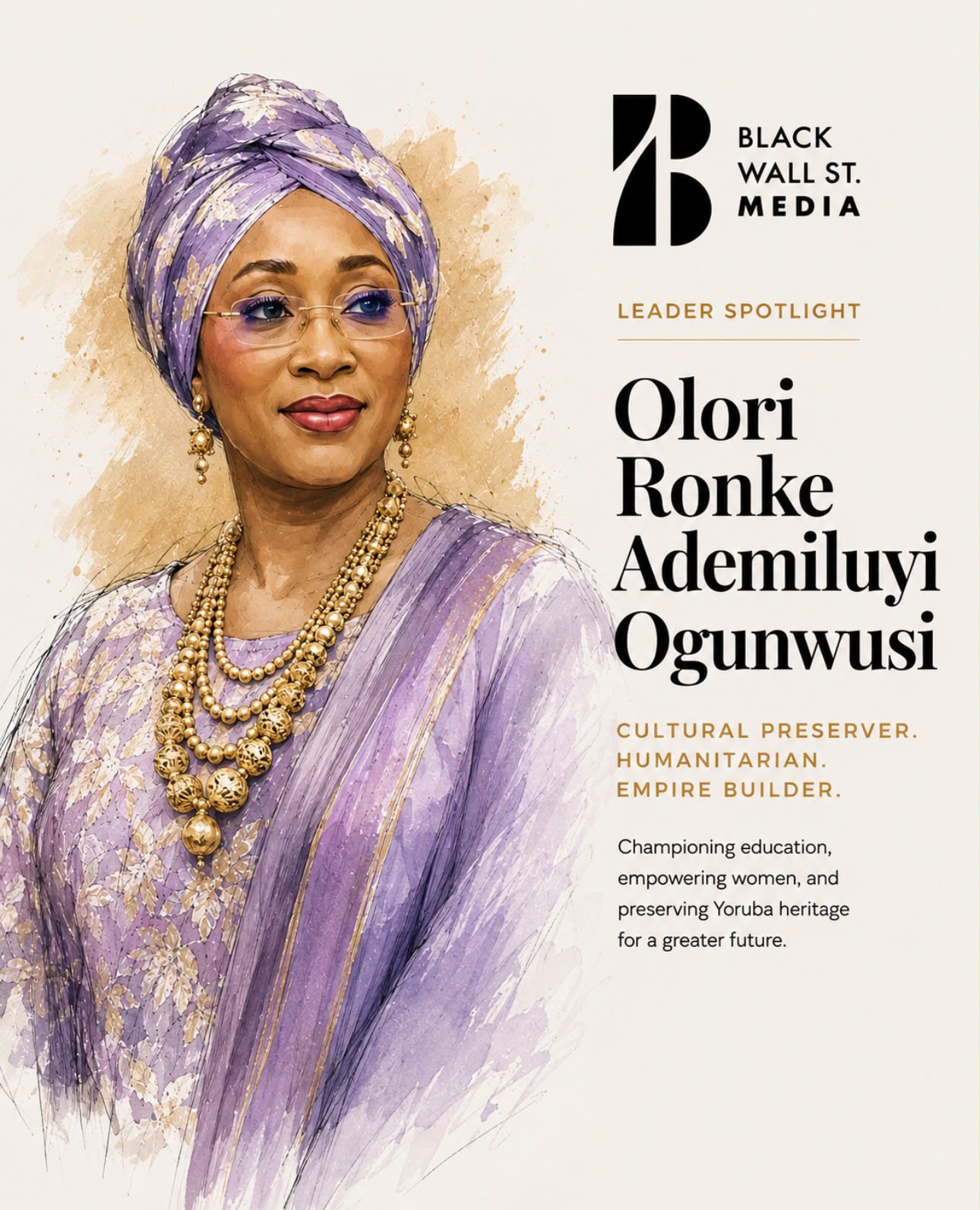
Beyond the Catwalk: How Olori Ronke Ademiluyi Ogunwusi Built an Economic Engine for African Fashion
Read More
African Fashion Week London Returns: Where Heritage Meets the Future of Fashion
Read More
Jamaica Tourist Board Partners with Reggae Land Bringing Jamaica to the UK’s Biggest Reggae Festival
Read More